It’s Not A 3D Print Of The Save Icon

Floppy disk

F/5.3, 1/60, ISO250.

Day 315 / 365

What does a baby computer call his father?

Data!

Interesting Fact: The earliest floppy disks, developed in the late 1960s, are 8 inches (200 mm) in diameter;[1] they became commercially available in 1971.[2] These disks and associated drives were produced and improved upon by IBM and other companies such as Memorex, Shugart Associates, and Burroughs Corporation.[3] The term “floppy disk” appeared in print as early as 1970,[4] and although in 1973 IBM announced its first media as “Type 1 Diskette” the industry continued to use the terms “floppy disk” or “floppy”. ( https://en.wikipedia.org/wiki/Floppy_disk )
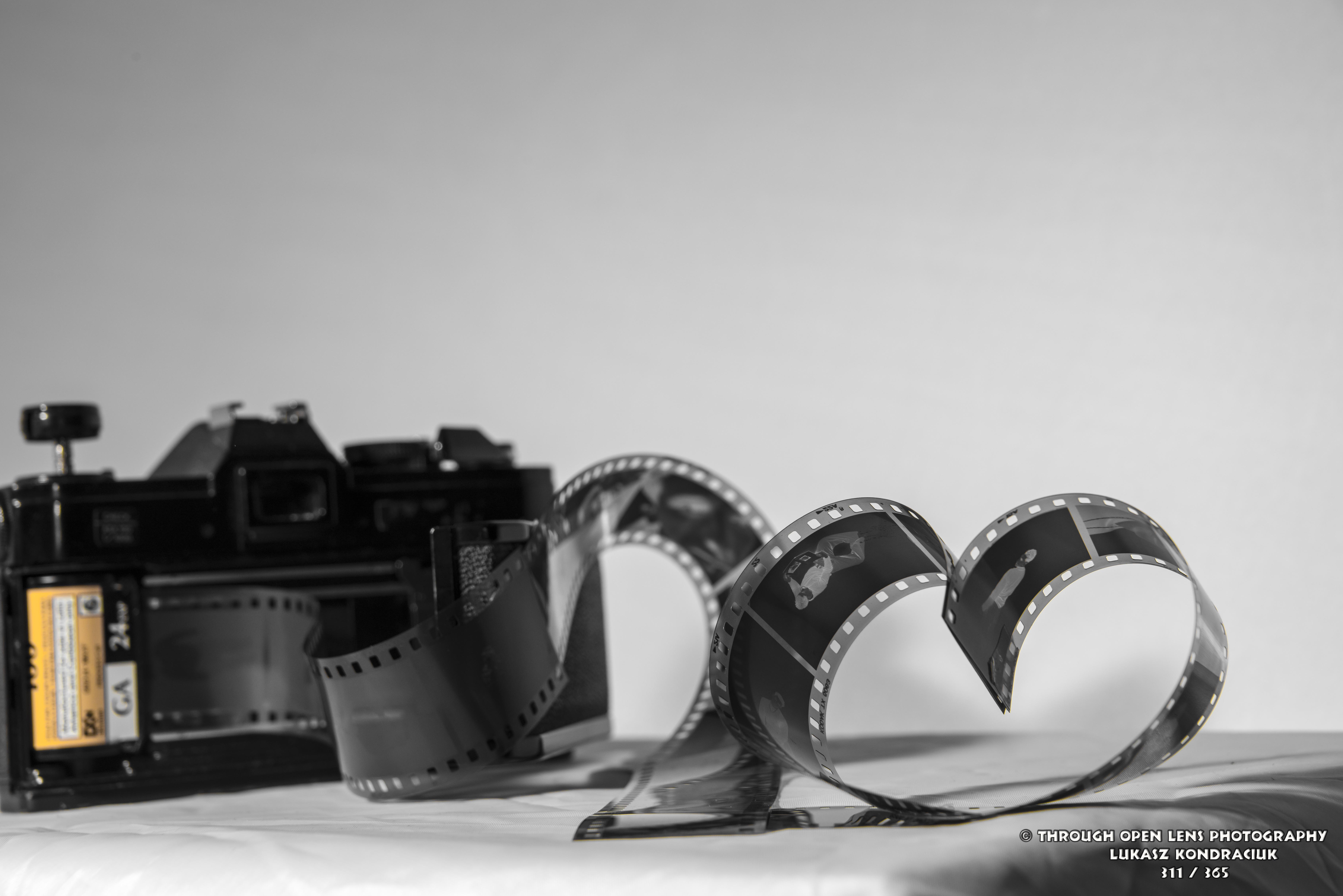
Love The Past With The Future  

love film negative

F/9.0, 1/60, ISO 125.

Day 311 / 365

Ever since buying a digital camera, I can only think of it’s positive points. There aren’t any negatives.

Interesting Fact: Around the year 1800, Thomas Wedgwood made the first known attempt to capture the image in a camera obscura by means of a light-sensitive substance. He used paper or white leather treated with silver nitrate. Although he succeeded in capturing the shadows of objects placed on the surface in direct sunlight, and even made shadow-copies of paintings on glass, it was reported in 1802 that “[t]he images formed by means of a camera obscura have been found too faint to produce, in any moderate time, an effect upon the nitrate of silver.” The shadow images eventually darkened all over because “[n]o attempts that have been made to prevent the uncoloured part of the copy or profile from being acted upon by light have as yet been successful.”[8] Wedgwood may have prematurely abandoned his experiments due to frail and failing health; he died aged 34 in 1805. ( https://en.m.wikipedia.org/wiki/History_of_photography )