

F/16.0, 1/60, ISO 160.
Day 350 / 365
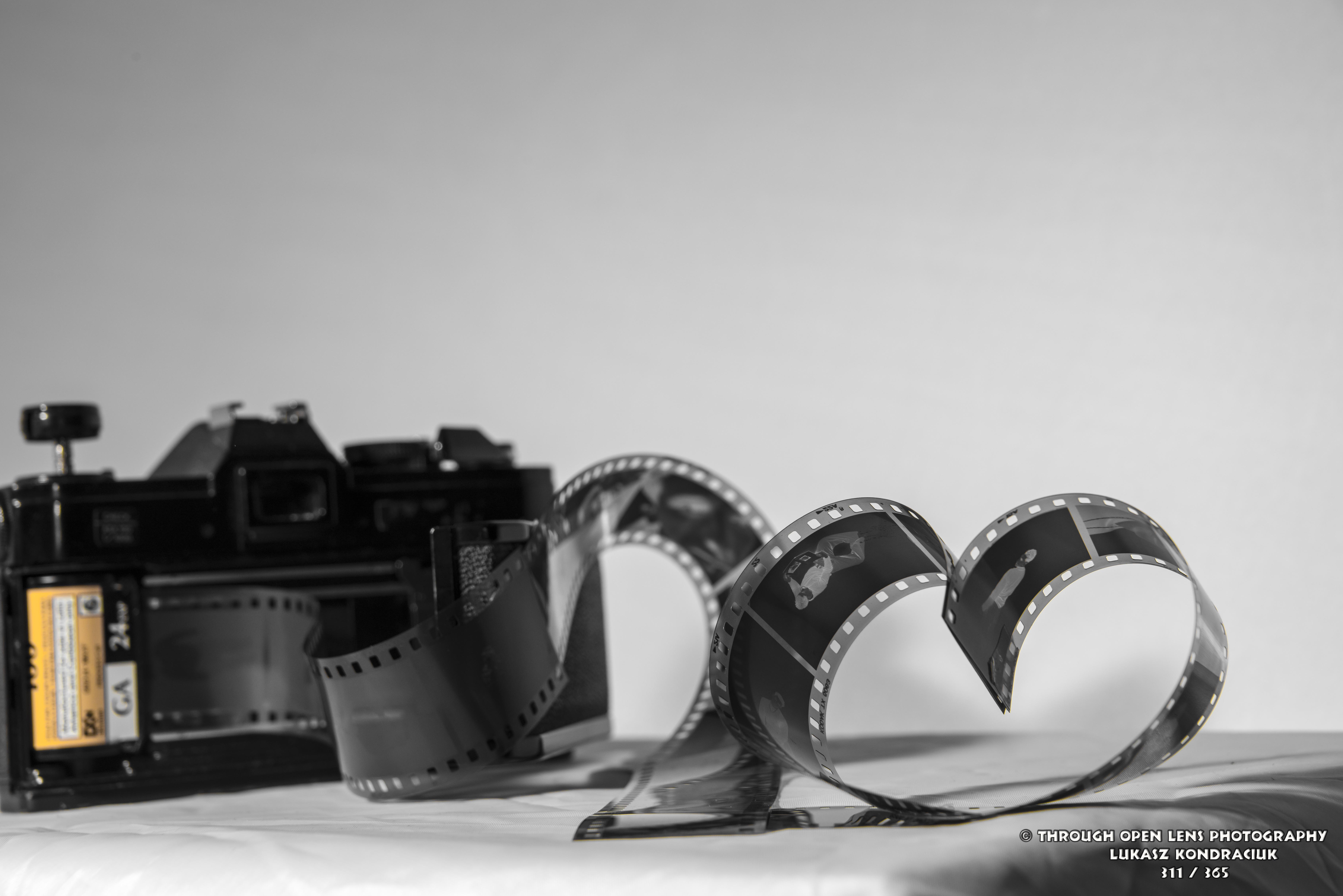
Top ten reasons to date a photographer:
- They work well in the dark
- They’re used to funny smells
- They make things develop
- They work well on many settings
- They know how to focus
- They can make big things look small and small things look big
- They work well from many different angles
- They zoom in and out. And in and out and in and out and in and out…
- They shoot in many different locations
- They can find the beauty in anything
Interesting Fact: Color photography is almost as old as black-and-white, with early experiments including John Herschel‘s Anthotype prints in 1842, the pioneering work of Louis Ducos du Hauron in the 1860s, and the Lippmann process unveiled in 1891, but for many years color photography remained little more than a laboratory curiosity. It first became a widespread commercial reality with the introduction of Autochrome plates in 1907, but the plates were very expensive and not suitable for casual snapshot-taking with hand-held cameras. The mid-1930s saw the introduction of Kodachrome and Agfacolor Neu, the first easy-to-use color films of the modern multi-layer chromogenic type. These early processes produced transparencies for use in slide projectors and viewing devices, but color prints became increasingly popular after the introduction of chromogenic color print paper in the 1940s. The needs of the motion picture industry generated a number of special processes and systems, perhaps the best-known being the now-obsolete three-strip Technicolor process. ( https://en.wikipedia.org/wiki/Photograph#History )
 Through Open Lens