Happy Earth Day!

Cape May Warbler

F/6.3, 1/80, ISO 1600.

Cape May Warbler

Day 112 /365

Why did the little bird get in trouble at school?
Because he was caught tweeting on a test.

Interesting Fact:  The tongue of the Cape May Warbler is unique among warblers. It is curled and semitubular, and is used to collect nectar during winter. ( http://www.allaboutbirds.org/guide/Cape_May_Warbler/lifehistory )

Guess who? Wha ha hahaha! Wha ha hahaha! Hahahahahahahaha!

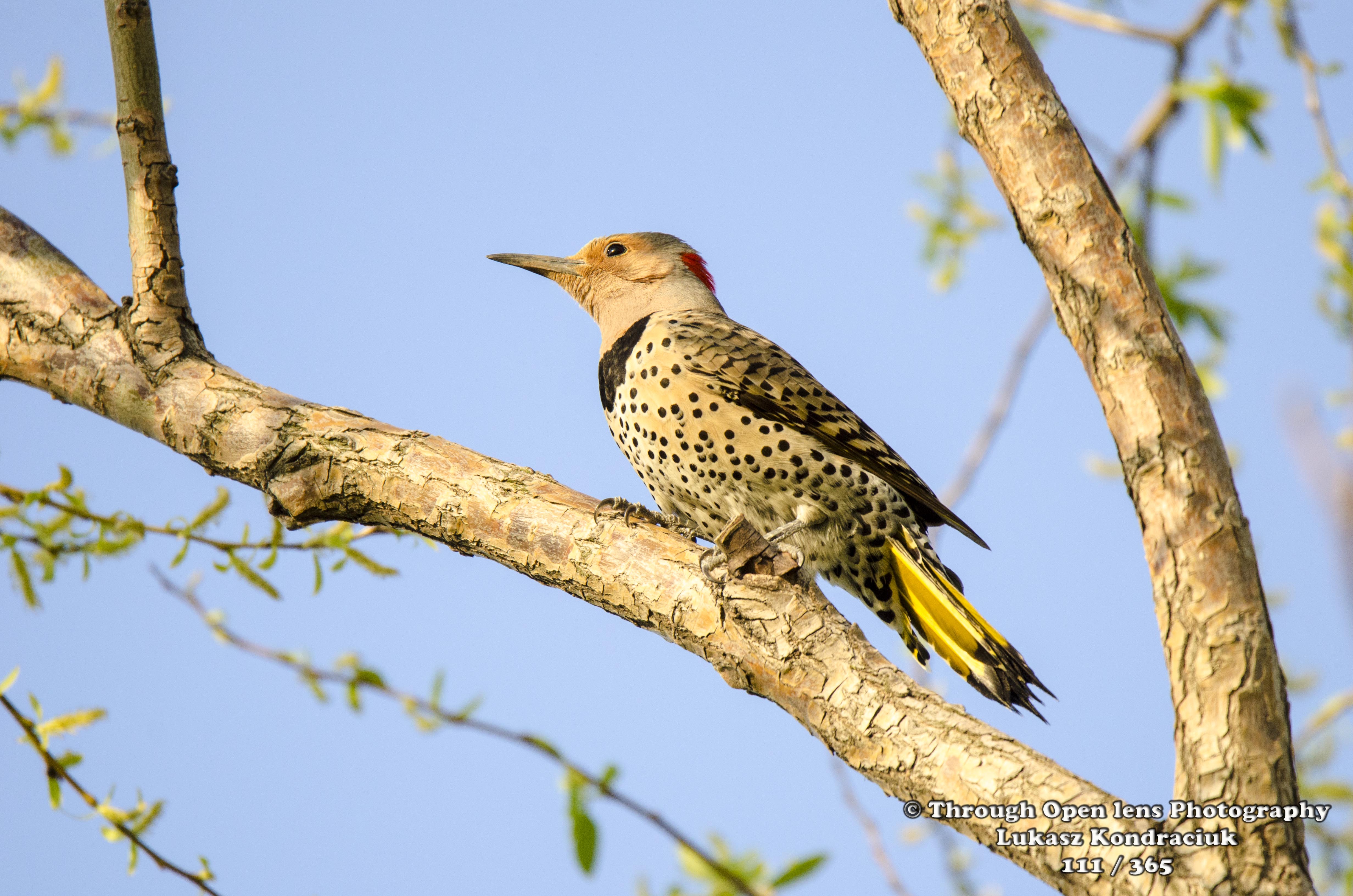
Northern Flicker woodpacker

F/6.3, 1/1000, ISO 800.

Northern Flicker

Day 111 / 365

What do you call a woodpecker that lost his beak?

A Head-Banger.

Interesting Fact: Although it can climb up the trunks of trees and hammer on wood like other woodpeckers, the Northern Flicker prefers to find food on the ground. Ants are its main food, and the flicker digs in the dirt to find them. It uses its long barbed tongue to lap up the ants. ( http://www.allaboutbirds.org/guide/Northern_Flicker/lifehistory )

“So, What Are We Looking At ?”

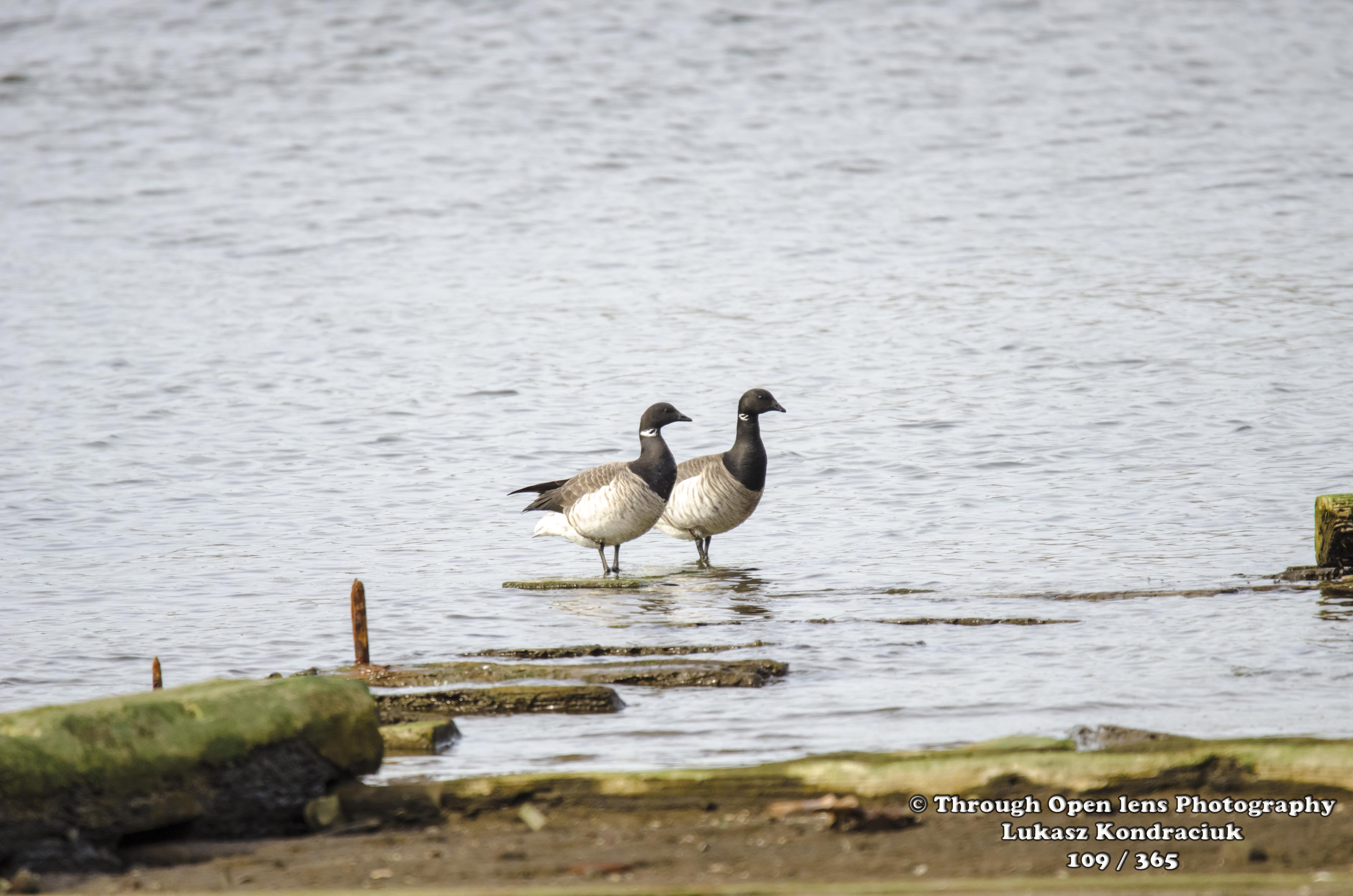
Brant goose

F/6.3, 1/1000, ISO 450.

Brant Goose

Day 109 / 365

What does a farmer call an escaped bird?
A loose goose.

Interesting Fact: Brant goose possess a highly developed salt gland that allows them to drink salt water. ( http://identify.whatbird.com/obj/290/overview/Brant.aspx )

This Duck Baffled My Head!

Bufflehead Duck

F/6.3, 1/1000, ISO 400.

Bufflehead Duck

Day 25 / 365

Freezing my bum off for an hour in one spot today paid off.    🙂

Interesting Fact: Buffleheads are highly active and will undertake dives almost continuously. One duck will serve as a sentry, watching for predators as the others in the group dive in search of food. ( http://www.withmephotographyblog.com/10-interesting-facts-about-the-bufflehead )

Just Keep Swimming, Just Keep Swimming!

canvasback ducks

F/6.3, 1/60, ISO 320.

Day 4 / 365

I wonder where they can be swimming in such a hurry, maybe they are late to be somewhere or maybe they are just afraid of me. 🙂

Interesting Fact: Canvasbacks are diver ducks well equipped with their own form of flippers—large webbed feet that make them smooth and graceful swimmers. They spend much of their time in the water and use their long bills to feed by digging through bottom sediments in search of aquatic plant stems and roots, or submerged insects, crustaceans, and clams. ( http://animals.nationalgeographic.com/animals/birds/canvasback/ )

Red Tail Goalie

red tailed hawk

F/7.1, 1/800, ISO 200.

With the 2014 FIFA World Cup coming, every one is getting excited, even the Red Tail Hawk came down to take a closer look at a little league soccer game. The hawk liked the soccer game so much, he stayed around to play as a goalie. But since he wasn’t playing fair and the kids were scared of him, the referee gave him a red card and tossed him out of the game.

red tailed hawk1

F/5.6, 1/500, ISO 200.

Interesting Fact: These birds of prey are also known as buzzard hawks and red hawks. By any name, they are keen-eyed and efficient hunters. Red-tails prefer open areas, such as fields or deserts, with high perching places nearby from which they can watch for prey. But these birds are adaptable and also dwell in mountains and tropical rain forests. Hawks have even embraced human habitats. They often perch on telephone poles and take advantage of the open spaces along the roadside to spot and seize mice, ground squirrels, rabbits, reptiles, or other prey. ( http://animals.nationalgeographic.com/animals/birds/red-tailed-hawk/ )