“Peace Is Not Merely A Distant Goal That We Seek, But A Means By Which We Arrive At That Goal.”

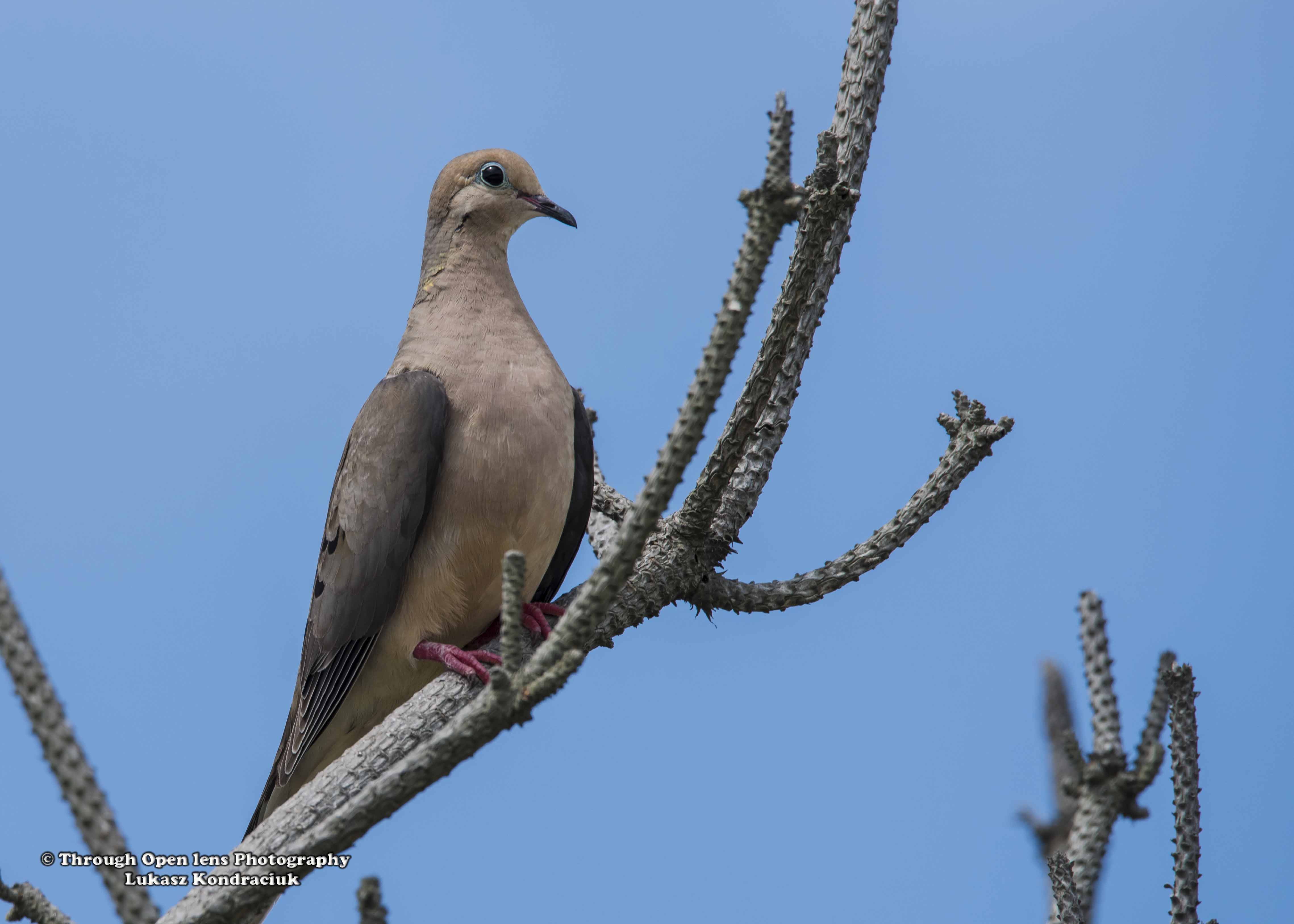
Mourning Dove 1

F/10.0, 1/400, ISO 160.

Mourning Dove

Why did the rubber chicken cross the road?

She wanted to stretch her legs.

Interesting Fact: Mourning Doves eat roughly 12 to 20 percent of their body weight per day, or 71 calories on average. ( https://www.allaboutbirds.org/guide/Mourning_Dove/lifehistory )

AHHHH! You Scared Me!

White-Tailed Deer 3

F/ 7.1, 1/200, ISO 200.

Why do male deer need braces?

Because they have buck teeth!

Interesting Fact: Adult white-tails have reddish-brown coats in summer which fade to a duller grayish-brown in winter. Male deer, called bucks, are easily recognizable in the summer and fall by their prominent set of antlers, which are grown annually and fall off in the winter. Only the bucks grow antlers, which bear a number of tines, or sharp points. During the mating season, also called the rut, bucks fight over territory by using their antlers in sparring matches. ( http://animals.nationalgeographic.com/animals/mammals/white-tailed-deer/ )



I Am Not Crazy… Well, Maybe I Am But You Got To Love Me.

Eastern Towhee 1

F/8.0, 1/250, ISO 250.

Eastern Towhee

Why was the math textbook so sad?

He had a lot of problems!

Interesting Fact: The Eastern Towhee and the very similar Spotted Towhee of western North America used to be considered the same species, the Rufous-sided Towhee. The two forms still occur together in the Great Plains, where they sometimes interbreed. This is a common evolutionary pattern in North American birds – a holdover from when the great ice sheets split the continent down the middle, isolating birds into eastern and western populations that eventually became new species. ( https://www.allaboutbirds.org/guide/Eastern_Towhee/lifehistory )

So What Are We Staring At?!

Great Black-backed Gull

F/13.0, 1/640, ISO 320.

Great Black-backed Gull  

What do you call a seagull when it flies over the bay?

A bagel.

Interesting Fact: This is the largest gull in the world. Its broad wings and powerful appearance give it a regal look that have impressed naturalists for years. In the words of one early observer: “It surely seemed to be a king among the gulls, a merciless tyrant over its fellows, the largest and strongest of its tribe. No weaker gull dared to intrude upon its feudal domain.” ( https://www.allaboutbirds.org/guide/Great_Black-backed_Gull/lifehistory )