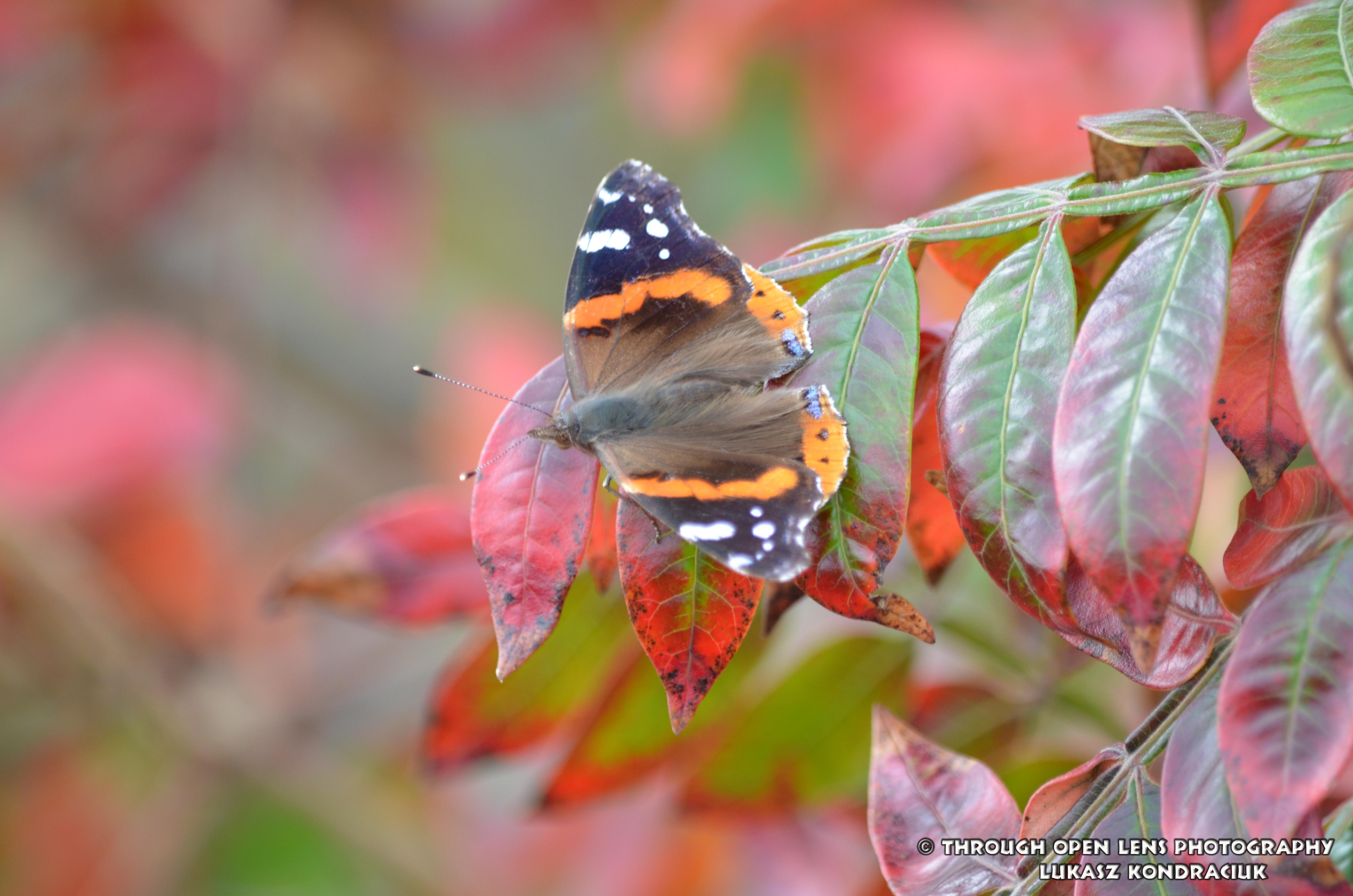
Fall “O” Me Through This Season !

butterfly

F/6.3, 1/125, ISO 400.


I am not ready for the summer to end, but since this butterfly is not giving up on the season changing, I shall do the same.

Interesting Fact: One of the visible signs of fall is the changing color of the leaves. This happens because photosynthesis stops during this period so leaves do not stay green.  ( http://www.parkrideflyusa.com/blog/2012/09/21/12-fun-facts-about-fall/ )

I Said A Hip Hop, Hippie To The Hippie, The hip, hip a hop, and you don’t stop, a rock it.

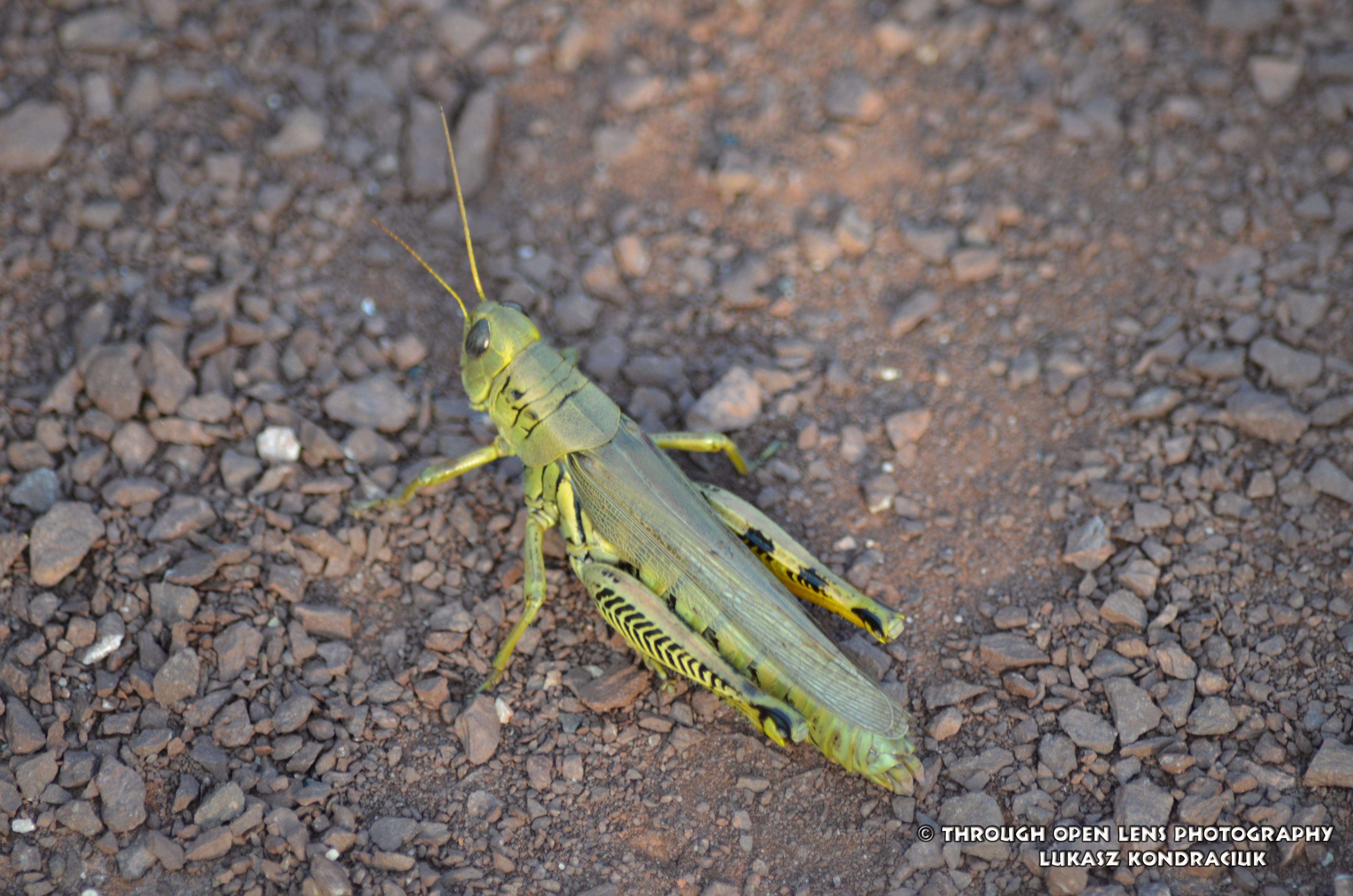
green grasshopper

F/5.6, 1/250, ISO 640.

For this photo I would like to use quotes from famous Kung Fu (TV Series) (1972)  ( http://www.imdb.com/title/tt0068823/quotes )

Master Po: [after easily defeating the boy in combat] Ha, ha, never assume because a man has no eyes he cannot see. Close your eyes. What do you hear?

Young Caine: I hear the water, I hear the birds.

Master Po: Do you hear your own heartbeat?

Young Caine: No.

Master Po: Do you hear the grasshopper that is at your feet?

Young Caine: [looking down and seeing the insect] Old man, how is it that you hear these things?

Master Po: Young man, how is it that you do not?


On my journey of exploring new places, I didn’t hear a grasshopper at my feet, but I did manage to snap a photo of it. I think Master Po would be proud of me.

Interesting Fact: They make their sound (music) by rubbing their
wings or legs together. They can jump 20 times the length of their body. That would be like a 6′ man jumping 120 feet. There are over 18,000 different species worldwide. ( http://www.bugfacts.net/grasshopper.php )

Keep On Knocking But You Can’t Come In.

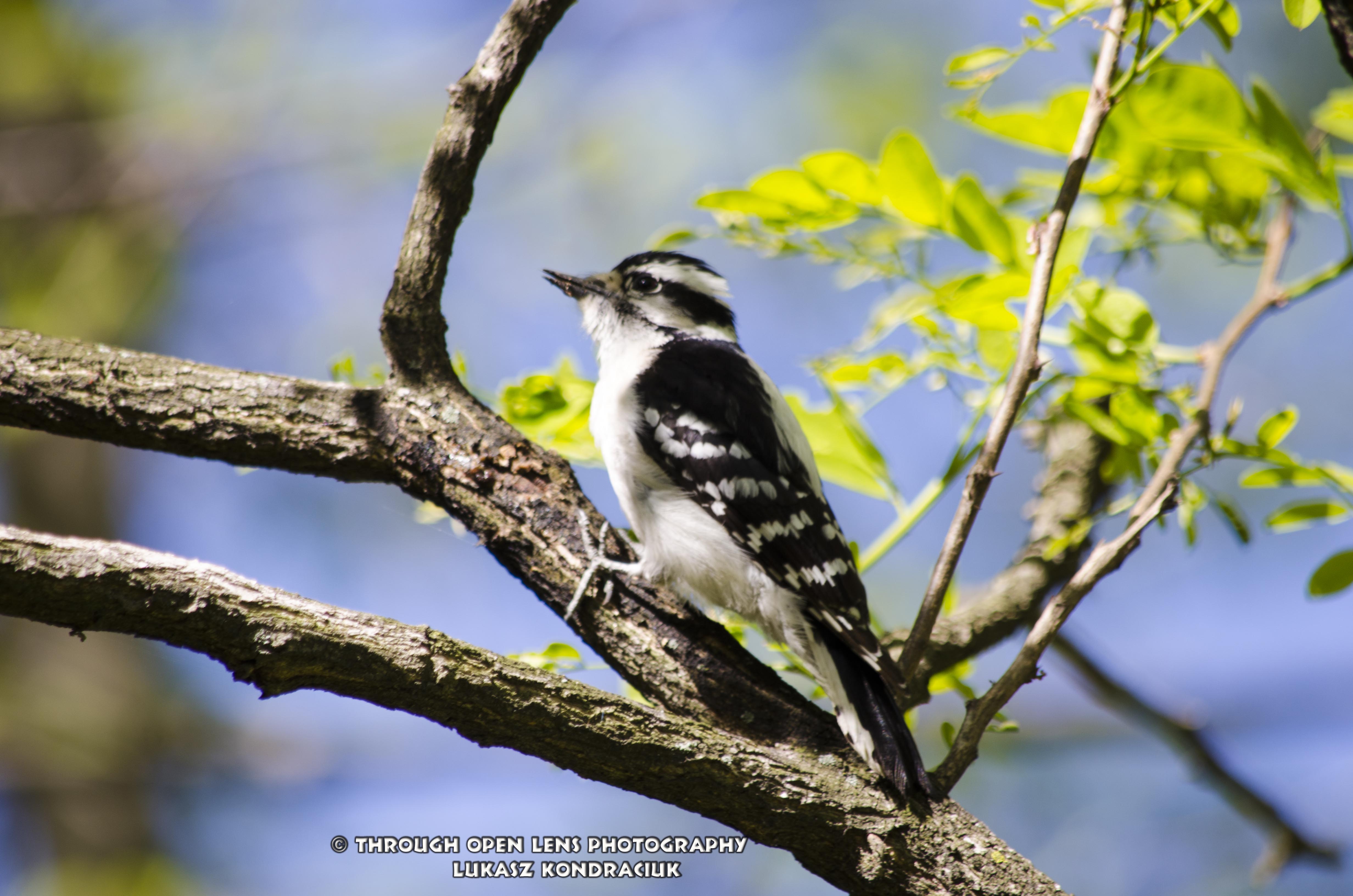
Downy Woodpecker

F/5.6, 1/160, ISO 100

Away on vacation strange knock I hear,

I open the door and what do I see

a Downy Woodpecker up In a tree.

I rush for my camera and run out the door

I snap a few photos and that’s about all.


Interesting Fact: Woodpeckers don’t sing songs, but they drum loudly against pieces of wood or metal to achieve the same effect. People sometimes think this drumming is part of the birds’ feeding habits, but it isn’t. In fact, feeding birds make surprisingly little noise even when they’re digging vigorously into wood. ( http://www.allaboutbirds.org/guide/downy_woodpecker/lifehistory )


Your Kung-Fu Is Good, But You Are No Match For My Great Egret Style!

Great Egret

F/5.6, 1/8000, ISO 1000.

This Great Egret showed off his crazy moves, and hit the road or I should say the sky.  I wanted to learn more by observing this amazing bird, but unfortunately my presence spooked him away and the lesson was over.  The way they walk and hunt, it is actually quite interesting. I would highly recommend next time you see one, to stick around for few minutes, and you maybe see something that you haven’t seen before.

Interesting Fact: Great Egrets fly slowly but powerfully: with just two wingbeats per second their cruising speed is around 25 miles an hour. ( http://www.allaboutbirds.org/guide/great_egret/lifehistory )

They Bring Fast Food To A Whole New Level.


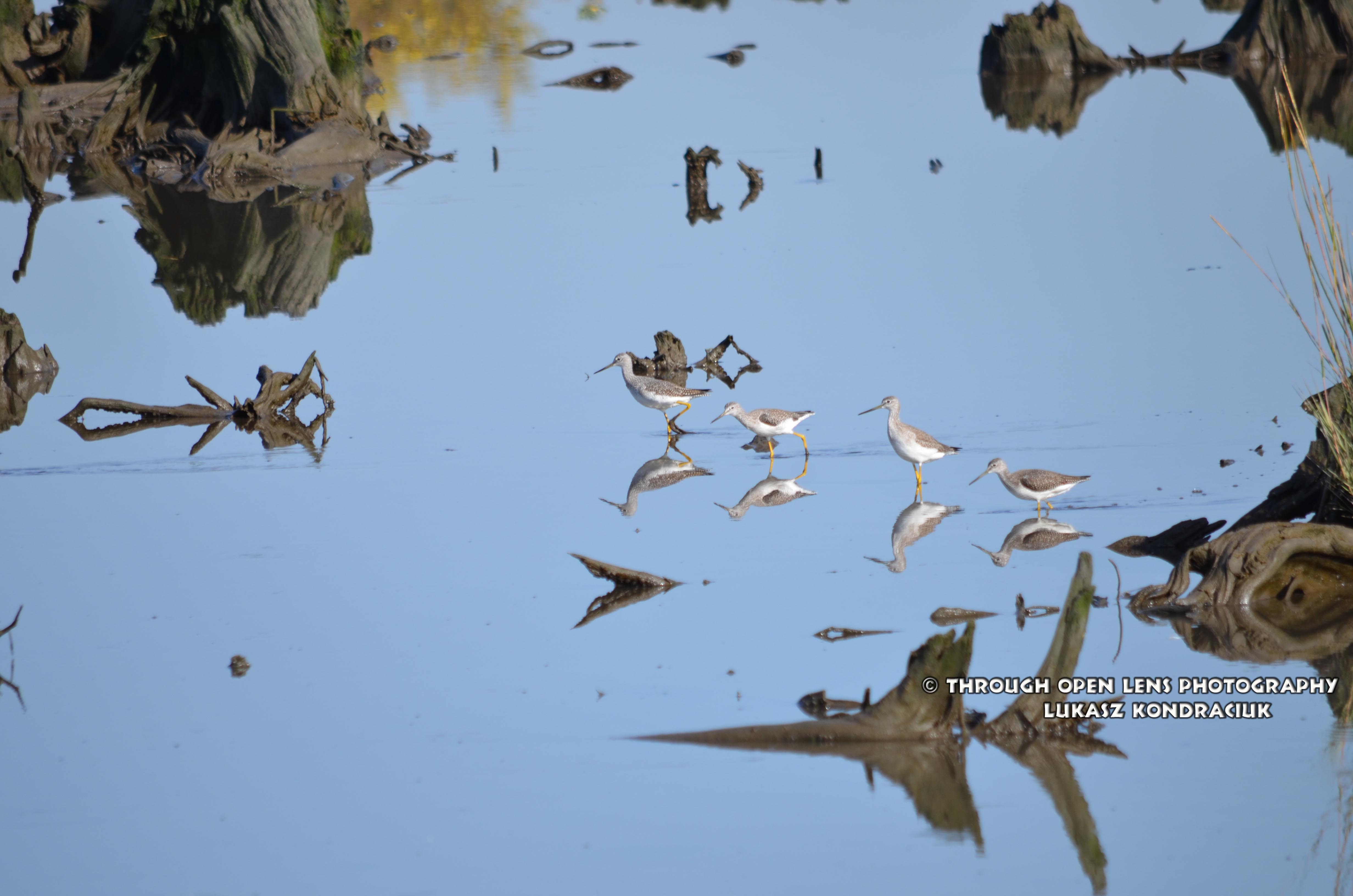
Greater Yellowlegs

F/6.3, 1/640, ISO200.

It is quite entertaining to watch Greater Yellowlegs run after their prey. Those amazing birds made it look so easy, but I recommend no to try this at home, running and eating did not work out well for me. ( Ha Ha )

Interesting Fact:  Greater Yellowlegs mainly eat insects and insect larvae during the breeding season. During winter and migration, small fish, crustaceans, snails, and other aquatic animals round out the diet. (  http://naturemappingfoundation.org/natmap/facts/greater_yellowlegs_712.html  )

Red Tail Goalie

red tailed hawk

F/7.1, 1/800, ISO 200.

With the 2014 FIFA World Cup coming, every one is getting excited, even the Red Tail Hawk came down to take a closer look at a little league soccer game. The hawk liked the soccer game so much, he stayed around to play as a goalie. But since he wasn’t playing fair and the kids were scared of him, the referee gave him a red card and tossed him out of the game.

red tailed hawk1

F/5.6, 1/500, ISO 200.

Interesting Fact: These birds of prey are also known as buzzard hawks and red hawks. By any name, they are keen-eyed and efficient hunters. Red-tails prefer open areas, such as fields or deserts, with high perching places nearby from which they can watch for prey. But these birds are adaptable and also dwell in mountains and tropical rain forests. Hawks have even embraced human habitats. They often perch on telephone poles and take advantage of the open spaces along the roadside to spot and seize mice, ground squirrels, rabbits, reptiles, or other prey. ( http://animals.nationalgeographic.com/animals/birds/red-tailed-hawk/ )

I found the Easter Bunny!

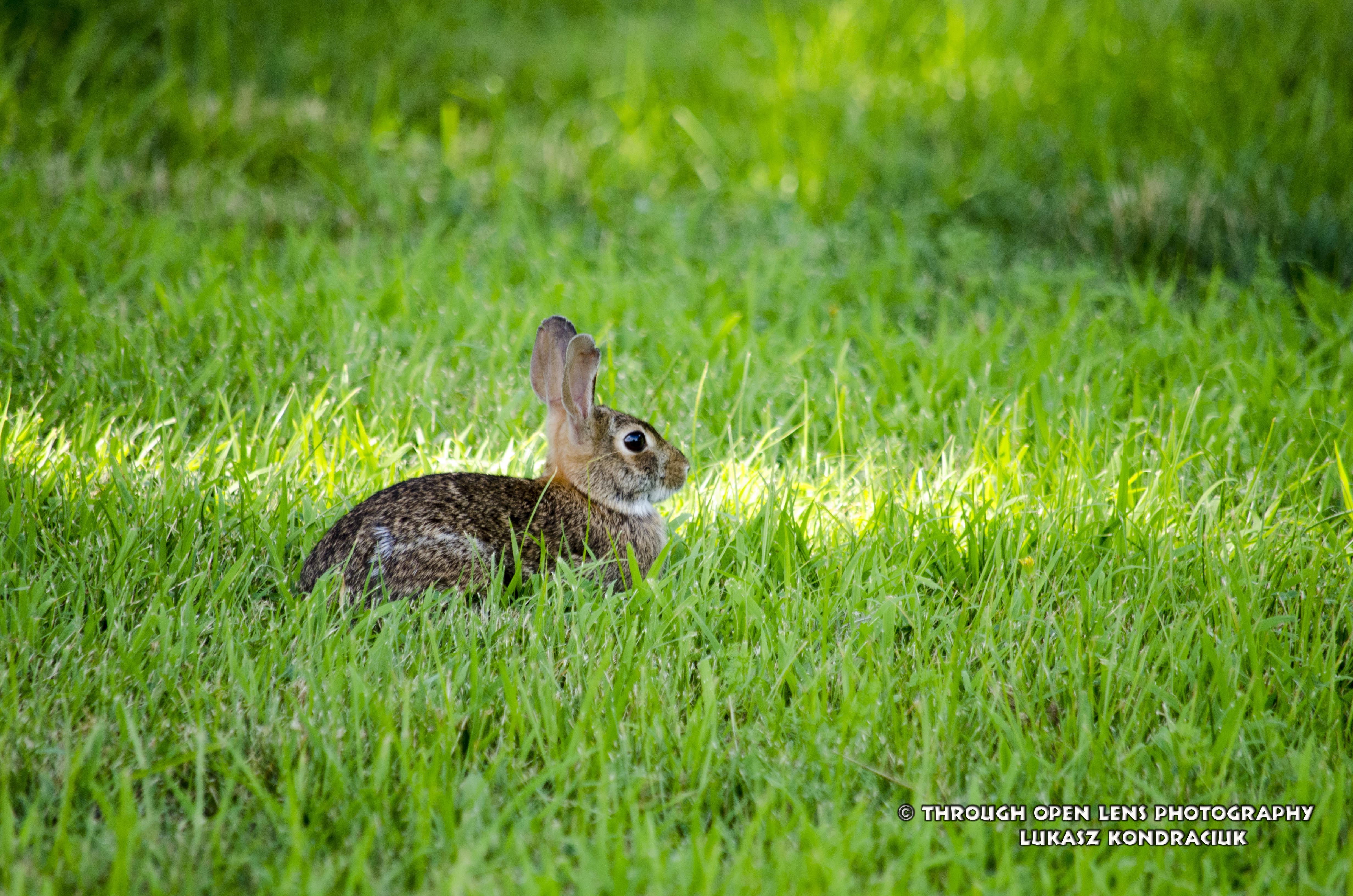
Bunny

f/5.6, 1/320, ISO 1000.

Found the Easter Bunny, he has been hiding in Lyndhurst NJ. Except he wasn’t leaving Easter eggs (ha ha).

Cottontail Rabbit

Interesting Fact: Cottontail Rabbits seek out habitats on the fringes of open spaces, such as fields, meadows, and farms, but can adapt to other habitats—including those of humans. http://animals.nationalgeographic.com

PARTY ANIMAL!

Sea Lion

F/5.6, 1/500, ISO 250.

Over the last weekend we visited New York Aquarium in Brooklyn.  This fun loving California Sea Lion preformed quite a show. Brooklyn aquarium reopened recently, after recovering from last year’s storm. Although it’s not 100% functional, but it is fun way to spend a day.

Sea lion fish

F/5.6, 1/500, ISO 250.


Interesting Fact: “California sea lions may hunt continuously for up to 30 hours, with each dive lasting three to five minutes.” http://animals.nationalgeographic.com

If the groundhog didn’t see his shadow, we would be enjoying nice weather on the east coast.

Groundhog


This little guy was very curious of what I was doing in his park. He would follow my movements and pop his head out in few different holes.  Secaucus, NJ

Interesting Fact: Their burrows are more than just holes in the ground. They can consist of nearly 50 feet of tunnels, buried five feet underground, with multiple exits in case the animals need to escape from predators. Groundhogs will sleep in their burrows, raise their young there, and hibernate through the winter.


F/5.6, 1/160, ISO 125.

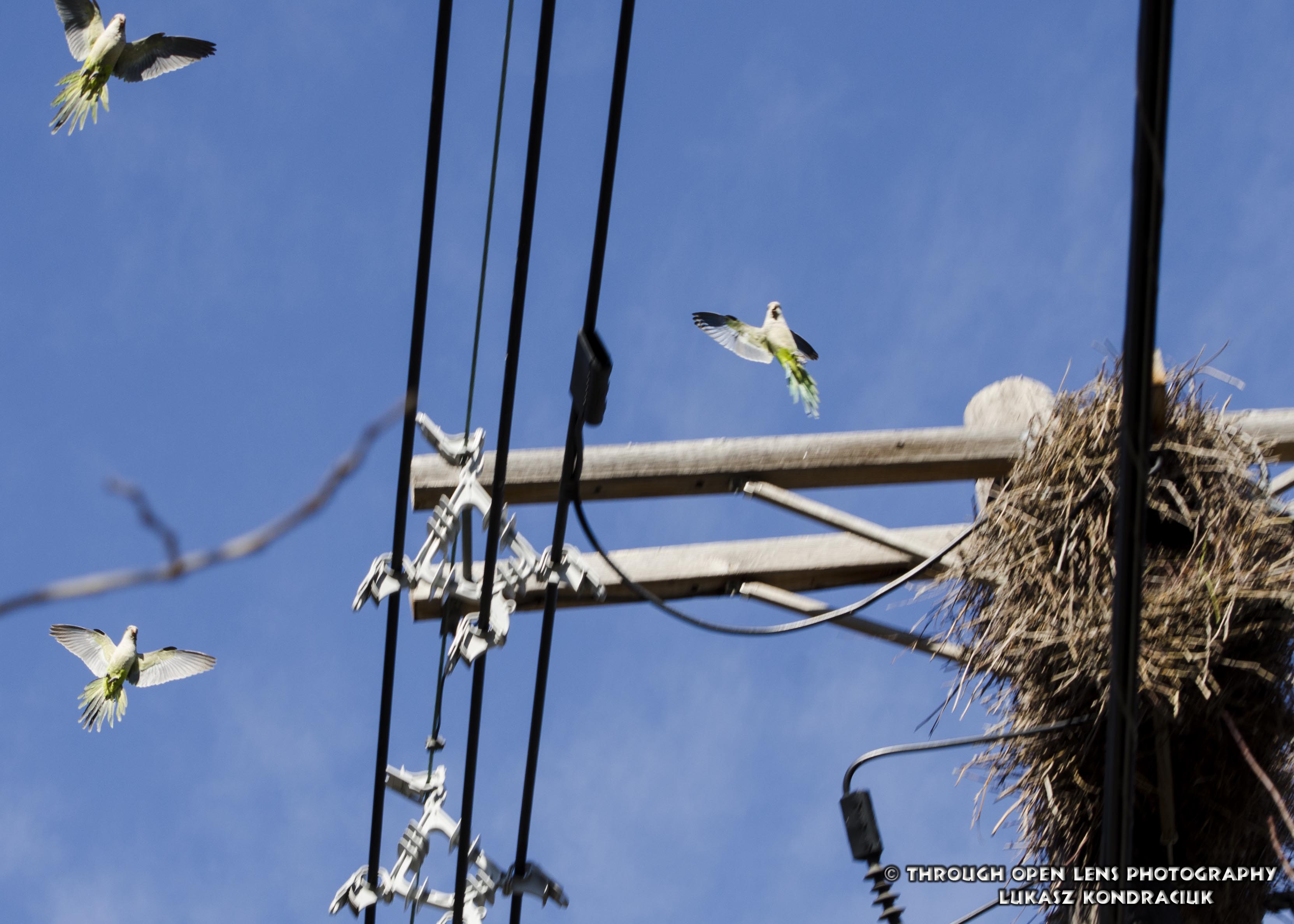
Monk Parakeets in Edgewater, NJ

Monk Parakeets

Monk Parakeets

I wasn’t sure if it was true but its, Edgewater, NJ  is the home of a free-flying colony of Monk Parakeets.

Interesting Fact: These small, green parrots have lived in Edgewater since at least 1980. How the birds came to Edgewater is unknown, though a widely accepted story traces their origin to an escape from a damaged crate at John F. Kennedy Airport in the 1960s.

First Photo: F/5.6, 1/100, ISO 400

Second Photo: F/8.0, 1/250, ISO 250