My Name Is Zorro!

Cedar Waxwing

F/6.3, 1/250, ISO 1600.

Cedar Waxwing

Day 160 / 365

“I hear trouble over there it’s time to fly”.

Interesting Fact: Because they eat so much fruit, Cedar Waxwings occasionally become intoxicated or even die when they run across overripe berries that have started to ferment and produce alcohol. The name “waxwing” comes from the waxy red secretions found on the tips of the secondaries of some birds. The exact function of these tips is not known, but they may help attract mates. ( http://www.allaboutbirds.org/guide/Cedar_Waxwing/lifehistory )

This Is The Moment In Your Life, That You Can’t Stop Smiling At A Pineapple

pineapple

F/4.5, 1/60, ISO 100.

Day 159 / 365

Why did the pineapple stop in the middle of the road?
Because he ran out of juice

Interesting Fact: The word ‘pineapple’ was recorded in 1398 to describe ‘pine cones’. It was not until 1694 that pine cones were first called pine cones. On arrival to the Americas, European explorers called the tropical fruit pineapples around 1664 because they resembled the pine cone. ( http://www.sciencekids.co.nz/sciencefacts/food/pineapples.html )

Who’s That Meowing In The Tree?

Gray Catbird

F/6.3, 1/1000, ISO 560.

Gray Catbird

Day 158 / 365

I thought there was a kitty cat stuck in the tree, but that bird definitely tricked me.     🙂

Interesting Fact: Their calls include the catlike meow call that gives them their name. Gray Catbirds are able to recognize their own eggs making them less susceptible to brood parasites such as the Brown-headed Cowbird.( http://identify.whatbird.com/obj/557/overview/Gray_Catbird.aspx )

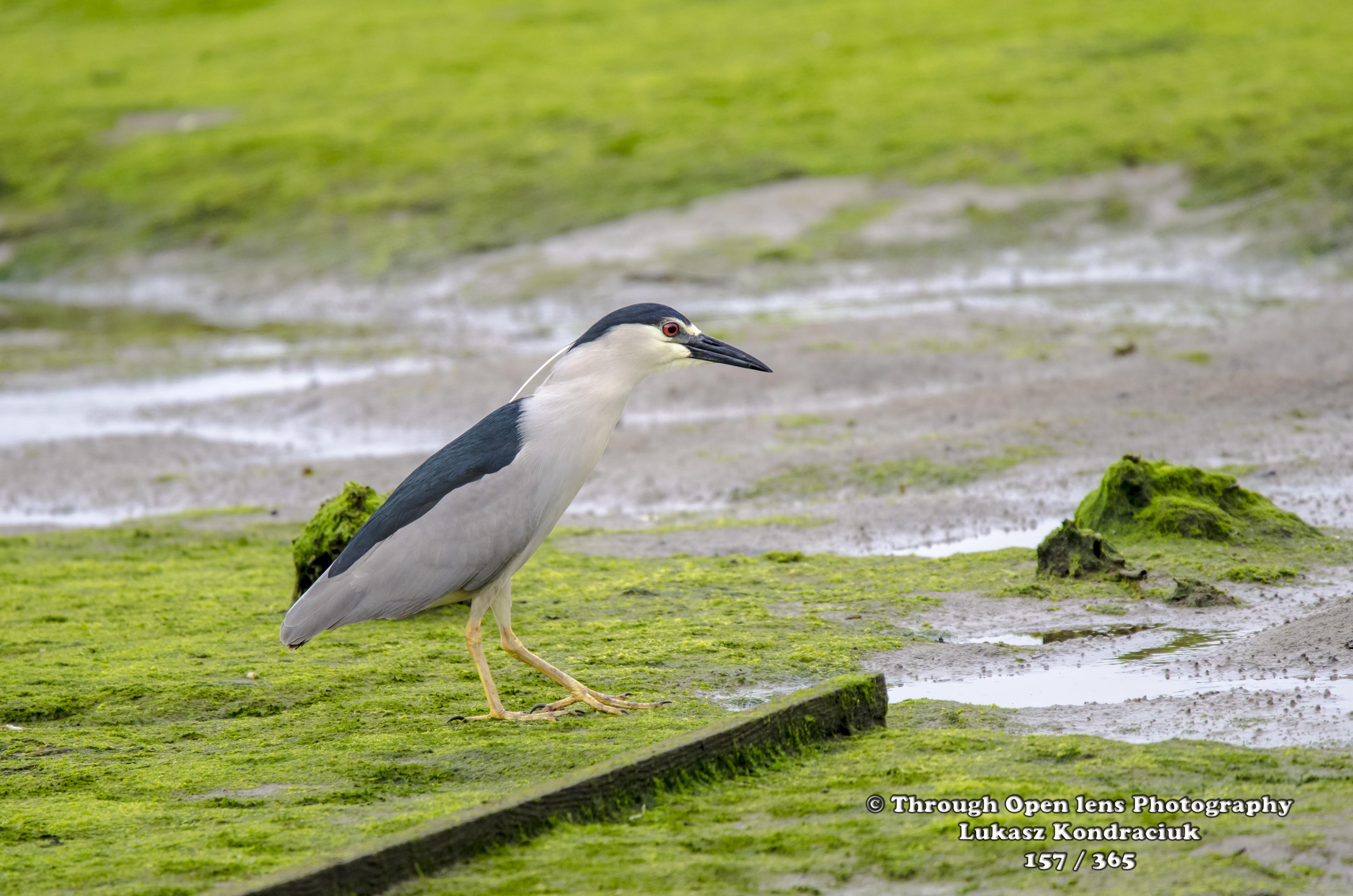
Hey! Where did the water go?

Black-crowned Night-Heron

F/6.3, 1/800, ISO 800.

Black-crowned Night-Heron

Day 157 / 365

Why did the heron cross the road?
To prove he wasn’t chicken.

Interesting Fact: The Black-crowned Night-Heron is a patient hunter. It will often stand still and just wait for a frog or other small animals to pass by. They may also hunt by vibrating their bills in the water to lure prey into investigating the disturbance.  ( http://identify.whatbird.com/obj/24/overview/Black-crowned_Night-Heron.aspx )

New Yoga Pose?

Killdeer

F/6.3, 1/1000, ISO 720.

Killdeer

Day 156 / 365

At first I thought she was doing yoga, and I was going to join in. Then I notice she might have a broken wing, but all of it was just an act. Very convincing broken-wing act, I would give her an Oscar for outstanding performance.

Interesting Fact: Killdeer exhibit a clever “broken wing display” in which they appear to be struggling with a broken wing while leading the predator away from their babies. ( http://identify.whatbird.com/obj/101/overview/Killdeer.aspx )


Come Fly With Me, Let’s Fly, Let’s Fly Away

Great Egret 1

F/6.3, 1/500, ISO 1400.

Great Egret

Day 155 / 365

What kind of bird can carry the most weight?
The crane

Interesting Fact: Though it mainly hunts while wading, the Great Egret occasionally swims to capture prey or hovers (somewhat laboriously) over the water and dips for fish. ( http://www.allaboutbirds.org/guide/Great_Egret/lifehistory )

GO! It’s Your Turn!

monopoly

F/6.3, 1/60, ISO 100.

Day 154 / 365

Nobody ever reads the rules for Monopoly except when an argument breaks out.  🙂

Interesting Fact: Charles Darrow was from Philadelphia, and he first developed the Monopoly game in 1933.  The first pieces were made from materials from Darrow’s home.  A piece of oilcloth covered the board, the cards were handwritten, and the houses and hotels were made from wooden scraps.  The shiny pieces were inspired by Darrow’s nieces.  The first Monopoly die-cast tokens were metal charms from the girls’ charm bracelets. ( http://abcnews.go.com/Lifestyle/25-facts-monopoly-80-years/story?id=28405806 )

See The World Through My Eyes

eye lenses

F/16.0, 1/60, ISO 100.

Day 153 / 365

These are the lenses the doctor prescribed to me.  Now, let me show you the world!   🙂

Interesting Fact: The invention of the camera in the early 19th century has led to a large array of lens designs intended for photography. The problems of photographic lens design, creating a lens for a task that would cover a large flat image plane, were well known even before the invention of photography[1] due to the development of lenses to work with the focal plane of the camera obscura, a device for projecting images used as a novelty and an artist’s drawing aid that had been around for hundreds of years. Since the invention of photography many types of lenses have been tried. The succession of designs was never uniform since an older design that performed a task the photographer needed (such as working better portrait versus landscape, working at the wavelength of light the film collected, etc.) would still be used in unison with newer designs. Even today the job the lens needs to do, the laws of physics, the limits of engineering, as well as the practical considerations of size, weight and cost, means there are many designs available. ( http://en.wikipedia.org/wiki/History_of_photographic_lens_design )

What Do Swallows Swallow?

Barn Swallow

F/6.3, 1/250, ISO 1600.

Barn Swallow

Day 152 / 365

What bird is helpful at dinner?
A swallow!

Interesting Fact: An unmated male Barn Swallow may kill the nestlings of a nesting pair. His actions often succeed in breaking up the pair and afford him the opportunity to mate with the female. ( http://www.allaboutbirds.org/guide/Barn_Swallow/lifehistory )


Do You Feel The Rain Or Do You Just Get Wet!

motorcycle in rain

F/6.3, 1/5, ISO 100.

Day 151 / 365

What goes up when the rain comes down?
An Umbrella.

Interesting Fact: Raindrops fall at a speed of 7 to 18 mph. In wind, they might fall much faster. ( http://easyscienceforkids.com/all-about-rain/ )