Keep On Shoveling!

Northern Shoveler

F/6.3, 1/1000, ISO 640.

Northern Shoveler

Day 82 /365

His shoveling skills, would come in very handy during all these snow storms we had.

Interesting Fact: They are often referred to as the “Spoonbill” or “Spoony” because of their unique spatulate shaped bill, which has about 110 fine projections (called lamellae) along the edges, for straining food from water.  ( http://identify.whatbird.com/obj/97/overview/Northern_Shoveler.aspx )

Frozen!

great blue heron

F/6.3, 1/320, ISO 400.

Day 17 / 365

I feel bad for this heron, the lake is frozen. Imagine your refrigerator is empty and all the stores are closed.  😦

Interesting Fact:  Great blue herons have been known to choke to death by attempting to swallow fish too large for their long, S-shaped necks.  (  http://animals.nationalgeographic.com/animals/birds/great-blue-heron/ )

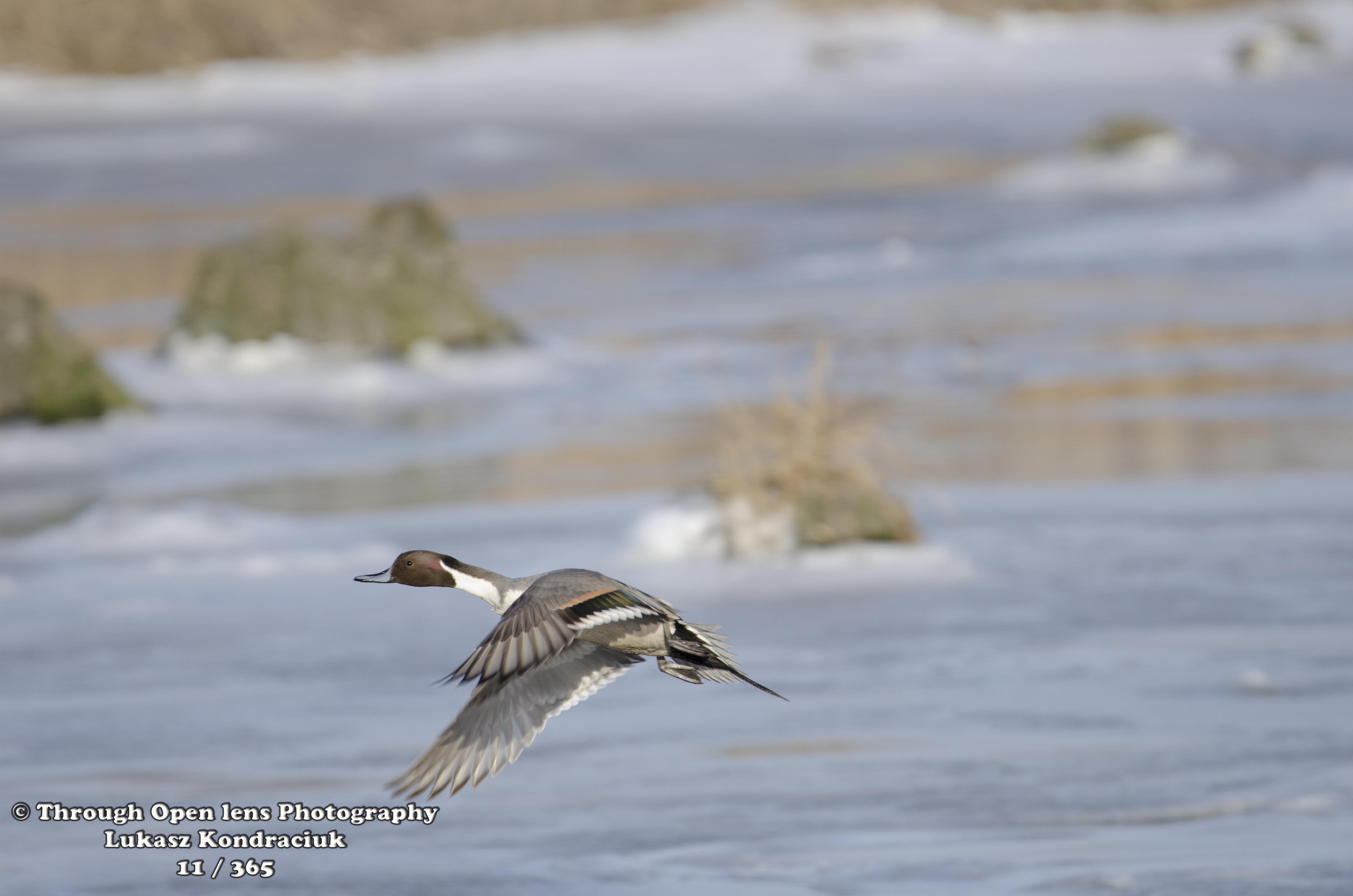
Up Up And Away!

Northern Pintail

F/6.3, 1/500, ISO 250.

Northern Pintail Duck

Day 11 / 365

Sometimes I just want to fly away, but it is not that easy and the airports are too crowded.  🙂

Interesting Fact:  The male Pintail ‘s call is a soft proop-proop whistle, similar to that of the Common Teal, whereas the female has a Mallard-like descending quack, and a low croak when flushed.  (  http://www.withmephotographyblog.com/11-interesting-facts-about-the-northern-pintail  )

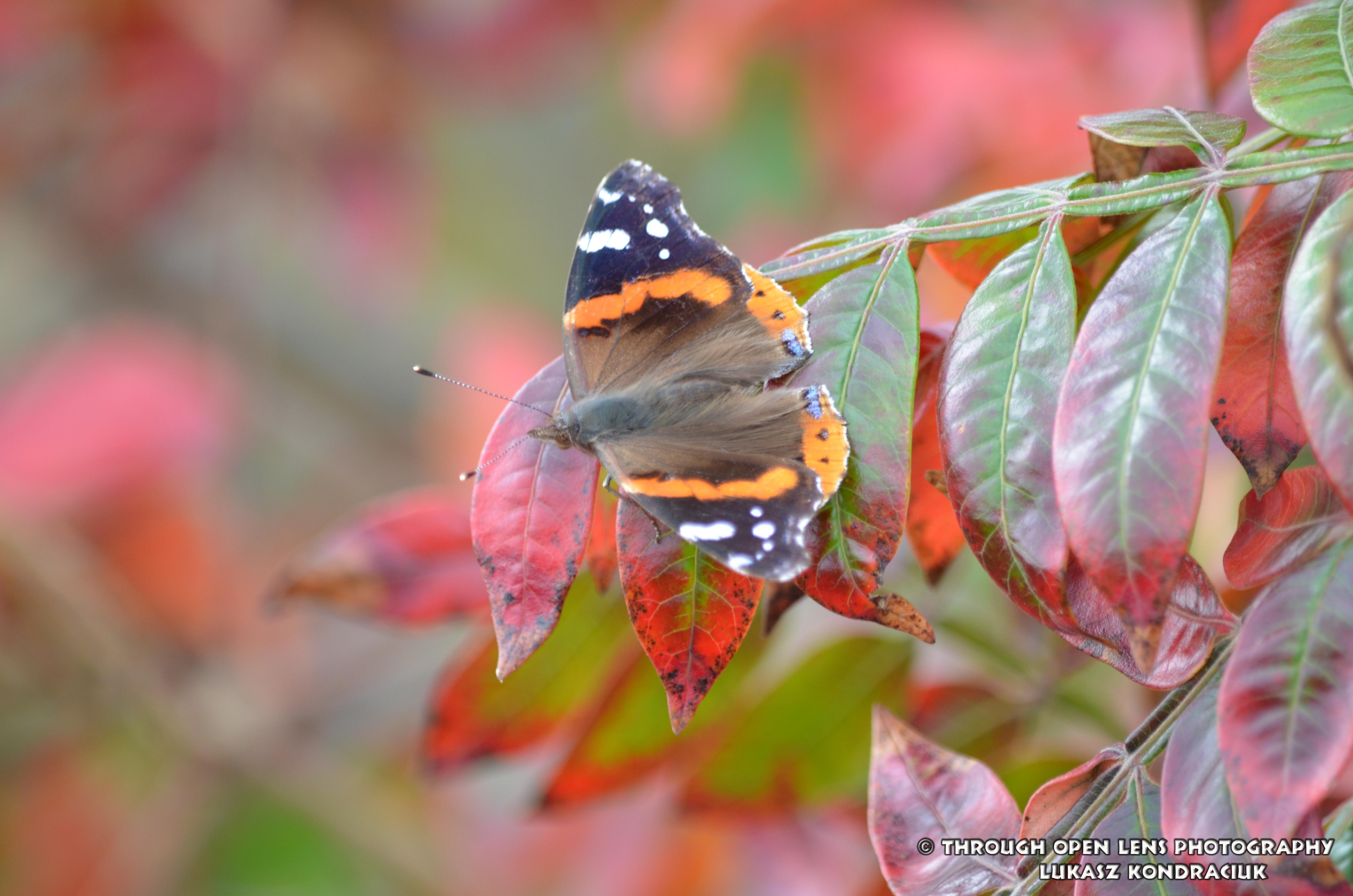
Fall “O” Me Through This Season !

butterfly

F/6.3, 1/125, ISO 400.


I am not ready for the summer to end, but since this butterfly is not giving up on the season changing, I shall do the same.

Interesting Fact: One of the visible signs of fall is the changing color of the leaves. This happens because photosynthesis stops during this period so leaves do not stay green.  ( http://www.parkrideflyusa.com/blog/2012/09/21/12-fun-facts-about-fall/ )

The Sun Don’t Shine Forever, But As Long As It’s Here Then We Might As Well Shine Together

sunflower sunset

F/9.0, 1/320, ISO 100, Flash.

Maybe this sunflower lost all its pedals, but the sun in this photo made it in to the real sun flower.

Interesting Fact: A well-known sunflower characteristic is that the flowering heads track the sun’s movement, a phenomenon known as heliotropism. ( http://www.amazingandweird.com/facts/26-interesting-facts-sunflower-never-knew/ )

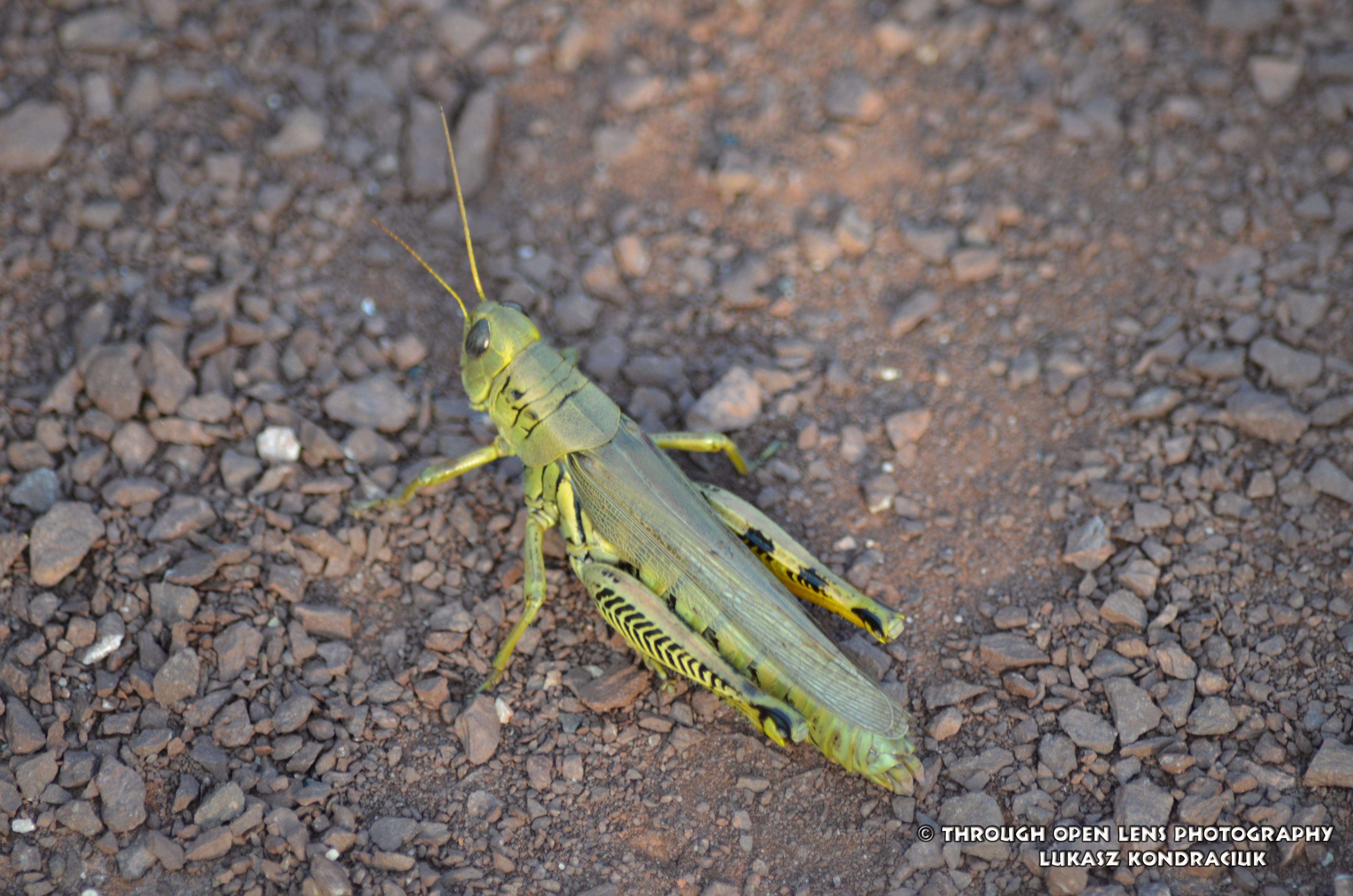
I Said A Hip Hop, Hippie To The Hippie, The hip, hip a hop, and you don’t stop, a rock it.

green grasshopper

F/5.6, 1/250, ISO 640.

For this photo I would like to use quotes from famous Kung Fu (TV Series) (1972)  ( http://www.imdb.com/title/tt0068823/quotes )

Master Po: [after easily defeating the boy in combat] Ha, ha, never assume because a man has no eyes he cannot see. Close your eyes. What do you hear?

Young Caine: I hear the water, I hear the birds.

Master Po: Do you hear your own heartbeat?

Young Caine: No.

Master Po: Do you hear the grasshopper that is at your feet?

Young Caine: [looking down and seeing the insect] Old man, how is it that you hear these things?

Master Po: Young man, how is it that you do not?


On my journey of exploring new places, I didn’t hear a grasshopper at my feet, but I did manage to snap a photo of it. I think Master Po would be proud of me.

Interesting Fact: They make their sound (music) by rubbing their
wings or legs together. They can jump 20 times the length of their body. That would be like a 6′ man jumping 120 feet. There are over 18,000 different species worldwide. ( http://www.bugfacts.net/grasshopper.php )

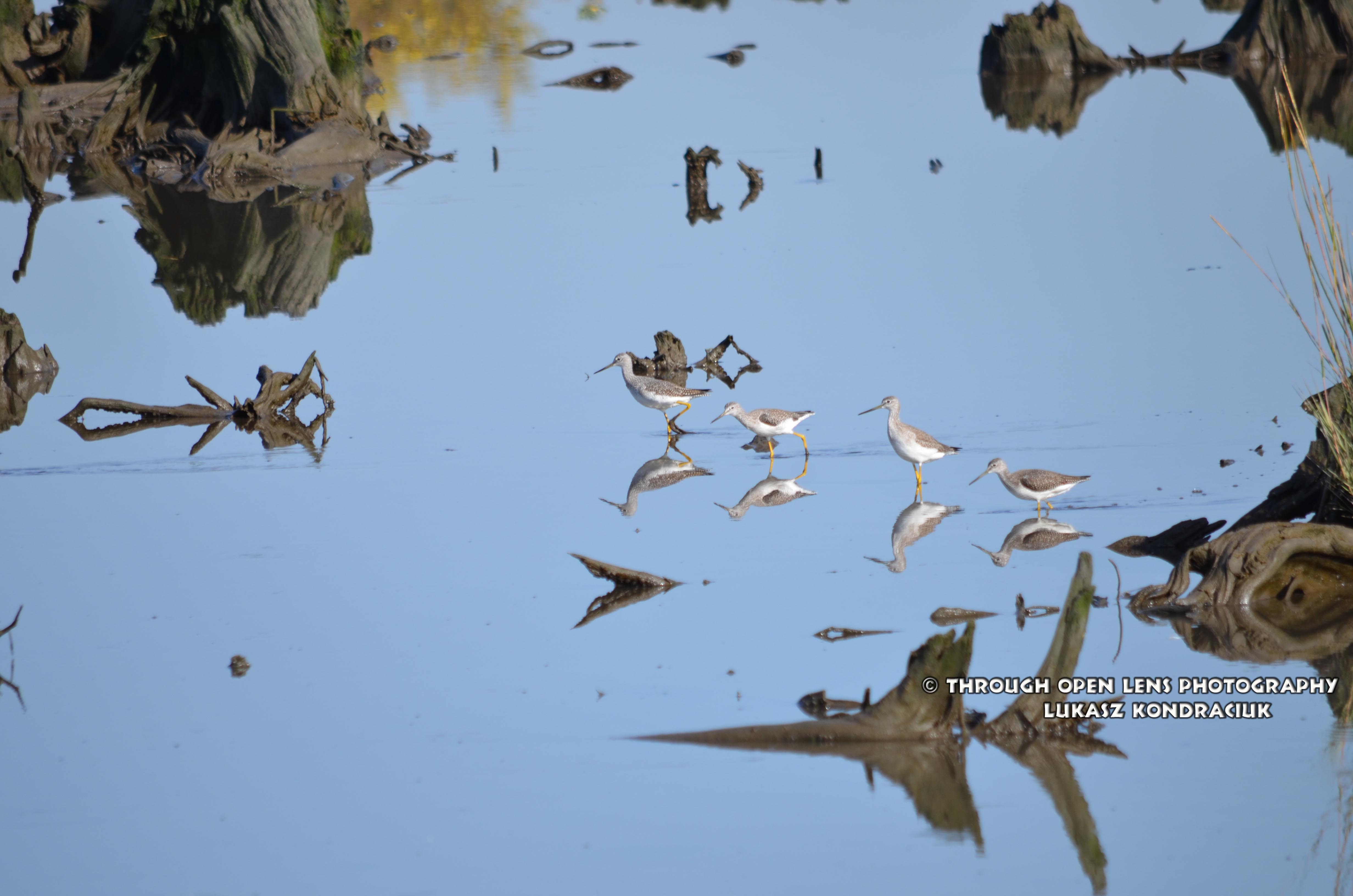
They Bring Fast Food To A Whole New Level.


Greater Yellowlegs

F/6.3, 1/640, ISO200.

It is quite entertaining to watch Greater Yellowlegs run after their prey. Those amazing birds made it look so easy, but I recommend no to try this at home, running and eating did not work out well for me. ( Ha Ha )

Interesting Fact:  Greater Yellowlegs mainly eat insects and insect larvae during the breeding season. During winter and migration, small fish, crustaceans, snails, and other aquatic animals round out the diet. (  http://naturemappingfoundation.org/natmap/facts/greater_yellowlegs_712.html  )

If the groundhog didn’t see his shadow, we would be enjoying nice weather on the east coast.

Groundhog


This little guy was very curious of what I was doing in his park. He would follow my movements and pop his head out in few different holes.  Secaucus, NJ

Interesting Fact: Their burrows are more than just holes in the ground. They can consist of nearly 50 feet of tunnels, buried five feet underground, with multiple exits in case the animals need to escape from predators. Groundhogs will sleep in their burrows, raise their young there, and hibernate through the winter.


F/5.6, 1/160, ISO 125.