Everyday They’re Out There Making DuckTales! Woo-oo!


Ruddy Duck

F/6.3, 1/1000, ISO 800.

Juvenile Ruddy Ducks

Day 187 / 365

Three ducks are in a pond.
One went “Quack quack!”
And the other duck said “Thats funny I was just about to say that!”

Interesting Fact: Ruddy Ducks lay big, white, pebbly-textured eggs—the largest of all duck eggs relative to body size. Energetically expensive to produce, the eggs hatch into well-developed ducklings that require only a short period of care. ( http://www.allaboutbirds.org/guide/Ruddy_Duck/lifehistory )

I Will Not Run From This Dragon… fly.

dragonfly

F/6.3, 1/800, ISO 800.

Dragonfly

Day 172 / 365

To All The Dads In The World, Happy Father’s Day!

Why was the knight afraid of the bug?

Because it was a dragonfly!

Interesting Fact: Dragonflies were some of the first winged insects to evolve, some 300 million years ago. Modern dragonflies have wingspans of only two to five inches, but fossil dragonflies have been found with wingspans of up to two feet. ( http://www.smithsonianmag.com/science-nature/14-fun-facts-about-dragonflies-96882693/ )

How Many Can I Fit In My Mouth?

Brewer's Blackbird

F/6.3, 1/640, ISO 800.

Common Grackle             

Day 170 /365

Where does a blackbird go for a drink?

To a crow bar.

Interesting Fact: In winter, Common Grackles forage and roost in large communal flocks with several different species of blackbird. Sometimes these flocks can number in the millions of individuals. (  https://www.allaboutbirds.org/guide/Common_Grackle/lifehistory )

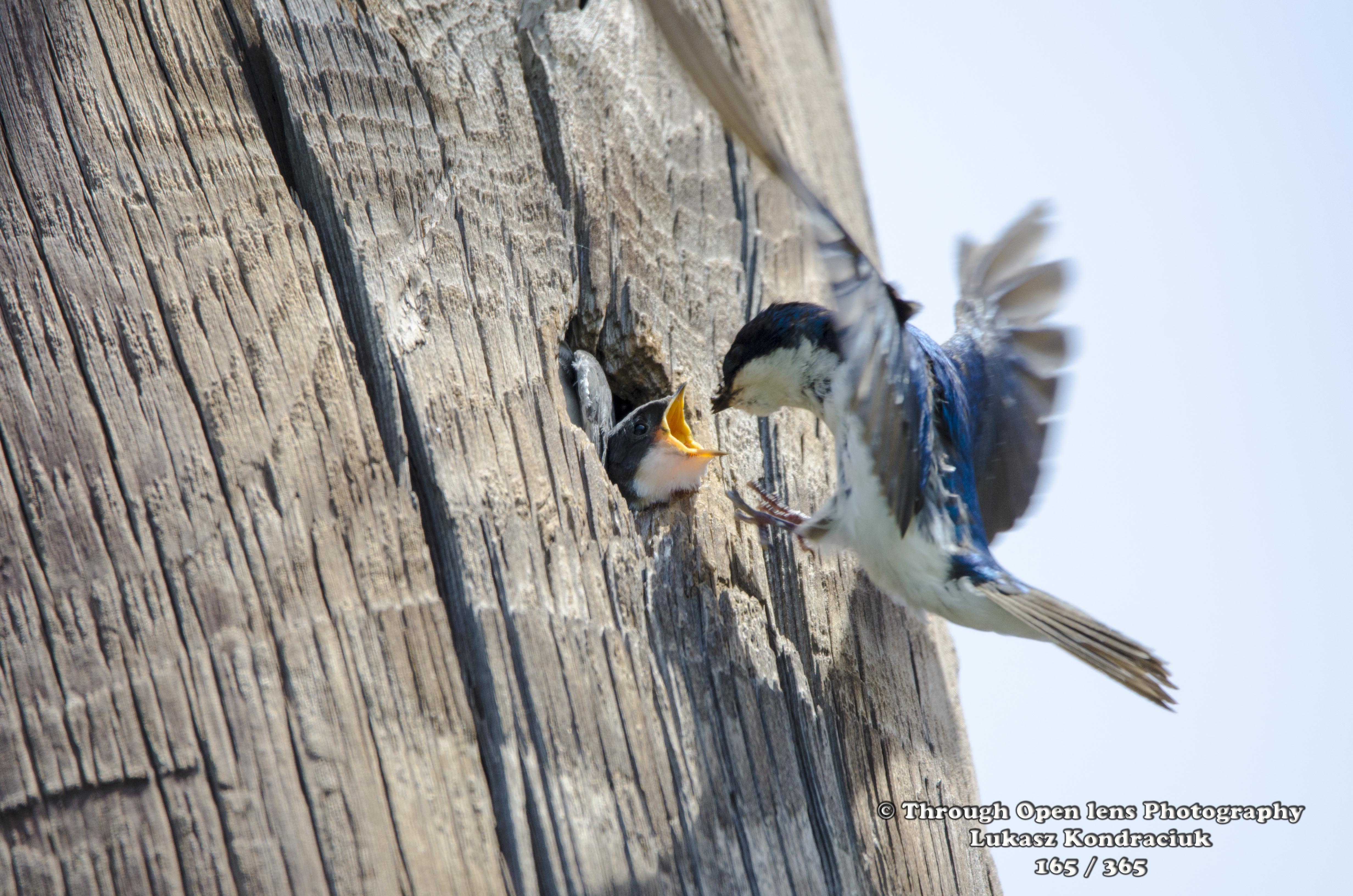
Feed Me Seymour! Feed Me!

Tree Swallow

F/6.3, 1/1000, ISO 450.

Tree Swallow

Day 165 / 365

What did the little bird say to the big bird?

Peck on someone your own size!

Interesting Fact: Tree Swallows winter farther north than any other American swallows and return to their nesting grounds long before other swallows come back. They can eat plant foods as well as their normal insect prey, which helps them survive the cold snaps and wintry weather of early spring. ( http://www.allaboutbirds.org/guide/tree_swallow/lifehistory )

Eat, Sleep, Fish, Repeat!

Snowy Egret 1

F/6.3, 1/1250, ISO 400.

Snowy Egret

Day 164 / 365

Why does the Egret stand on one leg?

Because if it lifts the other leg, it falls.

Interesting Fact: At the end of the nineteenth century, the beautiful plumes of the Snowy Egret were in great demand by market hunters as decorations for women’s hats. In 1886, plumes were valued at $32 per ounce, which was twice the price of gold at the time. They were hunted nearly to extinction before laws were passed to protect them. ( http://identify.whatbird.com/obj/48/_/Snowy_Egret.aspx )


My Name Is Zorro!

Cedar Waxwing

F/6.3, 1/250, ISO 1600.

Cedar Waxwing

Day 160 / 365

“I hear trouble over there it’s time to fly”.

Interesting Fact: Because they eat so much fruit, Cedar Waxwings occasionally become intoxicated or even die when they run across overripe berries that have started to ferment and produce alcohol. The name “waxwing” comes from the waxy red secretions found on the tips of the secondaries of some birds. The exact function of these tips is not known, but they may help attract mates. ( http://www.allaboutbirds.org/guide/Cedar_Waxwing/lifehistory )

New Yoga Pose?

Killdeer

F/6.3, 1/1000, ISO 720.

Killdeer

Day 156 / 365

At first I thought she was doing yoga, and I was going to join in. Then I notice she might have a broken wing, but all of it was just an act. Very convincing broken-wing act, I would give her an Oscar for outstanding performance.

Interesting Fact: Killdeer exhibit a clever “broken wing display” in which they appear to be struggling with a broken wing while leading the predator away from their babies. ( http://identify.whatbird.com/obj/101/overview/Killdeer.aspx )


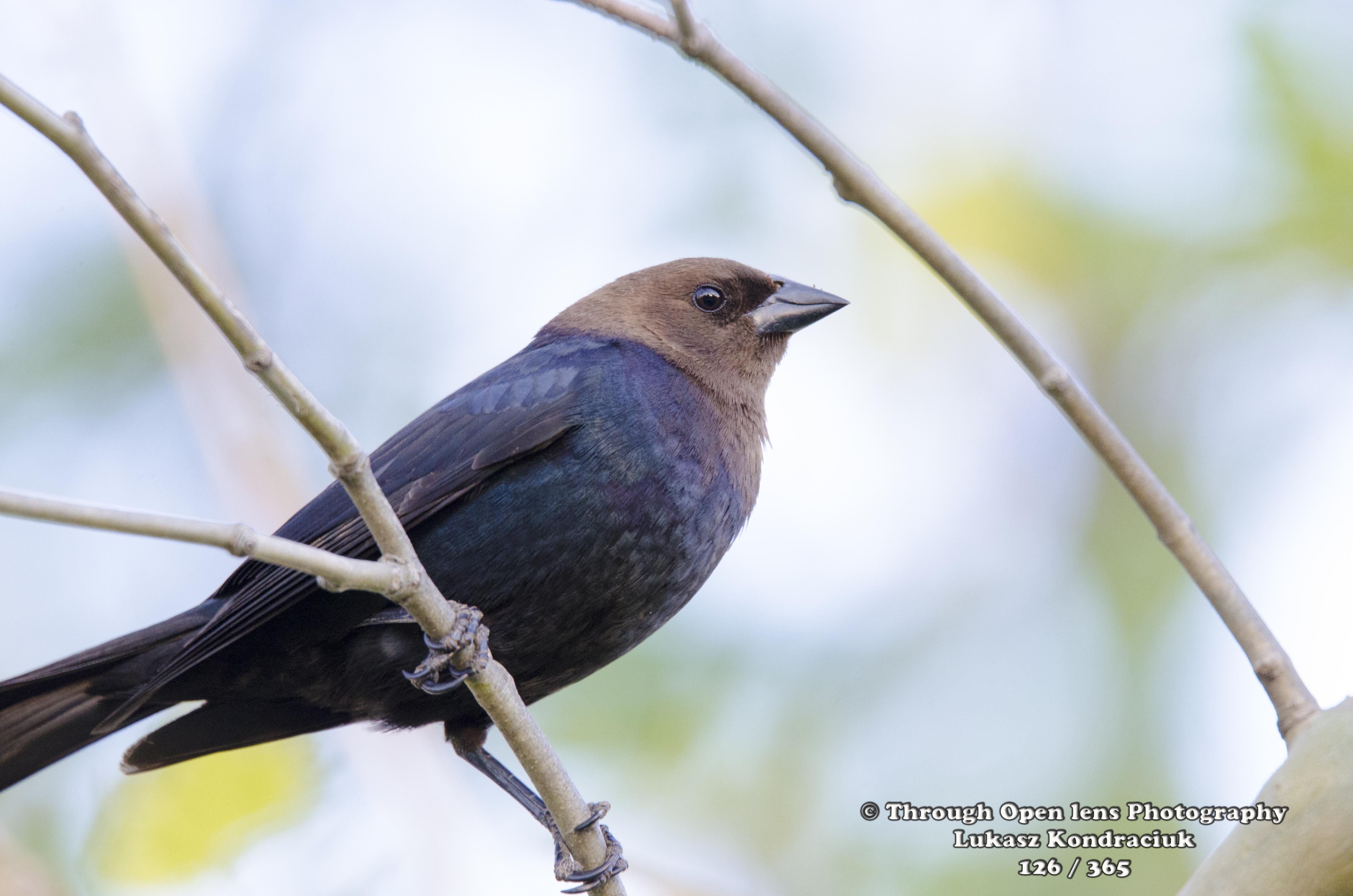
What A Parent!

Brown-headed Cowbird

F/6.3, 1/125, ISO 1600.

Brown-headed Cowbird

Day 126 / 365

That is one bird that doesn’t care about their young ones.

Interesting Fact:  Brown-headed cowbirds are brood parasites. They deposit their eggs in nests belonging to birds of other species. Some of the birds they parasitize remove the eggs from their nests or cover them with new nest material so that they are not incubated. ( http://identify.whatbird.com/obj/107/overview/Brown-headed_Cowbird.aspx )

Finally First Sight Of Spring

Crocus

F/6.0, 1/250, ISO 1600.

Day 95 / 365

Happy Easter Everyone!

Can February March?
No, but April May!

Interesting Fact: Certain species of crocus, such as Crocus Autumnale are poisonous. Besides being dangerous (if consumed), this type of crocus shows the greatest tolerance toward low temperatures. ( http://www.softschools.com/facts/plants/crocus_facts/502/ )

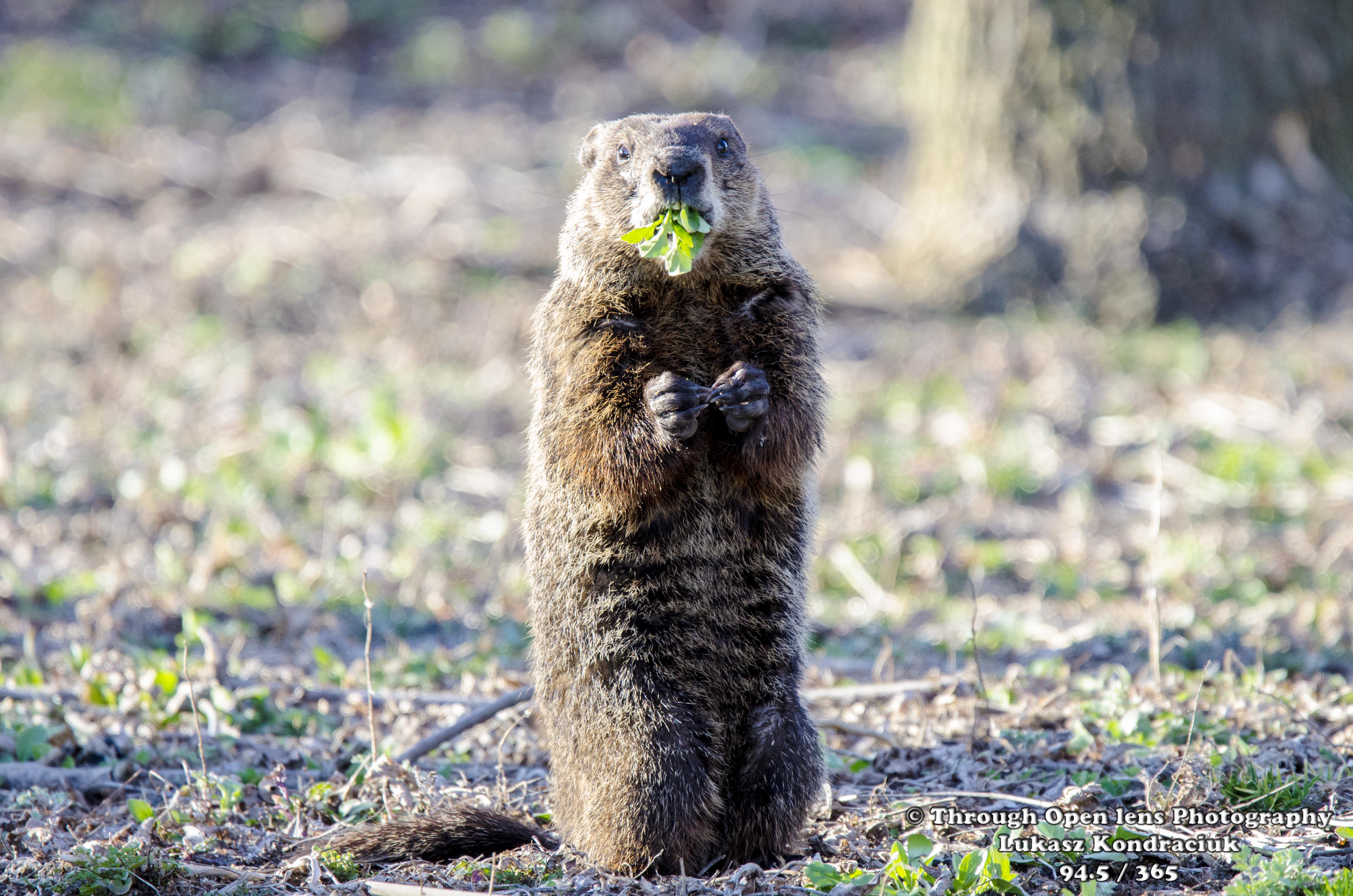
Search For The Easter Bunny

Groundhog

F/6.3, 1/400, ISO 1600.

Groundhog

Day 94 /365

On my search for the Easter Bunny,  I came across Mr. Groundhog who just recently came out of hibernation. While stuffing his face, he pointed me in the right direction.

Interesting Fact: Groundhogs are skilled climbers and swimmers, which helps them to escape less-skilled predators. ( http://www.havahart.com/groundhog-facts )

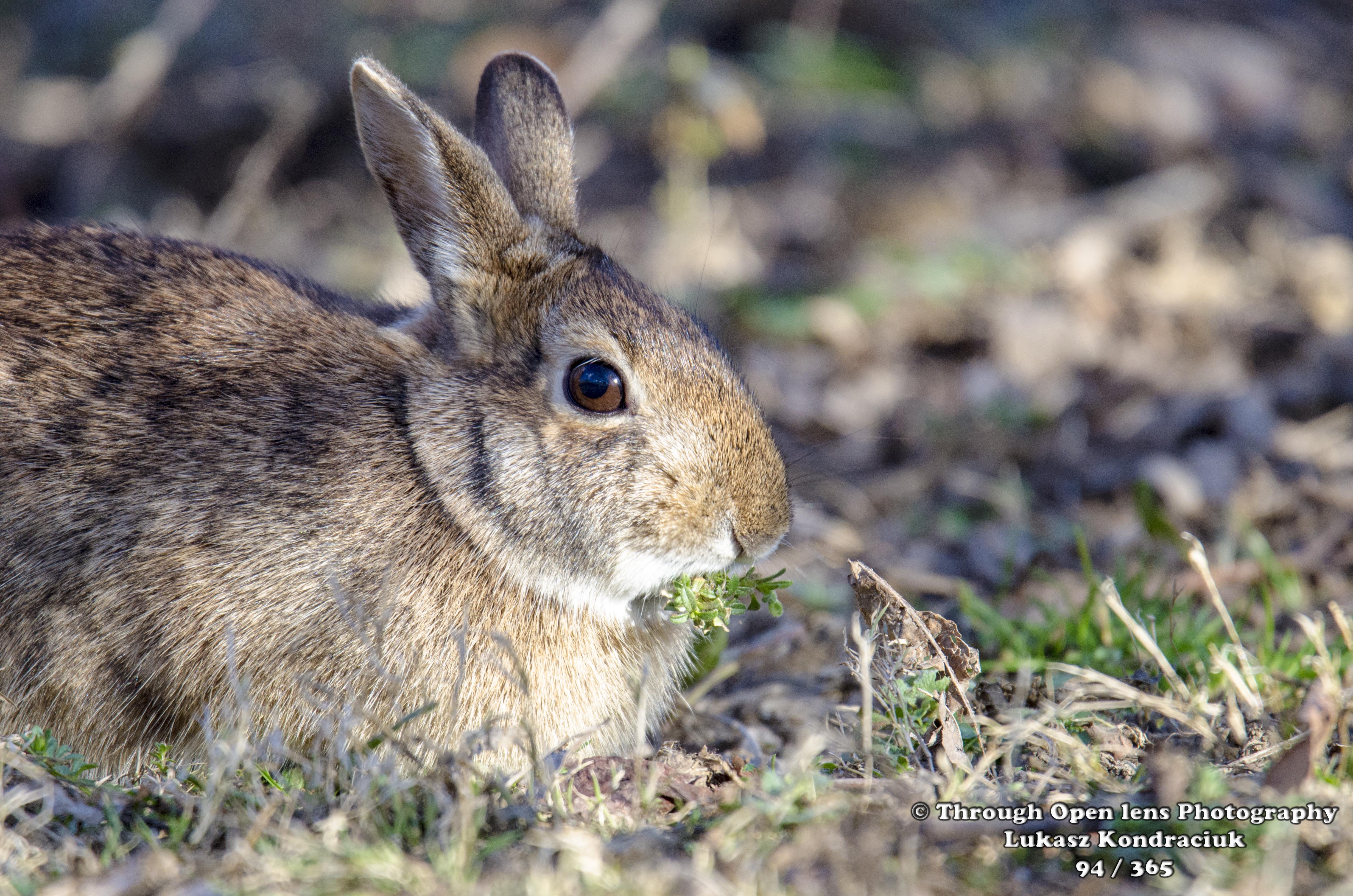
bunny

F/6.3, 1/500, ISO 1000.

Cottontail Rabbit

Finally, I found him.  He was eating to get his strength up for Easter Sunday tomorrow.

Interesting Fact: Cottontail rabbits are almost completely mute animals. They communicate with each other by thumping with their back feet against the ground. ( http://animals.pawnation.com/cottontail-rabbits-1901.html )