Swim At Your Own Risk!

Pied-Billed Grebe Juvenile

F/6.3, 1/640, ISO 6400.

Pied-Billed Grebe ( Juvenile )

Day 286 / 365

What robs you while you’re in the bathtub?

A robber ducky.

Interesting Fact: Pied-billed Grebes can trap water in their feathers, giving them great control over their buoyancy. They can sink deeply or stay just at or below the surface, exposing as much or as little of the body as they wish. The water-trapping ability may also aid in the pursuit of prey by reducing drag in turbulent water. ( http://www.allaboutbirds.org/guide/Pied-billed_Grebe/lifehistory )
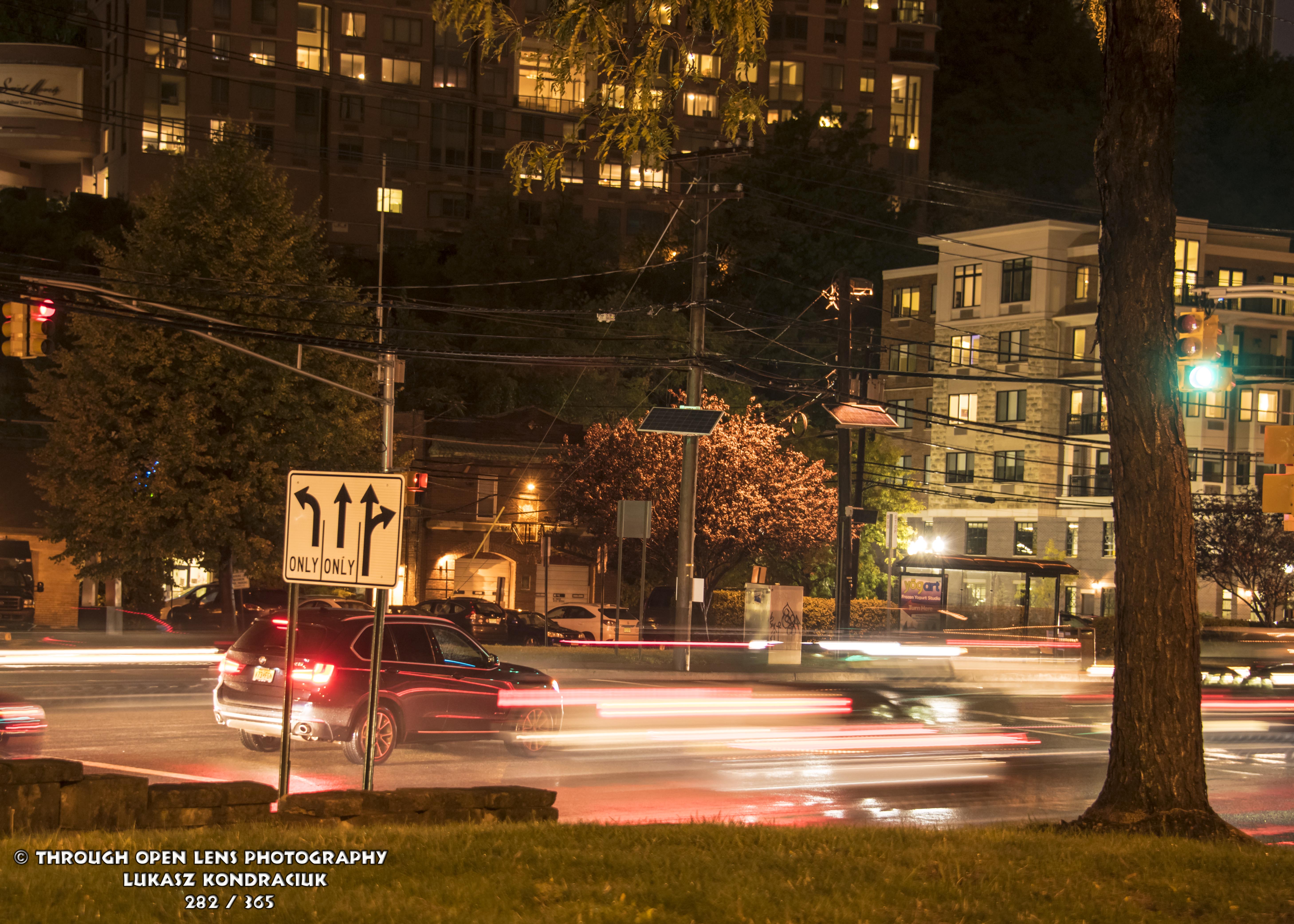
The Best Thing One Can Do When It’s Raining, Is To Let It Rain!

raining night

F/ 4.8, 5.0, ISO 500.

Day 282 / 365

What often falls but never gets hurt?

Rain

Interesting Fact: Rain occurs on other planets in our Solar System but it is different to the rain we experience here on Earth. For example, rain on Venus is made of sulfuric acid and due to the intense heat it evaporates before it even reaches the surface! ( http://www.sciencekids.co.nz/sciencefacts/weather/rain.html )

Wiggle It Just A Little Bit

Palm Warbler

F/6.3, 1/80, ISO 500.

Palm Warbler

Day 281 / 365

A little boy comes in to a pet store.

Little boy : I’d like to buy some bird seed.
Clerk: How many birds do you have?
Little boy : None! I want to grow some!


Interesting Fact: The Palm Warbler can be most easily recognized by the tail-wagging habit that shows off its yellow undertail. ( http://identify.whatbird.com/obj/335/overview/Palm_Warbler.aspx )

Got Wood?

wooden coaster

F/5.3, 1/60, ISO160.

Day 280 / 365

What’s the best way to carve wood?

Whittle by whittle.

Interesting Fact: Wood, in the strict sense, is yielded by trees, which increase in diameter by the formation, between the existing wood and the inner bark, of new woody layers which envelop the entire stem, living branches, and roots. This process is known as secondary growth; it is the result of cell division in the vascular cambium, a lateral meristem, and subsequent expansion of the new cells. Where there are clear seasons, growth can occur in a discrete annual or seasonal pattern, leading to growth rings; these can usually be most clearly seen on the end of a log, but are also visible on the other surfaces. If these seasons are annual these growth rings are referred to as annual rings. Where there is no seasonal difference growth rings are likely to be indistinct or absent. ( https://en.wikipedia.org/wiki/Wood#History )

Why Is It That When You Have The Best Hair Days, It Manages To Rain???

rain

F/5.3, 1/60, ISO 320.

Day 275 / 365

What did the evaporating raindrop say?

I’m going to pieces.

Interesting Fact: The highest amount of rainfall ever recorded in one year is 25.4 meters (1000 inches) in Cherrapunji, India. ( http://www.sciencekids.co.nz/sciencefacts/weather/rain.html )

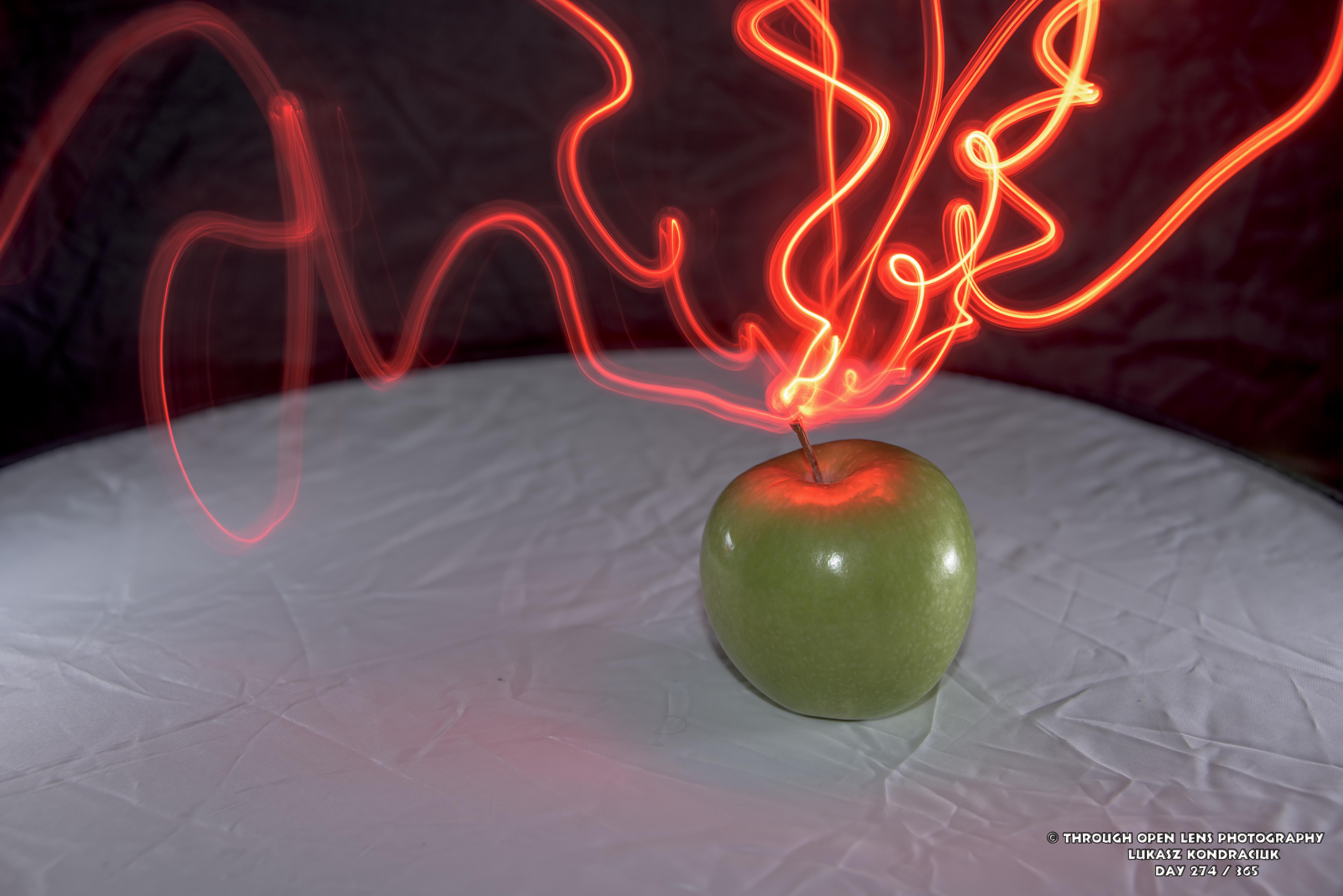
An Apple A Day Keeps The Doctor Away!

apple

F/5.0, 36.0, ISO 64.

Day 274 / 365

How do you make an apple turnover?
Push it down hill.

Interesting Fact: Two-thirds of the fiber and lots of antioxidants in apples are found in the peel. ( http://stylecaster.com/beauty-high/apple-facts/ )


Happy International Coffee Day!

coffee 1

F/ 5.6, 1/60, ISO 200.

Day 272 / 365

A guy walks into a coffee shop and asks the waitress: “How much is the coffee?”
“Coffee is four dollars the waitress says”.
“How much is a refill?” the man asks.
“Free, “says the waitress.
“Then I’ll take a refill!” the man responds.

Interesting Fact: Coffee is the second most traded commodity on earth. According to the Global Exchange, there are approximately 25 million farmers in over 50 countries involved in producing coffee. The number one commodity? Oil. ( http://www.goodhousekeeping.com/health/diet-nutrition/a30303/facts-about-coffee/ )

Super Blood Moon

Blood Moon

F/6.3, 1/250, ISO 500, Photoshop CS6.

Day 270 / 365

How does a man on a moon get his haircut?

Eclipse it.

Interesting Fact: There is a total eclipse of the moon on the night of September 27-28, 2015. It happens to be the closest supermoon of 2015. It’s the Northern Hemisphere’s Harvest Moon, or full moon nearest the September equinox. It’s the Southern Hemisphere’s first full moon of spring. This September full moon is also called a Blood Moon, because it presents the fourth and final eclipse of a lunar tetrad: four straight total eclipses of the moon, spaced at six lunar months (full moons) apart. Phew! ( http://earthsky.org/tonight/total-lunar-eclipse-blood-moon-hunters-moon-september-27-28-2015 )


Brotherly Love

brotherly love

F/5.6, 1/60, ISO 400.

Day 269 / 365

What did the beach say to the wave?…

“Long tide, no sea.”

Interesting Fact: Most beaches are found on the coast, where wave action, currents, tides and seawater rises continuously rework and shape the sediment. As a result, beaches are usually regarded as dynamic, natural phenomenon.  ( http://www.sciencekids.co.nz/sciencefacts/earth/beaches.html )


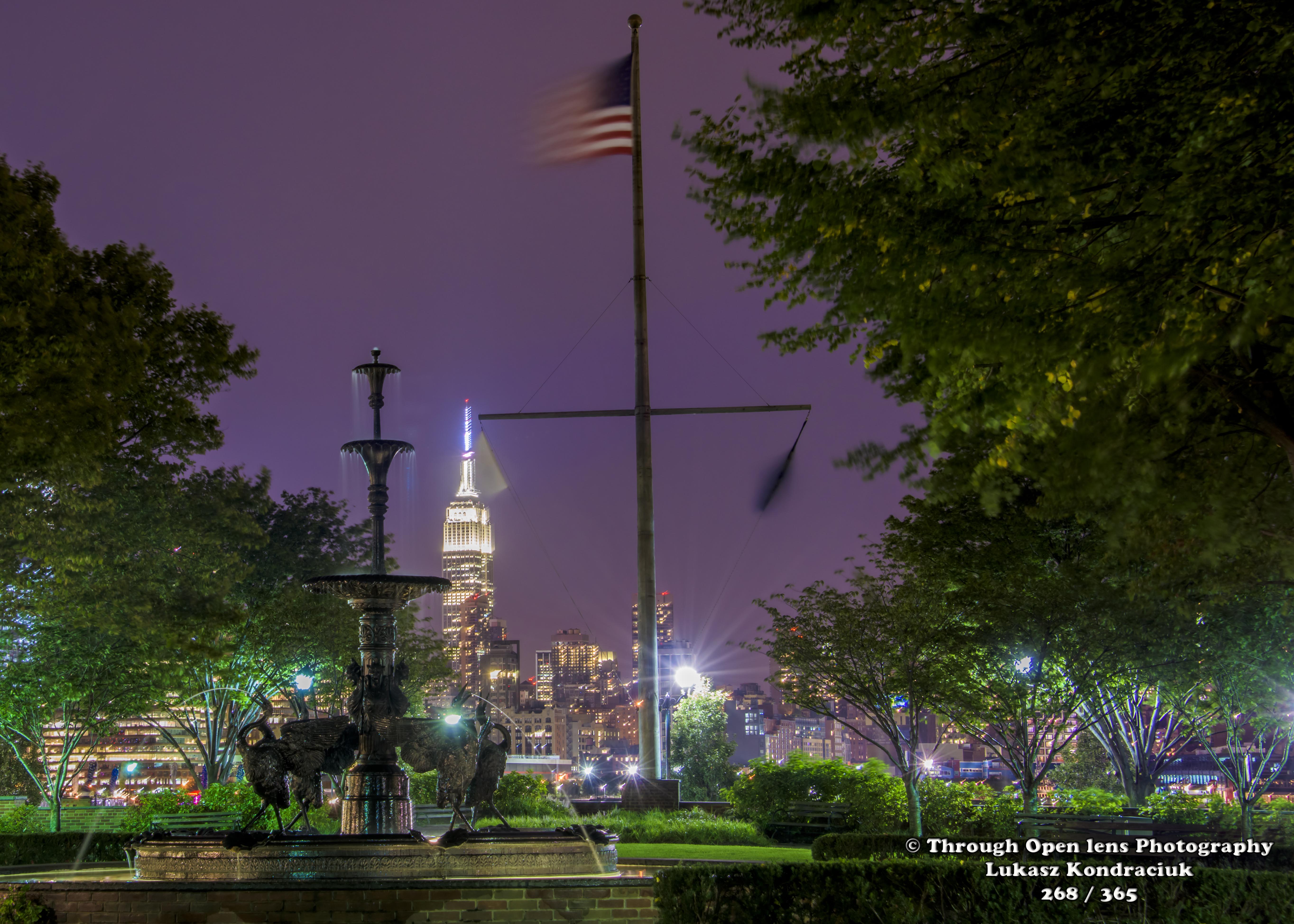
I Found Fountain Of Youth, But I Wasn’t Thirsty.

hoboken park

F/10.0, 30.0, ISO 100.

Day 268 / 365

A drunk falls into one of the fountains in Trafalgar Square. Floundering around, he looks up and sees Nelson standing on his column.

“Don’t jump!” he shouts. “This is the shallow end!”

Interesting Fact: The ancient Greeks were apparently the first to use aqueducts and gravity-powered fountains to distribute water. According to ancient historians, fountains existed in Athens, Corinth, and other ancient Greek cities in the 6th century BC as the terminating points of aqueducts which brought water from springs and rivers into the cities. In the 6th century BC the Athenian ruler Peisistratos built the main fountain of Athens, the Enneacrounos, in the Agora, or main square. It had nine large cannons, or spouts, which supplied drinking water to local residents. ( https://en.wikipedia.org/wiki/Fountain )