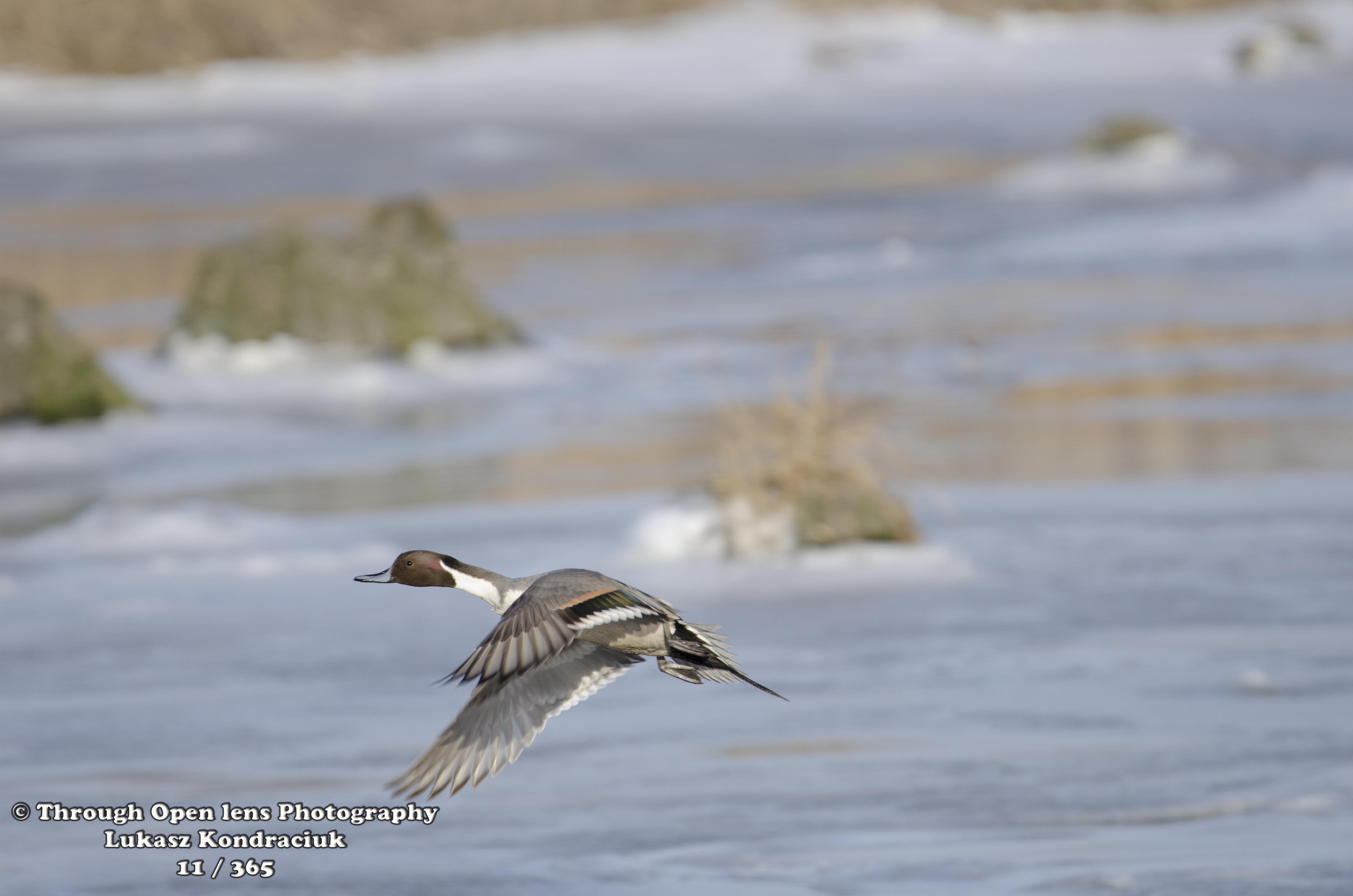
Up Up And Away!

Northern Pintail

F/6.3, 1/500, ISO 250.

Northern Pintail Duck

Day 11 / 365

Sometimes I just want to fly away, but it is not that easy and the airports are too crowded.  🙂

Interesting Fact:  The male Pintail ‘s call is a soft proop-proop whistle, similar to that of the Common Teal, whereas the female has a Mallard-like descending quack, and a low croak when flushed.  (  http://www.withmephotographyblog.com/11-interesting-facts-about-the-northern-pintail  )

I Just Came To Say Hello !

Carolina Chickadee

F/5.6, 1/500, ISO 1000.

This Black-capped Chickadee flew by a few times before he sat on a branch nearby.  He started to say few things to me that sounded like “chick-a-dee-dee-dee”, “fee-bee”, “fee-bee-be”. I’m not sure what he was saying but I am guessing it could be something like “Wazzup!” or maybe ” how you doin”. I guess we can only wonder.


Interesting Fact: The song of the Black-capped Chickadee is one of the most complex vocalizations of all animals, acting as a contact call, an alarm call, to identify an individual, or to indicate recognition of a particular flock. ( http://identify.whatbird.com/obj/680/_/Black-capped_Chickadee.aspx )

Be Very Very Quiet, I’m Hunting!

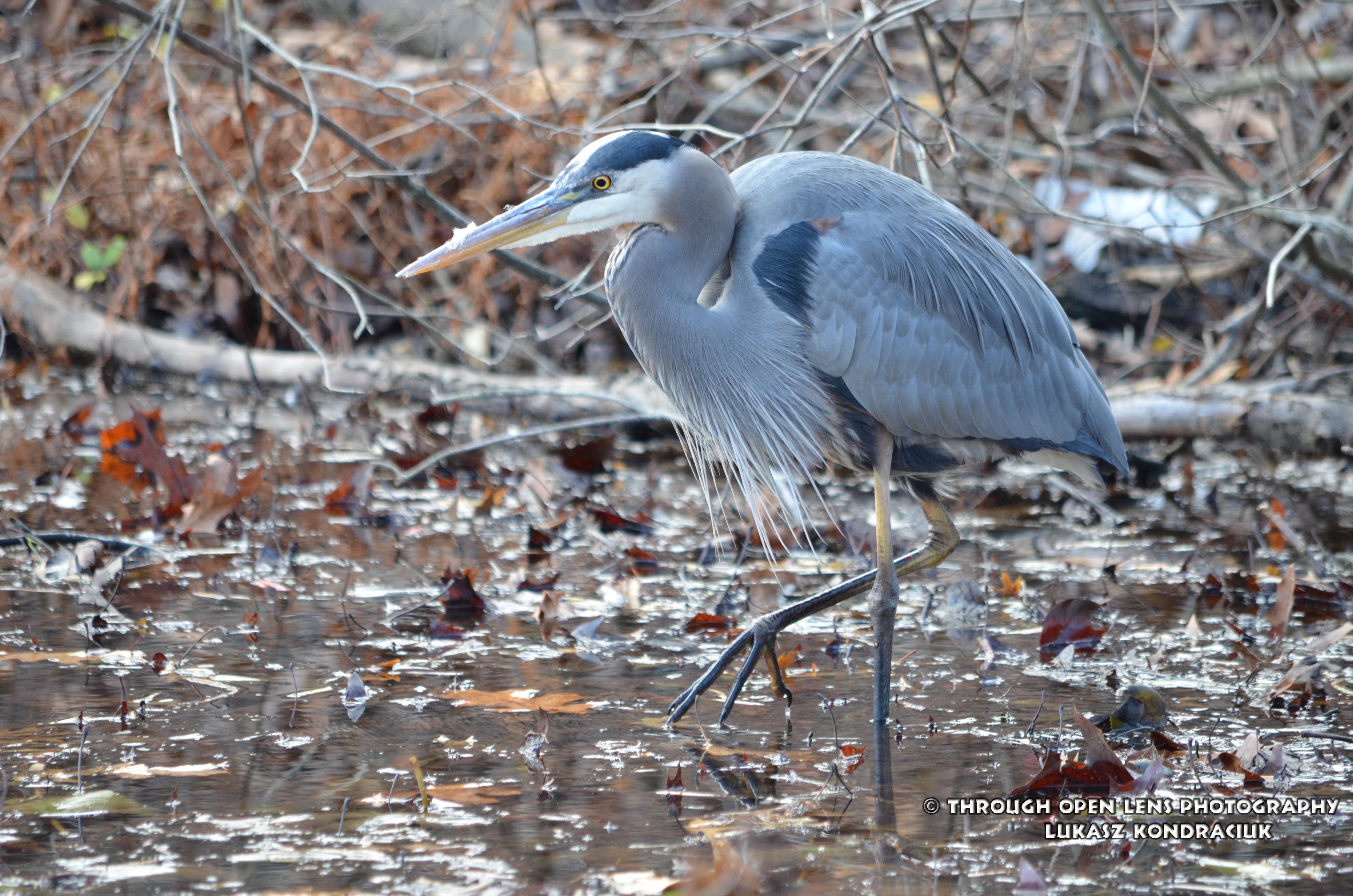
Great Blue Heron

F/5.6, 1/160, ISO 800.

Hey you, photography man, stay still.  I have been waiting for this fish all day and I am not going to let you mess this up for me.


Great Blue Heron1

F/5.6, 1/160, ISO 800.

FINALLY GOT WHAT I WAS WAITING FOR !!!!


Interesting Fact:  Great Blue Herons can hunt day and night thanks to a high percentage of rod-type photoreceptors in their eyes that improve their night vision. (  http://www.allaboutbirds.org/guide/great_blue_heron/lifehistory )


Dominican Brother From Another Mother

hispaniolan woodpecker

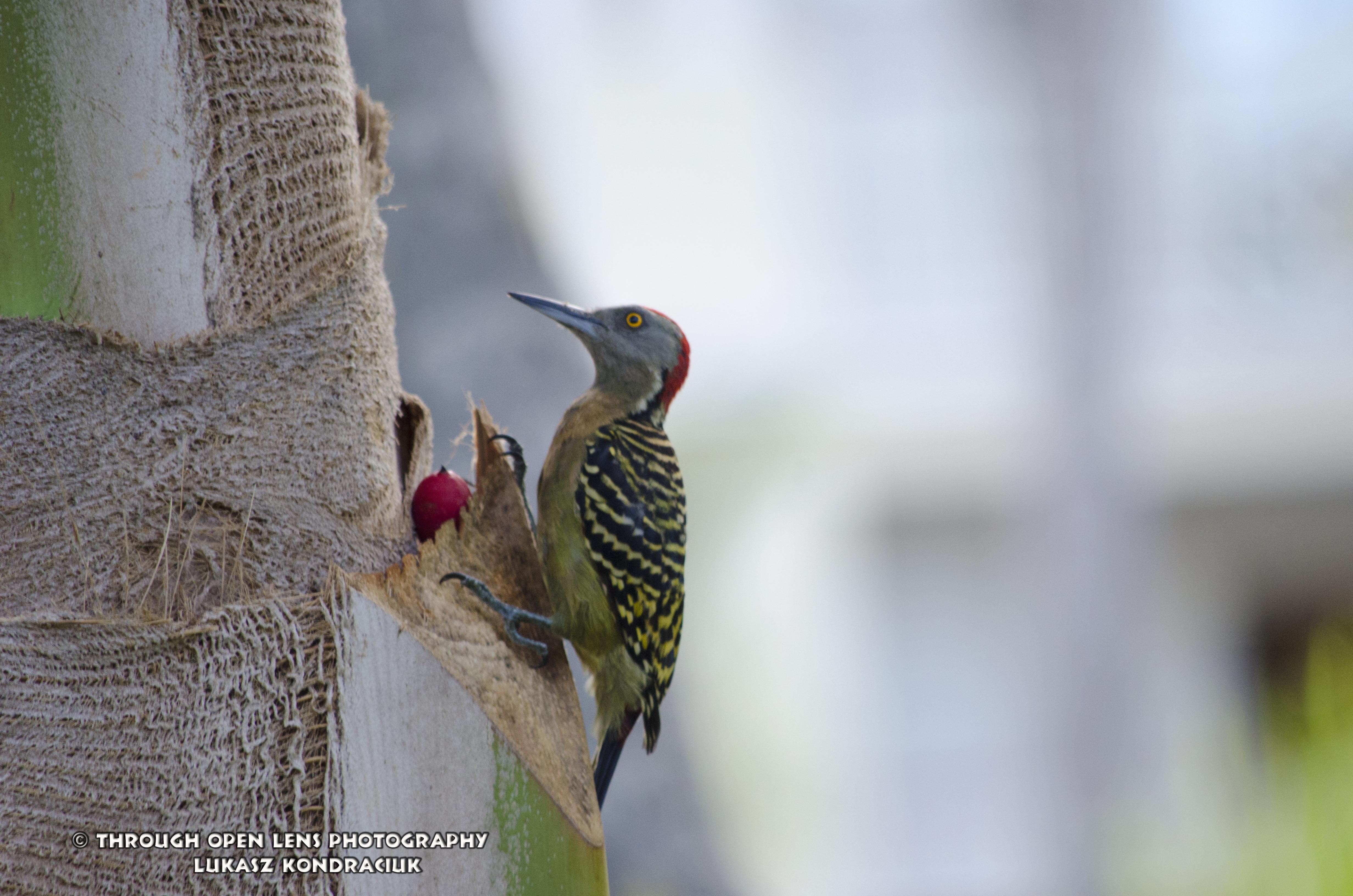
Hispaniolan Woodpecker

f/5.6, 1/125, ISO 900.

Caught this pecker, pecking away, pecking so hard that the palm tree kept swaying. Don’t peck so hard my little friend because you may go limp at the end.

I came across Hispaniolan Woodpecker in Dominican Republic, its very similar to Red-Bellied Woodpecker of my very first post.


Red-bellied Woodpecker

Red-Bellied Woodpecker

F/8.0, 1/1000, ISO 800.


Interesting Fact: Their habitat, which is restricted to Haiti and the Dominican Republic, extends from the coasts, over the deserts to the mountains of the island.  ( http://en.wikipedia.org/wiki/Hispaniolan_woodpecker )

I found the Easter Bunny!

Bunny

f/5.6, 1/320, ISO 1000.

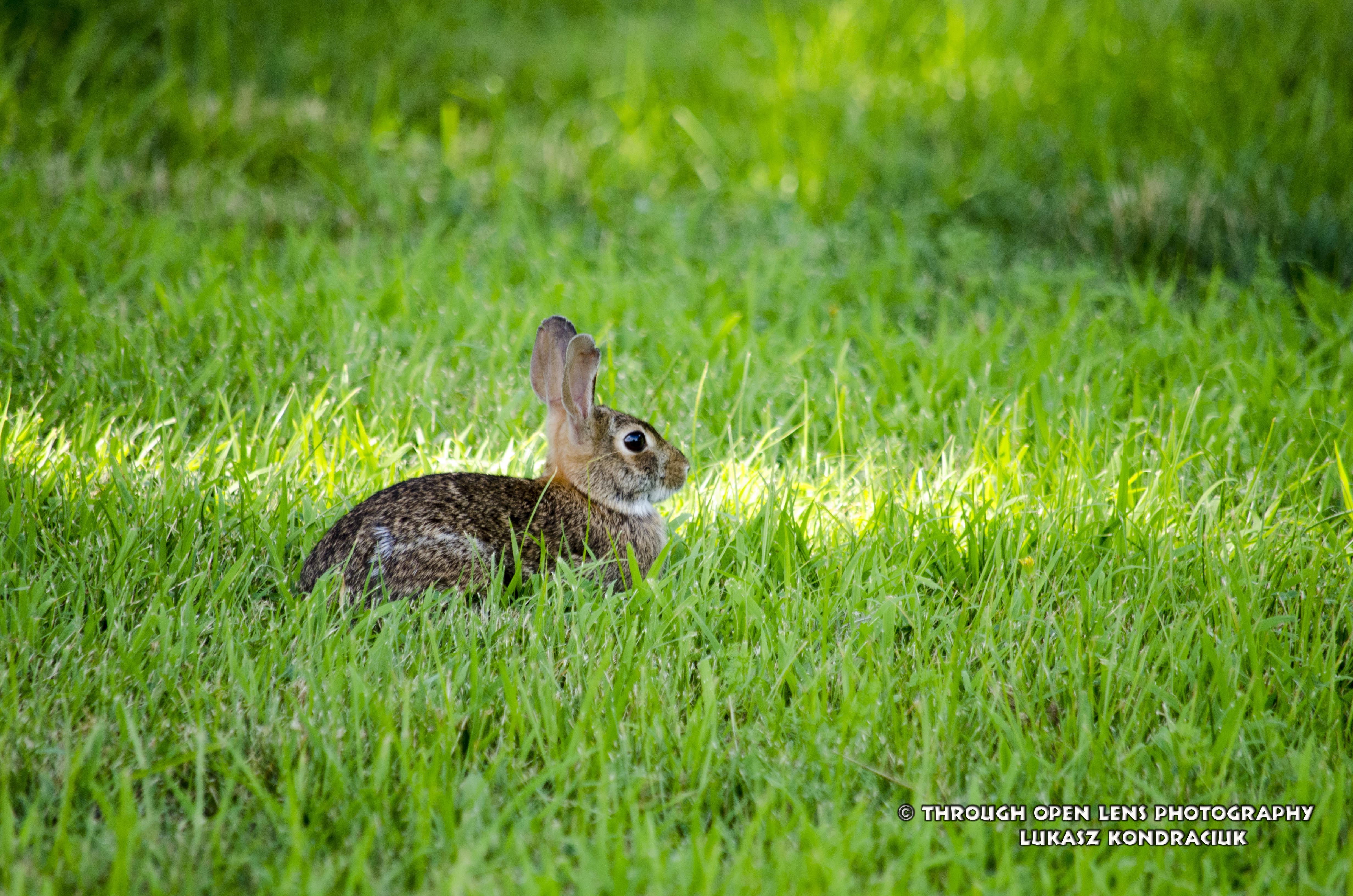
Found the Easter Bunny, he has been hiding in Lyndhurst NJ. Except he wasn’t leaving Easter eggs (ha ha).

Cottontail Rabbit

Interesting Fact: Cottontail Rabbits seek out habitats on the fringes of open spaces, such as fields, meadows, and farms, but can adapt to other habitats—including those of humans. http://animals.nationalgeographic.com

PARTY ANIMAL!

Sea Lion

F/5.6, 1/500, ISO 250.

Over the last weekend we visited New York Aquarium in Brooklyn.  This fun loving California Sea Lion preformed quite a show. Brooklyn aquarium reopened recently, after recovering from last year’s storm. Although it’s not 100% functional, but it is fun way to spend a day.

Sea lion fish

F/5.6, 1/500, ISO 250.


Interesting Fact: “California sea lions may hunt continuously for up to 30 hours, with each dive lasting three to five minutes.” http://animals.nationalgeographic.com

If the groundhog didn’t see his shadow, we would be enjoying nice weather on the east coast.

Groundhog


This little guy was very curious of what I was doing in his park. He would follow my movements and pop his head out in few different holes.  Secaucus, NJ

Interesting Fact: Their burrows are more than just holes in the ground. They can consist of nearly 50 feet of tunnels, buried five feet underground, with multiple exits in case the animals need to escape from predators. Groundhogs will sleep in their burrows, raise their young there, and hibernate through the winter.


F/5.6, 1/160, ISO 125.

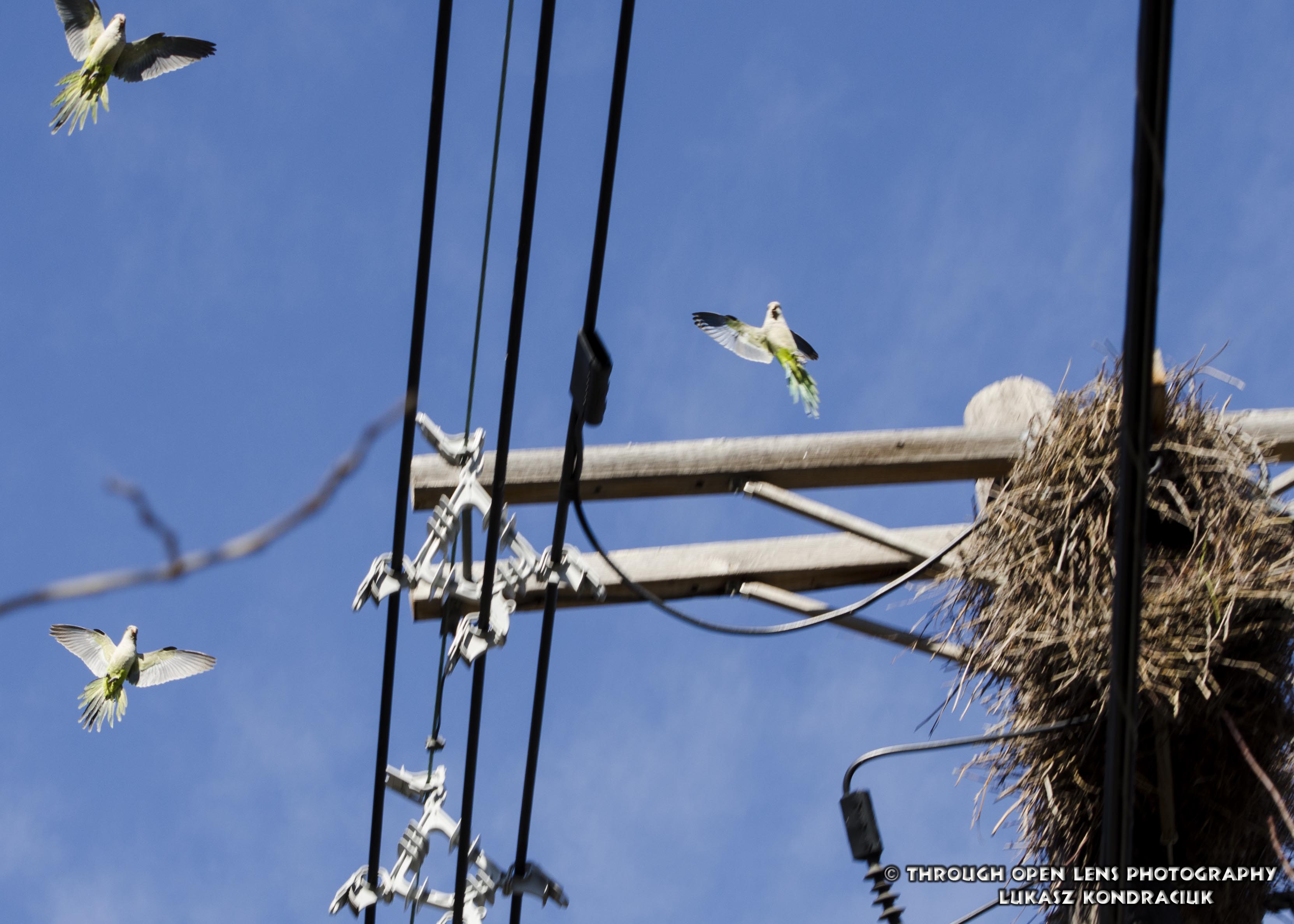
Monk Parakeets in Edgewater, NJ

Monk Parakeets

Monk Parakeets

I wasn’t sure if it was true but its, Edgewater, NJ  is the home of a free-flying colony of Monk Parakeets.

Interesting Fact: These small, green parrots have lived in Edgewater since at least 1980. How the birds came to Edgewater is unknown, though a widely accepted story traces their origin to an escape from a damaged crate at John F. Kennedy Airport in the 1960s.

First Photo: F/5.6, 1/100, ISO 400

Second Photo: F/8.0, 1/250, ISO 250