This Is A Private Area No Peeking!

Red-Eared Slider Turtle 1

F/5.6, 1/200, ISO 100.

Red-Eared Slider Turtle

What do you get when you cross a turtle and a flu shot?

A slow-poke.

Interesting Fact: The red-eared slider (Trachemys scripta elegans), also known as the red-eared terrapin, is a semiaquatic turtle belonging to the family Emydidae. It is a subspecies of the pond slider. It is the most popular pet turtle in the United States and is also popular as a pet in the rest of the world.[2] It has, therefore, become the most commonly traded turtle in the world.[3] It is native to the southern United States and northern Mexico, but has become established in other places because of pet releases, and has become an invasive species in many areas, where it outcompetes native species. The red-eared slider is included in the list of the world’s 100 most invasive species[4] published by the IUCN. ( https://en.wikipedia.org/wiki/Red-eared_slider )
 

Blue Ducky Wants To Quacky!

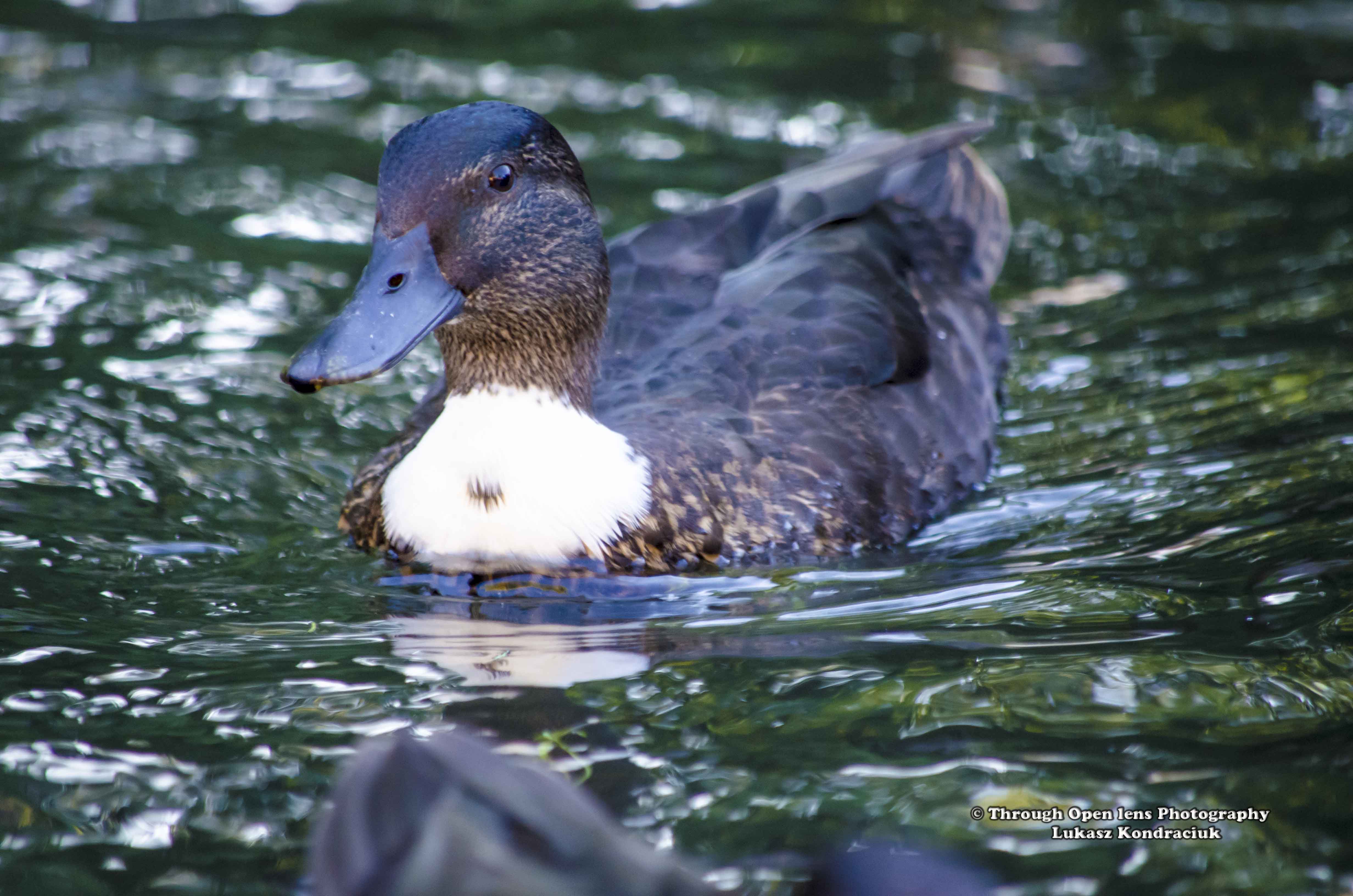
Swedish Blue

F/5.6, 125, ISO 125.

Swedish Blue

Why was the computer tired when he got home?

Because he had a hard drive.

Interesting Fact: The Swedish Blue (Swedish: Svensk blå anka)[4] or Blue Swedish is a breed of domesticated duck which emerged during the 19th century in Swedish Pomerania, near the Baltic shores of the what is now modern Germany and Poland.[5] Within the American Standard of Perfection, the “blue” is the only variety of the breed “Swedish”. ( https://en.wikipedia.org/wiki/Swedish_Blue#Description )


Let’s Get In Formation!

Mute Swan & Babies

F/ 7.1, 1/800, ISO 200.

Mute Swan and Cygnets

A three year old walked over to a pregnant lady while waiting with his mother in the doctors office.
He inquisitively ask the lady, “Why is your stomach so big?”
She replied, “I’m having a baby.”
With big eyes, he asked, “Is the baby in your stomach?”
She said, “He sure is.”
Then the little boy, with a puzzled look, asked, “Is it a good baby?”
She said, “Oh, yes. It’s a real good baby.”
With an even more surprised and shocked look, he asked…
“Then why did you eat him?”

Interesting Fact: Hans Christian Andersen’s fairly tale The Ugly Duckling chronicles the woes and triumphs of a young, Mute Swan that hatches in a clutch of duck eggs but goes on to become a beautiful swan. Some speculate that the book was based on Andersen’s own less-than-handsome looks as a youngster. ( https://www.allaboutbirds.org/guide/mute_swan/lifehistory )

Swimming For The Gold

Muskrat

F/ 6.3, 1/125, ISO 500.

Muskrat

What did one lab rat say to the other?

I’ve got my scientist so well trained that every time I push the buzzer, he brings me a snack.

Interesting Fact: Muskrats normally live in groups consisting of a male and female pair and their young. During the spring, they often fight with other muskrats over territory and potential mates. Many are injured or killed in these fights. Muskrat families build nests to protect themselves and their young from cold and predators. In streams, ponds or lakes, muskrats burrow into the bank with an underwater entrance. These entrances are 6–8 in (15–20 cm) wide. In marshes, push-ups are constructed from vegetation and mud. These push-ups are up to 3 ft (91 cm) in height. In snowy areas, they keep the openings to their push-ups closed by plugging them with vegetation, which they replace every day. Some muskrat push-ups are swept away in spring floods and have to be replaced each year. Muskrats also build feeding platforms in wetlands. They help maintain open areas in marshes, which helps to provide habitat for aquatic birds. ( https://en.wikipedia.org/wiki/Muskrat )

Quack Quack Mother Ducker!

Bufflehead Duck 1

F/10.0, 1/400, ISO 250.

Bufflehead Duck 

The Teacher says to the class: Who ever stands up is stupid
*Nobody stands up*
Teacher: I said who ever stands up is STUPID!
*Little Johnny stands up*
Teacher: Johnny, do you really think that you are stupid?
Little Johnny: No Mrs, I just thought that maybe you are lonely being the only one standing.

Interesting Fact: Bufflehead normally live only in North America, but in winter they occasionally show up elsewhere, including Kamchatka, Japan, Greenland, Iceland, the British Isles, Belgium, France, Finland, and Czechoslovakia. In some of these cases, the birds may have escaped from captivity. ( https://www.allaboutbirds.org/guide/Bufflehead/lifehistory )

Quack Pack!

American Black Ducks

F/5.6, 1/320, ISO 100.

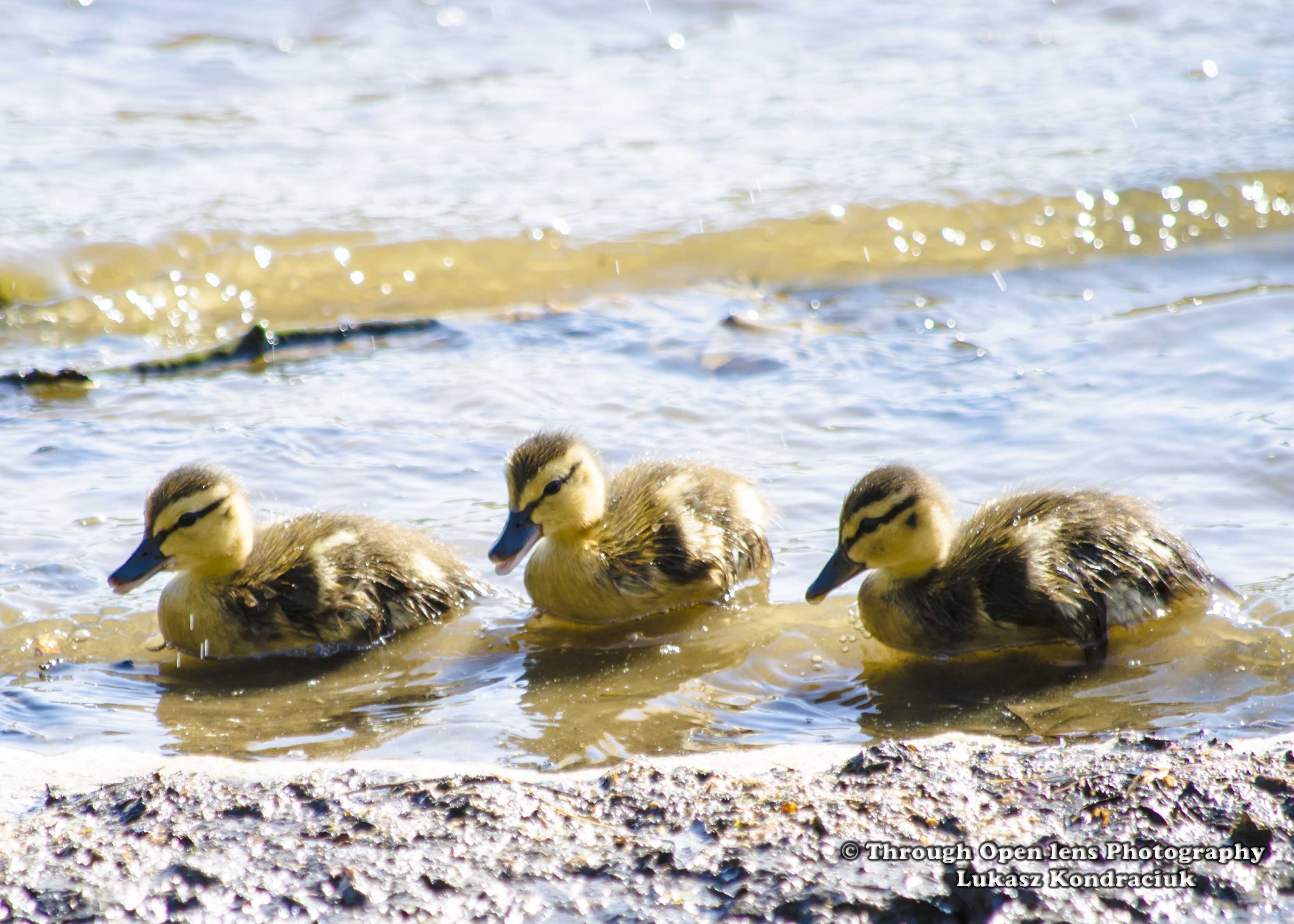
American Black Ducks

What’s the best way to ship duck eggs?

Put them in a quacker barrel.

Interesting Fact: As soon as their down feathers dry, newly hatched ducklings are able to leave the nest, a depression on the ground lined with plant materials. They follow their mother to rearing areas with a lot of invertebrates to eat and plenty of vegetation for cover. ( https://www.allaboutbirds.org/guide/American_Black_Duck/lifehistory )

Hope They Have All The Permits

Red-Necked Grebes

F/5.6, 1/320, ISO 100.

Red-Necked Grebe

The homeowner was delighted with the way the painter had done all the work on his house.

“You did a great job.” he said and handed the man a check.

“Also, in order to thank-you, here’s an extra $80 to take the missus out to dinner and a movie.”

Later that night, the doorbell rang and it was the painter.

Thinking the painter had forgotten something the man asked, “What’s the matter, did you forget something?”

“Nope.” replied the painter. “I’m just here to take your missus out to dinner and a movie like you asked.”

Interesting Fact: Like other grebes, the Red-necked Grebe ingests large quantities of its own feathers. Feathers remain in the bird’s stomach. The function of feathers in the stomach is unknown. One hypothesis suggests that the feathers help protect the lower digestive tract from bones and other hard, indigestible material. ( https://www.allaboutbirds.org/guide/Red-necked_Grebe/lifehistory )


Lifeguard Is On Duty!

Canada Goose And Goslings

F/5.6, 1/500, ISO 200.

Canada Goose And Goslings 

Why won’t they allow elephants in public swimming pools?

Because they might let down their trunks.

Interesting Fact: Individual Canada Geese from most populations make annual northward migrations after breeding. Nonbreeding geese, or those that lost nests early in the breeding season, may move anywhere from several kilometers to more than 1500 km northward. There they take advantage of vegetation in an earlier state of growth to fuel their molt. Even members of “resident” populations, which do not migrate southward in winter, will move north in late summer to molt.  ( https://www.allaboutbirds.org/guide/Canada_Goose/lifehistory )

Is This What They Mean By Catching The Wave?

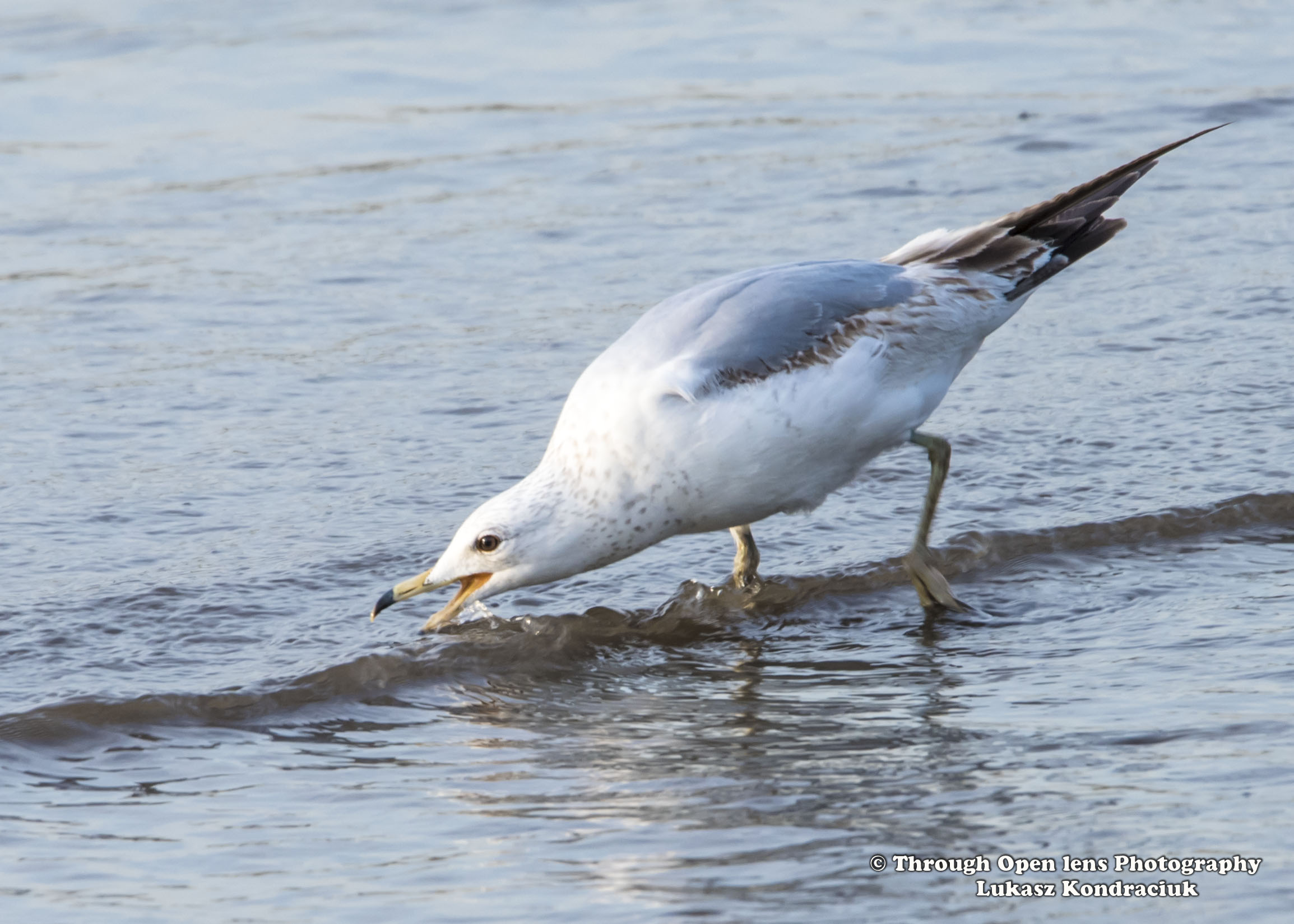
Ring-billed Gull 1

F/ 8.0, 1/250, ISO 320.

Ring-billed Gull

What do you call a man with seagull on his head?

Cliff

Interesting Fact: Migrating Ring-billed Gulls apparently use a built-in compass to navigate. When tested at only two days of age, chicks showed a preference for magnetic bearings that would take them in the appropriate direction for their fall migration. The gulls also rely on landmarks and high-altitude winds to provide directional cues. ( https://www.allaboutbirds.org/guide/Ring-billed_Gull/lifehistory )

Just Got My Hair Did!

This Post Is Dedicated To Amber Hope It Will Bring A Smile To Your Face!

Red-breasted Merganser Female

F/9.0, 1/320, ISO 200.

Red-breasted Merganser ( Female )

Three guys, stranded on a desert island, find a magic lantern containing a genie, who grants them each one wish. The first guy wishes he was off the island and back home. The second guy wishes the same. The third guy says “I’m lonely. I wish my friends were back here.”

Interesting Fact: Red-breasted Merganser: Breeds in Alaska and across northern Canada to Newfoundland and south to the Great Lakes. Spends winters chiefly along the coasts from Alaska south to northern Mexico, from Maritime Provinces south to Florida, and along the Gulf Coast. Preferred habitat for breeding includes wooded lakes and tundra ponds; found mainly on saltwater during winter. ( http://identify.whatbird.com/obj/115/overview/Red-breasted_Merganser.aspx )