Snow Again!

Common Merganser

F/6.3, 1/800, ISO 800.

Common Merganser

Day 60 / 365

You quack me up!

Interesting Fact: These large fish-eaters have serrated edges to their bills to help them grip their prey. Along with the Smew and the other Mergansers, they are often known as “sawbills.” ( http://identify.whatbird.com/obj/416/_/Common_Merganser.aspx )

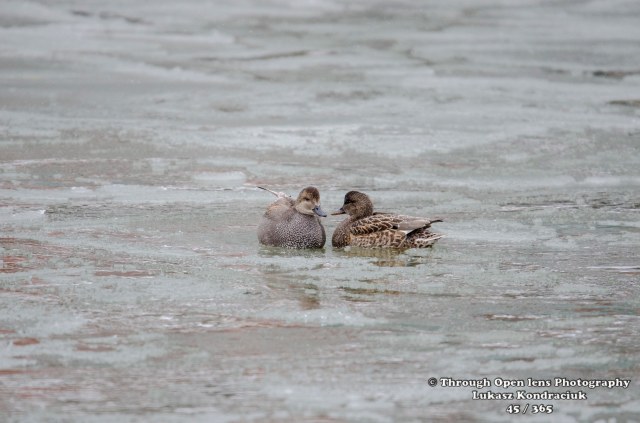
Freezing And In Love!

gadwall

F/6.3, 1/320, ISO 1600.
Gadwall Duck
Day 45 / 365

Even on a frozen ocean you can find love today.

Interesting Fact: Gadwall sometimes steal food from American Coots and from other ducks.
( http://www.allaboutbirds.org/guide/gadwall/lifehistory )

Bonus Valentine Facts: 2. Valentine’s Day may have a rather gory history. As one variation of a popular myth goes, Claudius II, the Emperor of Rome, forbade young men from marrying because he wanted them as soldiers in his army instead. St. Valentine defied him and married people in secret, so he was executed on Feb. 14 in the year AD 269 – or so the story goes. ( http://m.ibtimes.com/valentines-day-facts-history-fun-ideas-free-burritos-singles-awareness-other-things-1813226 )

This Duck Baffled My Head!

Bufflehead Duck

F/6.3, 1/1000, ISO 400.

Bufflehead Duck

Day 25 / 365

Freezing my bum off for an hour in one spot today paid off.    🙂

Interesting Fact: Buffleheads are highly active and will undertake dives almost continuously. One duck will serve as a sentry, watching for predators as the others in the group dive in search of food. ( http://www.withmephotographyblog.com/10-interesting-facts-about-the-bufflehead )

Just Keep Swimming, Just Keep Swimming!

canvasback ducks

F/6.3, 1/60, ISO 320.

Day 4 / 365

I wonder where they can be swimming in such a hurry, maybe they are late to be somewhere or maybe they are just afraid of me. 🙂

Interesting Fact: Canvasbacks are diver ducks well equipped with their own form of flippers—large webbed feet that make them smooth and graceful swimmers. They spend much of their time in the water and use their long bills to feed by digging through bottom sediments in search of aquatic plant stems and roots, or submerged insects, crustaceans, and clams. ( http://animals.nationalgeographic.com/animals/birds/canvasback/ )

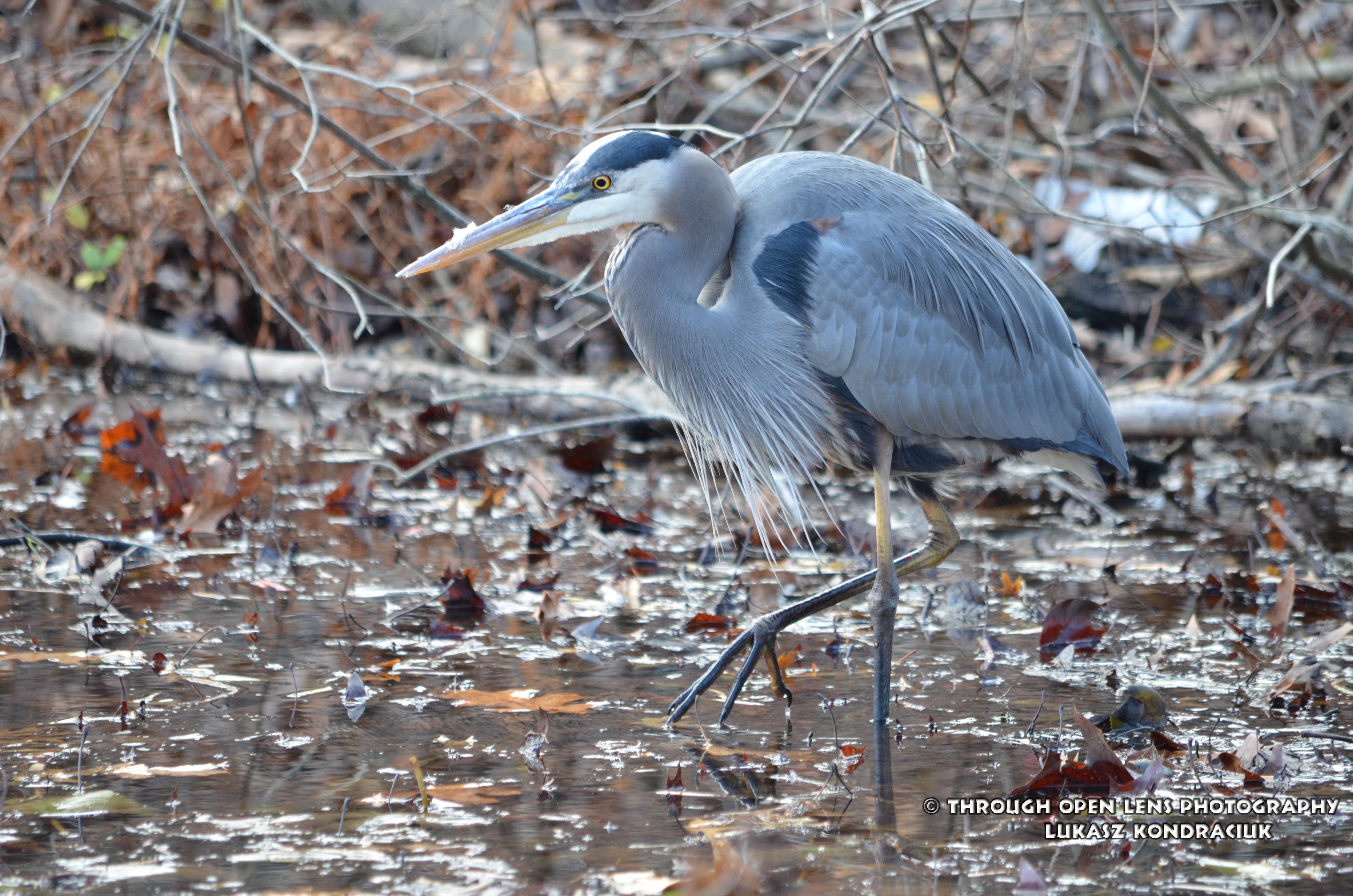
Be Very Very Quiet, I’m Hunting!

Great Blue Heron

F/5.6, 1/160, ISO 800.

Hey you, photography man, stay still.  I have been waiting for this fish all day and I am not going to let you mess this up for me.


Great Blue Heron1

F/5.6, 1/160, ISO 800.

FINALLY GOT WHAT I WAS WAITING FOR !!!!


Interesting Fact:  Great Blue Herons can hunt day and night thanks to a high percentage of rod-type photoreceptors in their eyes that improve their night vision. (  http://www.allaboutbirds.org/guide/great_blue_heron/lifehistory )