Ha Ha Ha Ha Ha Ha Ha!!! Are You Scared Yet?!

halloween mask

F/5.3, 1/13, ISO 64.

Day 294 / 365

A woman whose husband often came home drunk decided to cure him of the habit. One Halloween night, she put on a devil suit and hid behind a tree to intercept him on the way home.
When her husband came by, she jumped out and stood before him with her red horns, long tail, and pitchfork.
“Who are you?” he asked.
“I’m the Devil!” she responded.
“Well, come on home with me,” he said, “I married your sister!”

Interesting Fact:  Halloween costumes are costumes worn on or around Halloween, a festival which falls on October 31. An early reference to wearing costumes at Halloween comes from Scotland in 1585, but they may pre-date this. There are many references to the custom during the 18th and 19th centuries in the Celtic countries of Scotland, Ireland, Mann and Wales. It has been suggested that the custom comes from the Celtic festivals of Samhain and Calan Gaeaf, or from the practise of “souling” at Hallowtide. Wearing costumes and mumming has long been associated with festivals at other times of the year, such as on Christmas.[1] Halloween costumes are traditionally based on frightening supernatural or folkloric beings. However, by the 1930s costumes based on characters in mass media such as film, literature, and radio were popular. Halloween costumes have tended to be worn mainly by young people, but since the mid-20th century they have been increasingly worn by adults also. ( https://en.wikipedia.org/wiki/Halloween_costume )
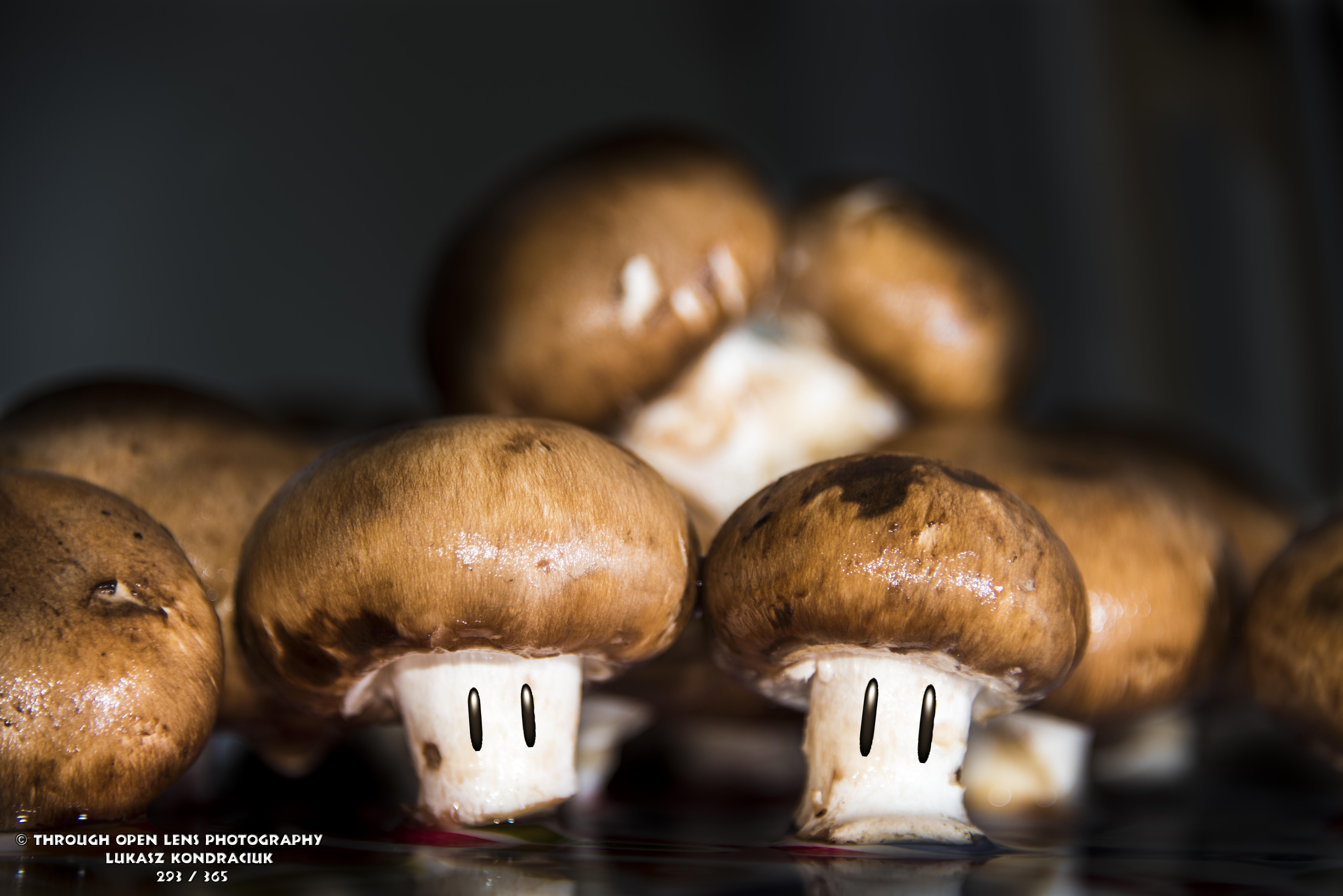
10-up !!!

mushrooms

F/5.6, 1/60, ISO 100.

Day 293 /365

What would a mushroom car say?

Shroom shroom!

Interesting Fact: Modern studies suggest mushrooms can be useful for antibacterial, anti-inflammatories and antioxidants. While also helping to reduce blood pressure, moderate blood sugar, reduce cholesterol, enhance the immune system, reduce stress and help in fighting many types of cancer.  ( http://www.sciencekids.co.nz/sciencefacts/food/mushrooms.html )

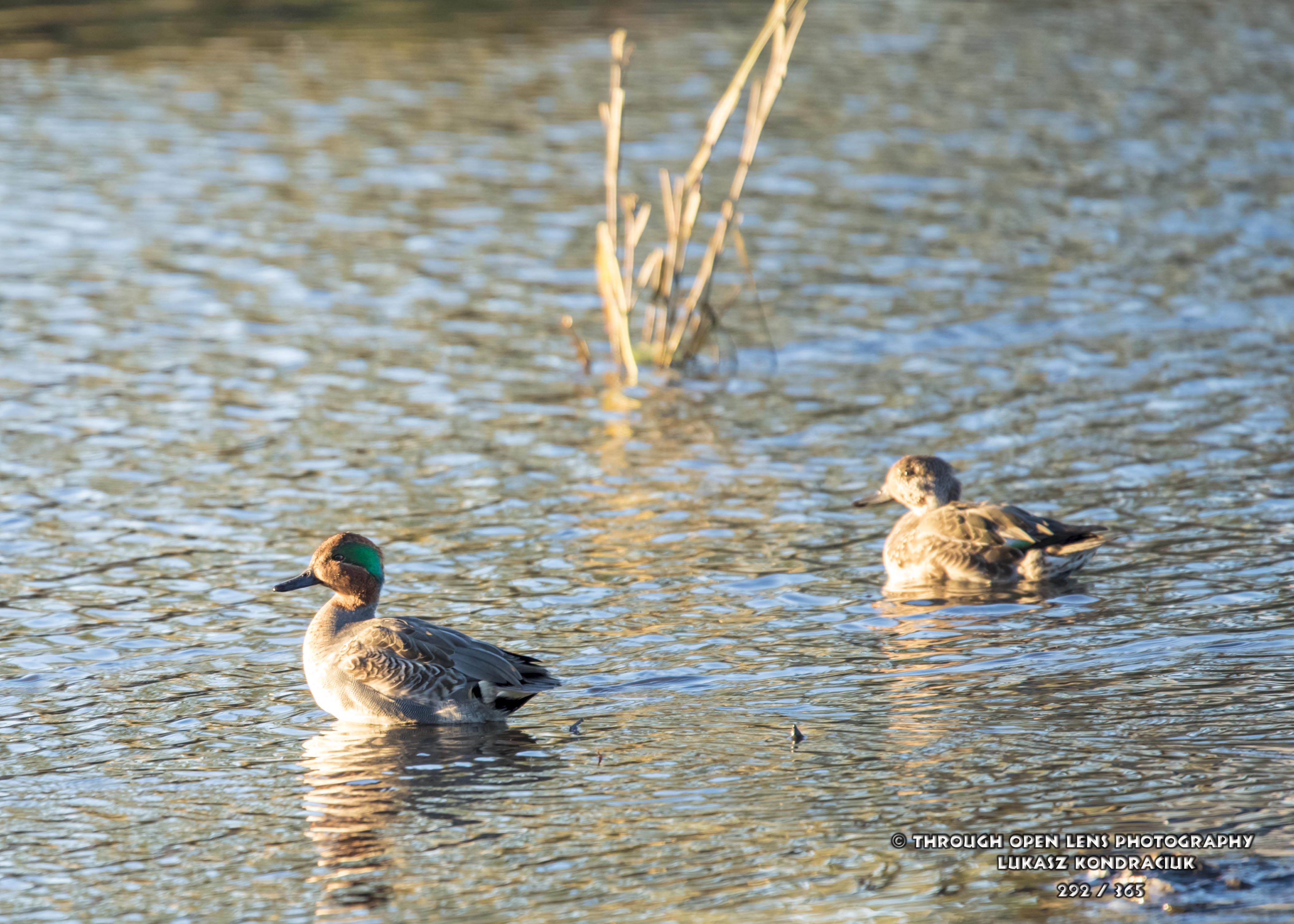
Hooked On Quack!

Green-winged Teal

F/6.3, 1/160, ISO 500.

Green-Winged Teal

Day 292 / 365

A duck, a skunk and a deer went out for dinner at a restaurant one night.

When it came time to pay,

the skunk didn’t have a scent,

the deer didn’t have a buck,

so they put the meal on the duck’s bill.

Interesting Fact: Green-winged Teal, more than any other species of duck, prefer to seek food on mud flats. Where mud flats are lacking, they prefer shallow marshes or temporarily flooded agricultural lands. They usually eat vegetative matter consisting of seeds, stems, and leaves of aquatic and emergent vegetation. ( http://www.withmephotographyblog.com/8-interesting-facts-about-the-green-winged-teal )

You Can Run, But You Can’t Hide

Peregrine Falcon

F/10.0, 1/400, ISO 250.

Peregrine Falcon

Day 291 / 365

What birds spend all their time on their knees?

Birds of prey!

Interesting Fact: The name “peregrine” means wanderer, and the Peregrine Falcon has one of the longest migrations of any North American bird. Tundra-nesting falcons winter in South America, and may move 25,000 km (15,500 mi) in a year. Maps of the migration of individual falcons determined by satellite telemetry can be seen at Environment Canada. ( http://www.allaboutbirds.org/guide/Peregrine_Falcon/lifehistory )

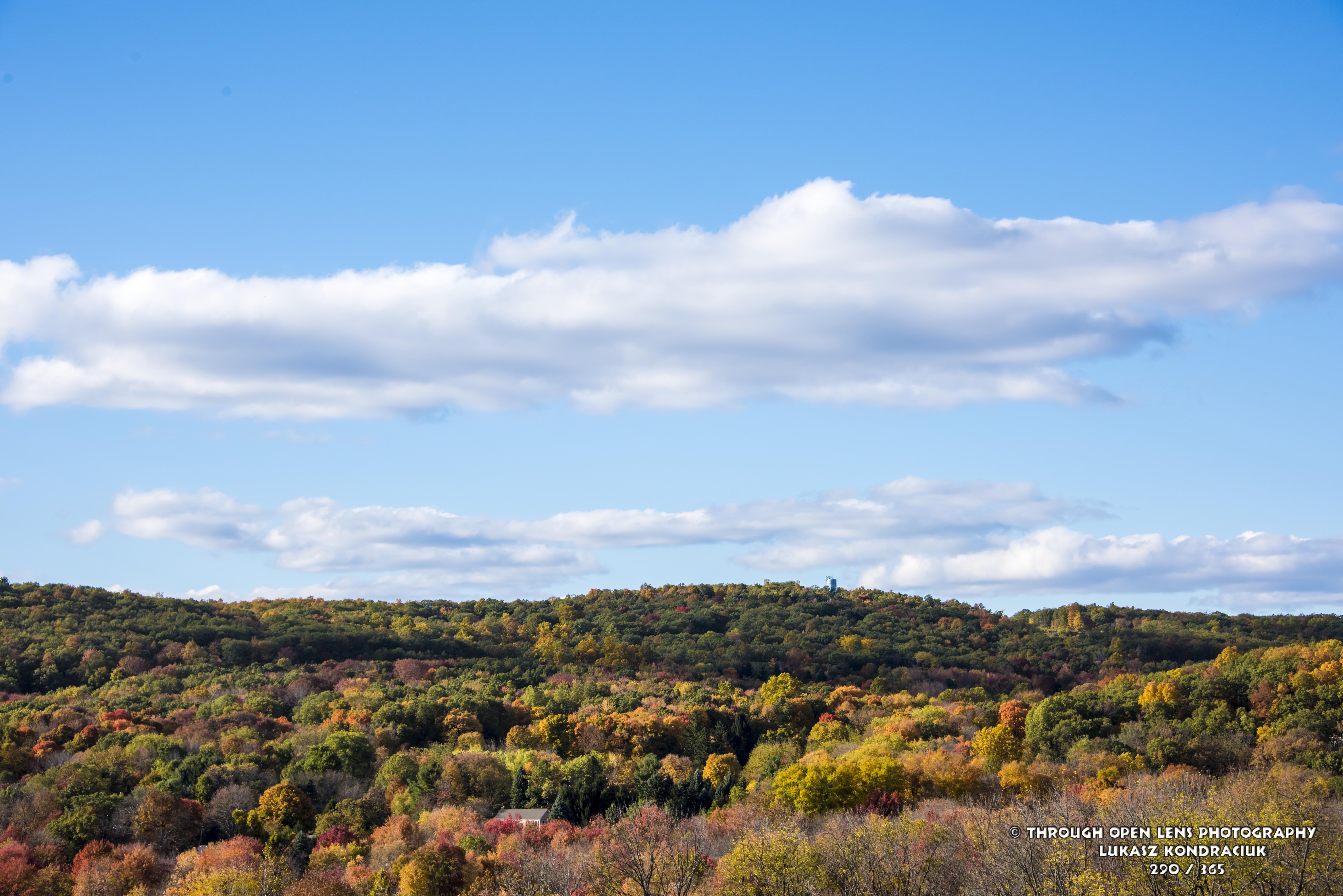
 I Am Hooked On Autumn!

autumn

F/ 9.0, 1/400, ISO160.

Day 290 / 365

What did the tree say to autumn?

Leaf me alone.

Interesting Fact: Evergreen trees will not lose their leaves like deciduous trees. Their leaves, also called needles, are covered with a thick wax. This wax protects the inner components of the needles, preventing them from freezing. ( http://www.richmond.com/life/celebrations/article_aa9e91de-402a-11e4-8c0f-001a4bcf6878.html )

I’m Just Hanging Out

Golden-crowned Kinglet

F/6.3, 1/500, ISO 800.

Golden-crowned Kinglet

Day 289 / 365

When is the best time to buy birds?

When they’re going cheap!

Interesting Fact: The tiny Golden-crowned Kinglet is hardier than it looks, routinely wintering in areas where nighttime temperatures can fall below –40° Fahrenheit. ( https://www.allaboutbirds.org/guide/Golden-crowned_Kinglet/lifehistory )

Go Green!

Yellow-Rumped Warbler

F/6.3, 1/80, ISO 1000.

Yellow-Rumped Warbler

Day 288 / 365

I was in a park earlier and I saw a “keep off the grass” sign.

I couldn’t help but think… how did it get there?

Interesting Fact: Yellow-rumped Warblers are perhaps the most versatile foragers of all warblers. They’re the warbler you’re most likely to see fluttering out from a tree to catch a flying insect, and they’re also quick to switch over to eating berries in fall. Other places Yellow-rumped Warblers have been spotted foraging include picking at insects on washed-up seaweed at the beach, skimming insects from the surface of rivers and the ocean, picking them out of spiderwebs, and grabbing them off piles of manure.  ( http://www.allaboutbirds.org/guide/Yellow-rumped_Warbler/lifehistory )

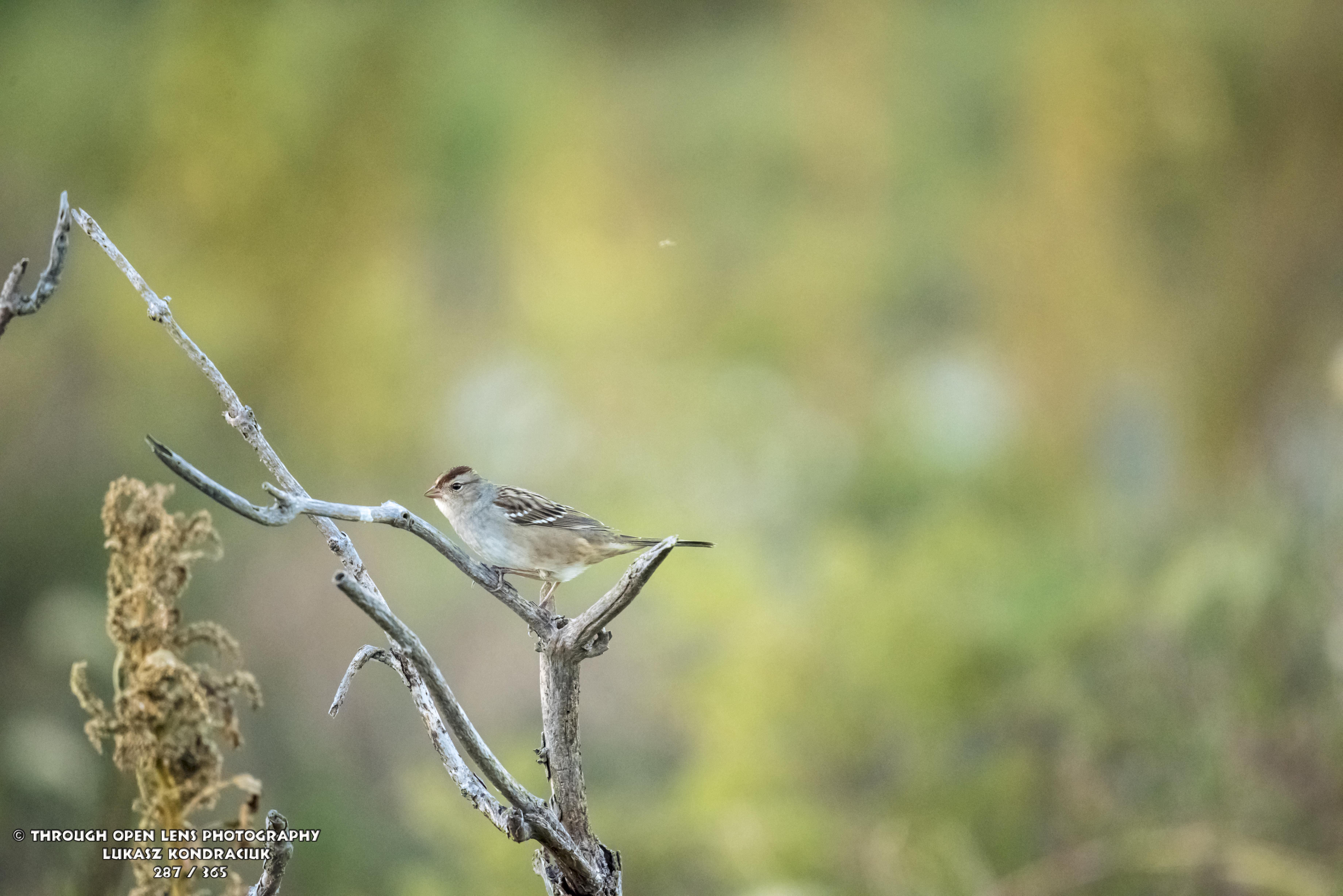
“I Am Training To Be A Spy”

American Tree Sparrow

F/6.3, 1/640, ISO 5600.

American Tree Sparrow

Day 287 / 365

Older couple were walking through the park when a sparrow flew overhead. The bird poop landed right on old man’s head.
Seeing the mess, old woman said, “I wish we had some toilet tissue.”
The Old man replied, “What good would it do. He’s probably a half a mile away by now.”

Interesting Fact: American Tree Sparrows need to take in about 30 percent of their body weight in food and a similar percentage in water each day. A full day’s fasting is usually a death sentence. Their body temperature drops and they lose nearly a fifth of their weight in that short time.  ( http://www.allaboutbirds.org/guide/American_Tree_Sparrow/lifehistory )

Swim At Your Own Risk!

Pied-Billed Grebe Juvenile

F/6.3, 1/640, ISO 6400.

Pied-Billed Grebe ( Juvenile )

Day 286 / 365

What robs you while you’re in the bathtub?

A robber ducky.

Interesting Fact: Pied-billed Grebes can trap water in their feathers, giving them great control over their buoyancy. They can sink deeply or stay just at or below the surface, exposing as much or as little of the body as they wish. The water-trapping ability may also aid in the pursuit of prey by reducing drag in turbulent water. ( http://www.allaboutbirds.org/guide/Pied-billed_Grebe/lifehistory )

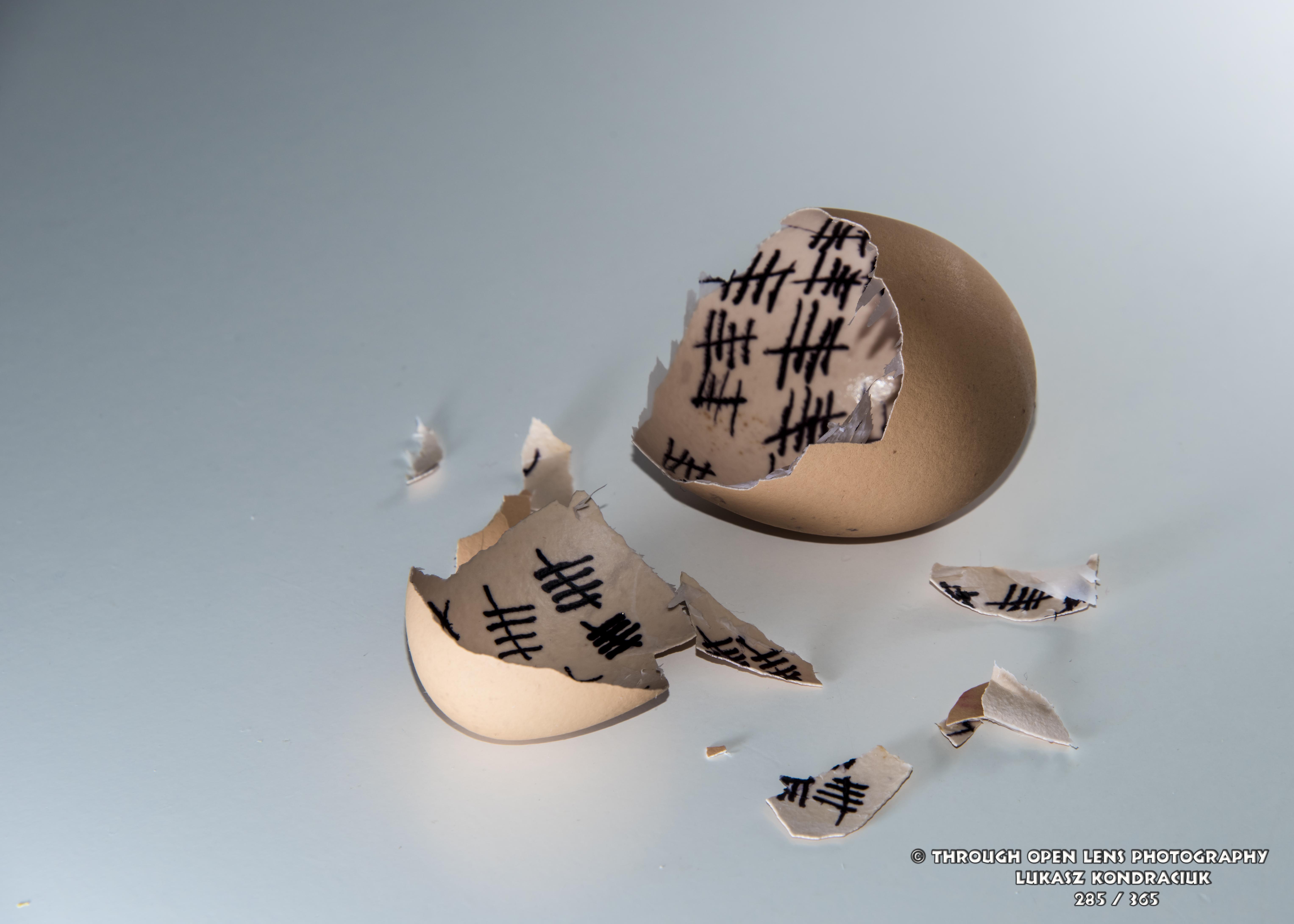
Your Escape Cracks Me Up!

egg escape

F/14.0, 1/60, ISO100.

Day 285 / 365

What did the egg do when it saw the frying pan?

It scrambled!

Interesting Fact: Bird eggs have been valuable foodstuffs since prehistory, in both hunting societies and more recent cultures where birds were domesticated. The chicken was probably domesticated for its eggs from jungle fowl native to tropical and subtropical Southeast Asia and India before 7500 BCE. Chickens were brought to Sumer and Egypt by 1500 BCE, and arrived in Greece around 800 BCE, where the quail had been the primary source of eggs.[5] In Thebes, Egypt, the tomb of Haremhab, built about 1420 BCE, shows a depiction of a man carrying bowls of ostrich eggs and other large eggs, presumably those of the pelican, as offerings.[6] In ancient Rome, eggs were preserved using a number of methods, and meals often started with an egg course.[6] The Romans crushed the shells in their plates to prevent evil spirits from hiding there.[7] In the Middle Ages, eggs were forbidden during Lent because of their richness.[7] The word mayonnaise possibly was derived from moyeu, the medieval French word for the yolk, meaning center or hub. ( https://en.wikipedia.org/wiki/Egg_(food)#History )