Light Me Up!

candle

F/5.6, 1/60, ISO 720.

Day 199 / 365

How many Catholics does it take to change a light bulb?

None. They use candles.

Interesting Fact: The oldest candle manufacturers still in existence are Rathbornes Candles, founded in Dublin in 1488. ( http://www.supplycandle.com/Candle-Facts/ )


When Life Is Sweet Say Thank You And Celebrate

Lilium

F/5.6, 1/60, ISO 100.

Day 190 / 365

What did the bee say to the flower?

Hello, honey!

Interesting Fact: Lilies can be used for more than just room decor or a gift for a loved one. The oil extracted from lilies actually has been found to have healing and softening properties. The oil has been known to work well for cracked and dry skin. ( http://www.freytagsflorist.com/blog/3-fun-facts-about-lilies/ )

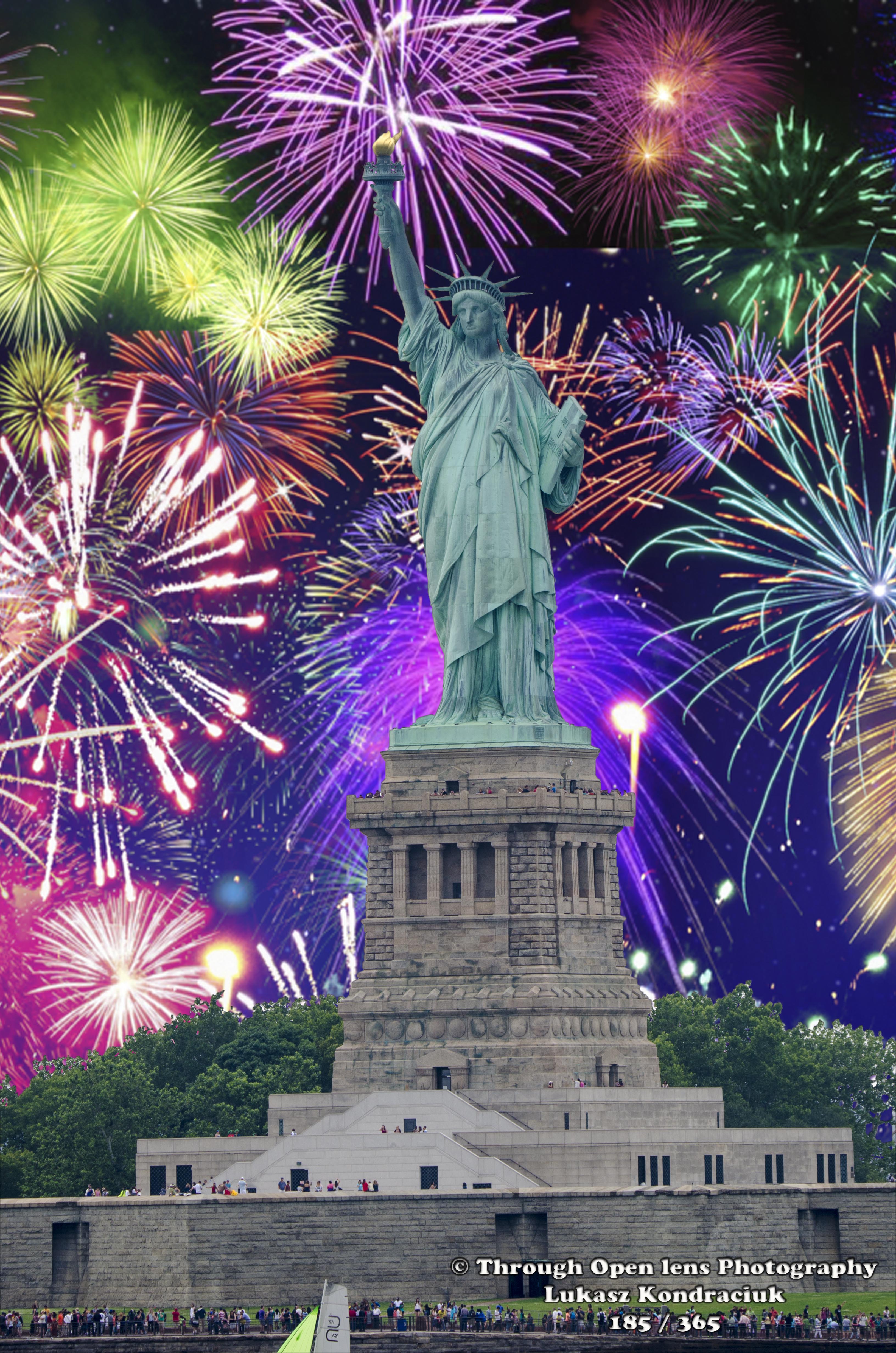
Happy Birthday America!

statue of liberty 4th july

F/6.3, 1/640, ISO 200, Photoshop CS6.

Day 185 / 365

Why does the Statue of Liberty stand in New York and New Jersey Harbor?

Because she can’t sit down.

Interesting Fact: Congress declared July 4th as an official holiday in 1870 as part of a bill to officially recognize other holidays, Christmas being one of them. ( http://list25.com/25-fun-facts-about-4th-of-july-that-will-make-you-want-to-celebrate/2/ )

I Have A Way To Brighten Up Your Day!

Lampshade

F/4.5, 1/60, ISO 100.

Day 176 / 365

What did the lampshade say to the other lampshade?
Nothing they sat in silence

Interesting Fact: Lampshades were first used on public lanterns, in Europe’s Italy and Paris, in the late 1700s, to focus light downwards. ( http://tenrandomfacts.com/lampshade/ )

Finally Got it!

idea

F/ 5.6, 1/320, ISO 640, Photoshop CS6.

Day 175 / 365

A man rides in on Friday, stays two nights three days and then leaves on Friday.

How is that possible?

His horse was named Friday.


Interesting Fact: In 1850 an English physicist named Joseph Wilson Swan created a “light bulb” by enclosing carbonized paper filaments in an evacuated glass bulb. And by 1860 he had a working prototype, but the lack of a good vacuum and an adequate supply of electricity resulted in a bulb whose lifetime was much too short to be considered an effective prodcer of light. However, in the 1870’s better vacuum pumps became available and Swan continued experiments on light bulbs. In 1878, Swan developed a longer lasting light bulb using a treated cotton thread that also removed the problem of early bulb blackening. ( http://www.bulbs.com/learning/history.aspx )

You’re As Sharp As A Marble.

marbles 01

F/ 9.0, 1/60, ISO 250.

Day 174 / 365

I didn’t lose all my marbles, but i definitely spill them.       🙂

Interesting Fact: Marbles were first mass-produced in Akron, Ohio in 1884 when the Akron Toy Company began producing clay marbles. The man behind the marbles, Samuel C. Dyke, founded The American Marble & Toy Manufacturing Company in 1891, which became the biggest American toy company of the 19th century. For the first time, marbles became cheap enough for children to buy them with their own money.  ( http://www.neatorama.com/2010/11/03/neatolicious-fun-facts-marbles/ )

I Look Down On People

European Starling 1

F/ 6.3, 1/125, ISO 200.

European Starling

Day 171 / 365

“That car looks clean, it is time to piss off the owner.”


A pirate strolls into his favorite bar and the bartender says, “Whoa, dude, what happened to you?”
The pirate says, “What do you mean?”
The bartender says, “Well, for starters, you never used to have a peg leg.”
“Oh, that,” replies the pirate. ” Well, you see, we had a sea battle and a cannon ball blew off my leg. But the ship’s surgeon fixed me up with this peg leg and I’m as good as new.”
“Well, what about the hook?” asks the barkeep.
“We had another sea battle and some guy lopped off my hand,” the pirate explains, “but the ship’s surgeon fixed me up with this hook and now I’m as good as new!”
“What about the eye patch?” asks the bartender.
“One day I was on the top mast keeping watch,” says the pirate, “when an bird flew over and pooped in my eye.”
The bartender is incredulous. “You mean to tell me that bird poop will put out your eye?”
“Well,” the pirate explained, “this happened shortly after I got the hook.”

( http://www.verifine.org/Humor/pirate.html )

Interesting Fact: Starlings are great vocal mimics: individuals can learn the calls of up to 20 different species. Birds whose songs starlings often copy include the Eastern Wood-Pewee, Killdeer, meadowlarks, Northern Bobwhite, Wood Thrush, Red-tailed Hawk, American Robin, Northern Flicker, and many others. ( http://www.allaboutbirds.org/guide/European_Starling/lifehistory )

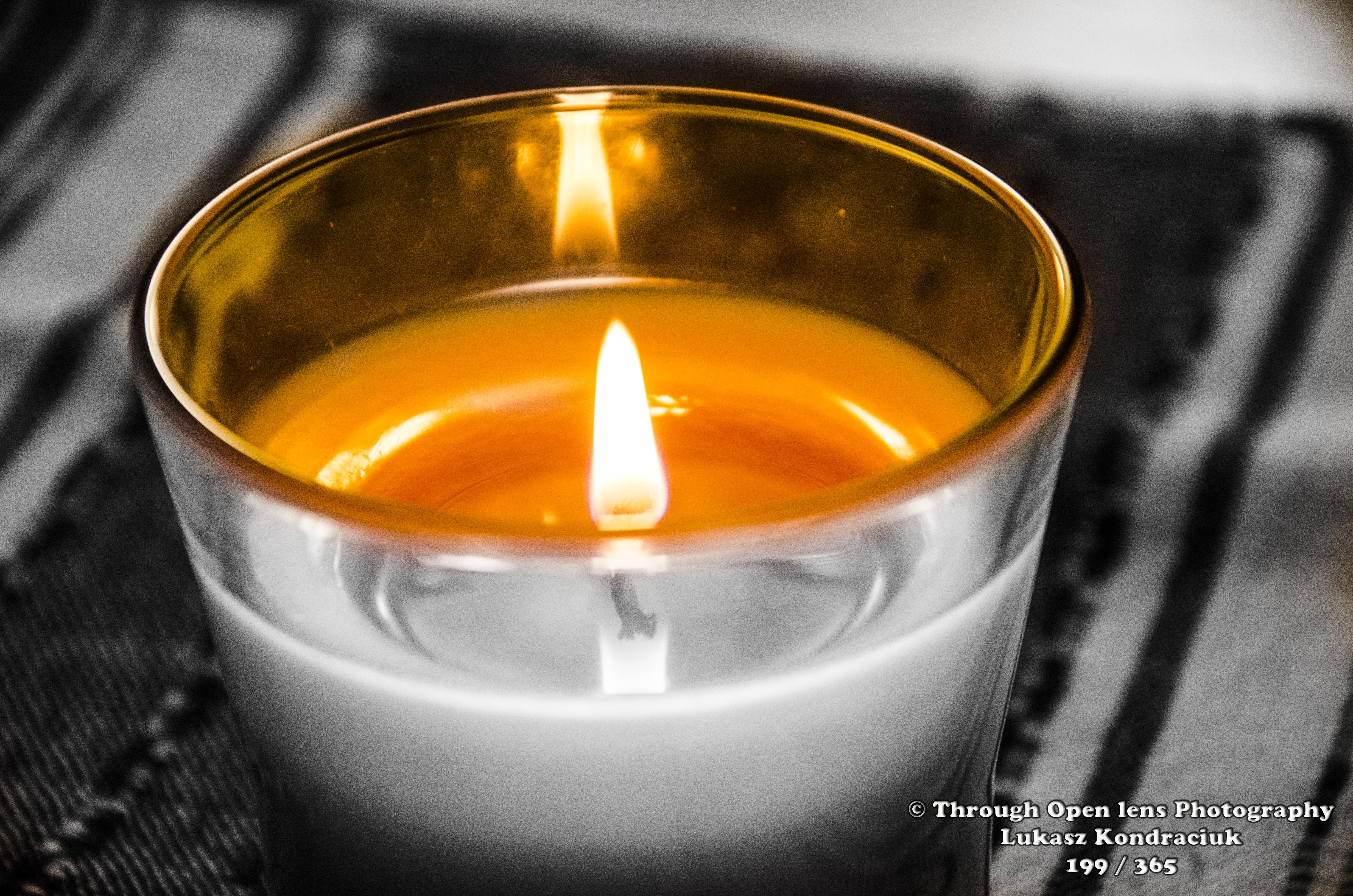
Sometimes, It’s The Simple Things That Matter

candlelight

F/5.0, 1/60, ISO 100.

Day 166 / 365

What is the only time a man thinks about a candlelight dinner?

When the power goes off.

Interesting Fact: A form of private street lighting began in Dublin as early as 1616 when the Candlelight Law was passed, “compelling every fifth house to display a light within prescribed hours of the night for the guidance of street-users”. ( http://www.connemaracandles.ie/trivia.htm )


This Is The Moment In Your Life, That You Can’t Stop Smiling At A Pineapple

pineapple

F/4.5, 1/60, ISO 100.

Day 159 / 365

Why did the pineapple stop in the middle of the road?
Because he ran out of juice

Interesting Fact: The word ‘pineapple’ was recorded in 1398 to describe ‘pine cones’. It was not until 1694 that pine cones were first called pine cones. On arrival to the Americas, European explorers called the tropical fruit pineapples around 1664 because they resembled the pine cone. ( http://www.sciencekids.co.nz/sciencefacts/food/pineapples.html )

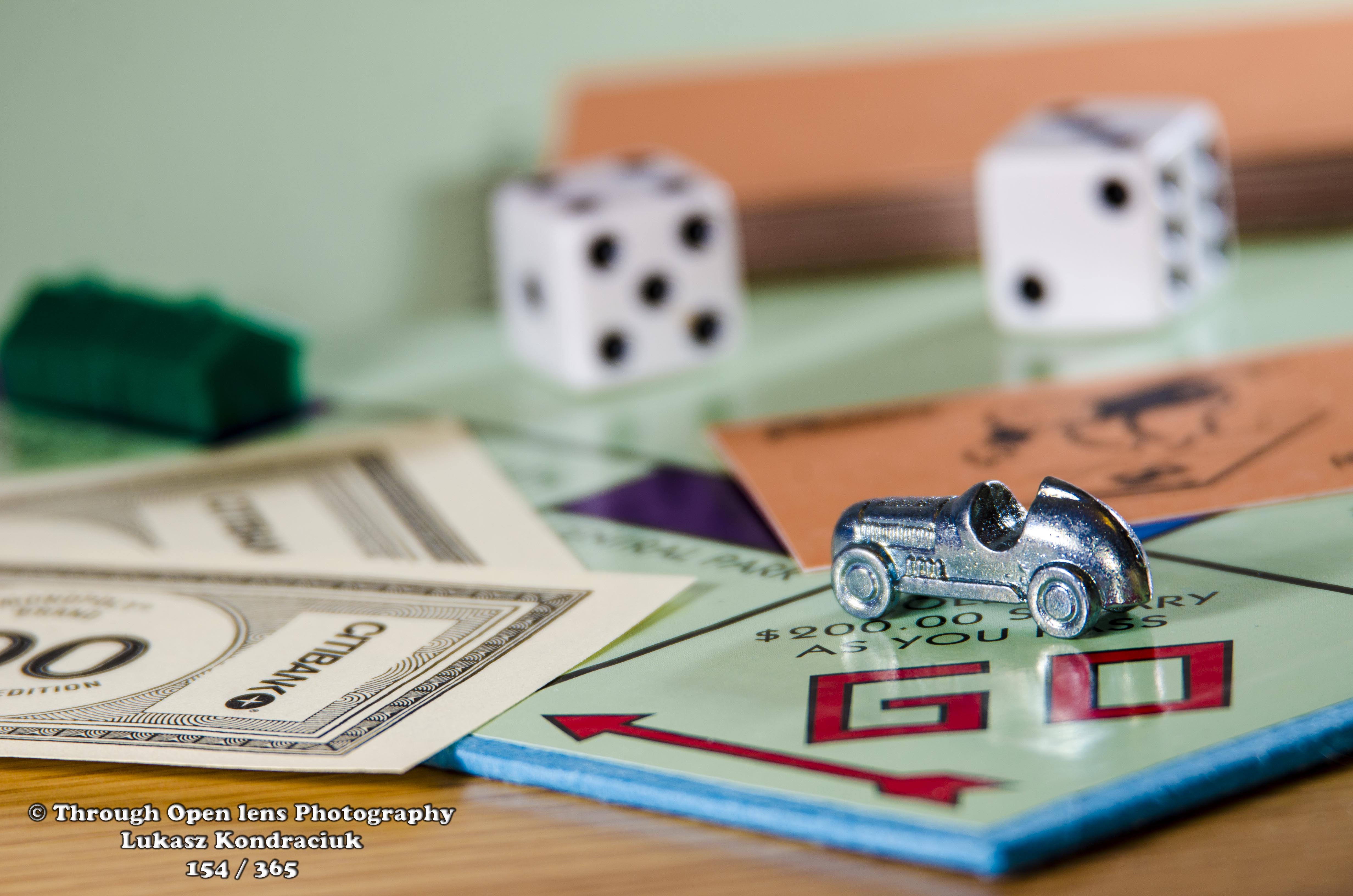
GO! It’s Your Turn!

monopoly

F/6.3, 1/60, ISO 100.

Day 154 / 365

Nobody ever reads the rules for Monopoly except when an argument breaks out.  🙂

Interesting Fact: Charles Darrow was from Philadelphia, and he first developed the Monopoly game in 1933.  The first pieces were made from materials from Darrow’s home.  A piece of oilcloth covered the board, the cards were handwritten, and the houses and hotels were made from wooden scraps.  The shiny pieces were inspired by Darrow’s nieces.  The first Monopoly die-cast tokens were metal charms from the girls’ charm bracelets. ( http://abcnews.go.com/Lifestyle/25-facts-monopoly-80-years/story?id=28405806 )