Spring Is A Nature’s Way Of Saying “Let’s Party!”

Happy First Day Of Spring!

Narcissus

F/8.0, 1/250, ISO 320.

Narcissus ( Daffodils )

When do people start using their trampoline?

Spring-Time

Interesting Fact: Spring is one of the four conventional temperate seasons, following winter and preceding summer. There are various technical definitions of spring, but local usage of the term varies according to local climate, cultures and customs. When it is spring in the Northern Hemisphere, it will be autumn in the Southern Hemisphere. At the spring equinox, days are approximately 12 hours long with day length increasing as the season progresses. Spring and “springtime” refer to the season, and also to ideas of rebirth, rejuvenation, renewal, resurrection and regrowth. Subtropical and tropical areas have climates better described in terms of other seasons, e.g. dry or wet, monsoonal or cyclonic. Often, cultures have locally defined names for seasons which have little equivalence to the terms originating in Europe. ( https://en.wikipedia.org/wiki/Spring_(season)#Meteorological_reckoning )

Simon Says Look Up!!

American Robin

F/6.0, 1/500, ISO 220.

American Robin

What happened when Batman and Robin got run over by a steamroller?

They became Flatman and Ribbon!


Interesting Fact: Robin roosts can be huge, sometimes including a quarter-million birds during winter. In summer, females sleep at their nests and males gather at roosts. As young robins become independent, they join the males. Female adults go to the roosts only after they have finished nesting. ( https://www.allaboutbirds.org/guide/American_Robin/lifehistory )

Do I Look Like I Have An Eye Of The Tiger?!

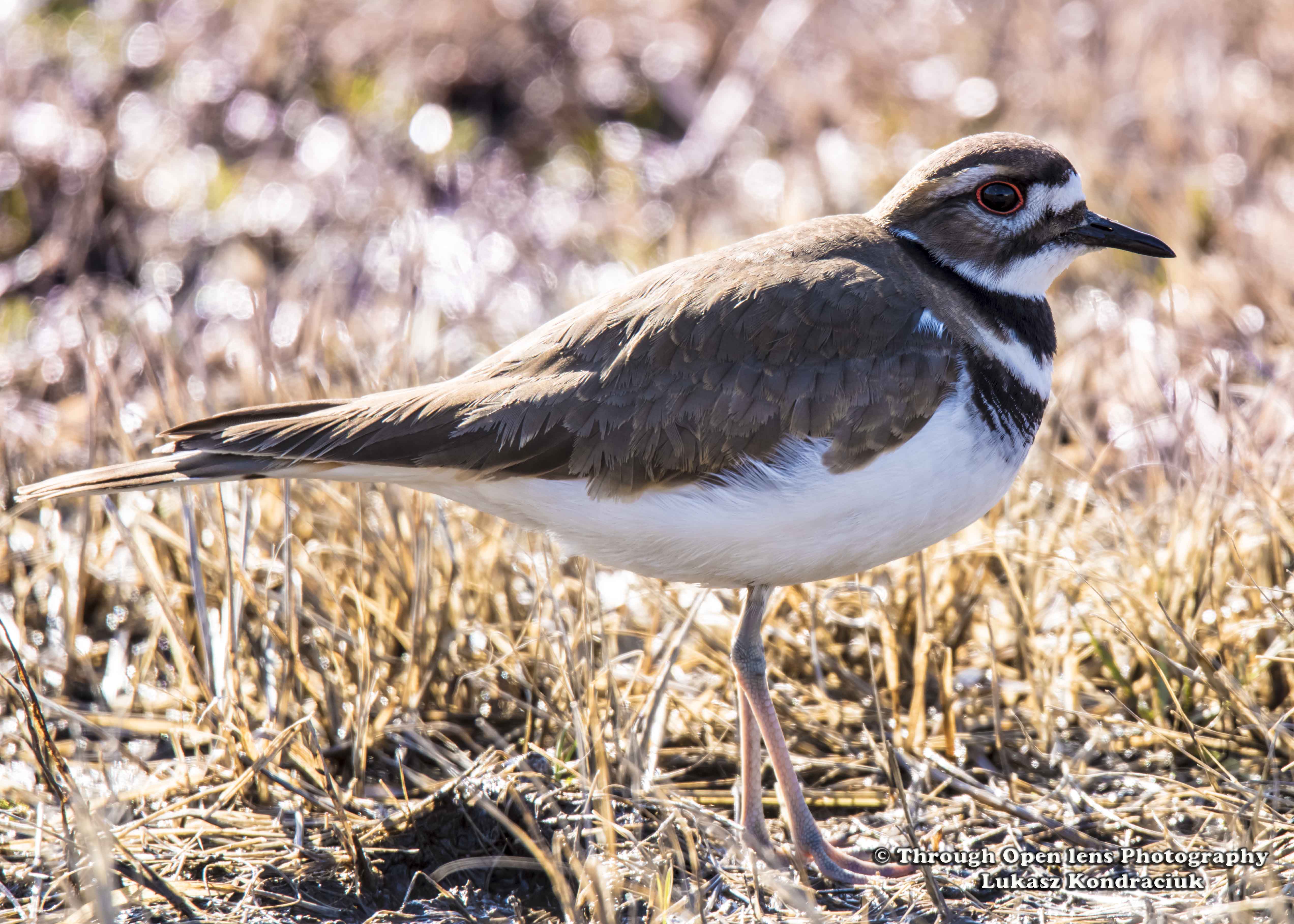
Killdeer

F/9.0, 1/320, ISO 320.

Killdeer

What did the right eye say to the left eye?

Between you and me, there’s something that smells…

Interesting Fact: A well-known denizen of dry habitats, the Killdeer is actually a proficient swimmer. Adults swim well in swift-flowing water, and chicks can swim across small streams. ( https://www.allaboutbirds.org/guide/Killdeer/lifehistory )

Wazzaap! Through Open Lens Turns 2 Today!

It has been two years since my first post and what a great two years it has been!  Thank You everyone for your support and I hope to continue entertaining you all throughout many years to come.

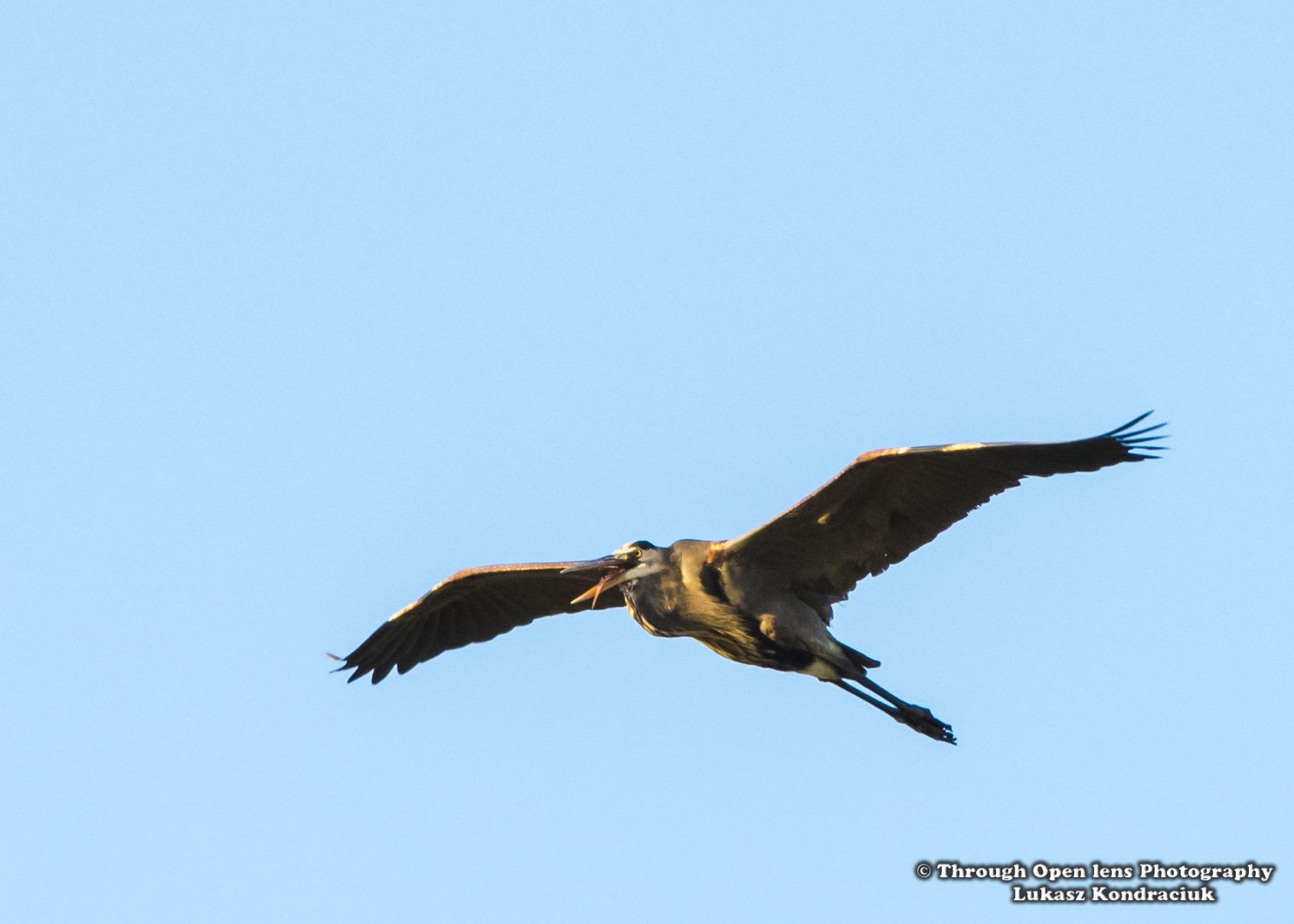
Great Blue Heron Wazzaap!

F/11.0, 1/500, ISO 640.

Great Blue Heron

A man is boasting to his buddies that he is taking his wife to Rome for their 40th wedding anniversary.
“What will you do for your 50th?” one of them asks.
“I’ll go and get her.”

Interesting Fact: Thanks to specially shaped neck vertebrae, Great Blue Herons can quickly strike prey at a distance.  ( https://www.allaboutbirds.org/guide/Great_Blue_Heron/lifehistory )

Quack Off!!!

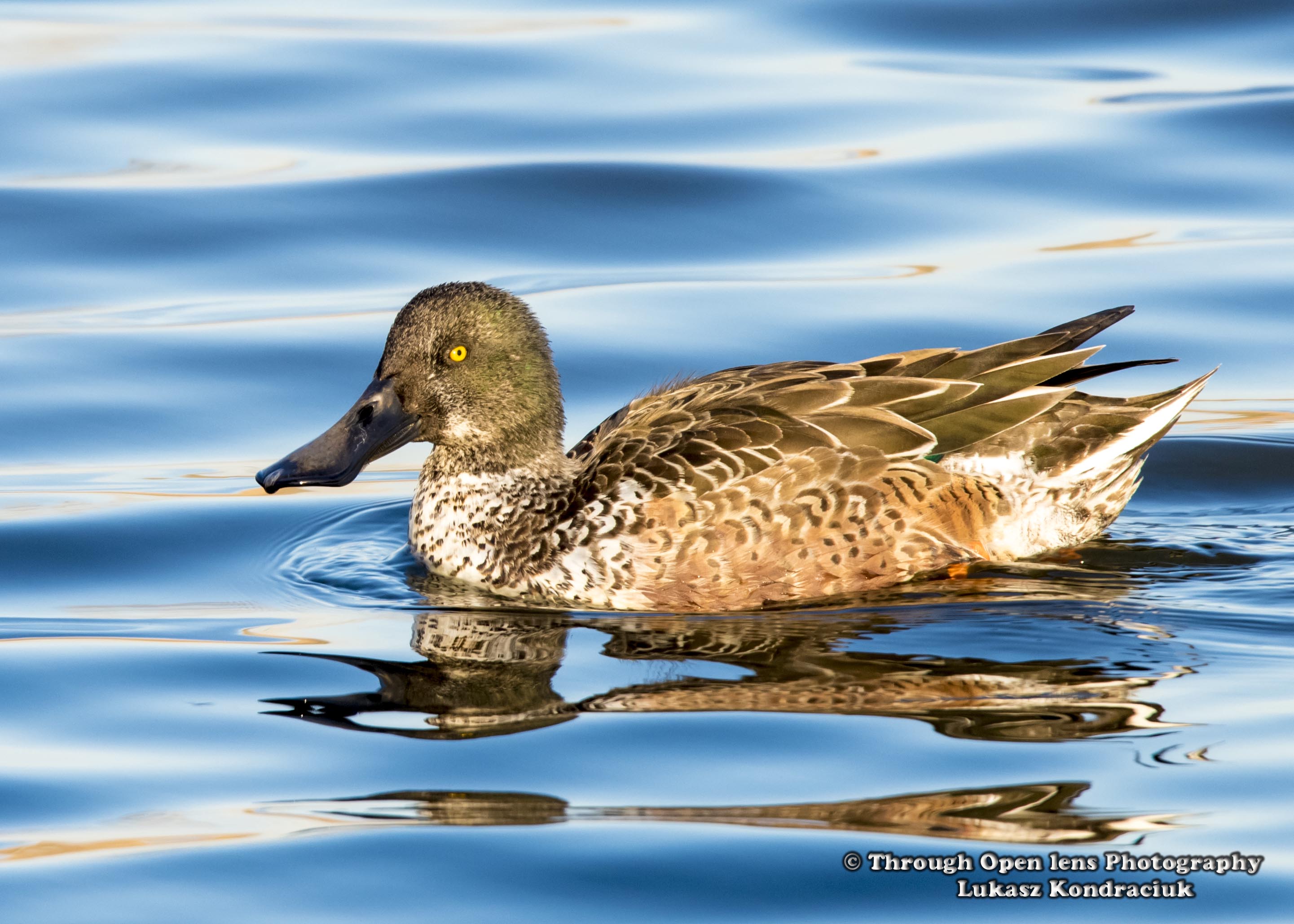
Northern Shoveler

F/10.0, 1/400, ISO 400.

Northern Shoveler

What do you get when a duck bends over?

It’s Buttquack

Interesting Fact: When flushed off the nest, a female Northern Shoveler often defecates on its eggs, apparently to deter predators. ( https://www.allaboutbirds.org/guide/Northern_Shoveler/lifehistory )

The Mighty Duck!

Hooded Merganser

F/6.3, 1/200, ISO 1600.

Hooded Merganser

What did the duck carry his schoolbooks in?

His Quackpack!

Interesting Fact: Hooded Merganser ducklings leave their nest cavity within 24 hours of hatching. First, their mother checks the area around the nest and calls to the nestlings from ground level. From inside the nest, the little fluffballs scramble up to the entrance hole and then flutter to the ground, which may be 50 feet or more below them. In some cases they have to walk half a mile or more with their mother to the nearest body of water. ( https://www.allaboutbirds.org/guide/Hooded_Merganser/lifehistory )


I Fly So High, I Can Reach The Sky!

Rough Legged Hawk

F/ 8.0, 1/320, ISO 100.

Rough Legged Hawk ( Dark  )

Is chicken soup good for your health?

Not if you’re the chicken!

Interesting Fact: Nonbreeding adults eat about a quarter-pound of food daily, or a tenth of their body mass—that’s about 5 small mammals. Nestlings start feeding themselves (swallowing lemmings whole) at about 16 days old. It’s estimated that a brood of 2 nestlings requires 26 pounds of food during the 40 days between hatching to fledging. ( https://www.allaboutbirds.org/guide/Rough-legged_Hawk/lifehistory )


Spot Me If You Can!

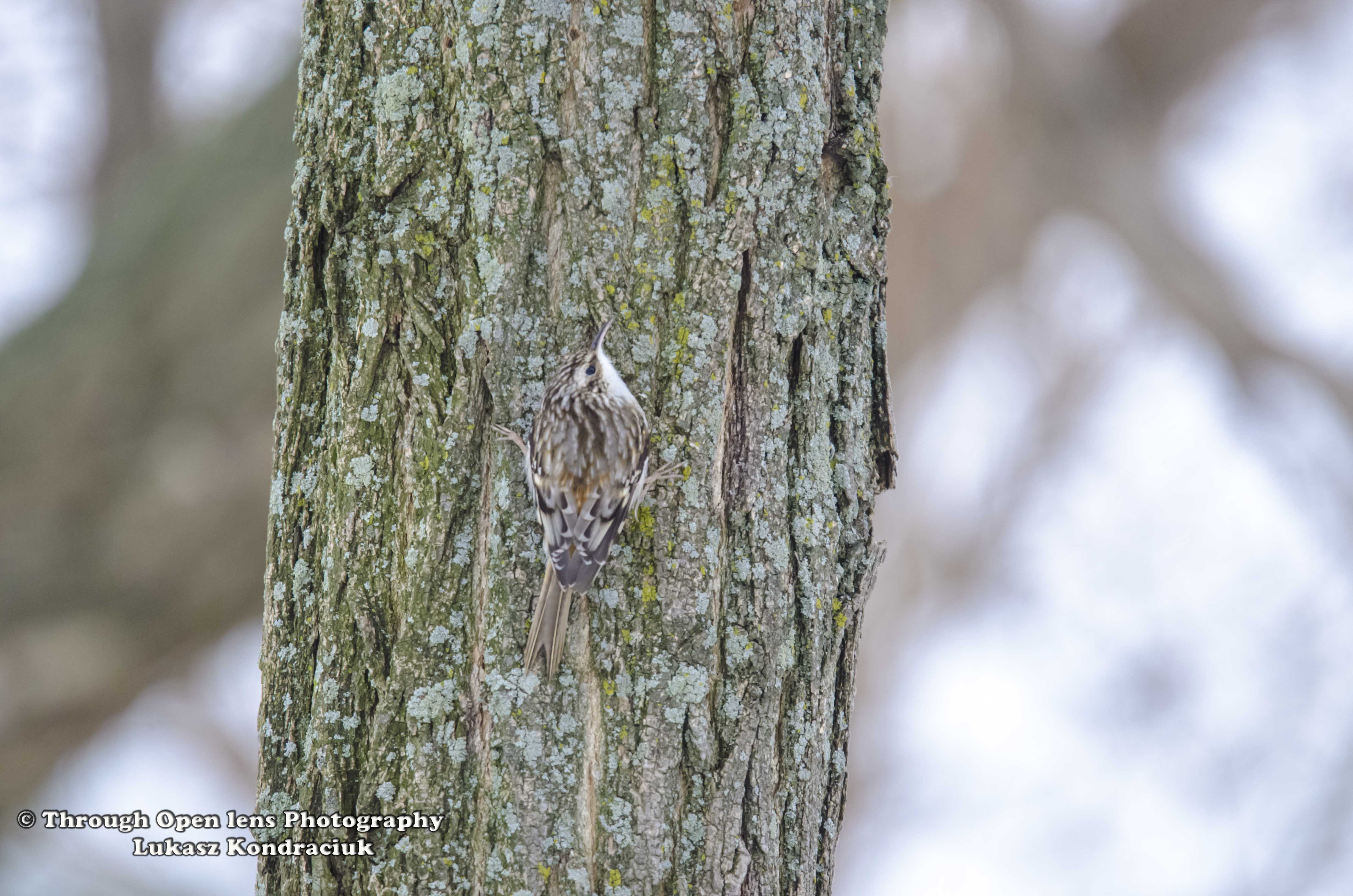
Brown Creeper

F/6.3, 1/200, ISO 1600.

Brown Creeper

What do you call a bunch of chickens playing hide-and-seek?

Fowl play!

Interesting Fact: Brown Creepers burn an estimated 4–10 calories (technically, kilocalories) per day, a tiny fraction of a human’s daily intake of about 2,000 kilocalories. By eating a single spider, a creeper gains enough energy to climb nearly 200 feet vertically. ( https://www.allaboutbirds.org/guide/Brown_Creeper/lifehistory )

Fly High And Touch The Sky

Cooper’s Hawk

F/8.0, 1/1000, ISO 200.

Cooper’s Hawk

Why did the rooster run away?

He was chicken!

Interesting Fact: Once thought averse to towns and cities, Cooper’s Hawks are now fairly common urban and suburban birds. Some studies show their numbers are actually higher in towns than in their natural habitat, forests. Cities provide plenty of Rock Pigeon and Mourning Dove prey. Though one study in Arizona found a downside to the high-dove diet: Cooper’s Hawk nestlings suffered from a parasitic disease they acquired from eating dove meat. ( https://www.allaboutbirds.org/guide/Coopers_Hawk/lifehistory )

Don’t Watch The Clock; Do What It Does. Keep Going!

Zone Tailed Hawk

F/6.3, 1/500, ISO 160.

Rough Legged Hawk ( Dark  )

What do you call a crazy chicken ?

A cuckoo cluck !

Interesting Fact: The Rough-legged Hawk’s cliffside nest, a bulky mass of sticks, sometimes contains caribou bones. Nesting pairs need a lot of space: usually only a single pair will nest on a quarter-mile-long cliff. However, the pair may nest within 100 feet of Gyrfalcons, Peregrine Falcons, or Common Ravens. ( http://identify.whatbird.com/obj/522/overview/Zone-tailed_Hawk.aspx )