I Want To Twirl!

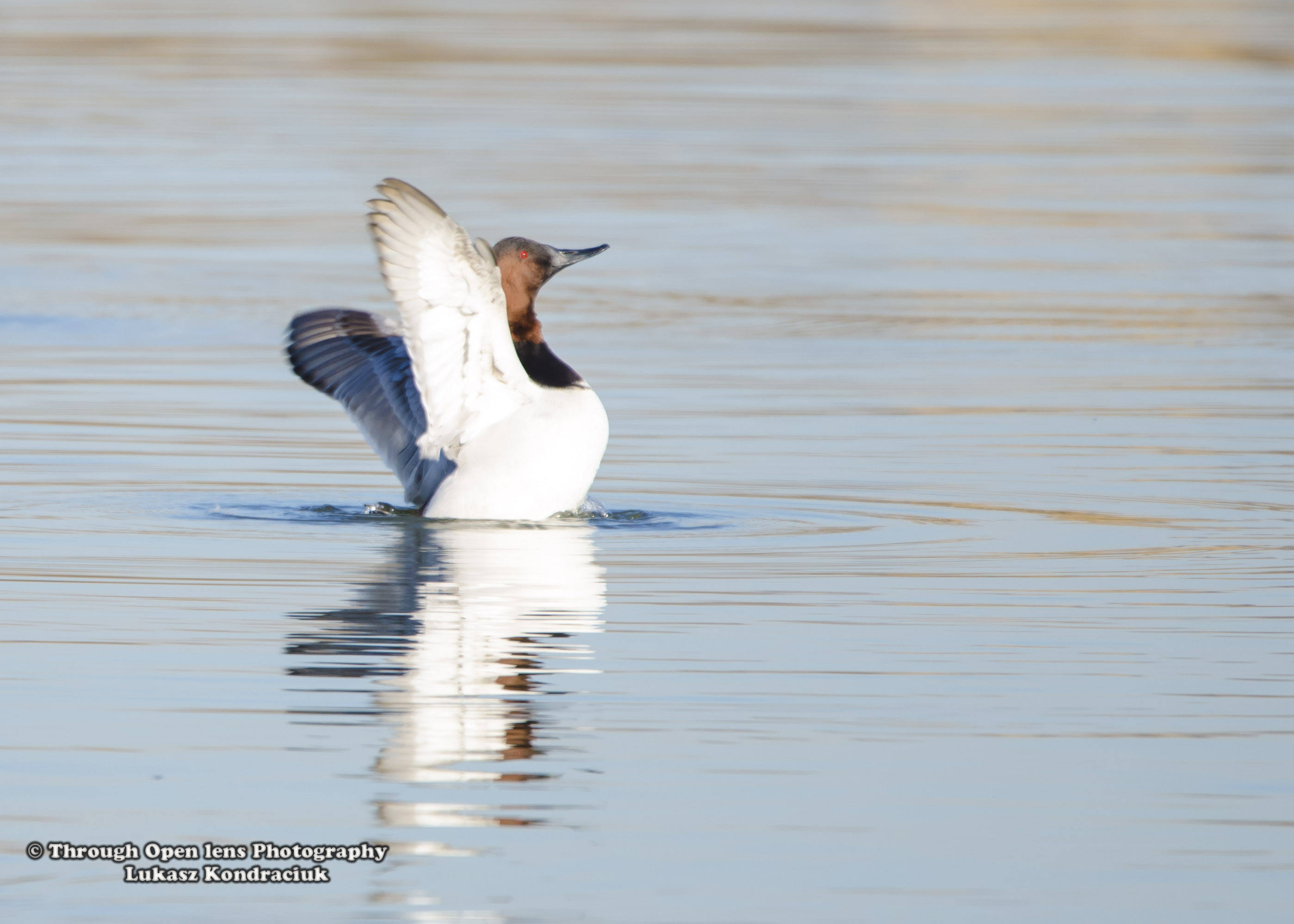
Canvasback duck

F/6.3, 1/500, ISO 200.

Canvasback

Chickens rise when the rooster crows, but when do ducks get up?

At the quack of dawn!

Interesting Fact: The Canvasback is a very good flier and can reach speeds of up to 70 mph. ( http://identify.whatbird.com/obj/100/overview/Canvasback.aspx )


Quack Off!!!

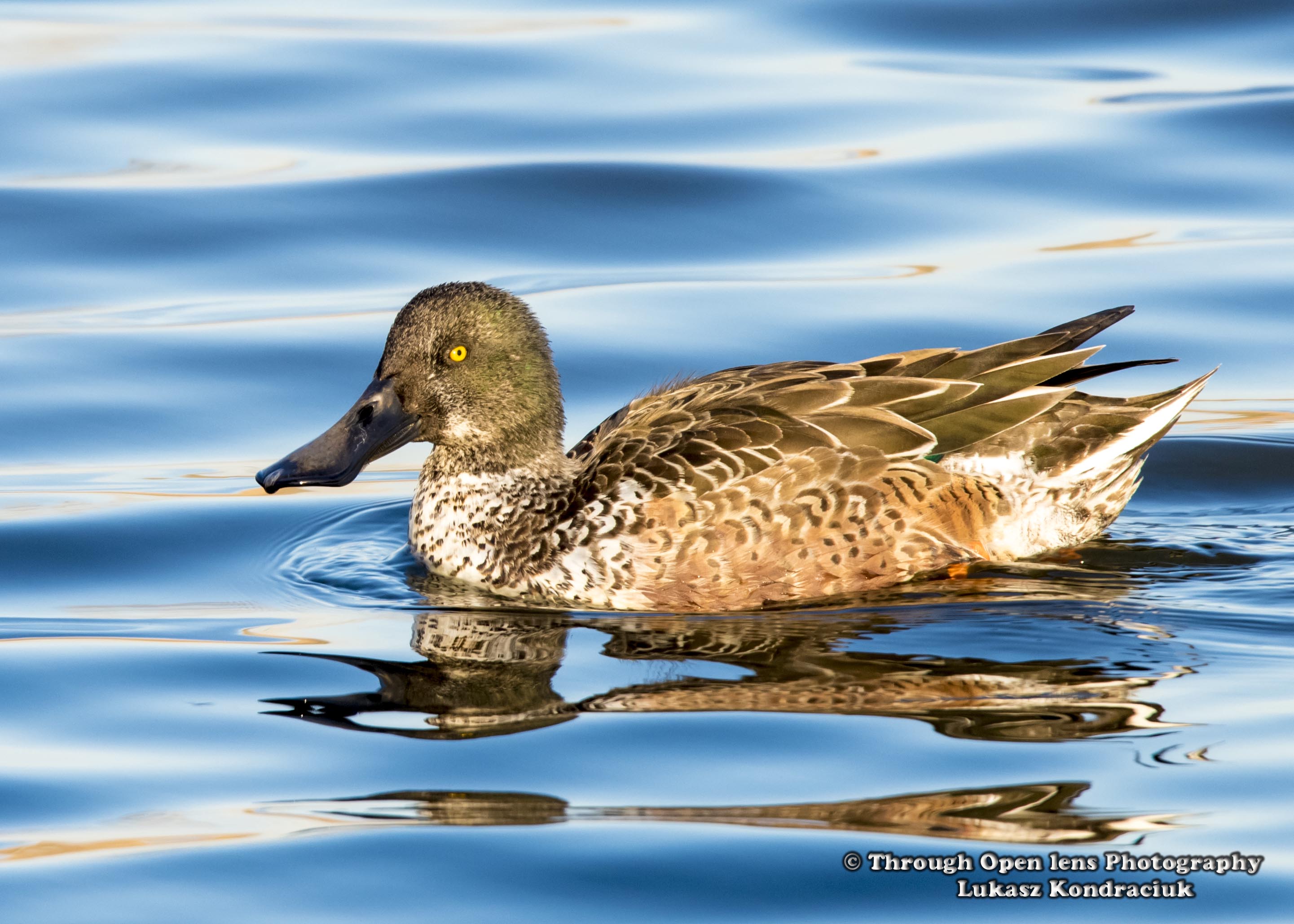
Northern Shoveler

F/10.0, 1/400, ISO 400.

Northern Shoveler

What do you get when a duck bends over?

It’s Buttquack

Interesting Fact: When flushed off the nest, a female Northern Shoveler often defecates on its eggs, apparently to deter predators. ( https://www.allaboutbirds.org/guide/Northern_Shoveler/lifehistory )

The Mighty Duck!

Hooded Merganser

F/6.3, 1/200, ISO 1600.

Hooded Merganser

What did the duck carry his schoolbooks in?

His Quackpack!

Interesting Fact: Hooded Merganser ducklings leave their nest cavity within 24 hours of hatching. First, their mother checks the area around the nest and calls to the nestlings from ground level. From inside the nest, the little fluffballs scramble up to the entrance hole and then flutter to the ground, which may be 50 feet or more below them. In some cases they have to walk half a mile or more with their mother to the nearest body of water. ( https://www.allaboutbirds.org/guide/Hooded_Merganser/lifehistory )


What Is Good For The Goose Is Good For Gander

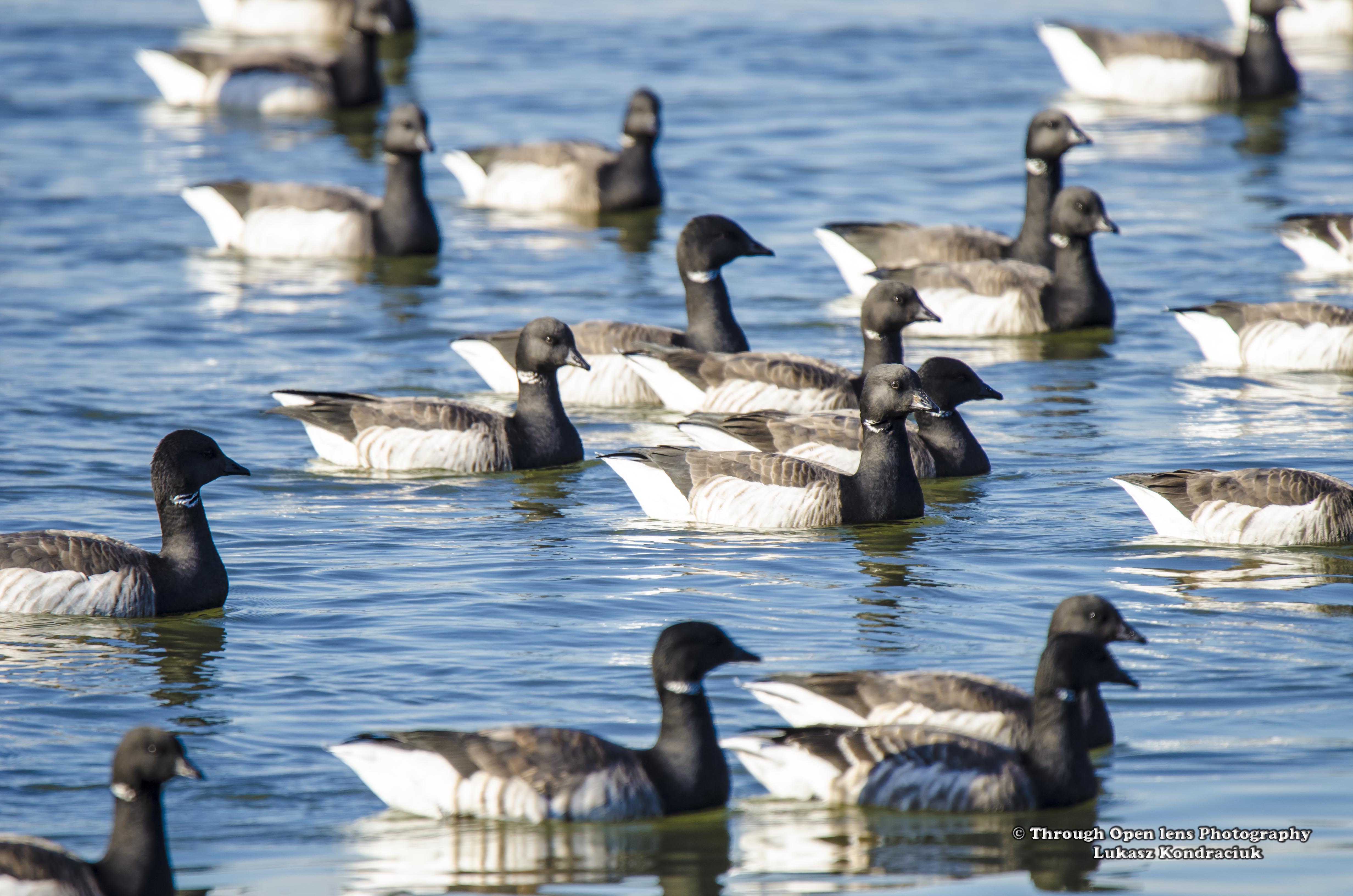
Brant

F/ 6.3, 1/500, ISO 200.

Brants Geese

The devout cowboy lost his favorite Bible while he was mending fences out on the range.
Three weeks later, a goose walked up to him carrying the Bible in its mouth.
The cowboy couldn’t believe his eyes.
He took the precious book out of the goose’s mouth, raised his eyes heavenward and exclaimed, “It’s a miracle!”
“Not really,” said the goose. “Your name is written inside the cover.”

Interesting Fact: They possess a highly developed salt gland that allows them to drink salt water. ( http://identify.whatbird.com/obj/290/overview/Brant.aspx )

I Hear You Loud And Clear!

Ruddy Duck

F/ 9.0, 1/320, ISO 250.

Ruddy Duck

Duck Week Continues!

A duck walks into a bar, sits down at the barstool, and waits for the bartender. The bartender walks up, hands the duck a menu, waits a while, and comes back to take his order. “What’ll it be?” the bartender says.

The duck says, “I think I’ll have the grapes.”

“Well, I’m sorry sir, but this is a bar, we don’t serve grapes here. Now, I’ll let you look a bit longer and wave when you know what you want.”

The duck looks at the menu, then waves the bartender down.

“Ok, you got your order?” The duck nods, saying, “I’ll think I’ll have the grapes.”

The bartender, kind of peeved from the duck, says, “Look Mac, we don’t have any grapes here. This is a bar. We don’t serve grapes, so what will you have?!”

The duck looks at him in the eyes and says, “I’ll have the grapes.”

The bartender, enraged, shouts, “If you ask for the grapes one more time I’m going to nail your feathered a** to the barstool!!” The bartender cools off a bit. “Now what will you get?!”

“Got any nails?”

“OF COURSE WE DON’T HAVE ANY NAILS! WHAT DO YOU THINK THIS IS? A HARDWARE STORE?”

“Good, got any grapes?”

Interesting Fact: Ruddy Ducks get harassed by Horned Grebes, Pied-billed Grebes, and American Coots during the breeding season. The grebes sometimes attack Ruddy Ducks from below the water, a behavior known as “submarining.” ( https://www.allaboutbirds.org/guide/Ruddy_Duck/lifehistory )

That’s Quacktastic !

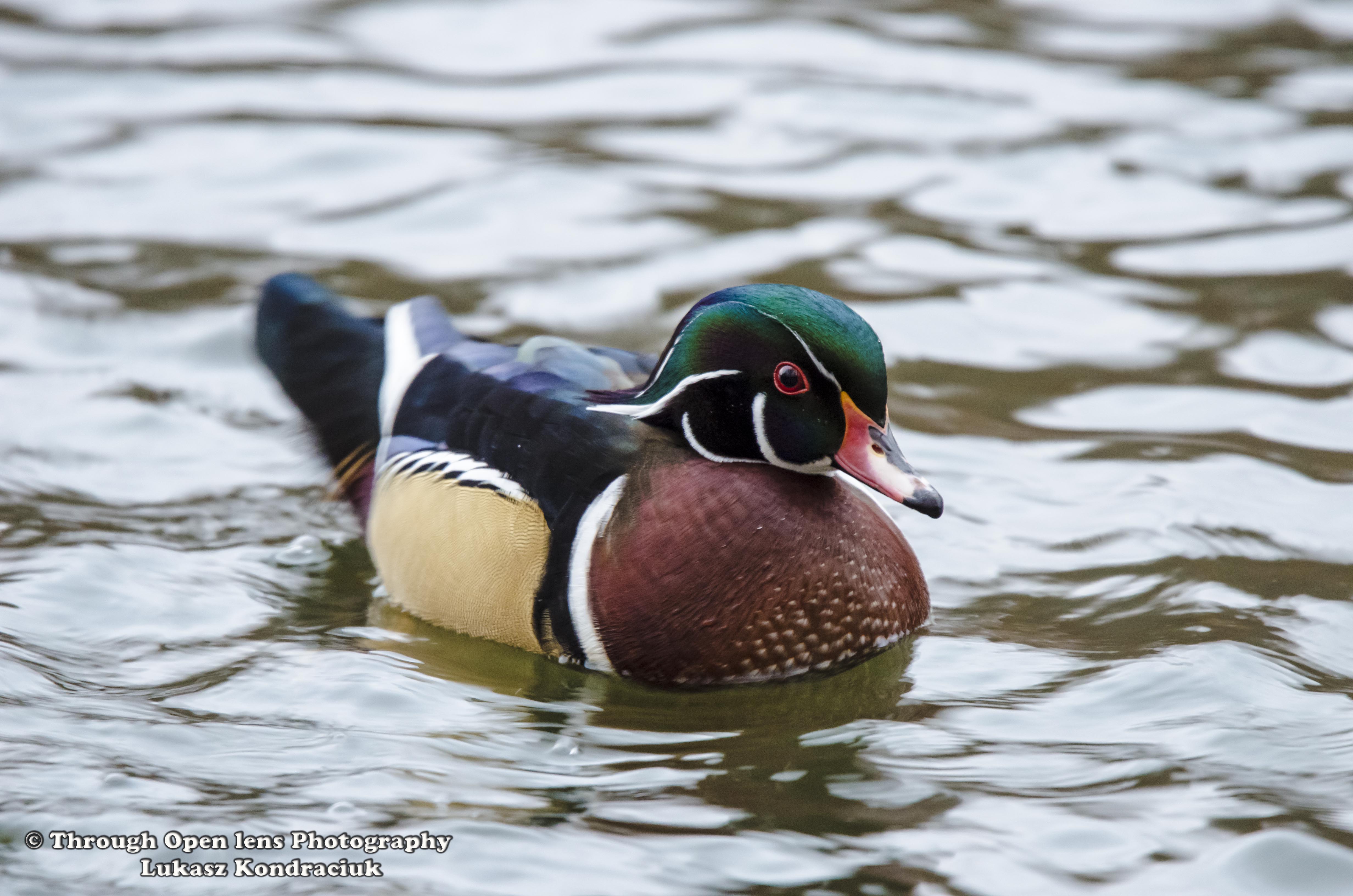
Wood Duck

F/ 6.3, 1/40, ISO 1600.

Wood Duck

Duck Week Continues!

What do you get when you cross a duck with a computer?

A quackintosh.

Interesting Fact: Wood Ducks pair up in January, and most birds arriving at the breeding grounds in the spring are already paired. The Wood Duck is the only North American duck that regularly produces two broods in one year. ( https://www.allaboutbirds.org/guide/Wood_Duck/lifehistory )

Swimming With Purpose!

Harlequin Duck

F/ 10.0, 1/400, ISO 400.

Harlequin Duck

Duck Week!

What time does a duck wake up?

At the quack of dawn!

Interesting Fact: When engaged in behavioral interactions, the Harlequin Duck gives distinctly unducklike squeaks, the source of one of its local names: sea mouse. ( https://www.allaboutbirds.org/guide/Harlequin_Duck/lifehistory )

The Duck Says Quack!

Ruddy Duck

F/ 10.0, 1/400, ISO 250.

Ruddy Duck

Day 312 / 365

What did the duck say when he dropped the dishes?

I hope I didn’t quack any!”
Interesting Fact: Though Ruddy Ducks are native to the Americas, one population became established in England after captive ducks escaped in 1952. This population grew to about 3,500 individuals by 1992, and now appears to be expanding into the Netherlands, France, Belgium, and Spain. ( https://www.allaboutbirds.org/guide/Ruddy_Duck/lifehistory ).

Swim At Your Own Risk!

Pied-Billed Grebe Juvenile

F/6.3, 1/640, ISO 6400.

Pied-Billed Grebe ( Juvenile )

Day 286 / 365

What robs you while you’re in the bathtub?

A robber ducky.

Interesting Fact: Pied-billed Grebes can trap water in their feathers, giving them great control over their buoyancy. They can sink deeply or stay just at or below the surface, exposing as much or as little of the body as they wish. The water-trapping ability may also aid in the pursuit of prey by reducing drag in turbulent water. ( http://www.allaboutbirds.org/guide/Pied-billed_Grebe/lifehistory )

Everyday They’re Out There Making DuckTales! Woo-oo!


Ruddy Duck

F/6.3, 1/1000, ISO 800.

Juvenile Ruddy Ducks

Day 187 / 365

Three ducks are in a pond.
One went “Quack quack!”
And the other duck said “Thats funny I was just about to say that!”

Interesting Fact: Ruddy Ducks lay big, white, pebbly-textured eggs—the largest of all duck eggs relative to body size. Energetically expensive to produce, the eggs hatch into well-developed ducklings that require only a short period of care. ( http://www.allaboutbirds.org/guide/Ruddy_Duck/lifehistory )