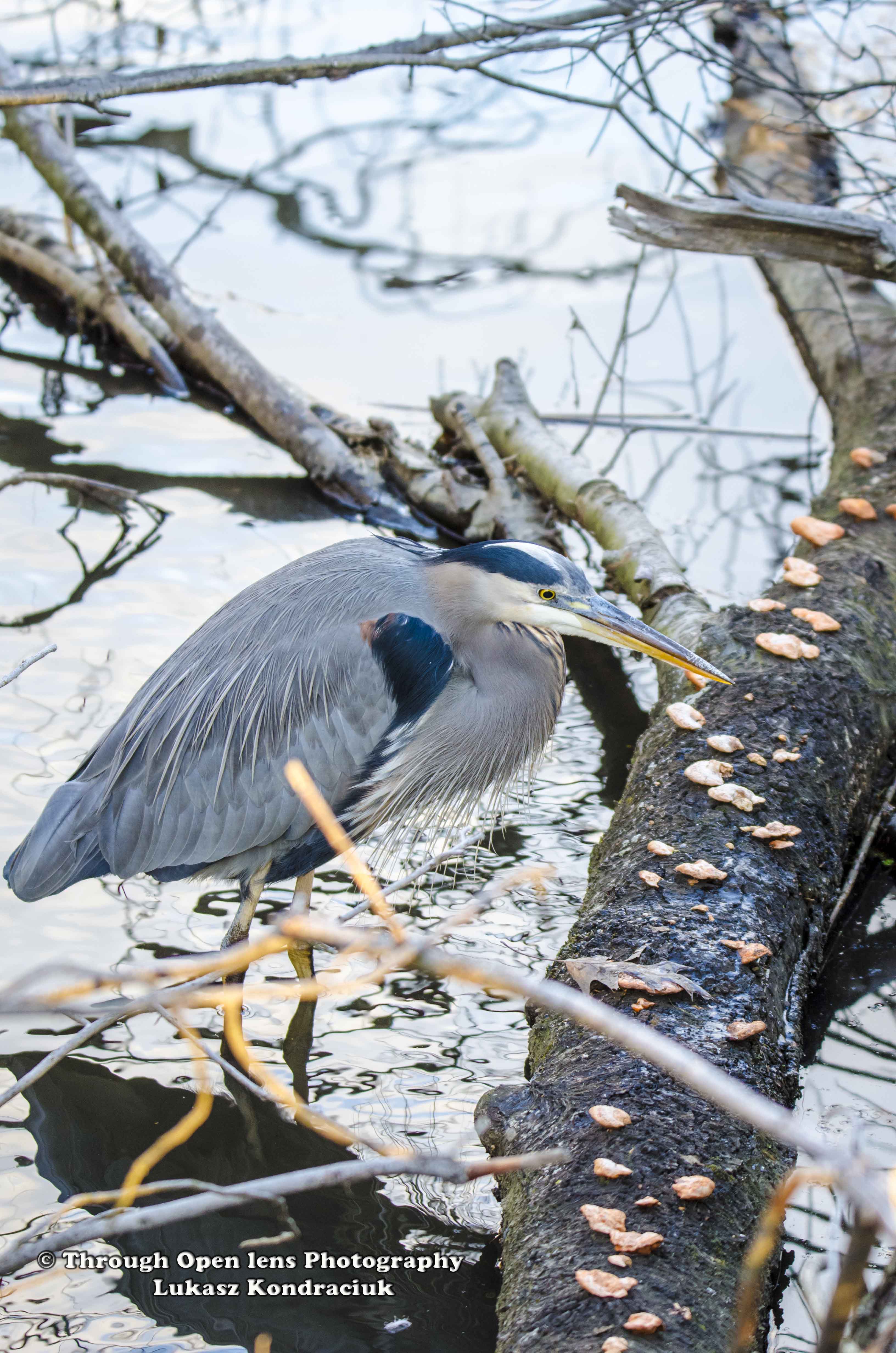
I Will Wait For You!

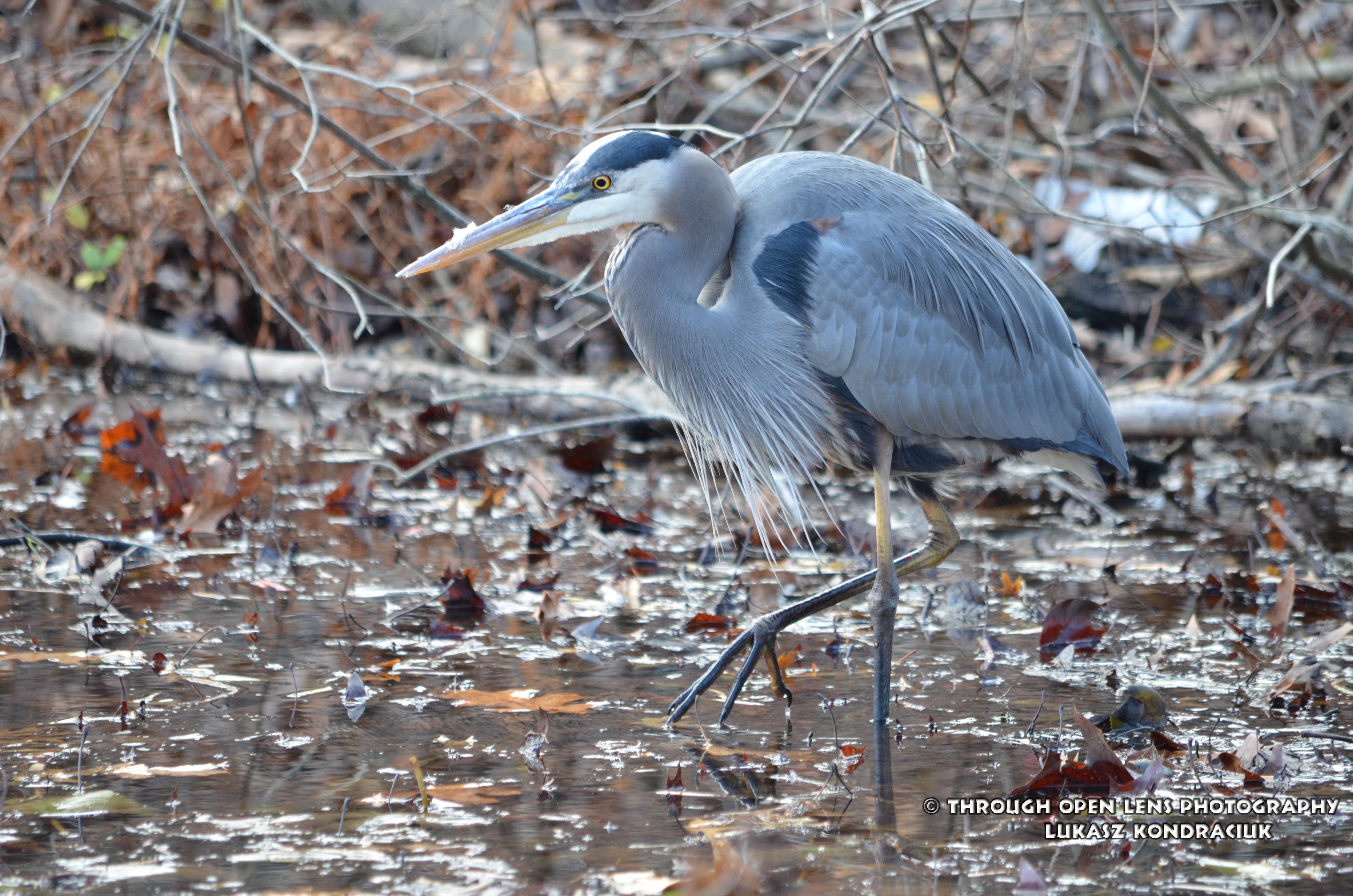
Great Blue Heron 1

F/ 5.0, 1/125, ISO 800.

Great Blue Heron

Why did the chicken cross the road half way?

He wanted to lay it on the line!

Interesting Fact:  Despite their impressive size, Great Blue Herons weigh only 5 to 6 pounds thanks in part to their hollow bones—a feature all birds share. ( https://www.allaboutbirds.org/guide/Great_Blue_Heron/lifehistory )

Walking On Water Ain’t Easy!

Great Blue Heron 1

F/ 6.3, 1/160, ISO 320.

Great Blue Heron

Day 273 / 365

What holiday is observed by all birds?

Feather’s Day!

Interesting Fact: Great Blue Herons aren’t likely to visit a typical backyard. However, they are sometimes unwelcome visitors to yards that include fish ponds. A length of drain pipe placed in the pond can provide fish with a place to hide from feeding herons. Herons, like most of our birds, are legally protected by the Migratory Bird Treaty Act. ( http://www.allaboutbirds.org/guide/great_blue_heron/lifehistory )

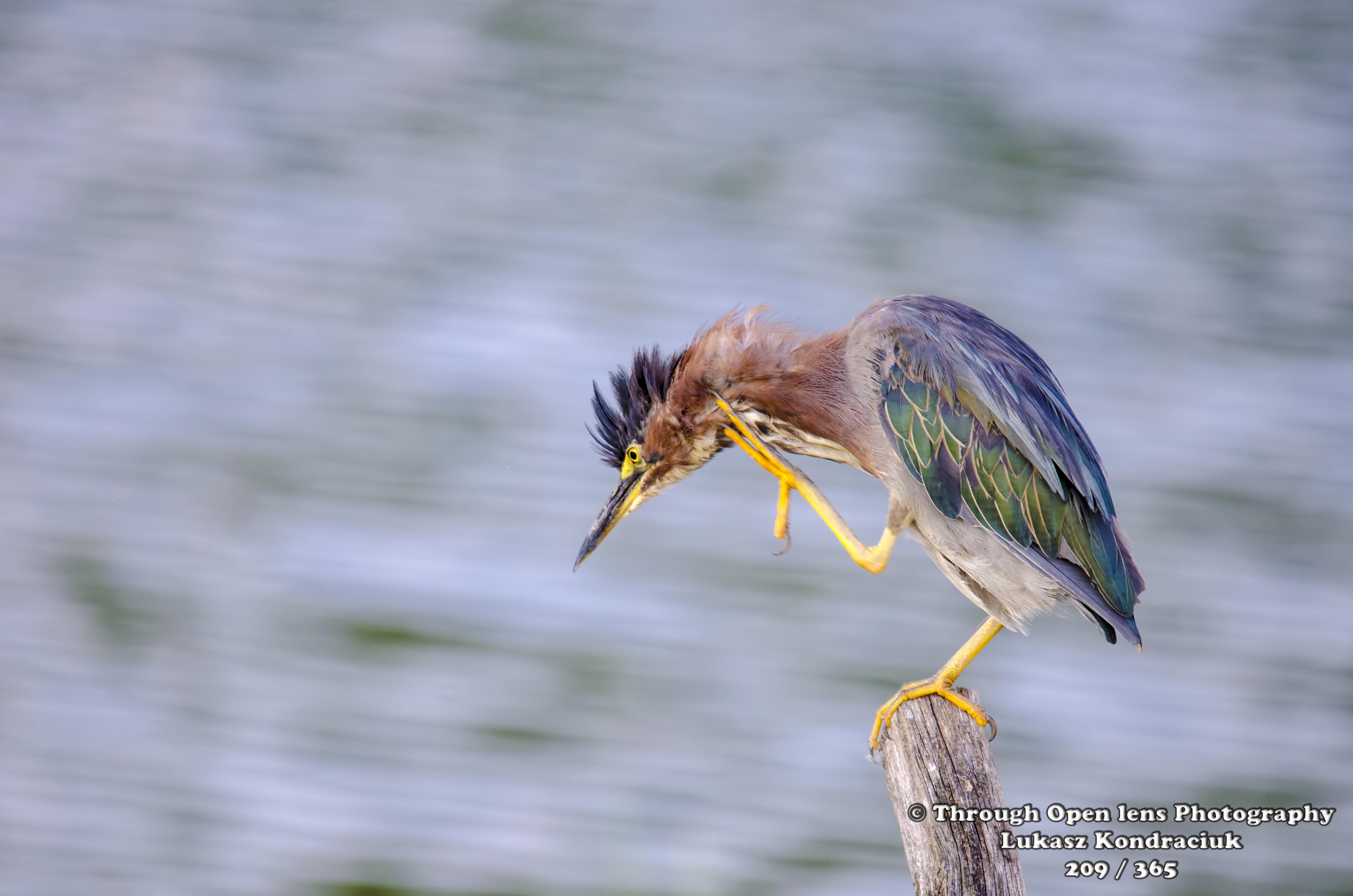
I Got 99 Problems But An ITCH Ain’t One

Green Heron

F/6.3, 1/250, ISO 500.

Green Heron

Day 209 / 365

Why did the heron cross the road?

The chicken was on vacation.

Interesting Fact: The Green Heron is one of the world’s few tool-using bird species. It creates fishing lures with bread crusts, insects, earthworms, twigs, feathers, and other objects, dropping them on the surface of the water to entice small fish. ( http://www.allaboutbirds.org/guide/Green_Heron/lifehistory )

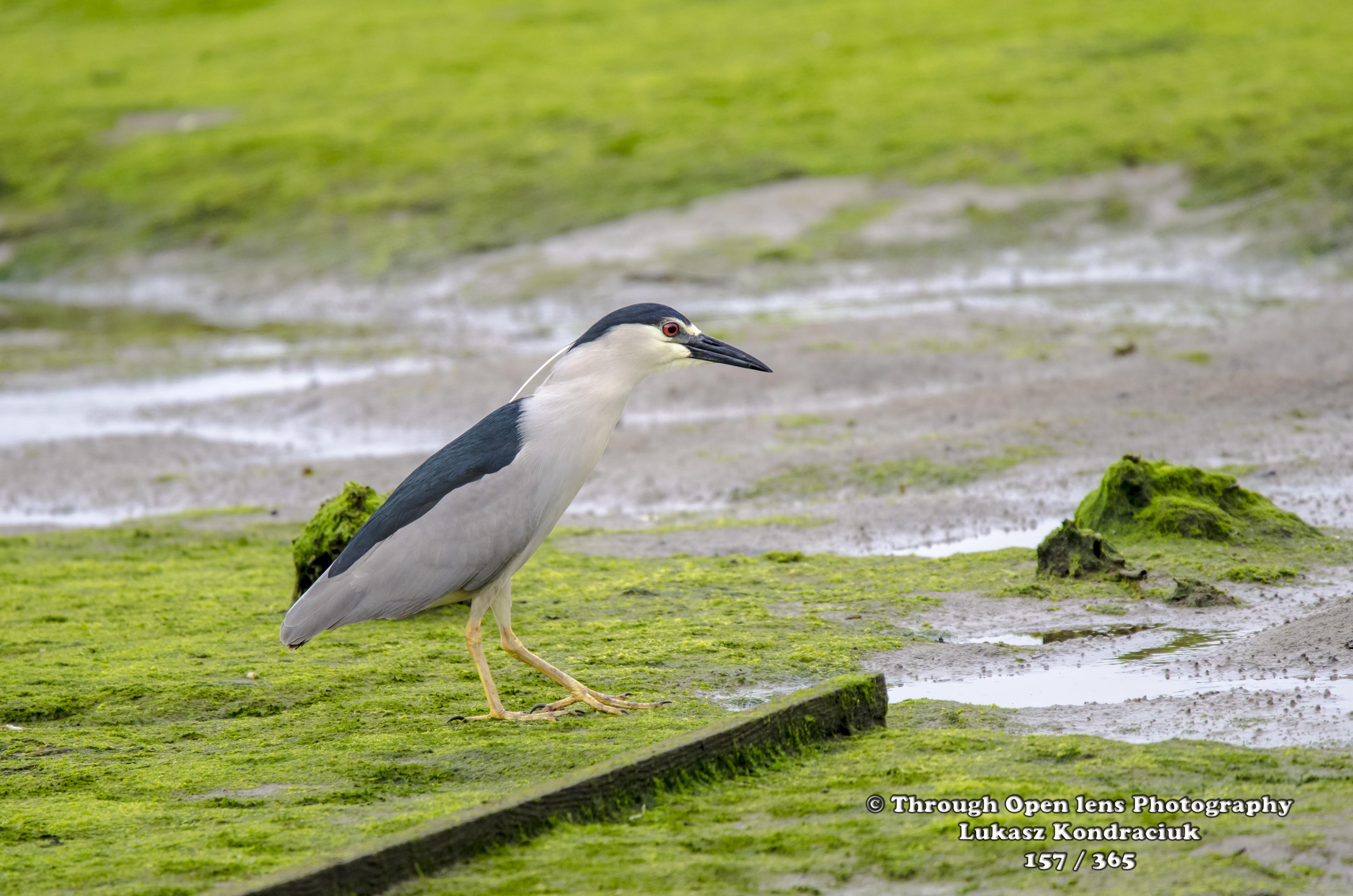
Hey! Where did the water go?

Black-crowned Night-Heron

F/6.3, 1/800, ISO 800.

Black-crowned Night-Heron

Day 157 / 365

Why did the heron cross the road?
To prove he wasn’t chicken.

Interesting Fact: The Black-crowned Night-Heron is a patient hunter. It will often stand still and just wait for a frog or other small animals to pass by. They may also hunt by vibrating their bills in the water to lure prey into investigating the disturbance.  ( http://identify.whatbird.com/obj/24/overview/Black-crowned_Night-Heron.aspx )

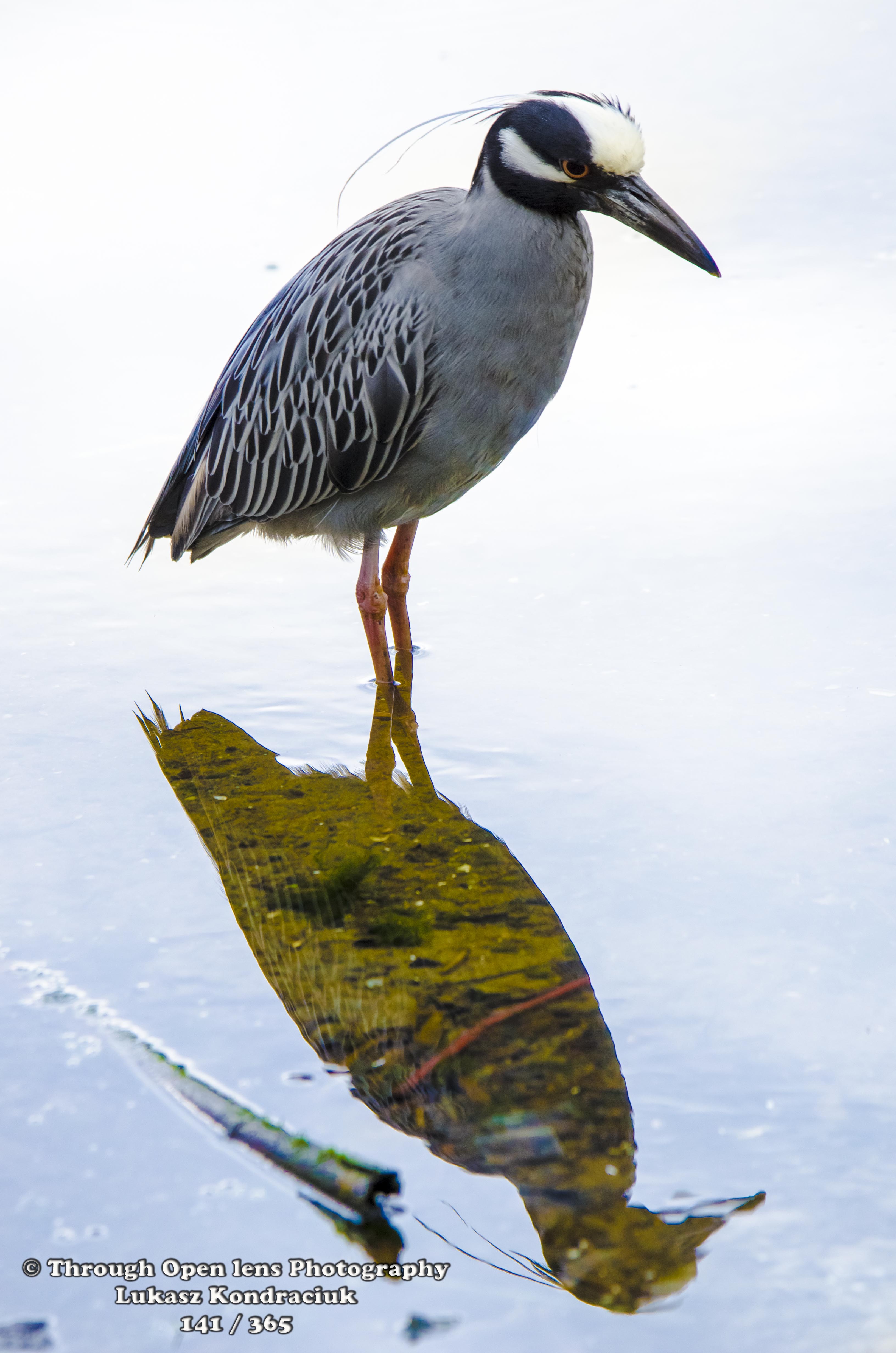
Damn I Look Good!

Yellow-crowned Night Heron

F/6.0, 1/1000, ISO 450.

Yellow-crowned Night Heron

Day 141 / 365

What do you call a heron at the North Pole?
Lost!

Interesting Fact:  Occasionally it will prey on small turtles; its stomach secretes an acid capable of dissolving the shells. ( http://identify.whatbird.com/obj/53/_/Yellow-crowned_Night-Heron.aspx )

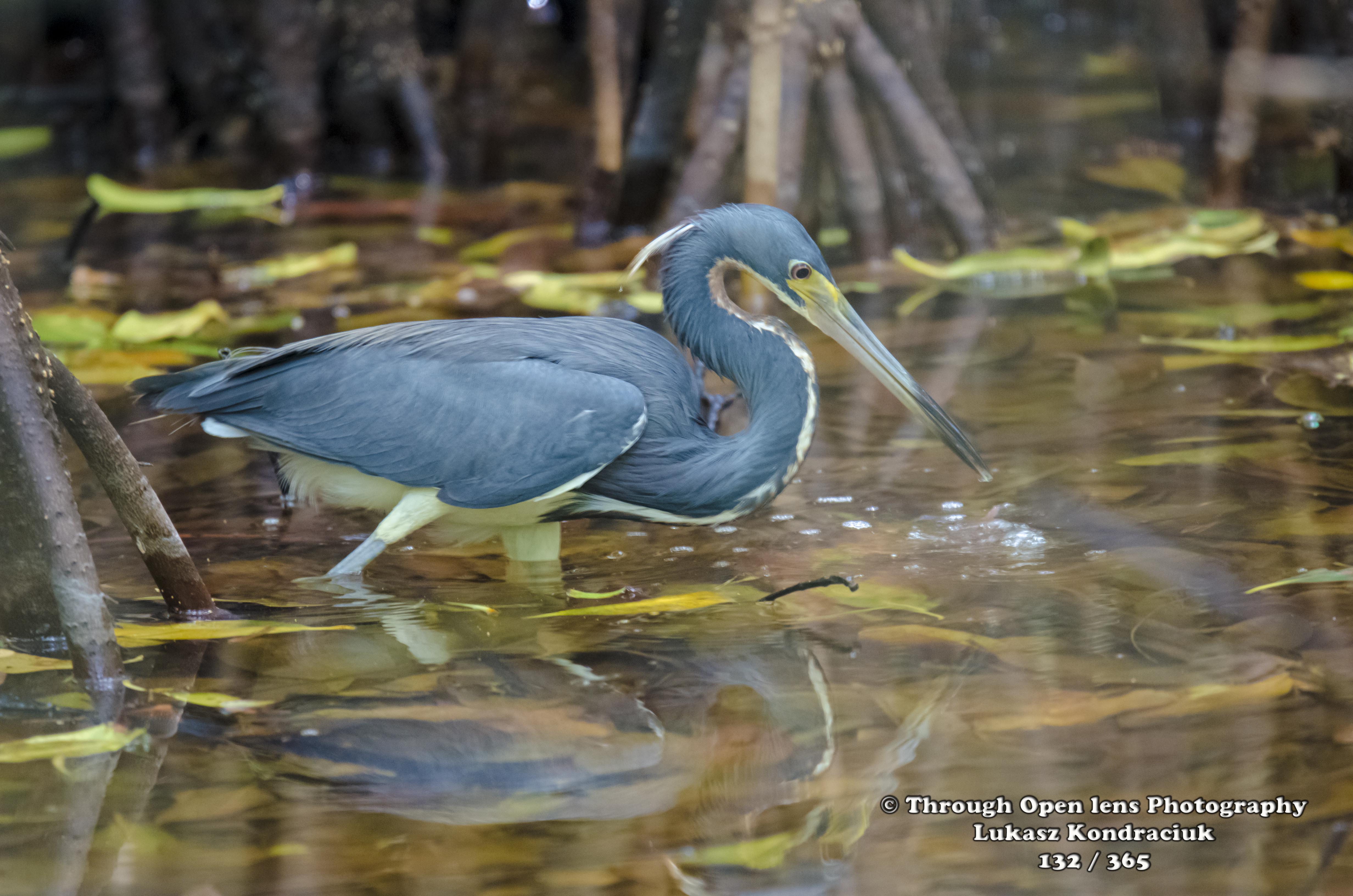
Swamp Fishing!

Tricolored Heron

F/6.3, 1/30, ISO 1600.

Tricolored Heron

Day 132 / 365

I paid the price of too many mosquito bites to get this shot.  But it was worth it.    🙂

Interesting Fact:

The tricolored heron (Egretta tricolor), formerly known in North America as the Louisiana heron, is a small heron. It is a resident breeder from the Gulf states of the USA and northern Mexico south through Central America and the Caribbean to central Brazil and Peru. There is some post-breeding dispersal to well north of the nesting range. Tricolored heron’s breeding habitat is sub-tropical swamps. It nests in colonies, often with other herons, usually on platforms of sticks in trees or shrubs. In each clutch, 3–7 eggs are typically laid. ( http://en.wikipedia.org/wiki/Tricolored_heron )

Be Very Very Quiet, I’m Hunting!

Great Blue Heron

F/5.6, 1/160, ISO 800.

Hey you, photography man, stay still.  I have been waiting for this fish all day and I am not going to let you mess this up for me.


Great Blue Heron1

F/5.6, 1/160, ISO 800.

FINALLY GOT WHAT I WAS WAITING FOR !!!!


Interesting Fact:  Great Blue Herons can hunt day and night thanks to a high percentage of rod-type photoreceptors in their eyes that improve their night vision. (  http://www.allaboutbirds.org/guide/great_blue_heron/lifehistory )