I’m Just Hanging Out

Golden-crowned Kinglet

F/6.3, 1/500, ISO 800.

Golden-crowned Kinglet

Day 289 / 365

When is the best time to buy birds?

When they’re going cheap!

Interesting Fact: The tiny Golden-crowned Kinglet is hardier than it looks, routinely wintering in areas where nighttime temperatures can fall below –40° Fahrenheit. ( https://www.allaboutbirds.org/guide/Golden-crowned_Kinglet/lifehistory )

Go Green!

Yellow-Rumped Warbler

F/6.3, 1/80, ISO 1000.

Yellow-Rumped Warbler

Day 288 / 365

I was in a park earlier and I saw a “keep off the grass” sign.

I couldn’t help but think… how did it get there?

Interesting Fact: Yellow-rumped Warblers are perhaps the most versatile foragers of all warblers. They’re the warbler you’re most likely to see fluttering out from a tree to catch a flying insect, and they’re also quick to switch over to eating berries in fall. Other places Yellow-rumped Warblers have been spotted foraging include picking at insects on washed-up seaweed at the beach, skimming insects from the surface of rivers and the ocean, picking them out of spiderwebs, and grabbing them off piles of manure.  ( http://www.allaboutbirds.org/guide/Yellow-rumped_Warbler/lifehistory )

“I Am Training To Be A Spy”

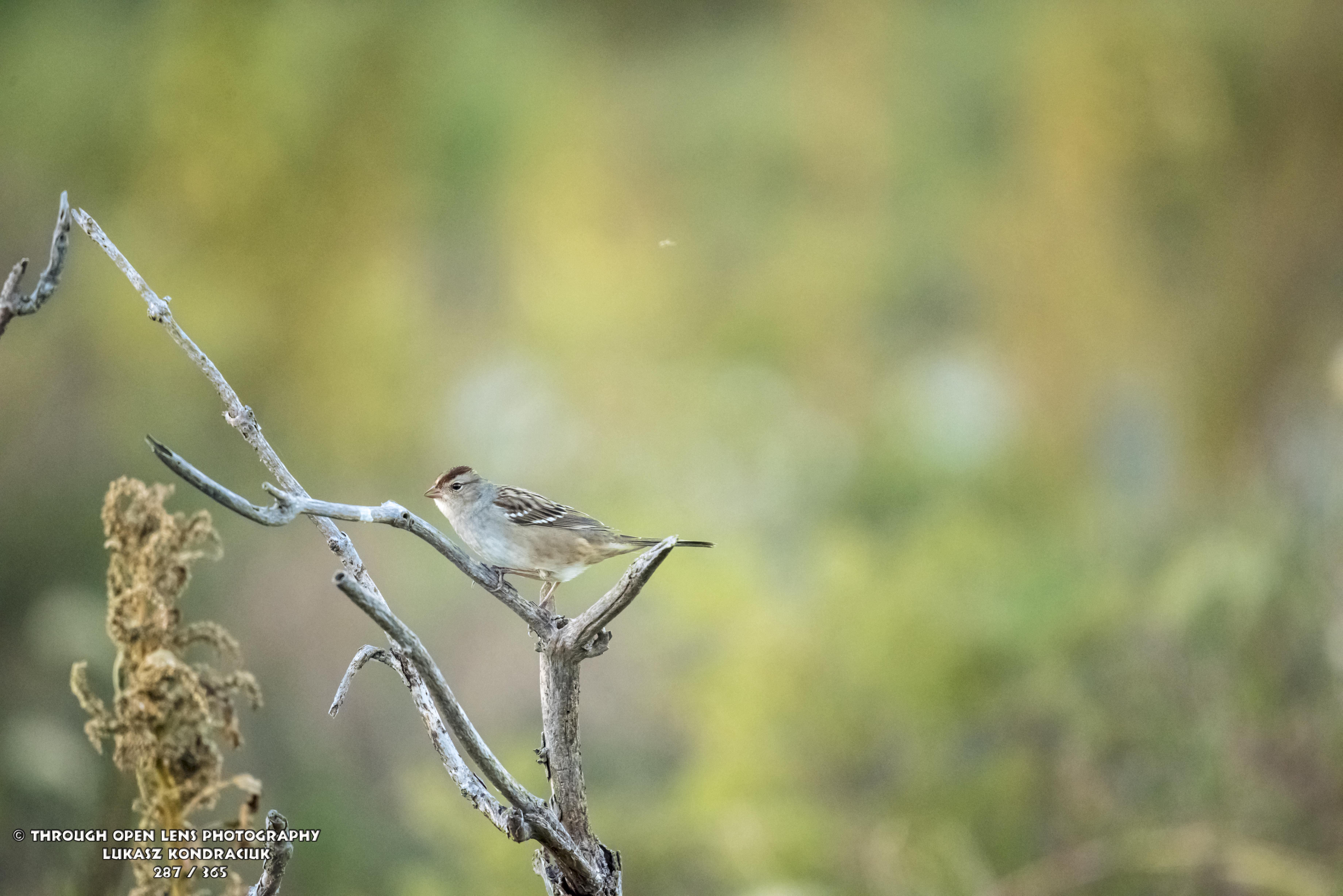
American Tree Sparrow

F/6.3, 1/640, ISO 5600.

American Tree Sparrow

Day 287 / 365

Older couple were walking through the park when a sparrow flew overhead. The bird poop landed right on old man’s head.
Seeing the mess, old woman said, “I wish we had some toilet tissue.”
The Old man replied, “What good would it do. He’s probably a half a mile away by now.”

Interesting Fact: American Tree Sparrows need to take in about 30 percent of their body weight in food and a similar percentage in water each day. A full day’s fasting is usually a death sentence. Their body temperature drops and they lose nearly a fifth of their weight in that short time.  ( http://www.allaboutbirds.org/guide/American_Tree_Sparrow/lifehistory )

Swim At Your Own Risk!

Pied-Billed Grebe Juvenile

F/6.3, 1/640, ISO 6400.

Pied-Billed Grebe ( Juvenile )

Day 286 / 365

What robs you while you’re in the bathtub?

A robber ducky.

Interesting Fact: Pied-billed Grebes can trap water in their feathers, giving them great control over their buoyancy. They can sink deeply or stay just at or below the surface, exposing as much or as little of the body as they wish. The water-trapping ability may also aid in the pursuit of prey by reducing drag in turbulent water. ( http://www.allaboutbirds.org/guide/Pied-billed_Grebe/lifehistory )

Knock, Knock, Knocking On Heavens Door!

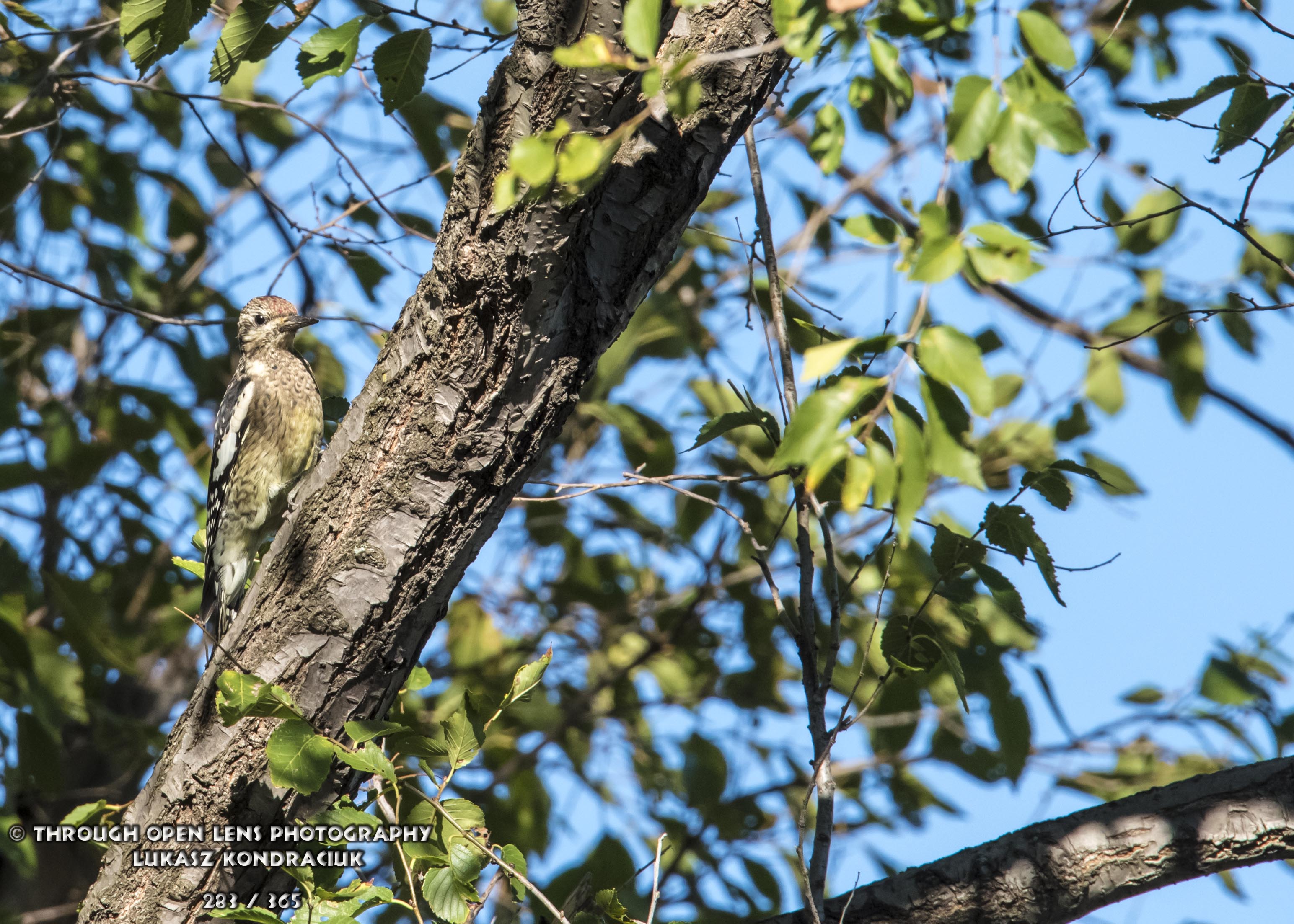
Yellow bellied sapsucker juvenile

F/11.0, 1/640, ISO800.

Yellow Bellied Sapsucker ( Juvenile )

Day 284 / 365

I used to have a woodpecker called Woody, until he attacked my fiancé.

I still can’t believe Woody would peck her.

Interesting Fact: The Yellow-bellied Sapsucker makes two kinds of holes in trees to harvest sap. Round holes extend deep in the tree and are not enlarged. The sapsucker inserts its bill into the hole to probe for sap. Rectangular holes are shallower, and must be maintained continually for the sap to flow. The sapsucker licks the sap from these holes, and eats the cambium of the tree too. New holes usually are made in a line with old holes, or in a new line above the old.  ( http://www.allaboutbirds.org/guide/Yellow-bellied_Sapsucker/lifehistory )

Having A Lathe Can Really Turn Things Around…

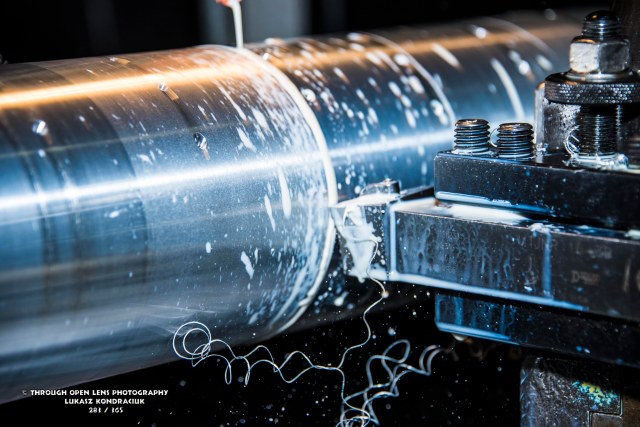
lathe

F/ 5.6, 1/250, ISO320.

Day 283 / 365

My friend applied for a job at a engineering firm to work on a lathe.

They turned him down!

Interesting Fact: In 1887, R. K. LeBlond founded the R. K. LeBlond Machine Tool Company to manufacture metal cutting lathes.[1] As a result of a joint venture with Makino Milling Machine, LeBlond Makino Machine Tool Company was formed in 1981. In 1996, LeBlond Makino Machine Tool Company changed its name to Makino. Then in 1997, LeBlond Lathe Parts was founded to focus on the service and support of all LeBlond lathe equipment manufactured since 1887. In 1998, after acquiring the W. F. & John Barnes Company, the company’s name was changed to LeBlond Ltd to reflect a broader business purpose. LeBlond continued its acquisition strategy by acquiring the Standard Modern lathe service parts business in 1999. The Johnson Press and Deka Drill service parts businesses were acquired from South Bend Lathe in 2001 and the South Bend Lathe and Dynablast parts businesses in March, 2002. LeBlond’s product support team had collectively 160 years of service with LeBlond Machine Tool Company, LeBlond Makino and Makino. ( https://en.m.wikipedia.org/wiki/R._K._LeBlond_Machine_Tool_Company )

The Best Thing One Can Do When It’s Raining, Is To Let It Rain!

raining night

F/ 4.8, 5.0, ISO 500.

Day 282 / 365

What often falls but never gets hurt?

Rain

Interesting Fact: Rain occurs on other planets in our Solar System but it is different to the rain we experience here on Earth. For example, rain on Venus is made of sulfuric acid and due to the intense heat it evaporates before it even reaches the surface! ( http://www.sciencekids.co.nz/sciencefacts/weather/rain.html )

Wiggle It Just A Little Bit

Palm Warbler

F/6.3, 1/80, ISO 500.

Palm Warbler

Day 281 / 365

A little boy comes in to a pet store.

Little boy : I’d like to buy some bird seed.
Clerk: How many birds do you have?
Little boy : None! I want to grow some!


Interesting Fact: The Palm Warbler can be most easily recognized by the tail-wagging habit that shows off its yellow undertail. ( http://identify.whatbird.com/obj/335/overview/Palm_Warbler.aspx )

I’ve Been Waiting Patiently For You To Come In And Now! Get out!

Killdeer

F/8.0, 1/250, ISO 400.

Killdeer

Day 279 / 365

Why do birds fly south for the winter?

It’s quicker than driving.

Interesting Fact: They are ground-nesting birds that are famous for hiding their nests right out in the open. They really use no nesting materials and rely on distraction displays to protect their offspring. ( http://identify.whatbird.com/obj/101/overview/Killdeer.aspx )

Birds Of A Feather Flock Together

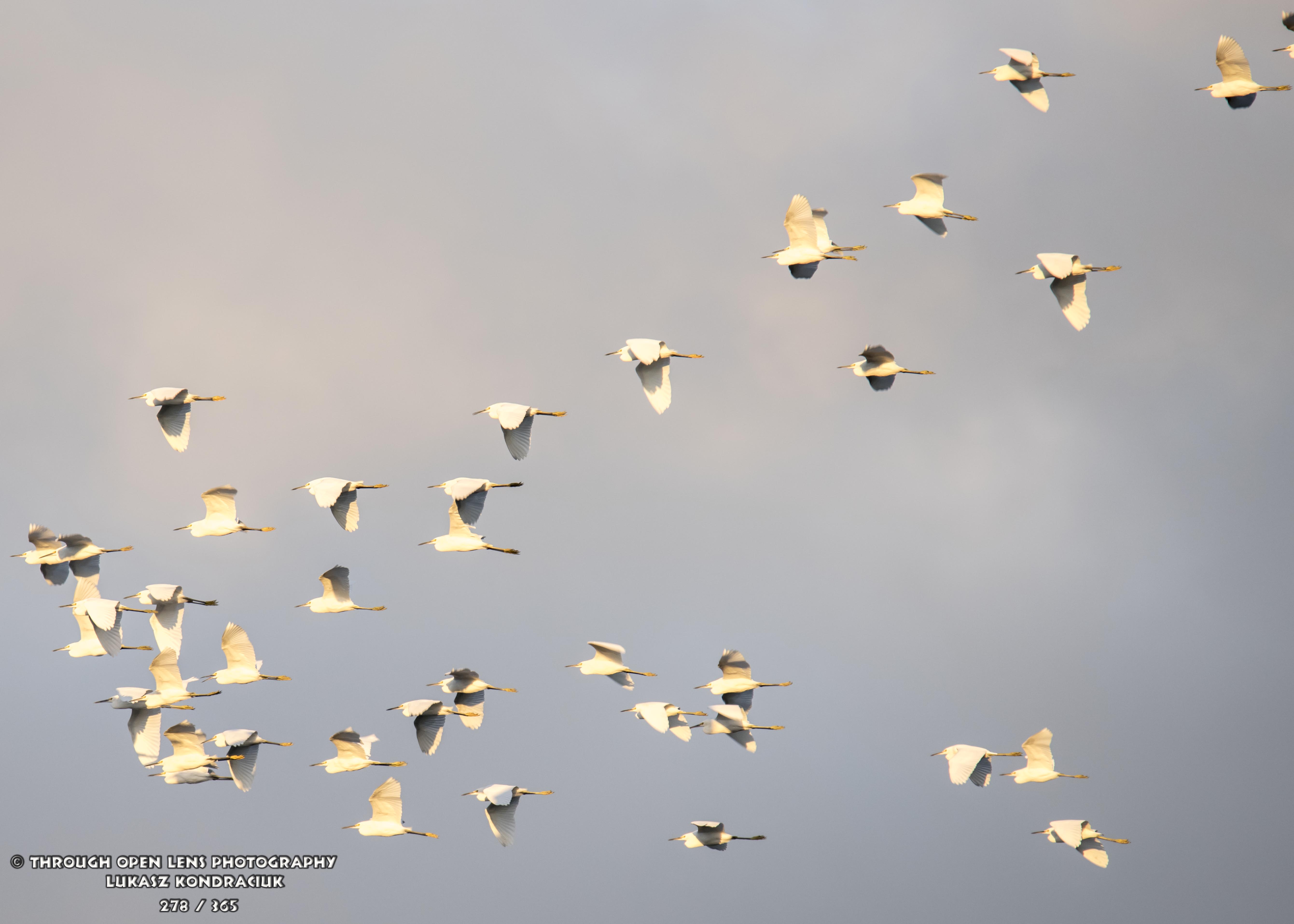
Snowy Egrets Flock

F/9.0, 1/320, ISO 320.

Snowy Egrets

Day 278 / 365

Why did the Snowy Egret fly away when they get scared?

Because it didn’t want to run away like a chicken.

Interesting Fact: There is evidence that a pair of Snowy Egrets cannot recognize each other except at the nest. Even there, a bird arriving to relieve its mate must perform an elaborate greeting ceremony in order to avoid being attacked as an intruder. ( http://identify.whatbird.com/obj/48/_/Snowy_Egret.aspx )