I’d Climb The Highest Mountain

Dark-eyed Junco 1

F/11.0, 1/500, ISO 320.

Dark-eyed Junco 

How long do chickens work?

Around the cluck!

Interesting Fact: The Dark-eyed Junco is one of the most common birds in North America and can be found across the continent, from Alaska to Mexico, from California to New York. A recent estimate set the junco’s total population at approximately 630 million individuals.  ( https://www.allaboutbirds.org/guide/Dark-eyed_Junco/lifehistory )

We Like Warm Hugs!

snowman

F/8.0, 1/250, ISO 100.

What do Snowmen call their offspring?

Chill-dren.

Interesting Fact: Documentation of the first snowman is unclear. However, Bob Eckstein, author of The History of the Snowman documented snowmen from medieval times, by researching artistic depictions in European museums, art galleries, and libraries. The earliest documentation he found was a marginal illustration from a work titled Book of Hours from 1380, found in Koninklijke Bibliotheek, in The Hague. ( https://en.wikipedia.org/wiki/Snowman#History )

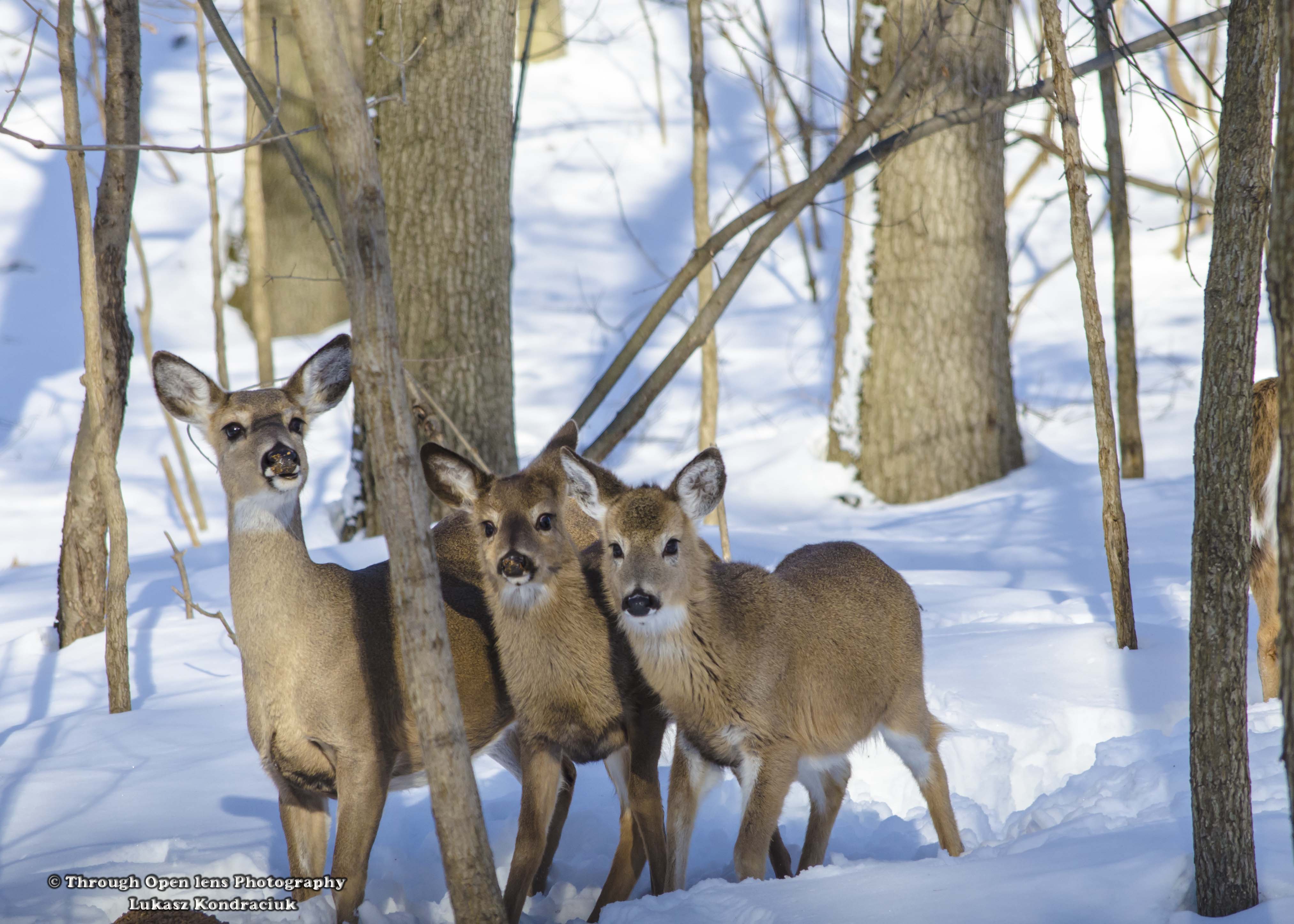
Im Quite Fawned Of You My Deer

deer

F/6.3, 1/640, ISO 200.

Deer

Two hunters were dragging their dead deer back to their car. Another hunter approached pulling his along too.
“Hey, I don’t want to tell you how to do something … but I can tell you that it’s much easier if you drag the deer in the other direction. Then the antlers won’t dig into the ground.”
After the third hunter left, the two decided to try it.
A little while later one hunter said to the other, “You know, that guy was right. This is a lot easier!”
“Yeah, but we’re getting farther from the truck,” the other added.

Interesting Fact:  “White-tailed” refers to the white underside of the deer’s tail, which it displays and wags when it senses danger. ( http://animals.nationalgeographic.com/animals/mammals/white-tailed-deer/ )


Just Pecking Away!

Red-Bellied Woodpecker


F/ 6.3, 1/125, ISO 800.

Red-Bellied Woodpecker

I went to the zoo today and asked if they had any talking parrots.

The zookeeper said they didn’t, but they had a woodpecker that knew morse code.

Interesting Fact: You may occasionally see a Red-bellied Woodpecker flying quickly and erratically through the forest, abruptly changing direction, alighting for an instant and immediately taking off again, keeping up a quick chatter of calls. Scientists categorize this odd behavior as a type of play that probably helps young birds practice the evasive action they may one day need. ( https://www.allaboutbirds.org/guide/Red-bellied_Woodpecker/lifehistory )

Hello, It’s Me!

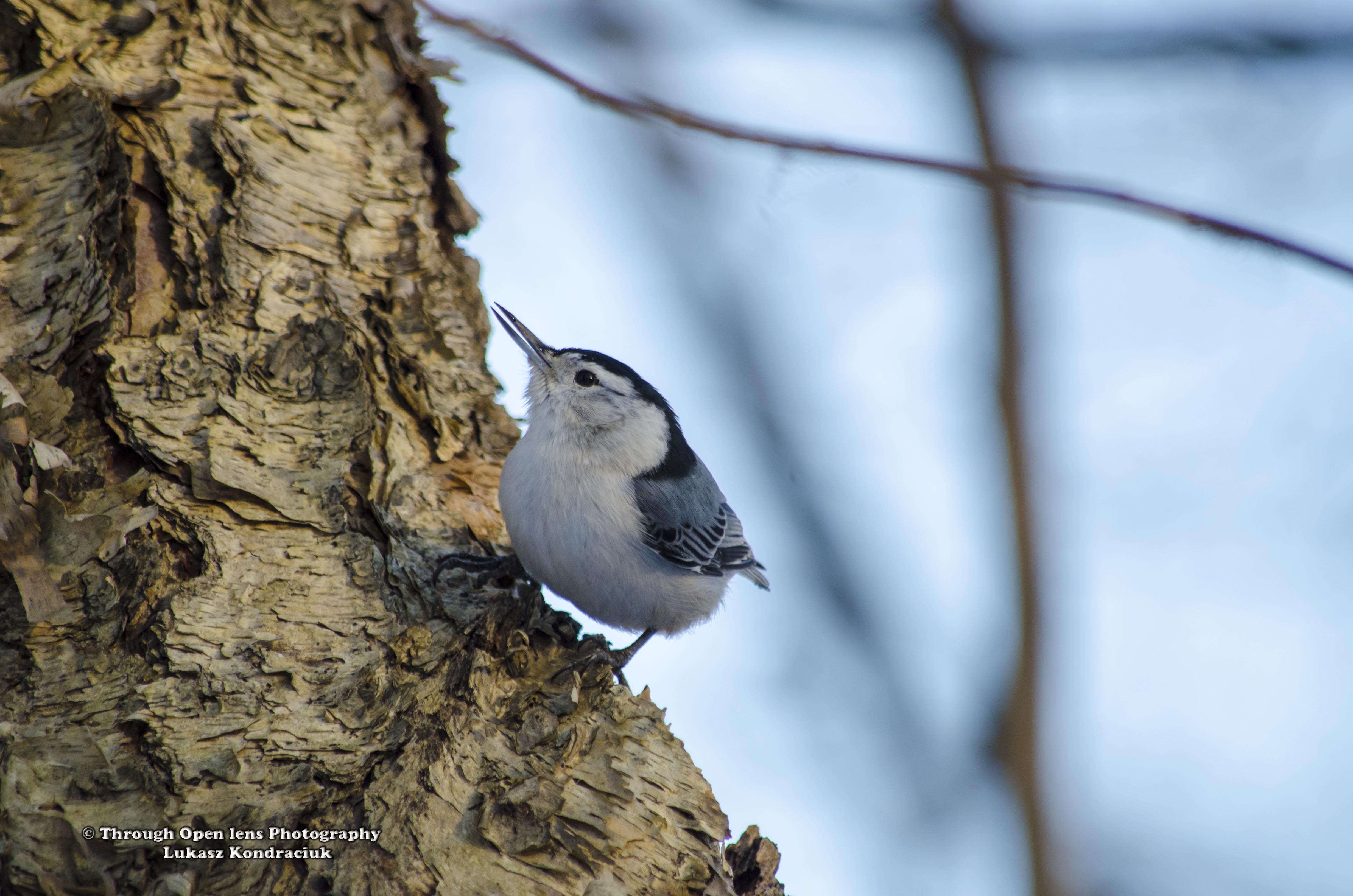
White-breasted Nuthatch

F/5.6, 1/400, ISO 400.

White-breasted Nuthatch

Women: Why does your daughter say “cluck, cluck, cluck?”
Father: Because she thinks she’s a chicken .
Women: Why don’t you tell her that she’s not a chicken?
Father: Because we need the eggs.

Interesting Fact: The White-breasted Nuthatch is normally territorial throughout the year, with pairs staying together. The male has to spend more time looking out for predators when he’s alone than while he’s with his mate. That’s the pattern for most birds, and one reason why birds spend so much time in flocks. But the female nuthatch has to put up with the male pushing her aside from foraging sites, so she spends more time looking around (for him) when he’s around than when she is alone. ( https://www.allaboutbirds.org/guide/White-breasted_Nuthatch/lifehistory )


That’s Quacktastic !

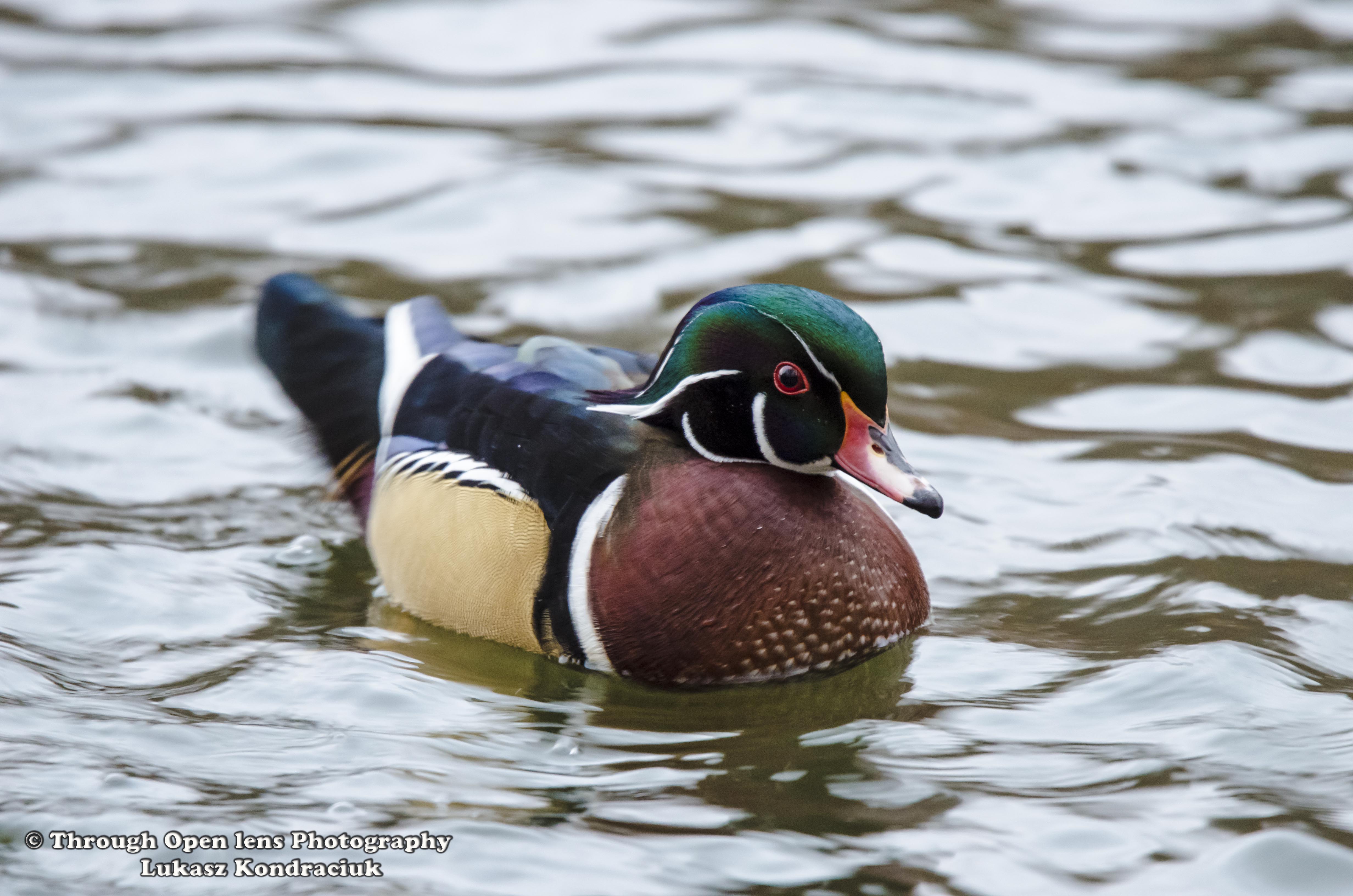
Wood Duck

F/ 6.3, 1/40, ISO 1600.

Wood Duck

Duck Week Continues!

What do you get when you cross a duck with a computer?

A quackintosh.

Interesting Fact: Wood Ducks pair up in January, and most birds arriving at the breeding grounds in the spring are already paired. The Wood Duck is the only North American duck that regularly produces two broods in one year. ( https://www.allaboutbirds.org/guide/Wood_Duck/lifehistory )

Goodbye 2014, Welcome 2015!!

cardinal

F/6.3, 1/125, ISO 1000.

I would like to thank everyone for an amazing first year. Starting January 1st, I am doing the 365 project so you guys will be able to enjoy new photos from me each day. I would like to wish everyone a Happy New Year!

Interesting Fact: Cardinals are a picture of sweetness especially when mate feeding. During this time, the male looks for food and feeds the female by putting the food into its mate’s bill as if kissing each other. ( http://www.birdhouses101.com/cardinal-facts.asp )


I Just Came To Say Hello !

Carolina Chickadee

F/5.6, 1/500, ISO 1000.

This Black-capped Chickadee flew by a few times before he sat on a branch nearby.  He started to say few things to me that sounded like “chick-a-dee-dee-dee”, “fee-bee”, “fee-bee-be”. I’m not sure what he was saying but I am guessing it could be something like “Wazzup!” or maybe ” how you doin”. I guess we can only wonder.


Interesting Fact: The song of the Black-capped Chickadee is one of the most complex vocalizations of all animals, acting as a contact call, an alarm call, to identify an individual, or to indicate recognition of a particular flock. ( http://identify.whatbird.com/obj/680/_/Black-capped_Chickadee.aspx )

Be Very Very Quiet, I’m Hunting!

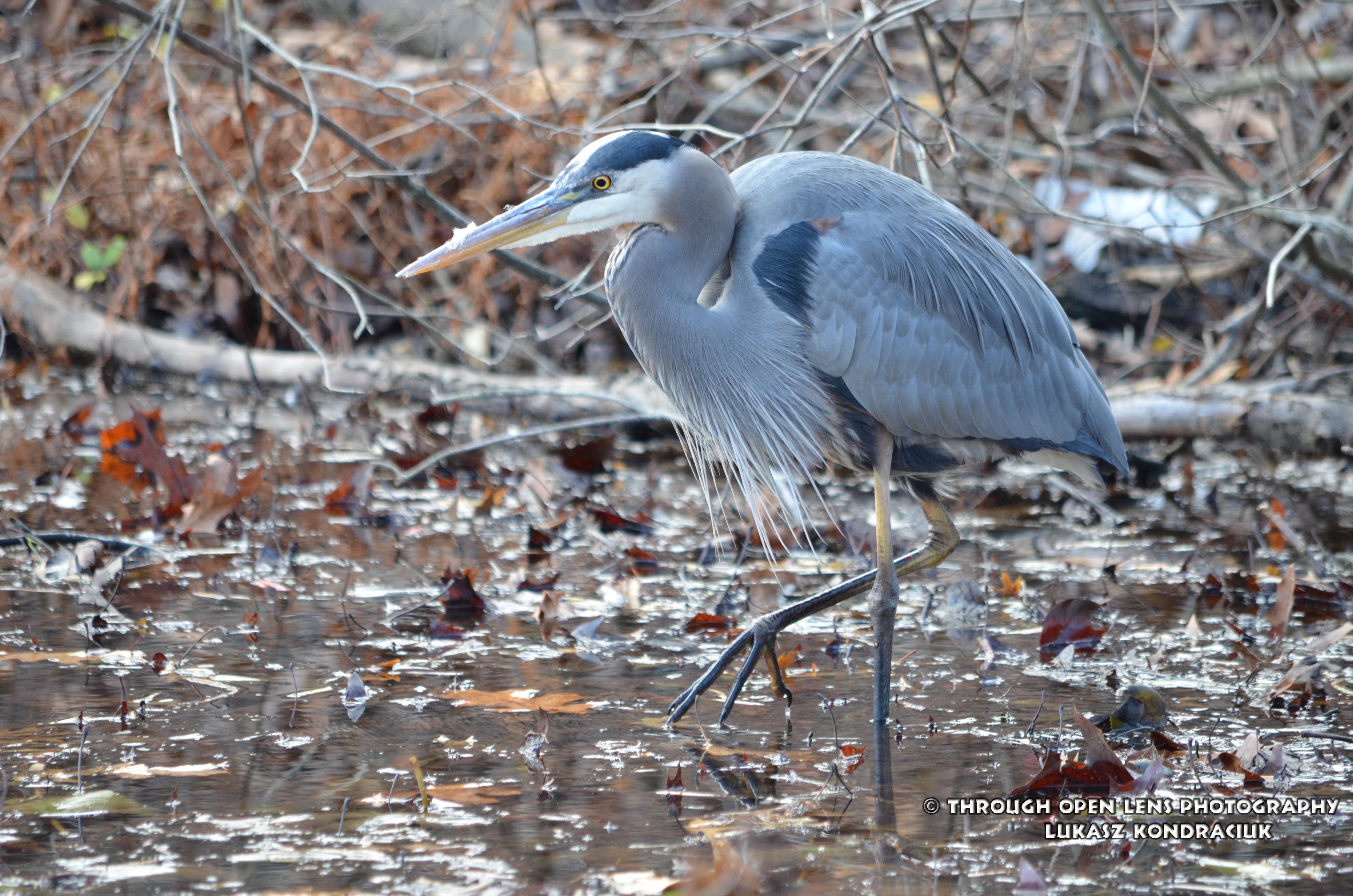
Great Blue Heron

F/5.6, 1/160, ISO 800.

Hey you, photography man, stay still.  I have been waiting for this fish all day and I am not going to let you mess this up for me.


Great Blue Heron1

F/5.6, 1/160, ISO 800.

FINALLY GOT WHAT I WAS WAITING FOR !!!!


Interesting Fact:  Great Blue Herons can hunt day and night thanks to a high percentage of rod-type photoreceptors in their eyes that improve their night vision. (  http://www.allaboutbirds.org/guide/great_blue_heron/lifehistory )


Red-bellied Woodpecker

Red-bellied Woodpecker

Came across this little guy in Paterson, NJ.

Interesting Fact: The red-bellied woodpecker often creates “caches” of  food by drumming rows upon rows of small holes and wedging a single nut or seed  into each one.

300mm lens, F/8.0, 1/1000, with ISO 800