There Is A Kid In All Of Us!

crayons

F/10.0, 1/60, ISO 100.

Day 143 / 365

Life is not perfect, color outside the lines.       🙂

Interesting Fact: The largest crayon in the world, Big Blue, weighs 1500 pounds, is 15 feet long and 16 inches in diameter.  It was made from 123,000 old blue crayons that were gathered from kids around the country.  It would color an entire football field. ( http://www.crayola.com/crayolaexperience/landing-page/easton/about/fun-facts.aspx )

This Is Where The Magic Happens.

book

F/5.0, 1/60, ISO 100.

Day 142 / 365

Between the pages of a book is a lovely place to be.

Interesting Fact: The most expensive printed book in the world is the 1640 Bay Psalm book from America. It sold in November 2013 for $14.2 million. ( http://interestingliterature.com/2015/03/05/30-interesting-facts-about-books/ )

Damn I Look Good!

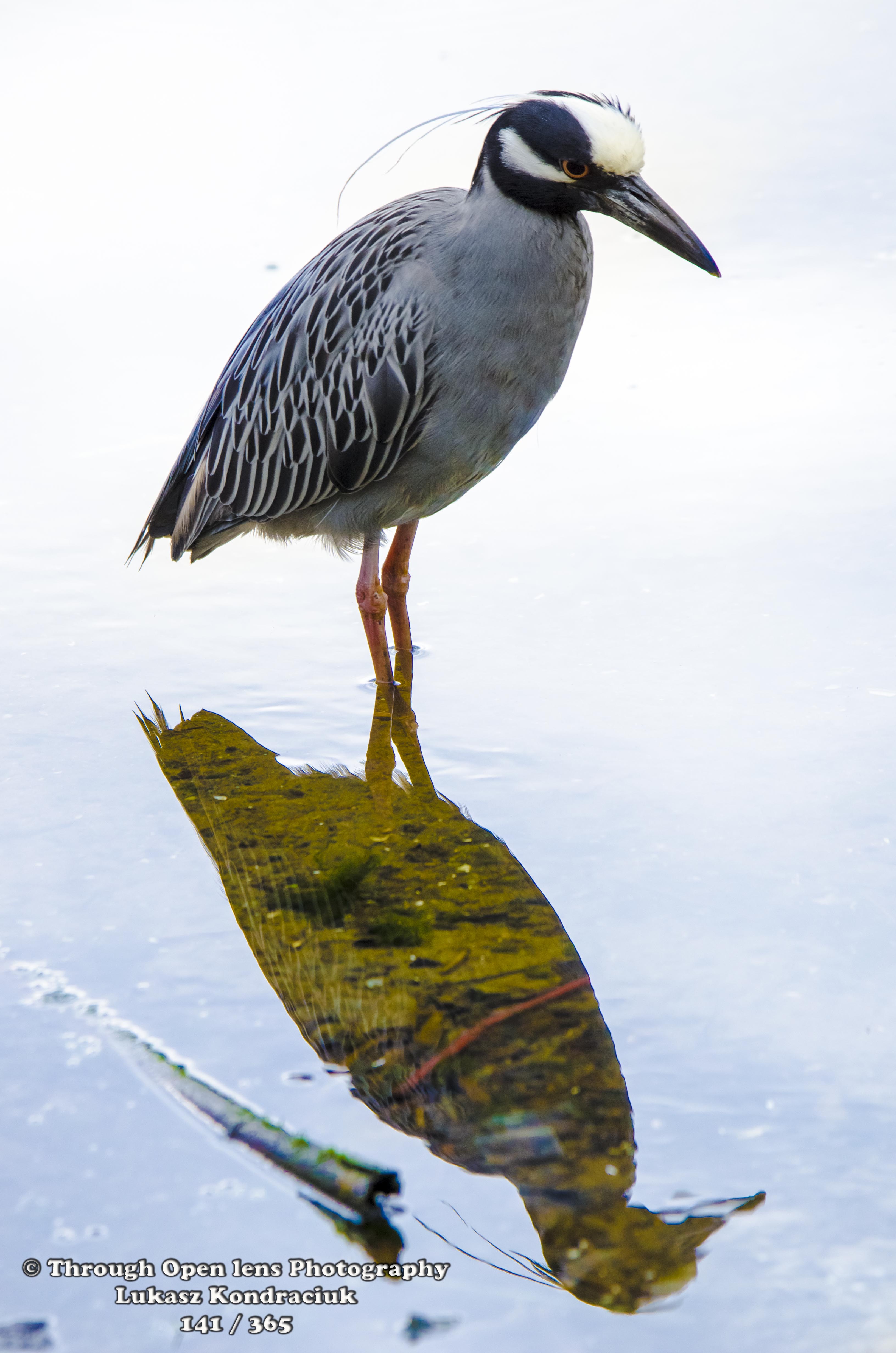
Yellow-crowned Night Heron

F/6.0, 1/1000, ISO 450.

Yellow-crowned Night Heron

Day 141 / 365

What do you call a heron at the North Pole?
Lost!

Interesting Fact:  Occasionally it will prey on small turtles; its stomach secretes an acid capable of dissolving the shells. ( http://identify.whatbird.com/obj/53/_/Yellow-crowned_Night-Heron.aspx )

You Put Them On The Brightness Is Gone!

sunglasses

F/7.1, 1/60, ISO 250, Photoshop CS6.

Day 138 / 365

Sunglasses allowing you to stare at people without getting caught. It’s like Facebook in real life.    🙂

Interesting Fact: It is said that the Roman emperor Nero liked to watch gladiator fights with emeralds. These, however, appear to have worked rather like mirrors.[5] Sunglasses made from flat panes of smoky quartz, which offered no corrective powers but did protect the eyes from glare were used in China in the 12th century or possibly earlier. Ancient documents describe the use of such crystal sunglasses by judges in ancient Chinese courts to conceal their facial expressions while questioning witnesses. ( http://en.wikipedia.org/wiki/Sunglasses )

It’s Time To Get Back In Shape!

work out

F/10.0, 1/60, ISO 100.

Day 137 / 365

Today is a new beginning. Tomorrow try harder. After tomorrow there is no limit what you can do!

Interesting Fact: Don’t work out on an empty stomach! If you run out of energy during your workout, your body will start burning your muscle tissue, not your stored body fat. ( http://exercise.lovetoknow.com/Fun_Fitness_Facts )

Life’s A Beach!

Beach

F/8.0, 1/250, ISO 100.

Day 135 / 356

I don’t want to leave I want to stay here forever.      😦

Interesting Fact: The longest beach in the world is arguably Praia do Cassino (Casino Beach) in the city of Rio Grande, Brazil. It is approximately 212 km (132mi) long. ( http://www.sciencekids.co.nz/sciencefacts/earth/beaches.html )

“Make Sure You Get My Good Side.”

Bananaquit

F/6.3, 1/50, ISO 1600.

Bananaquit

Day 134 /365

Why do birds fly south for the winter?
Because it’s too far to walk!

Interesting Fact: It uses its sharp beak to pierce a flower from the side, taking the nectar without actually pollinating the plant. They cannot hover like a hummingbird, and must always perch while feeding. ( http://identify.whatbird.com/obj/1014/overview/Bananaquit.aspx )

Swamp Chicken!

Common Gallinule

F/ 6.3, 1/1000, ISO 640.

Common Gallinule

Day 133 / 365

“Red means STOP, don’t come any closer I have babies…”

Common Gallinule Chick

F/6.3, 1/1000, ISO 800.

Common Gallinule Chick

Day 133.5 / 365

Cute little chick and screaming for it mom.

Interesting Fact: Despite lacking either webbed or lobed feet, the Common Gallinule is an excellent swimmer. ( http://identify.whatbird.com/obj/464/overview/Common_Gallinule.aspx )

Swamp Fishing!

Tricolored Heron

F/6.3, 1/30, ISO 1600.

Tricolored Heron

Day 132 / 365

I paid the price of too many mosquito bites to get this shot.  But it was worth it.    🙂

Interesting Fact:

The tricolored heron (Egretta tricolor), formerly known in North America as the Louisiana heron, is a small heron. It is a resident breeder from the Gulf states of the USA and northern Mexico south through Central America and the Caribbean to central Brazil and Peru. There is some post-breeding dispersal to well north of the nesting range. Tricolored heron’s breeding habitat is sub-tropical swamps. It nests in colonies, often with other herons, usually on platforms of sticks in trees or shrubs. In each clutch, 3–7 eggs are typically laid. ( http://en.wikipedia.org/wiki/Tricolored_heron )

Pink Is In!

American Flamingo

F/ 5.0. 1/500, ISO 900.

American Flamingo

Day 131 /365

American Flamingo1

Why does a flamingo stand on one leg?
Because if he lifted that leg off the ground he would fall down!

Interesting Fact: In ancient Rome, flamingo tongues were regarded as a delicacy. As recently as 30 years ago, flamingos and their eggs were eaten by people in parts of southern Europe and the Caribbean. ( http://identify.whatbird.com/obj/940/overview/American_Flamingo.aspx )