You Goat It Dude!

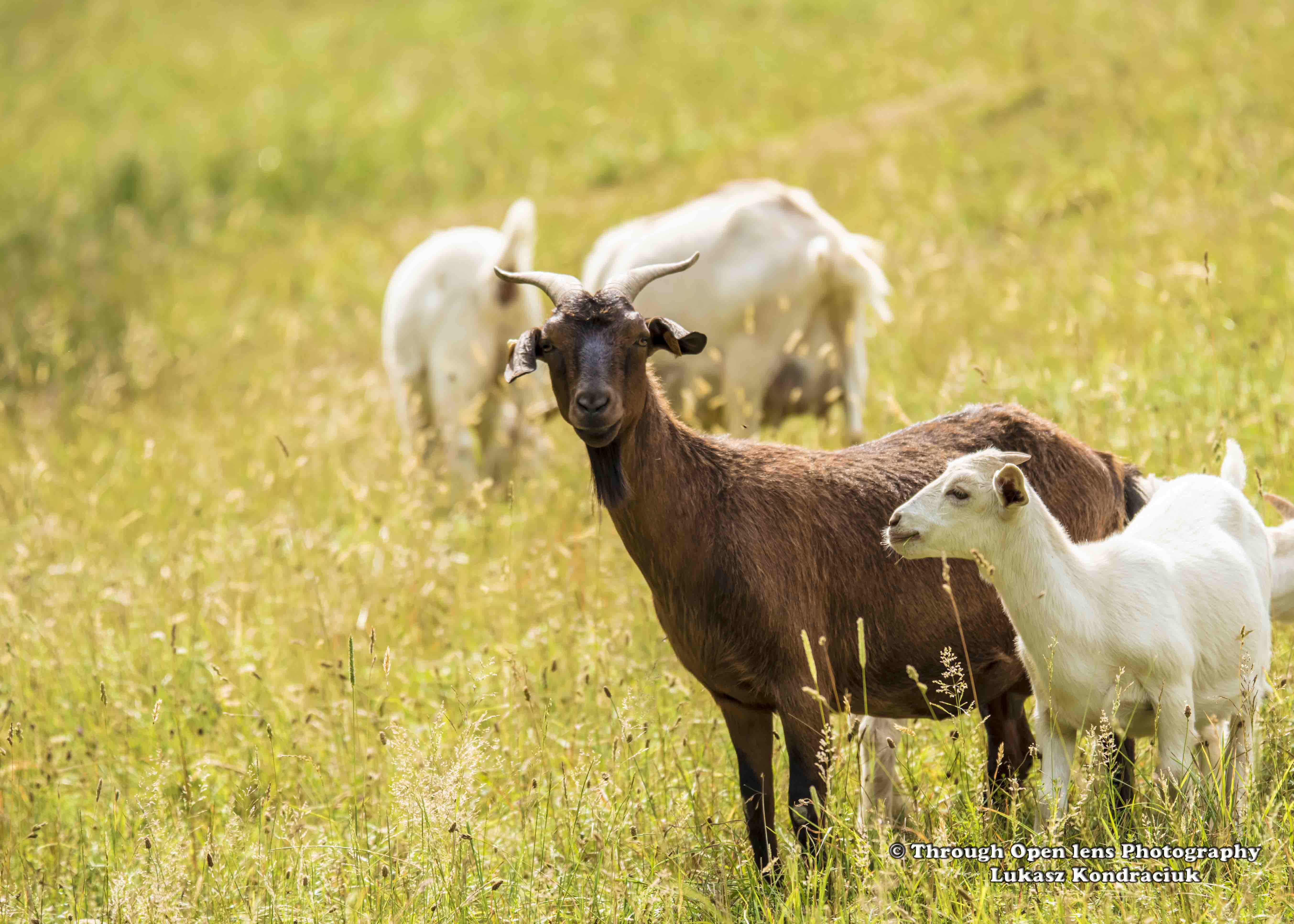
Goats

F/6.0, 1/800, ISO 200.

Goats

How do you keep a goat from charging?

You take his credit card away!

Interesting Fact: Goats are very intelligent and curious animals. Their inquisitive nature is exemplified in their constant desire to explore and investigate anything unfamiliar which they come across. ( http://www.onekind.org/education/animals_a_z/goat )

Thank You For Bearing With Me

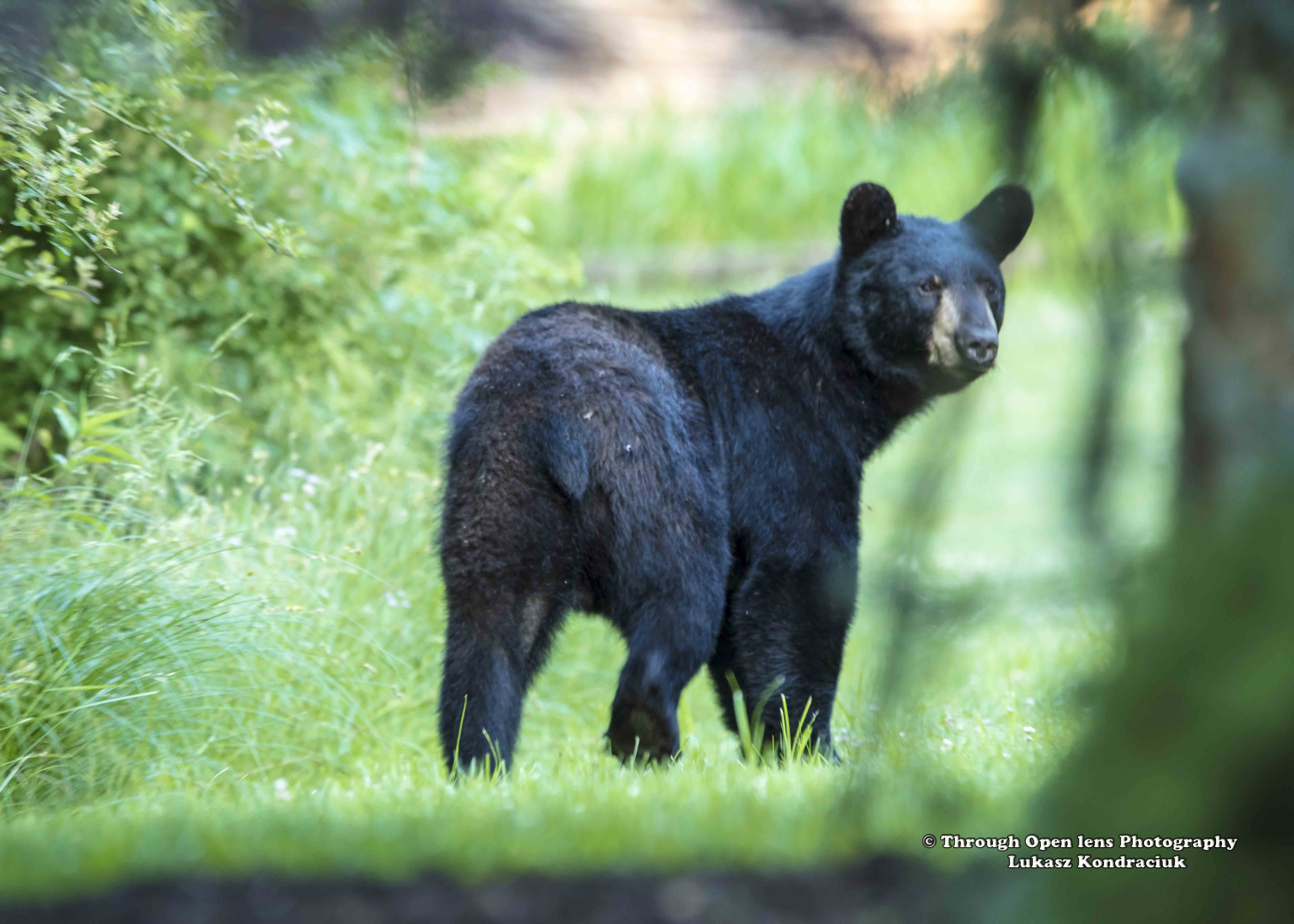
Black Bear

F/6.0, 1/40, ISO 500.

American Black Bear

How do you catch a fish without a fishing pole?

With your BEAR hands.

Interesting Fact: Black bears are not true hibernators. During their winter dormant period, though, they do not eat, drink, urinate, or defecate, but may wake up if disturbed. ( http://animals.nationalgeographic.com/animals/mammals/black-bear/ )

I See What You Did There!

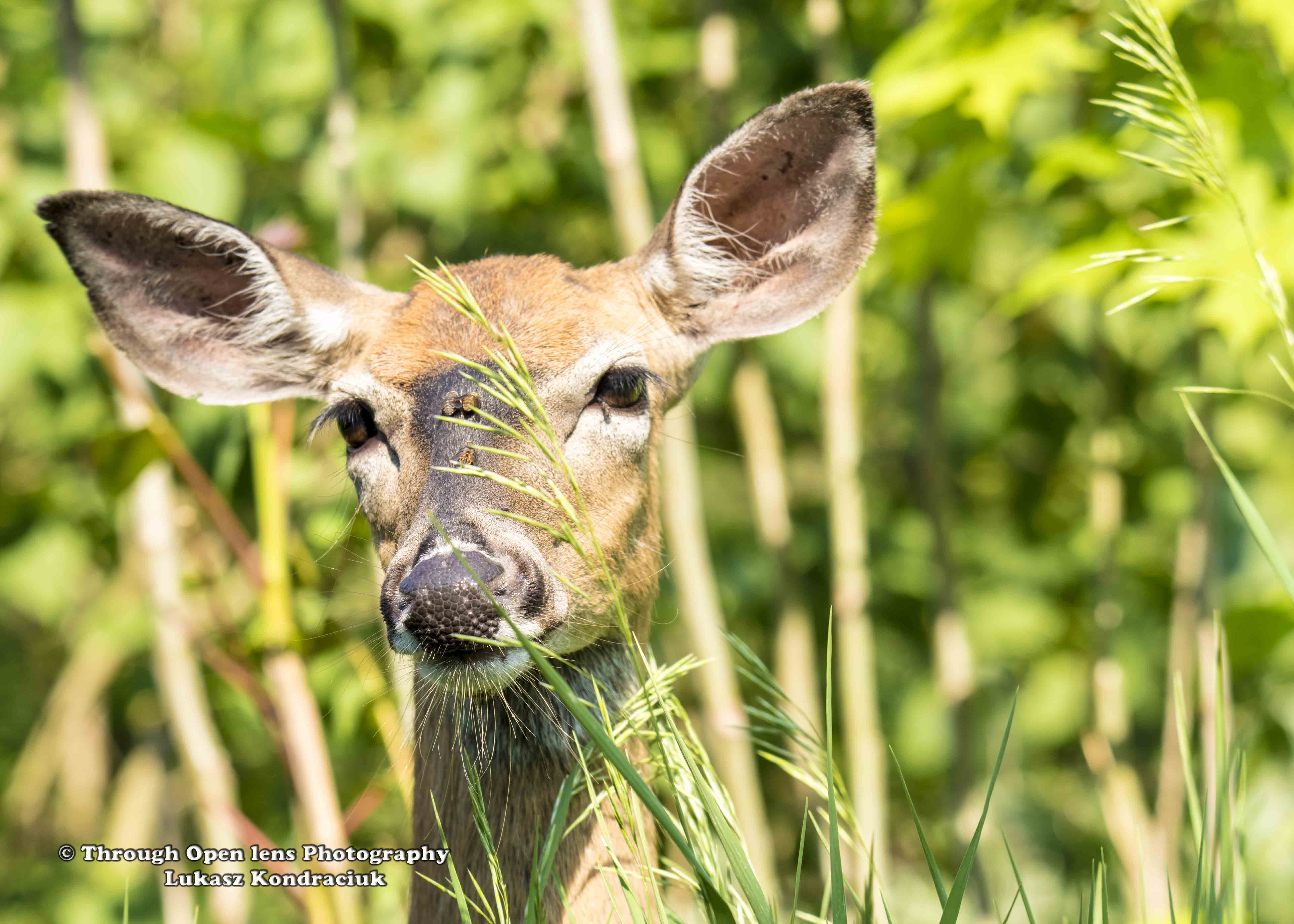
White-Tailed Deer 2

F/8.0, 1/250, ISO 250.

White-Tailed Deer

Teacher: Who answers my next question, can go home.
One boy throws his bag out the window.
Teacher: Who just threw that?
Boy: Me and I’m going home now.

Interesting Fact: In the wild, white-tails, particularly the young, are preyed upon by bobcats, mountain lions, and coyotes. They use speed and agility to outrun predators, sprinting up to 30 miles (48 kilometers) per hour and leaping as high as 10 feet (3 meters) and as far as 30 feet (9 meters) in a single bound. ( http://animals.nationalgeographic.com/animals/mammals/white-tailed-deer/ )

Don’t Let Yesterday Take Up Too Much Of Today

Red-tailed Hawk 1

F/10.0, 1/400, ISO 250.

Red-tailed Hawk

What do u call a police officer that works in bed?

A undercover cop.

Interesting Fact: Courting Red-tailed Hawks put on a display in which they soar in wide circles at a great height. The male dives steeply, then shoots up again at an angle nearly as steep. After several of these swoops he approaches the female from above, extends his legs, and touches her briefly. Sometimes, the pair grab onto one other, clasp talons, and plummet in spirals toward the ground before pulling away. ( https://www.allaboutbirds.org/guide/Red-tailed_Hawk/lifehistory )

Have You Tried Deez Nuts!

Squirrel

F/6.3, 1/80, ISO 250.

Squirrel

Why do squirrels swim on their back?

To keep their nuts dry!

Interesting Fact: Squirrels tend to run in erratic paths. This is intended to deceive potential predators as to its chosen direction so that it may escape. ( http://www.onekind.org/education/animals_a_z/squirrel )

I Am Not Your Dinner!

Wild Turkey

F/6.3, 1/50, ISO 250.

Wild Turkey 

What happened to the turkey that got in a fight?

He got the stuffing knocked out of him!

Interesting Fact: In the early 1500s, European explorers brought home Wild Turkeys from Mexico, where native people had domesticated the birds centuries earlier. Turkeys quickly became popular on European menus thanks to their large size and rich taste from their diet of wild nuts. Later, when English colonists settled on the Atlantic Coast, they brought domesticated turkeys with them. ( https://www.allaboutbirds.org/guide/Wild_Turkey/lifehistory )


Because I’m Bad, I’m Bad, Really, Really Bad

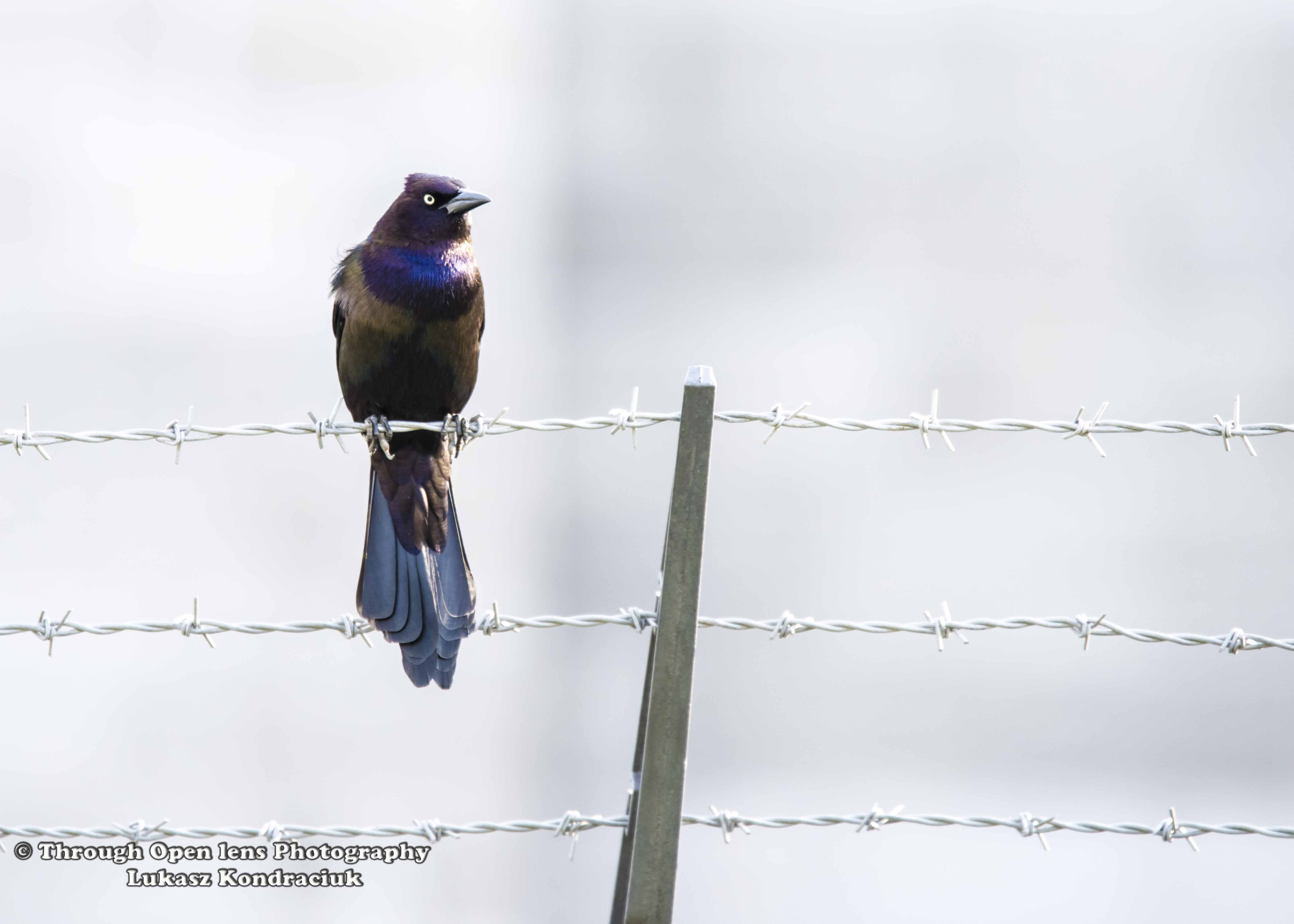
Common Grackle 1

F/7.1, 1/200, ISO 320.

Common Grackle  

A guy walks into an antique store and buys a grandfather clock, he walks out of the shop with it and accidentally walks into a drunk guy. (they both fall over and the clock gets smashed to bits)
The guy says to the drunk, “Why don’t you watch where your going?” and the drunk says, “Why don’t you carry a wrist watch like everybody else?”

Interesting Fact: You might see a Common Grackle hunched over on the ground, wings spread, letting ants crawl over its body and feathers. This is called anting, and grackles are frequent practitioners among the many bird species that do it. The ants secrete formic acid, the chemical in their stings, and this may rid the bird of parasites. In addition to ants, grackles have been seen using walnut juice, lemons and limes, marigold blossoms, chokecherries, and mothballs in a similar fashion. ( https://www.allaboutbirds.org/guide/Common_Grackle/lifehistory )

Why Wasn’t I Casted In The “Angry Bird” Movie?!

Chipping Sparrow 1

F/9.0, 1/320, ISO 100.

Chipping Sparrow 

Bob: You know Tom, sometimes I don’t understand life.
Tom: What do you mean?
Bob: When we were a younger, we learnt to talk and to walk. At school, we always have to sit down and shut up…

Interesting Fact: In much of the West, Chipping Sparrows disperse shortly after breeding to move to areas with better food resources. It’s not unusual to see Chipping Sparrows on alpine tundra or along roadsides in open grasslands. This results in the common misperception that they bred in those areas, when really they simply moved there to molt. ( https://www.allaboutbirds.org/guide/Chipping_Sparrow/lifehistory )

Bee Mine!

bee

F/ 8.0, 1/200, ISO 100.

Bumblebee

Why did the bee get married?

Because he found his honey

Interesting Fact: Queen hibernates during the winter and starts laying eggs in the spring. She lays 8 to 12 eggs at a time. Young bumblebees emerge after 21 days.  ( http://www.softschools.com/facts/animals/bumblebee_facts/582/ )

Let’s Get In Formation!

Mute Swan & Babies

F/ 7.1, 1/800, ISO 200.

Mute Swan and Cygnets

A three year old walked over to a pregnant lady while waiting with his mother in the doctors office.
He inquisitively ask the lady, “Why is your stomach so big?”
She replied, “I’m having a baby.”
With big eyes, he asked, “Is the baby in your stomach?”
She said, “He sure is.”
Then the little boy, with a puzzled look, asked, “Is it a good baby?”
She said, “Oh, yes. It’s a real good baby.”
With an even more surprised and shocked look, he asked…
“Then why did you eat him?”

Interesting Fact: Hans Christian Andersen’s fairly tale The Ugly Duckling chronicles the woes and triumphs of a young, Mute Swan that hatches in a clutch of duck eggs but goes on to become a beautiful swan. Some speculate that the book was based on Andersen’s own less-than-handsome looks as a youngster. ( https://www.allaboutbirds.org/guide/mute_swan/lifehistory )