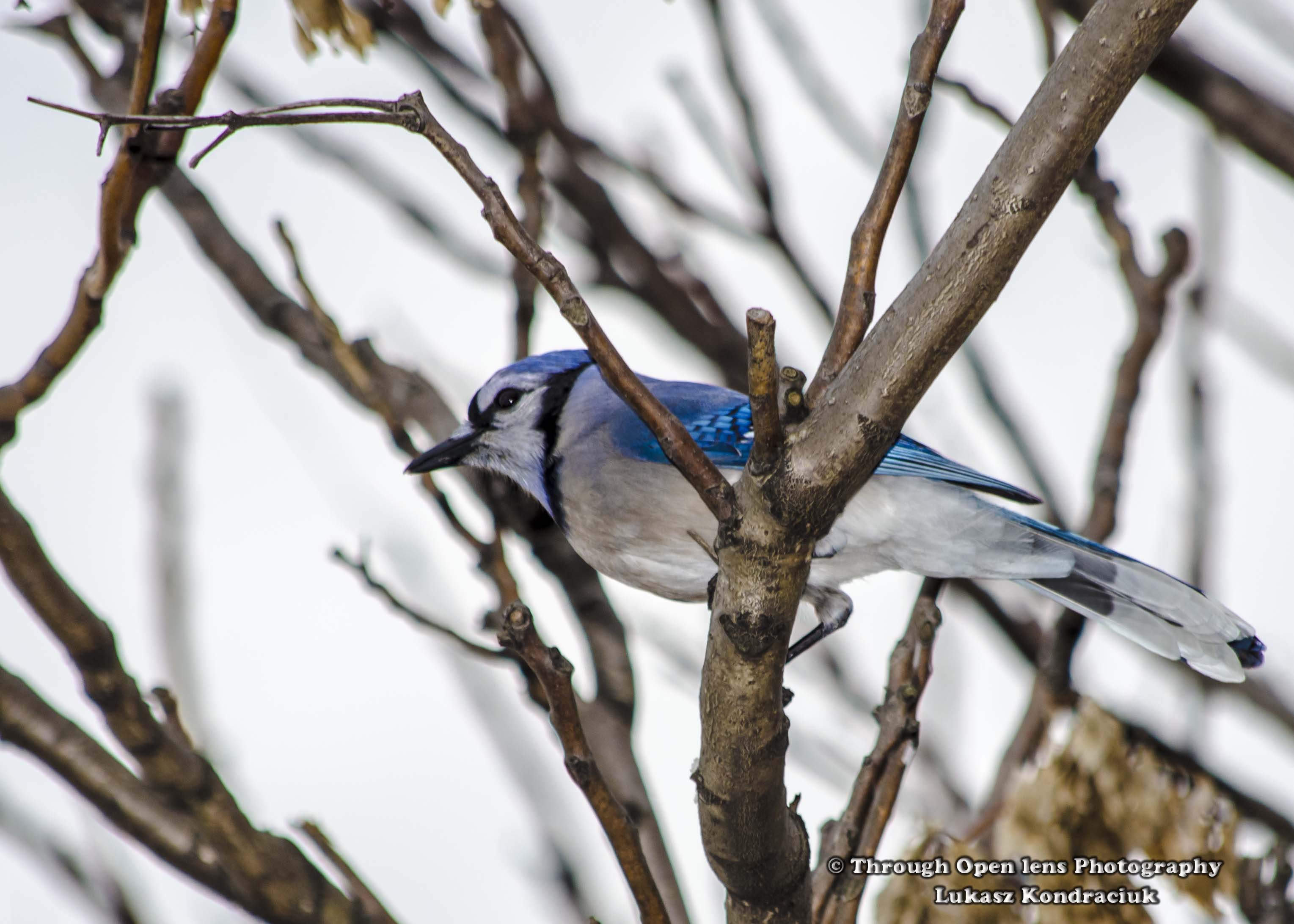
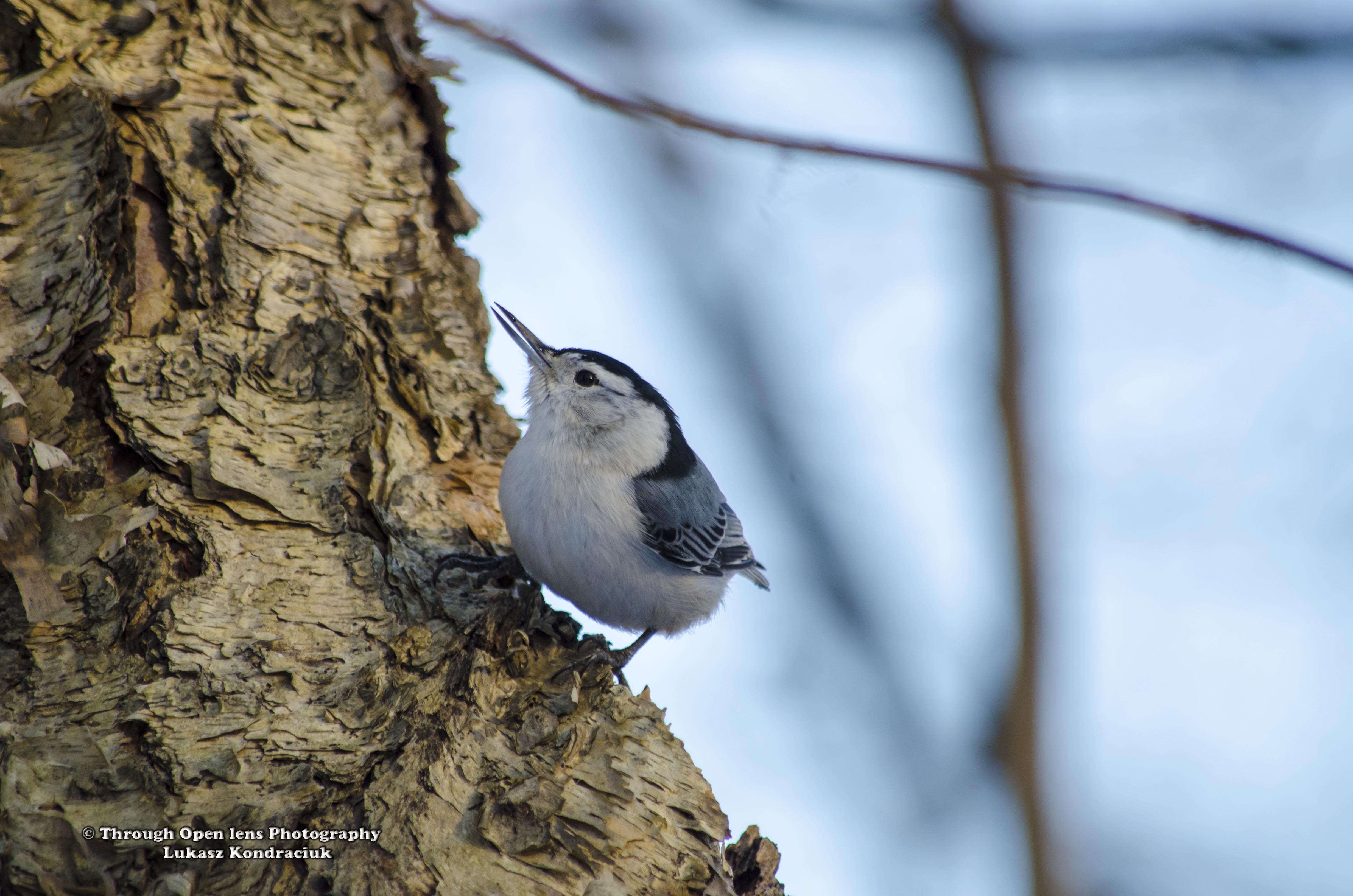
Peek A Boo!

White-breasted Nuthatch 1

F/ 6.3, 1/160, ISO 320.

White-breasted Nuthatch

What do you call a crazy chicken ?

A cuckoo cluck !

Interesting Fact: In winter, White-breasted Nuthatches join foraging flocks led by chickadees or titmice, perhaps partly because it makes food easier to find and partly because more birds can keep an eye out for predators. One study found that when titmice were removed from a flock, nuthatches were more wary and less willing to visit exposed bird feeders. ( https://www.allaboutbirds.org/guide/White-breasted_Nuthatch/lifehistory )
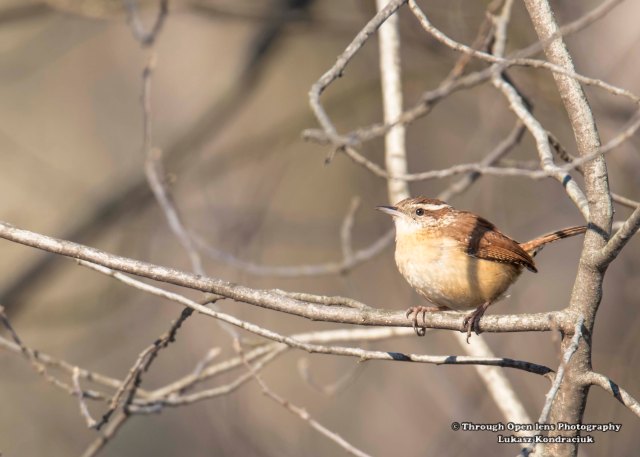
Catching Some Rays

Carolina Wren 1

F/8.0, 1/250, ISO 320.

Carolina Wren

Why did the bird join he air force?

He wanted to be a parrot trooper!

Interesting Fact: A pair bond may form between a male and a female at any time of the year, and the pair will stay together for life. Members of a pair stay together on their territory year-round, and forage and move around the territory together. ( https://www.allaboutbirds.org/guide/Carolina_Wren/lifehistory )

Branch Out To Something New

Tufted Titmouse 1

F/10.0, 1/400, ISO 320.

Tufted Titmouse

Why does a chicken coop have two doors ?

Because if had four doors it would be a chicken sedan!

Interesting Fact: Unlike many chickadees, Tufted Titmouse pairs do not gather into larger flocks outside the breeding season. Instead, most remain on the territory as a pair. Frequently one of their young from that year remains with them, and occasionally other juveniles from other places will join them. Rarely a young titmouse remains with its parents into the breeding season and will help them raise the next year’s brood. ( https://www.allaboutbirds.org/guide/Tufted_Titmouse/lifehistory )

Don’t Watch The Clock; Do What It Does. Keep Going!

Zone Tailed Hawk

F/6.3, 1/500, ISO 160.

Rough Legged Hawk ( Dark  )

What do you call a crazy chicken ?

A cuckoo cluck !

Interesting Fact: The Rough-legged Hawk’s cliffside nest, a bulky mass of sticks, sometimes contains caribou bones. Nesting pairs need a lot of space: usually only a single pair will nest on a quarter-mile-long cliff. However, the pair may nest within 100 feet of Gyrfalcons, Peregrine Falcons, or Common Ravens. ( http://identify.whatbird.com/obj/522/overview/Zone-tailed_Hawk.aspx )


Hang Out With Me!

Black-Capped Chickadee

F/6.3, 1/500, ISO 400.

Black-Capped Chickadee

What did one chicken say to the other after they walked through poison ivy ?

“You scratch my beak and I’ll scratch yours !”

Interesting Fact: The Black-Capped Chickadee hides seeds and other food items to eat later. Each item is placed in a different spot and the chickadee can remember thousands of hiding places. ( https://www.allaboutbirds.org/guide/Black-capped_Chickadee/lifehistory )

The Mask Of Waxwing!

Cedar Waxwing

F/11.0, 1/500, ISO 400.

Cedar Waxwing

Why didn’t the chicken skeleton cross the road?

Because he didn’t have enough guts

Interesting Fact: The Cedar Waxwing is one of the few North American birds that specializes in eating fruit. It can survive on fruit alone for several months. Brown-headed Cowbirds that are raised in Cedar Waxwing nests typically don’t survive, in part because the cowbird chicks can’t develop on such a high-fruit diet. ( https://www.allaboutbirds.org/guide/Cedar_Waxwing/lifehistory )


Feeling A Little Blue Today

Blue Jay

F/7.1, 1/200, ISO 100.

Blue Jay

What bird is always sad?

The blue jay!

Interesting Fact:  The Blue Jay frequently mimics the calls of hawks, especially the Red-shouldered Hawk. These calls may provide information to other jays that a hawk is around, or may be used to deceive other species into believing a hawk is present. (  https://www.allaboutbirds.org/guide/Blue_Jay/lifehistory )

Just Pecking Away!

Red-Bellied Woodpecker


F/ 6.3, 1/125, ISO 800.

Red-Bellied Woodpecker

I went to the zoo today and asked if they had any talking parrots.

The zookeeper said they didn’t, but they had a woodpecker that knew morse code.

Interesting Fact: You may occasionally see a Red-bellied Woodpecker flying quickly and erratically through the forest, abruptly changing direction, alighting for an instant and immediately taking off again, keeping up a quick chatter of calls. Scientists categorize this odd behavior as a type of play that probably helps young birds practice the evasive action they may one day need. ( https://www.allaboutbirds.org/guide/Red-bellied_Woodpecker/lifehistory )

I’m Watching You Watching Me!

American Kestrel

F/ 13.0, 1/500, ISO 500.

American Kestrel

So there is this parrot and he knows a bunch of swear words and the owner says , “If you don’t stop swearing I’m going to sick you in the freezer.” So the parrot starts swearing and the guy puts him in the freezer. The parrot continues cussing up a storm but after a few minutes the parrot suddenly stops. The guy says “Will you stop swearing now?” and the parrot says “I’ll stop, but first I want to know what the chicken did.”

Interesting Fact: In winter in many southern parts of the range, female and male American Kestrels use different habitats. Females use the typical open habitat, and males use areas with more trees. This situation appears to be the result of the females migrating south first and establishing winter territories, leaving males to the more wooded areas. (  https://www.allaboutbirds.org/guide/American_Kestrel/lifehistory )

Hello, It’s Me!

White-breasted Nuthatch

F/5.6, 1/400, ISO 400.

White-breasted Nuthatch

Women: Why does your daughter say “cluck, cluck, cluck?”
Father: Because she thinks she’s a chicken .
Women: Why don’t you tell her that she’s not a chicken?
Father: Because we need the eggs.

Interesting Fact: The White-breasted Nuthatch is normally territorial throughout the year, with pairs staying together. The male has to spend more time looking out for predators when he’s alone than while he’s with his mate. That’s the pattern for most birds, and one reason why birds spend so much time in flocks. But the female nuthatch has to put up with the male pushing her aside from foraging sites, so she spends more time looking around (for him) when he’s around than when she is alone. ( https://www.allaboutbirds.org/guide/White-breasted_Nuthatch/lifehistory )