We Bee-Long Together

F/5.6, 1/500, ISO 250.

Bumblebees

What kind of exercise do lazy people do?

Diddly-squats.

Interesting Fact: The bumblebee tongue (the proboscis) is a long, hairy structure that extends from a sheath-like modified maxilla. The primary action of the tongue is lapping, that is, repeated dipping of the tongue into liquid.[29] The tip of the tongue probably acts as a suction cup and during lapping, nectar may be drawn up the proboscis by capillary action. When at rest or flying, the proboscis is kept folded under the head. The longer the tongue, the deeper the bumblebee can probe into a flower and bees probably learn from experience which flower source is best-suited to their tongue length.[30] Bees with shorter proboscides, like Bombus bifarius, have a more difficult time foraging nectar relative to other bumblebees with longer proboscides; to overcome this disadvantage, B. bifarius workers were observed to lick the back of spurs on the nectar duct, which resulted in a small reward. ( https://en.wikipedia.org/wiki/Bumblebee )


You Haven’t Seen The Last Of Me

butterfly-3

F/ 7.1, 1/200, ISO 160.

Why did summer catch autumn?

Because autumn is fall.

Interesting Fact: Butterflies have the typical four-stage insect life cycle. Winged adults lay eggs on the food plant on which their larvae, known as caterpillars, will feed. The caterpillars grow, sometimes very rapidly, and when fully developed, pupate in a chrysalis. When metamorphosis is complete, the pupal skin splits, the adult insect climbs out, and after its wings have expanded and dried, it flies off. Some butterflies, especially in the tropics, have several generations in a year, while others have a single generation, and a few in cold locations may take several years to pass through their whole life cycle. ( https://en.wikipedia.org/wiki/Butterfly )

Never Hide Your Wings!

Butterfly 1

F/ 5.6, 1/320, ISO 400.

Butterfly

My friend thinks he is smart.

He told me an onion is the only food that makes you cry, so I threw a coconut at his face.

Interesting Fact: Butterflies can eat anything that can dissolve in water. They mostly feed on nectar from flowers but also eat tree sap, dung, pollen, or rotting fruit. They are attracted to sodium found in salt and sweat. This is why they sometimes even land on people in Butterfly Parks. Sodium as well as many other minerals is vital for the butterflies reproduction. ( http://www.whatdobutterflieseat.info/ )


Day And Night

Moth

F/8.0, 1/200, ISO 100.

Skipper Butterfly

Why did the boy throw butter out the window?

To see butter fly. 

Interesting Fact: A skipper or skipper butterfly is a butterfly of the family Hesperiidae. They are named after their quick, darting flight habits. More than 3500 species of skippers are recognized, and they occur worldwide, but with the greatest diversity in the Neotropical regions of Central and South America. ( https://en.m.wikipedia.org/wiki/Skipper_(butterfly)

Got You!

Bumblebee

F/8.0, 1/125, ISO 320.

Bumblebee

Why do bees hum?

Because they’ve forgotten the words!

Interesting Fact: Bumblebees eat pollen and nectar collected from various flowers. They produce minimal amount of honey that is used as food for the young bumblebees. ( http://www.softschools.com/facts/animals/bumblebee_facts/582/ )

That Will Sting!

hornets

F/ 5.6, 1/500, ISO 400.

Hornets

Wife: “What are you doing?”
Husband : Nothing.
Wife : “Nothing…? You’ve been reading our marriage
certificate for an hour.”
Husband : “I was looking for the expiration date.”

Interesting Fact: Hornets (insects in the genera Vespa and Provespa) are the largest of the eusocial wasps, and are similar in appearance to their close relatives yellow jackets. Some species can reach up to 5.5 cm (2.2 in) in length. They are distinguished from other vespine wasps by the relatively large top margin of the head and by the rounded segment of the abdomen just behind the waist. Worldwide, there are 22 recognized species of Vespa,[1] and three species of Provespa, which are unique amongst hornets in being nocturnal.[2] Most species only occur in the tropics of Asia, though the European hornet (Vespa crabro), is widely distributed throughout Europe, Russia, North America and Northeast Asia. Wasps native to North America in the genus Dolichovespula are commonly referred to as hornets (e.g. baldfaced hornets), but are actually yellowjackets. ( https://en.wikipedia.org/wiki/Hornet )

Bee Mine!

bee

F/ 8.0, 1/200, ISO 100.

Bumblebee

Why did the bee get married?

Because he found his honey

Interesting Fact: Queen hibernates during the winter and starts laying eggs in the spring. She lays 8 to 12 eggs at a time. Young bumblebees emerge after 21 days.  ( http://www.softschools.com/facts/animals/bumblebee_facts/582/ )

Hey Honey!

Bumblebee flower

F/ 6.3, 1/1000, ISO 800.

Bumblebee

Day 233 / 365

What did the bee say to the other bee when they landed on the same flower?

Buzz off.

Interesting Fact: Bumblebees live in society that consists of up to 400 individuals. They are divided in three groups: queen, worker bees and drones. Worker bees develop from the eggs during the spring. They collect pollen and feed newly born bees. Drones develop from the eggs during the summer. They die immediately after fertilization. ( http://www.softschools.com/facts/animals/bumblebee_facts/582/ )


Buzzing Around!

Bumblebee

F/6.3, 1/800, ISO 800.

Bumblebee

Day 212 / 365

Who is the bees favorite singer?

Sting!

Interesting Fact: Bumblebees produce buzzing sound as a result of vibration of muscles used for flying. These muscles increase temperature of the body and facilitate gathering of pollen. ( http://www.softschools.com/facts/animals/bumblebee_facts/582/ )


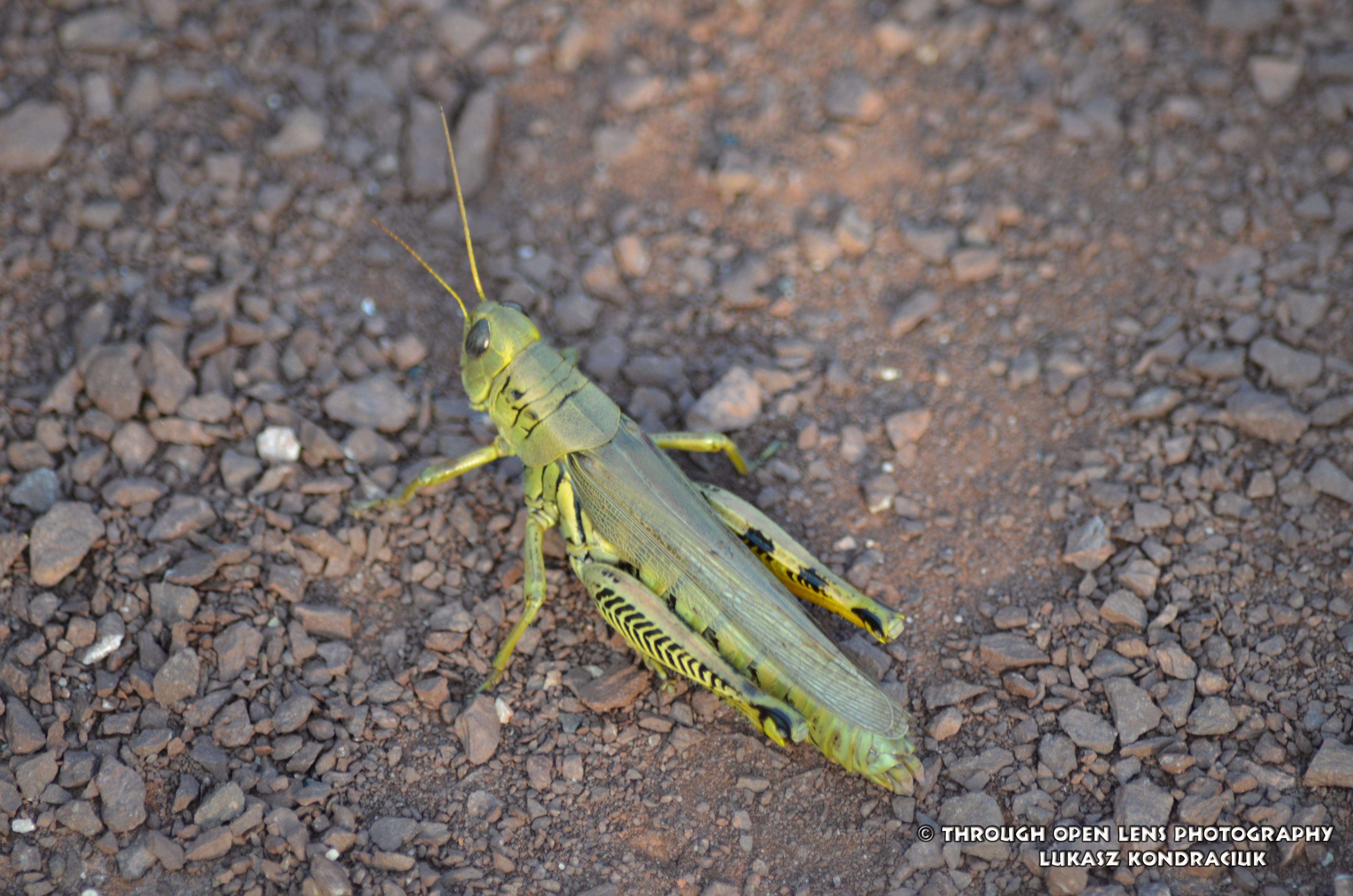
I Said A Hip Hop, Hippie To The Hippie, The hip, hip a hop, and you don’t stop, a rock it.

green grasshopper

F/5.6, 1/250, ISO 640.

For this photo I would like to use quotes from famous Kung Fu (TV Series) (1972)  ( http://www.imdb.com/title/tt0068823/quotes )

Master Po: [after easily defeating the boy in combat] Ha, ha, never assume because a man has no eyes he cannot see. Close your eyes. What do you hear?

Young Caine: I hear the water, I hear the birds.

Master Po: Do you hear your own heartbeat?

Young Caine: No.

Master Po: Do you hear the grasshopper that is at your feet?

Young Caine: [looking down and seeing the insect] Old man, how is it that you hear these things?

Master Po: Young man, how is it that you do not?


On my journey of exploring new places, I didn’t hear a grasshopper at my feet, but I did manage to snap a photo of it. I think Master Po would be proud of me.

Interesting Fact: They make their sound (music) by rubbing their
wings or legs together. They can jump 20 times the length of their body. That would be like a 6′ man jumping 120 feet. There are over 18,000 different species worldwide. ( http://www.bugfacts.net/grasshopper.php )