I Fly So High, I Can Reach The Sky!

Rough Legged Hawk

F/ 8.0, 1/320, ISO 100.

Rough Legged Hawk ( Dark  )

Is chicken soup good for your health?

Not if you’re the chicken!

Interesting Fact: Nonbreeding adults eat about a quarter-pound of food daily, or a tenth of their body mass—that’s about 5 small mammals. Nestlings start feeding themselves (swallowing lemmings whole) at about 16 days old. It’s estimated that a brood of 2 nestlings requires 26 pounds of food during the 40 days between hatching to fledging. ( https://www.allaboutbirds.org/guide/Rough-legged_Hawk/lifehistory )


Spot Me If You Can!

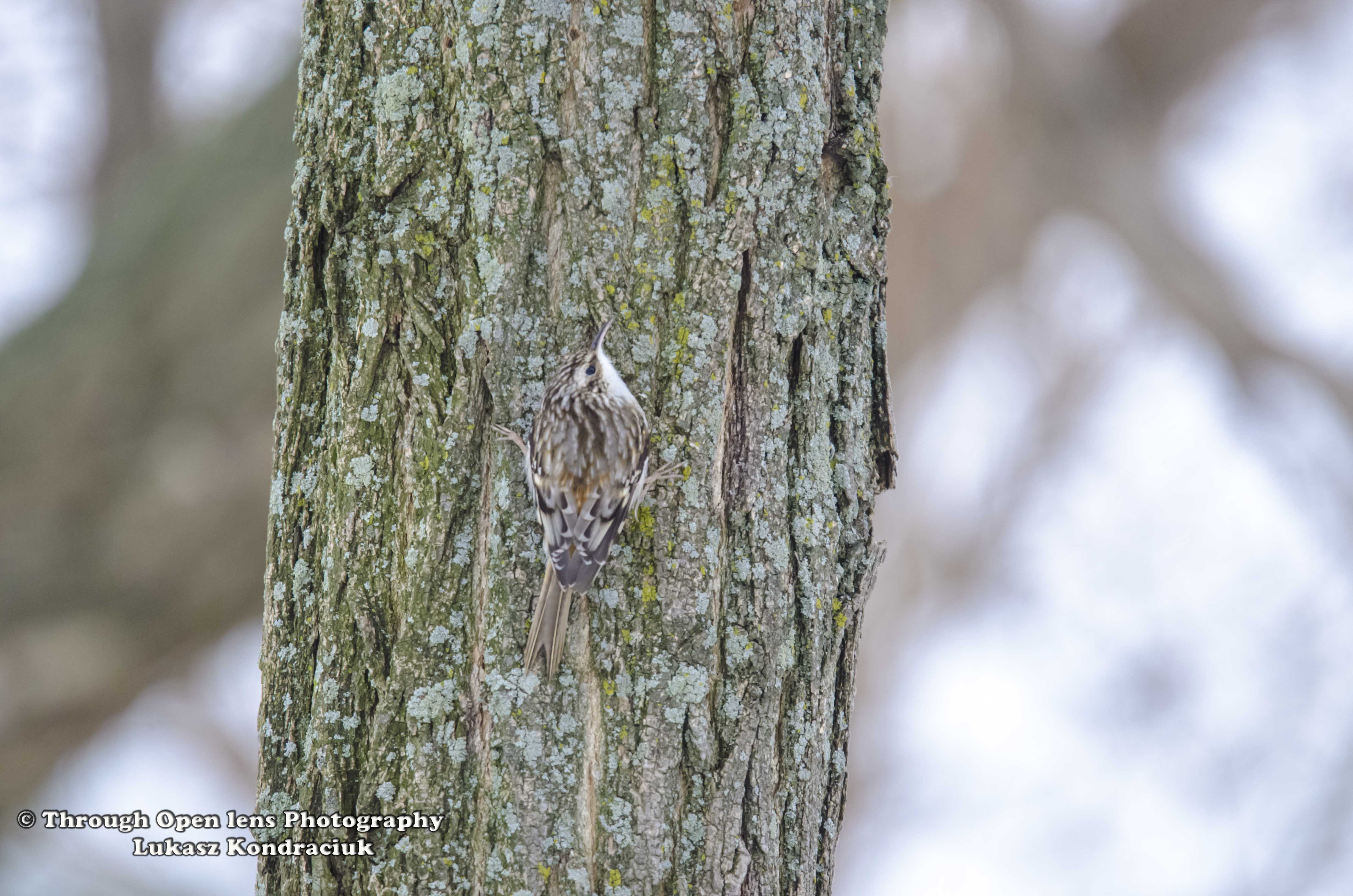
Brown Creeper

F/6.3, 1/200, ISO 1600.

Brown Creeper

What do you call a bunch of chickens playing hide-and-seek?

Fowl play!

Interesting Fact: Brown Creepers burn an estimated 4–10 calories (technically, kilocalories) per day, a tiny fraction of a human’s daily intake of about 2,000 kilocalories. By eating a single spider, a creeper gains enough energy to climb nearly 200 feet vertically. ( https://www.allaboutbirds.org/guide/Brown_Creeper/lifehistory )

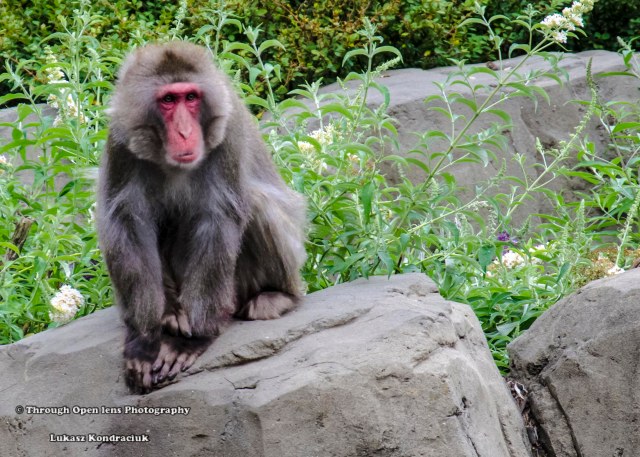
Monkey Say Monkey Do!

Snow monkey

Happy Chinese New Year!!  The Year Of The MONKEY.

F/5.6, 1/200, ISO 800.

Snow Monkey

A policeman in the big city stops a man in a car with a monkey in the front seat.
“What are you doing with that monkey?” He exclaimed, “You should take it to the zoo.”
The following week, the same policeman sees the same man with the monkey again in the front seat, with both of them wearing sunglasses. The policeman pulls him over.
“I thought you were going to take that monkey to the zoo!”
The man replied, “I did. We had such a good time we are going to the beach this weekend!”


Interesting Fact: Snow monkeys are known as the one of the cleverest species of monkeys. They learn easily and share new skills and hunting (or eating) techniques with other members of the troop and with their offspring.  ( http://www.softschools.com/facts/animals/snow_monkey_facts/106/ )


Interesting Fact: Chinese New Year is an important Chinese festival celebrated at the turn of the traditional lunisolar Chinese calendar. It is also known as the Spring Festival, the literal translation of the modern Chinese name. Celebrations traditionally run from the evening preceding the first day, to the Lantern Festival on the 15th day of the first calendar month. The first day of the New Year falls on the new moon between 21 January and 20 February.[2] In 2016, the first day of Chinese New Year falls on Monday, February 8th. ( https://en.wikipedia.org/wiki/Chinese_New_Year#History )


I Will Wait For You!

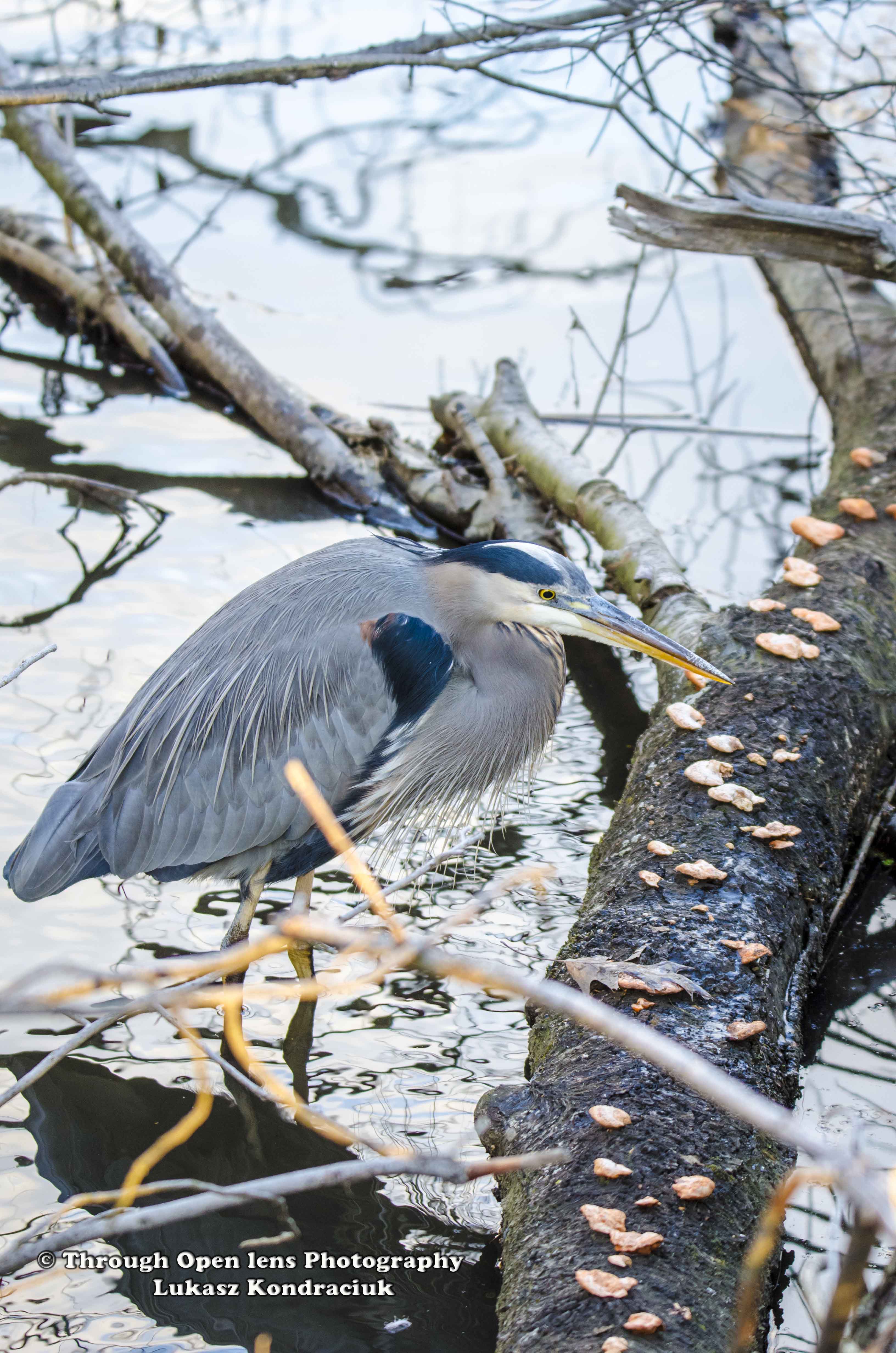
Great Blue Heron 1

F/ 5.0, 1/125, ISO 800.

Great Blue Heron

Why did the chicken cross the road half way?

He wanted to lay it on the line!

Interesting Fact:  Despite their impressive size, Great Blue Herons weigh only 5 to 6 pounds thanks in part to their hollow bones—a feature all birds share. ( https://www.allaboutbirds.org/guide/Great_Blue_Heron/lifehistory )

LA LA LA LA!!!

White throated Sparrow

F/ 9.0, 1/320, ISO 320.

White-throated Sparrow

What do you call a rooster who wakes you up at the same time every morning ?

An alarm cluck !

Interesting Fact: White-throated Sparrows typically nest on or near the ground. Occasional nests are built up to 15 feet off the ground in conifers. Usually, these nests are second attempts after a pair has had a ground nest robbed by a predator. ( https://www.allaboutbirds.org/guide/White-throated_Sparrow/lifehistory )

Knock Knock!

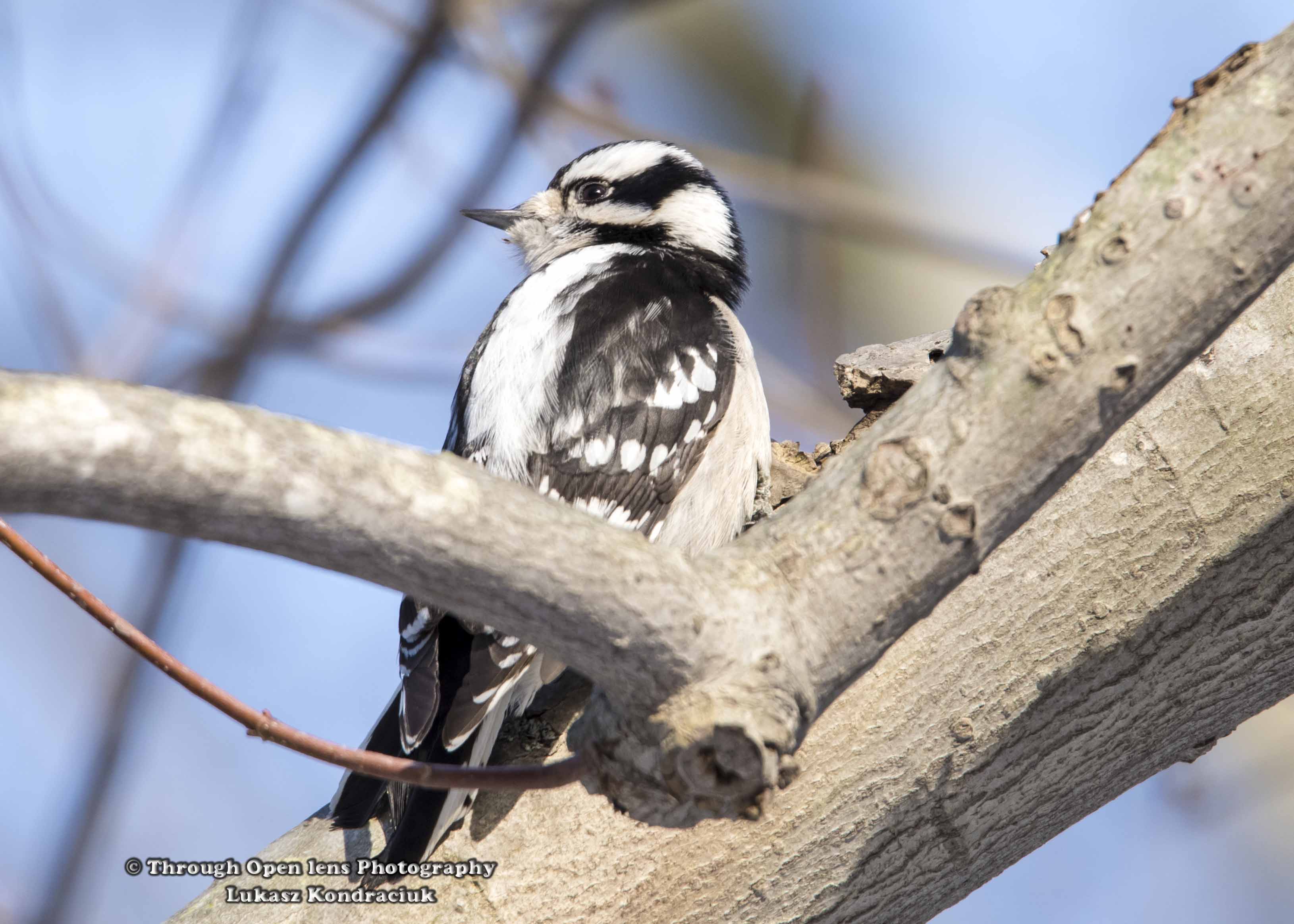
Downy Woodpecker

F/ 9.0, 1/320, ISO 320

Downy Woodpecker

What do you get if you cross a woodpecker with a carrier pigeon ?

A bird who knocks before delivering its message !

Interesting Fact: The Downy Woodpecker eats foods that larger woodpeckers cannot reach, such as insects living on or in the stems of weeds. You may see them hammering at goldenrod galls to extract the fly larvae inside. ( https://www.allaboutbirds.org/guide/Downy_Woodpecker/lifehistory )

Red Means Stop!

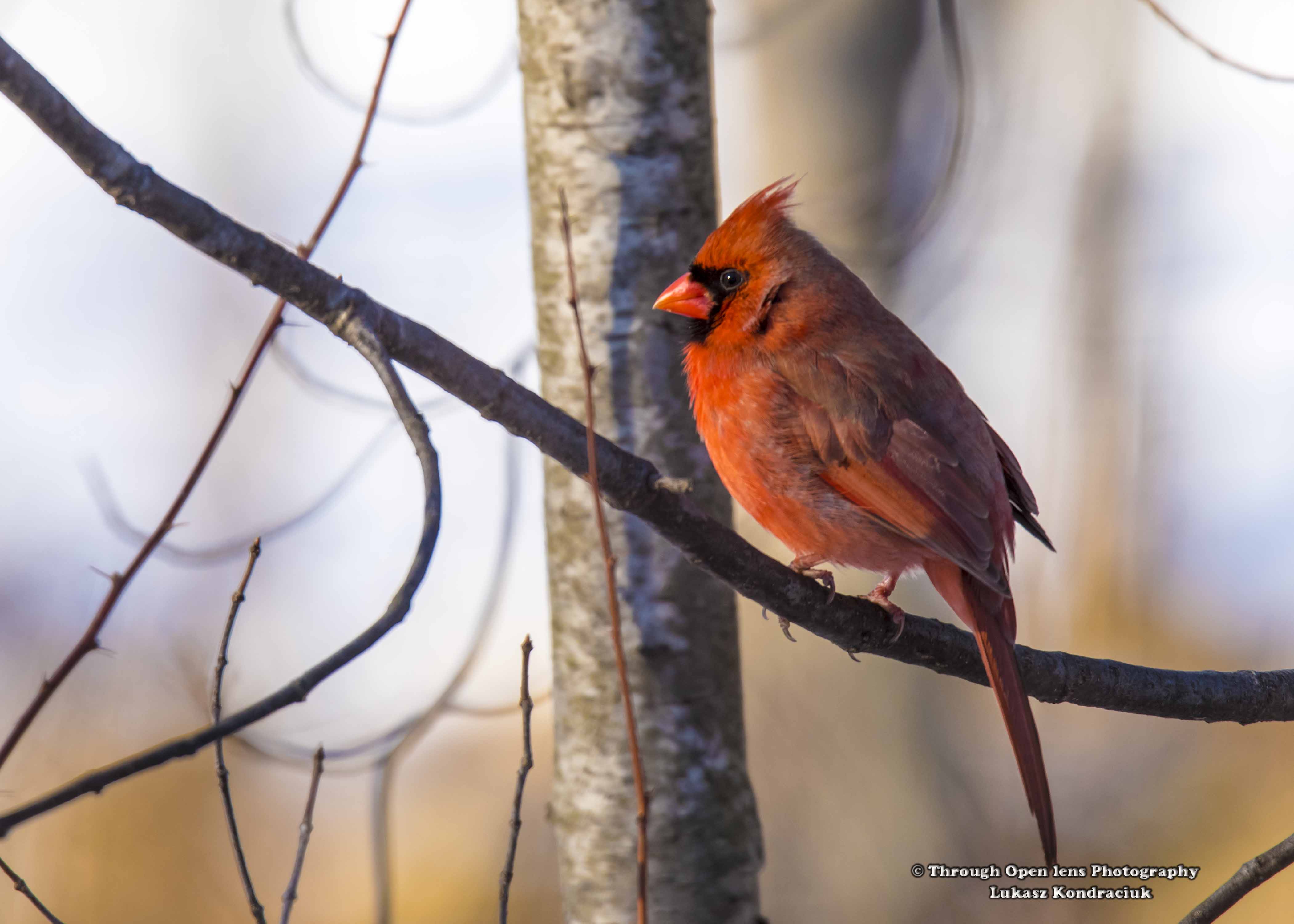
Northern Cardinal male

F/ 8.0, 1/250, ISO 320.

Northern Cardinal ( Male  )

What goes ‘peck, bang, peck, bang, peck, bang’ ?

A bunch of chickens in a field full of balloons !

Interesting Fact: The male cardinal fiercely defends its breeding territory from other males. When a male sees its reflection in glass surfaces, it frequently will spend hours fighting the imaginary intruder. ( https://www.allaboutbirds.org/guide/Northern_Cardinal/lifehistory )

Peek A Boo!

White-breasted Nuthatch 1

F/ 6.3, 1/160, ISO 320.

White-breasted Nuthatch

What do you call a crazy chicken ?

A cuckoo cluck !

Interesting Fact: In winter, White-breasted Nuthatches join foraging flocks led by chickadees or titmice, perhaps partly because it makes food easier to find and partly because more birds can keep an eye out for predators. One study found that when titmice were removed from a flock, nuthatches were more wary and less willing to visit exposed bird feeders. ( https://www.allaboutbirds.org/guide/White-breasted_Nuthatch/lifehistory )

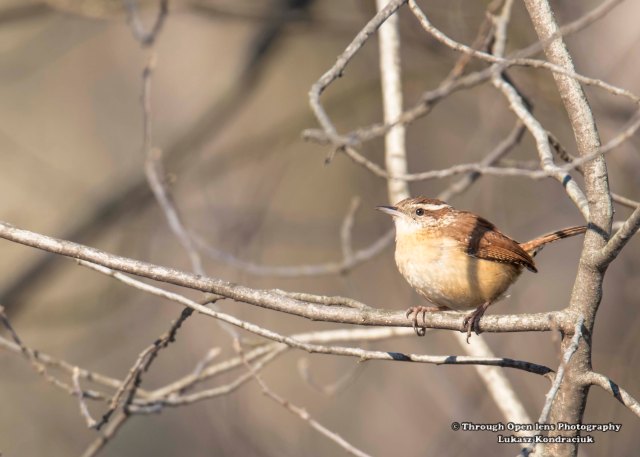
Catching Some Rays

Carolina Wren 1

F/8.0, 1/250, ISO 320.

Carolina Wren

Why did the bird join he air force?

He wanted to be a parrot trooper!

Interesting Fact: A pair bond may form between a male and a female at any time of the year, and the pair will stay together for life. Members of a pair stay together on their territory year-round, and forage and move around the territory together. ( https://www.allaboutbirds.org/guide/Carolina_Wren/lifehistory )

Branch Out To Something New

Tufted Titmouse 1

F/10.0, 1/400, ISO 320.

Tufted Titmouse

Why does a chicken coop have two doors ?

Because if had four doors it would be a chicken sedan!

Interesting Fact: Unlike many chickadees, Tufted Titmouse pairs do not gather into larger flocks outside the breeding season. Instead, most remain on the territory as a pair. Frequently one of their young from that year remains with them, and occasionally other juveniles from other places will join them. Rarely a young titmouse remains with its parents into the breeding season and will help them raise the next year’s brood. ( https://www.allaboutbirds.org/guide/Tufted_Titmouse/lifehistory )