No. Stop Don’t SWALLOW That!

Tree Swallow

F/ 5.6, 1/500, ISO 125.

Tree Swallow

What do you call a chicken in the 1960’s?

A funky chicken.

Interesting Fact: Migrating and wintering Tree Swallows can form enormous flocks numbering in the hundreds of thousands. They gather about an hour before sunset and form a dense cloud above a roost site (such as a cattail marsh or grove of small trees), swirling around like a living tornado. With each pass, more birds drop down until they are all settled on the roost. ( https://www.allaboutbirds.org/guide/Tree_Swallow/lifehistory )
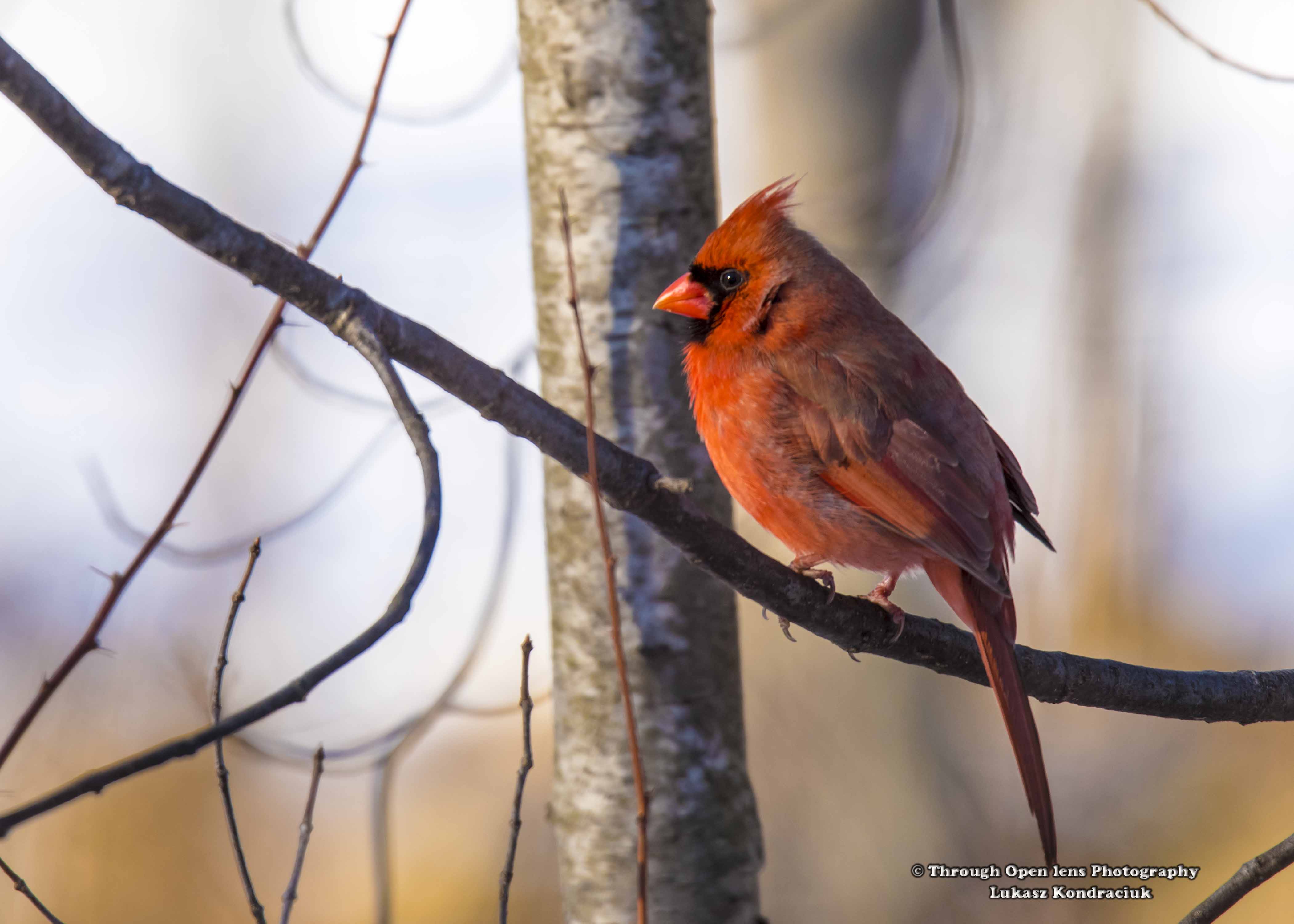
Red Means Stop!

Northern Cardinal male

F/ 8.0, 1/250, ISO 320.

Northern Cardinal ( Male  )

What goes ‘peck, bang, peck, bang, peck, bang’ ?

A bunch of chickens in a field full of balloons !

Interesting Fact: The male cardinal fiercely defends its breeding territory from other males. When a male sees its reflection in glass surfaces, it frequently will spend hours fighting the imaginary intruder. ( https://www.allaboutbirds.org/guide/Northern_Cardinal/lifehistory )

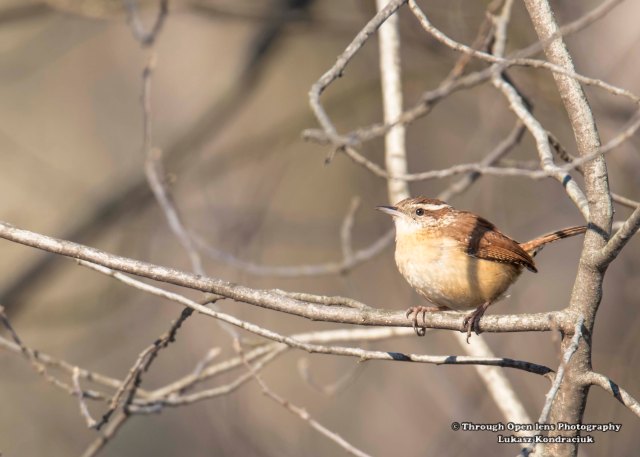
Catching Some Rays

Carolina Wren 1

F/8.0, 1/250, ISO 320.

Carolina Wren

Why did the bird join he air force?

He wanted to be a parrot trooper!

Interesting Fact: A pair bond may form between a male and a female at any time of the year, and the pair will stay together for life. Members of a pair stay together on their territory year-round, and forage and move around the territory together. ( https://www.allaboutbirds.org/guide/Carolina_Wren/lifehistory )

The Mask Of Waxwing!

Cedar Waxwing

F/11.0, 1/500, ISO 400.

Cedar Waxwing

Why didn’t the chicken skeleton cross the road?

Because he didn’t have enough guts

Interesting Fact: The Cedar Waxwing is one of the few North American birds that specializes in eating fruit. It can survive on fruit alone for several months. Brown-headed Cowbirds that are raised in Cedar Waxwing nests typically don’t survive, in part because the cowbird chicks can’t develop on such a high-fruit diet. ( https://www.allaboutbirds.org/guide/Cedar_Waxwing/lifehistory )


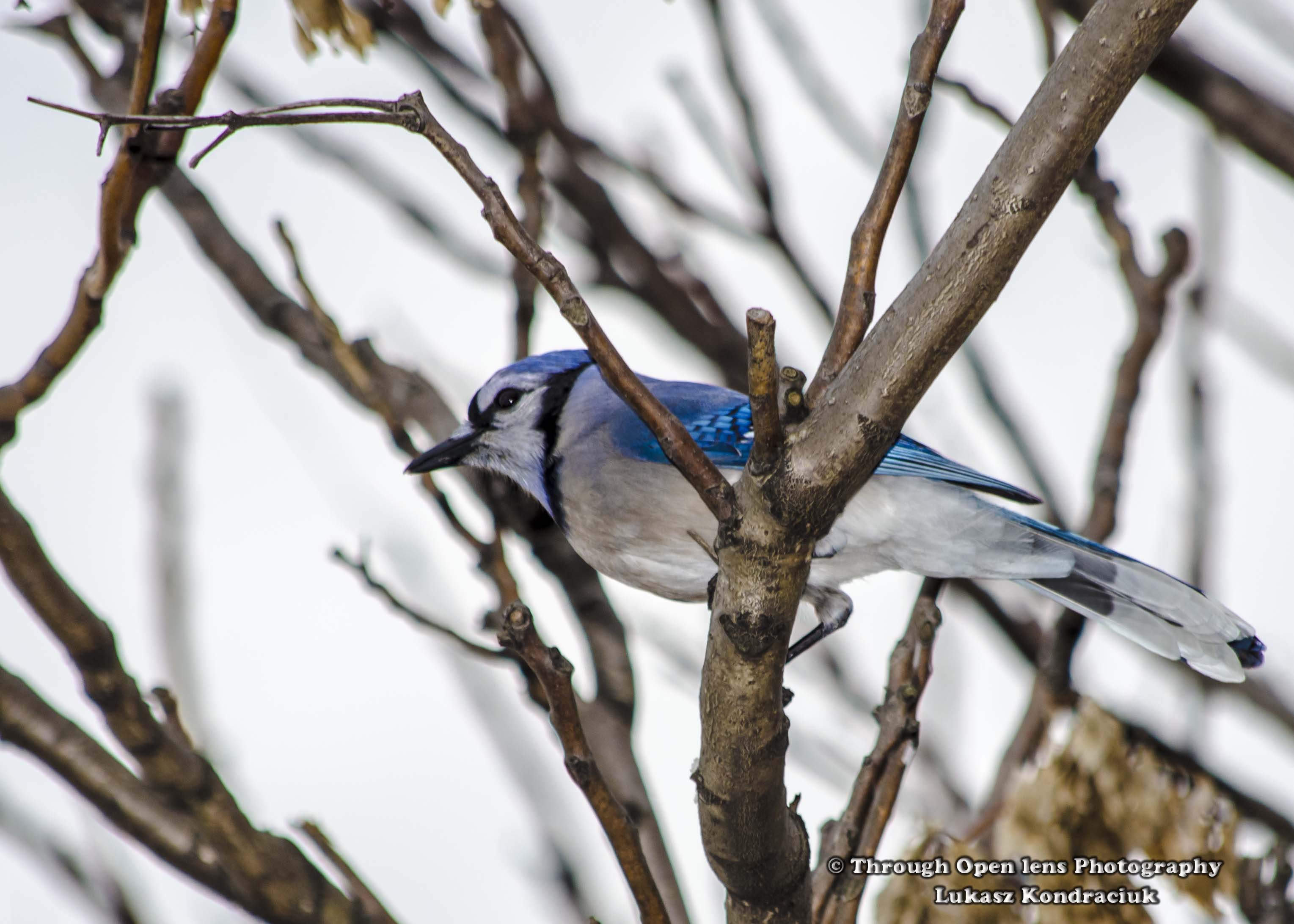
Feeling A Little Blue Today

Blue Jay

F/7.1, 1/200, ISO 100.

Blue Jay

What bird is always sad?

The blue jay!

Interesting Fact:  The Blue Jay frequently mimics the calls of hawks, especially the Red-shouldered Hawk. These calls may provide information to other jays that a hawk is around, or may be used to deceive other species into believing a hawk is present. (  https://www.allaboutbirds.org/guide/Blue_Jay/lifehistory )

Where’s The Beef?!

Black Vulture

F/5.6, 1/125, ISO 800.

Black Vulture

Two vultures were in the desert eating a dead clown. The first vulture asks the second vulture: “Does this taste funny to you?”

Interesting Fact: Turkey Vultures have an excellent sense of smell, but Black Vultures aren’t nearly as accomplished sniffers. To find food they soar high in the sky and keep an eye on the lower-soaring Turkey Vultures. When a Turkey Vulture’s nose detects the delicious aroma of decaying flesh and descends on a carcass, the Black Vulture follows close behind. ( https://www.allaboutbirds.org/guide/Black_Vulture/lifehistory )

I’m Watching You Watching Me!

American Kestrel

F/ 13.0, 1/500, ISO 500.

American Kestrel

So there is this parrot and he knows a bunch of swear words and the owner says , “If you don’t stop swearing I’m going to sick you in the freezer.” So the parrot starts swearing and the guy puts him in the freezer. The parrot continues cussing up a storm but after a few minutes the parrot suddenly stops. The guy says “Will you stop swearing now?” and the parrot says “I’ll stop, but first I want to know what the chicken did.”

Interesting Fact: In winter in many southern parts of the range, female and male American Kestrels use different habitats. Females use the typical open habitat, and males use areas with more trees. This situation appears to be the result of the females migrating south first and establishing winter territories, leaving males to the more wooded areas. (  https://www.allaboutbirds.org/guide/American_Kestrel/lifehistory )

You Can’t See Me I’m A Flower!

The American Goldfinch

F/6.3, 1/800, ISO 800.

The American Goldfinch

Day 244 / 365

Why did the little bird get in trouble at school?

He got caught peeping on a test.

Interesting Fact: The American Goldfinch changes from winter plumage to breeding plumage by a complete molt of its body feathers. It is the only member of its family to have this second molt in the spring; all the other species have just one molt each year in the fall. ( http://identify.whatbird.com/obj/91/_/American_Goldfinch.aspx )

We Claim This Island! Now What Do We Do?

Great Egrets

F/6.3, 1/1250, ISO 400.

Great Egrets

Day 235 / 365

Why does the bird bring toilet paper to the party?

Because he is a party pooper.

Interesting Fact: The pristinely white Great Egret gets even more dressed up for the breeding season. A patch of skin on its face turns neon green, and long plumes grow from its back. Called aigrettes, those plumes were the bane of egrets in the late nineteenth century, when such adornments were prized for ladies’ hats. ( http://www.allaboutbirds.org/guide/Great_Egret/lifehistory )


Party On My Log!

Double-crested Cormorants

F/ 6.3, 1/500, ISO 320.

Double-crested Cormorants

Day 230 / 365

Which side of the Cormorant has the most feathers?

The outside.

Interesting Fact: Cormorants often stand in the sun with their wings spread out to dry. They have less preen oil than other birds, so their feathers can get soaked rather than shedding water like a duck’s. Though this seems like a problem for a bird that spends its life in water, wet feathers probably make it easier for cormorants to hunt underwater with agility and speed. ( http://www.allaboutbirds.org/guide/Double-crested_Cormorant/lifehistory#at_food )