Keep On Shining Bright! 

Fort Niagara Light

F/ 5.6, 1/400, ISO 100.

Fort Niagara Light

Did you hear about the lighthouse keeper’s daughter?

She never went out at night.

Interesting Fact: The lighthouse was established in 1782 atop the “French Castle”, a structure still located within Old Fort Niagara. The current tower was first lit in 1872, having been removed from the French Castle to allow for more room for officer’s quarters. The light was deactivated in 1996, having been replaced by a light beacon at the US Coast Guard Station Niagara. ( https://en.m.wikipedia.org/wiki/Fort_Niagara_Light )

Swimming For The Gold

Muskrat

F/ 6.3, 1/125, ISO 500.

Muskrat

What did one lab rat say to the other?

I’ve got my scientist so well trained that every time I push the buzzer, he brings me a snack.

Interesting Fact: Muskrats normally live in groups consisting of a male and female pair and their young. During the spring, they often fight with other muskrats over territory and potential mates. Many are injured or killed in these fights. Muskrat families build nests to protect themselves and their young from cold and predators. In streams, ponds or lakes, muskrats burrow into the bank with an underwater entrance. These entrances are 6–8 in (15–20 cm) wide. In marshes, push-ups are constructed from vegetation and mud. These push-ups are up to 3 ft (91 cm) in height. In snowy areas, they keep the openings to their push-ups closed by plugging them with vegetation, which they replace every day. Some muskrat push-ups are swept away in spring floods and have to be replaced each year. Muskrats also build feeding platforms in wetlands. They help maintain open areas in marshes, which helps to provide habitat for aquatic birds. ( https://en.wikipedia.org/wiki/Muskrat )

Happy Mother’s Day To Every Mom Out There! 

Happy Mother’s Day!

Canada Goose 3
F/4.8, 1/800, ISO 100.

Canada Goose

Son asked his mom a question about computers

Son: Why is a computer so smart mom?

Mom: It listens to its motherboard.

Interesting Fact: The modern holiday of Mother’s Day was first celebrated in 1908, when Anna Jarvis held a memorial for her mother at St Andrew’s Methodist Church in Grafton, West Virginia. Today St Andrew’s Methodist Church now holds the International Mother’s Day Shrine.[6] Her campaign to make “Mother’s Day” a recognized holiday in the United States began in 1905, the year her mother, Ann Reeves Jarvis, died. Ann Jarvis had been a peace activist who cared for wounded soldiers on both sides of the American Civil War, and created Mother’s Day Work Clubs to address public health issues. Anna Jarvis wanted to honor her mother by continuing the work she started and to set aside a day to honor all mothers, because she believed that they were “the person who has done more for you than anyone in the world”. ( https://en.m.wikipedia.org/wiki/Mother%27s_Day )

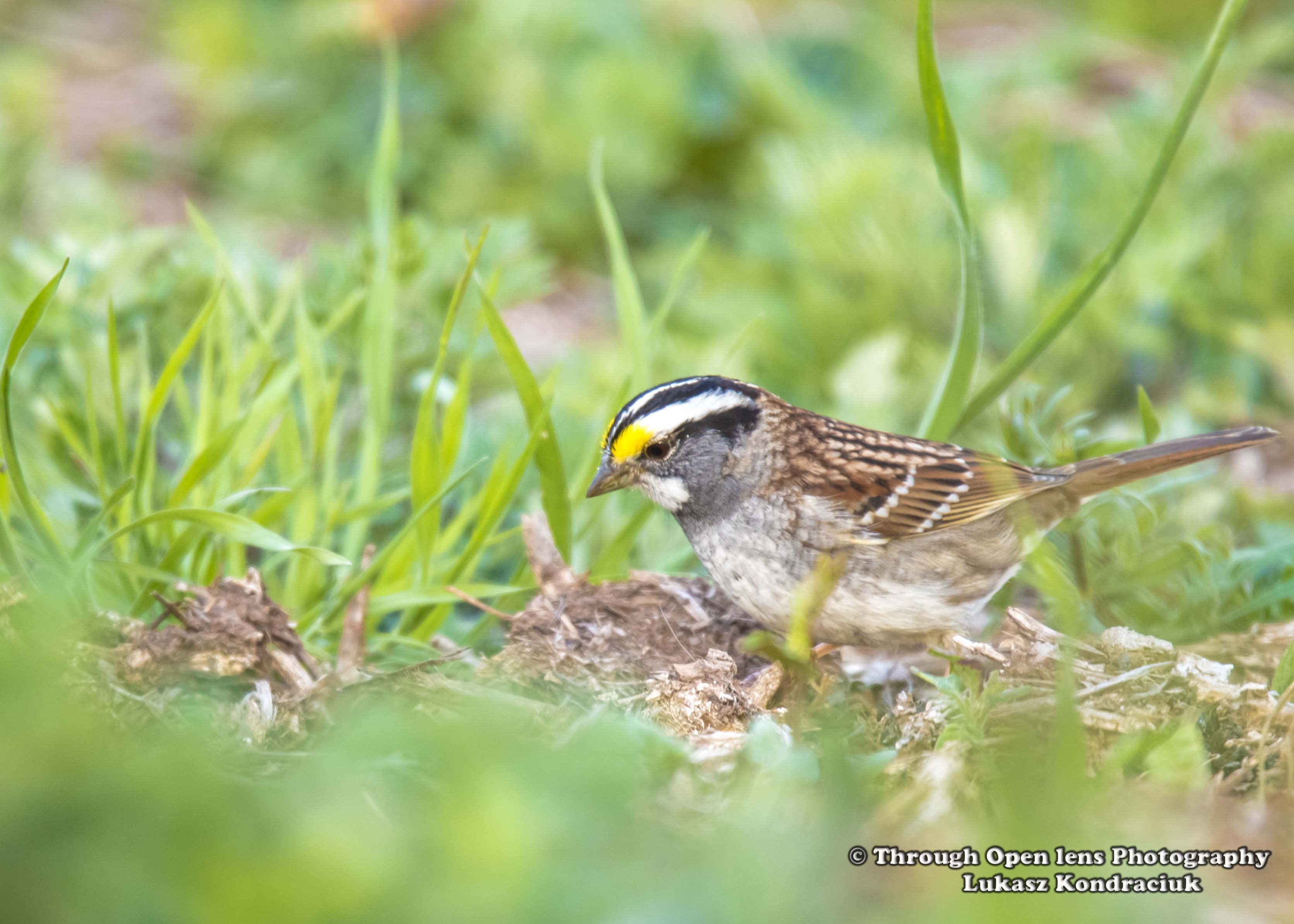
That Worm Has To Come Out Sooner Or Later

White-throated Sparrow 1

F/6.3, 1/100, ISO 400.

White-throated Sparrow

What do you get if you cross a worm and an elephant?

Very big worm holes in your garden!

Interesting Fact: The oldest recorded White-throated Sparrow was at least 14 years, 11 months old, when it was recaptured and rereleased during banding operations in Alberta. ( https://www.allaboutbirds.org/guide/White-throated_Sparrow/lifehistory )

Quack Quack Mother Ducker!

Bufflehead Duck 1

F/10.0, 1/400, ISO 250.

Bufflehead Duck 

The Teacher says to the class: Who ever stands up is stupid
*Nobody stands up*
Teacher: I said who ever stands up is STUPID!
*Little Johnny stands up*
Teacher: Johnny, do you really think that you are stupid?
Little Johnny: No Mrs, I just thought that maybe you are lonely being the only one standing.

Interesting Fact: Bufflehead normally live only in North America, but in winter they occasionally show up elsewhere, including Kamchatka, Japan, Greenland, Iceland, the British Isles, Belgium, France, Finland, and Czechoslovakia. In some of these cases, the birds may have escaped from captivity. ( https://www.allaboutbirds.org/guide/Bufflehead/lifehistory )

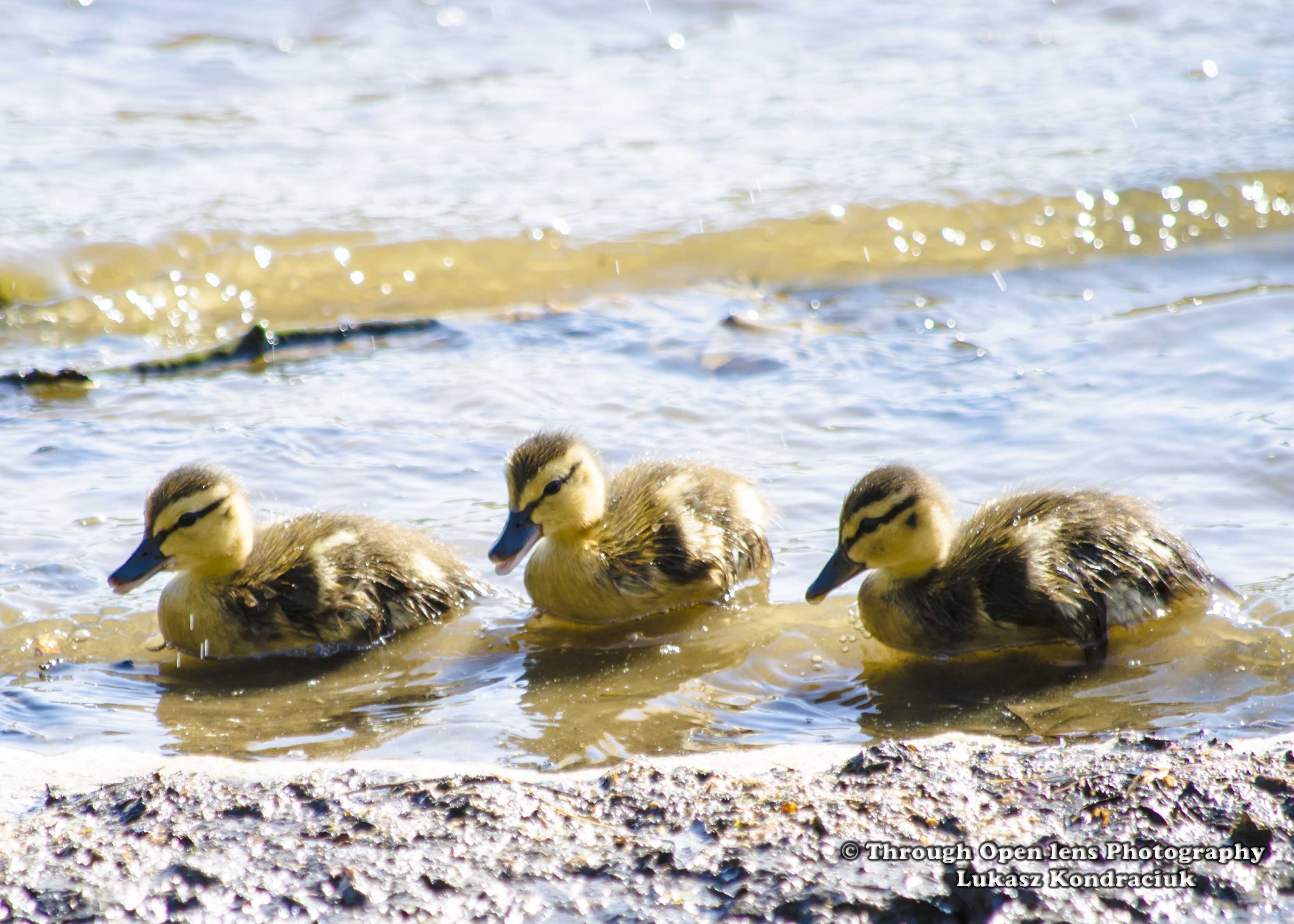
Quack Pack!

American Black Ducks

F/5.6, 1/320, ISO 100.

American Black Ducks

What’s the best way to ship duck eggs?

Put them in a quacker barrel.

Interesting Fact: As soon as their down feathers dry, newly hatched ducklings are able to leave the nest, a depression on the ground lined with plant materials. They follow their mother to rearing areas with a lot of invertebrates to eat and plenty of vegetation for cover. ( https://www.allaboutbirds.org/guide/American_Black_Duck/lifehistory )

Hope They Have All The Permits

Red-Necked Grebes

F/5.6, 1/320, ISO 100.

Red-Necked Grebe

The homeowner was delighted with the way the painter had done all the work on his house.

“You did a great job.” he said and handed the man a check.

“Also, in order to thank-you, here’s an extra $80 to take the missus out to dinner and a movie.”

Later that night, the doorbell rang and it was the painter.

Thinking the painter had forgotten something the man asked, “What’s the matter, did you forget something?”

“Nope.” replied the painter. “I’m just here to take your missus out to dinner and a movie like you asked.”

Interesting Fact: Like other grebes, the Red-necked Grebe ingests large quantities of its own feathers. Feathers remain in the bird’s stomach. The function of feathers in the stomach is unknown. One hypothesis suggests that the feathers help protect the lower digestive tract from bones and other hard, indigestible material. ( https://www.allaboutbirds.org/guide/Red-necked_Grebe/lifehistory )


Lifeguard Is On Duty!

Canada Goose And Goslings

F/5.6, 1/500, ISO 200.

Canada Goose And Goslings 

Why won’t they allow elephants in public swimming pools?

Because they might let down their trunks.

Interesting Fact: Individual Canada Geese from most populations make annual northward migrations after breeding. Nonbreeding geese, or those that lost nests early in the breeding season, may move anywhere from several kilometers to more than 1500 km northward. There they take advantage of vegetation in an earlier state of growth to fuel their molt. Even members of “resident” populations, which do not migrate southward in winter, will move north in late summer to molt.  ( https://www.allaboutbirds.org/guide/Canada_Goose/lifehistory )

A Little Birdie Told Me…

Chipping Sparrow

F/7.1, 1/200, ISO 500.

Chipping Sparrow 

Bacon and eggs walk into a bar and order a beer, the bartender says sorry, we don’t serve breakfast.

Interesting Fact: Chipping Sparrows typically build their nests low in a shrub or tree, but every once in a while they get creative. People have found their nests among hanging strands of chili peppers, on an old-fashioned mower inside a tool shed, and on a hanging basket filled with moss. ( https://www.allaboutbirds.org/guide/Chipping_Sparrow/lifehistory )

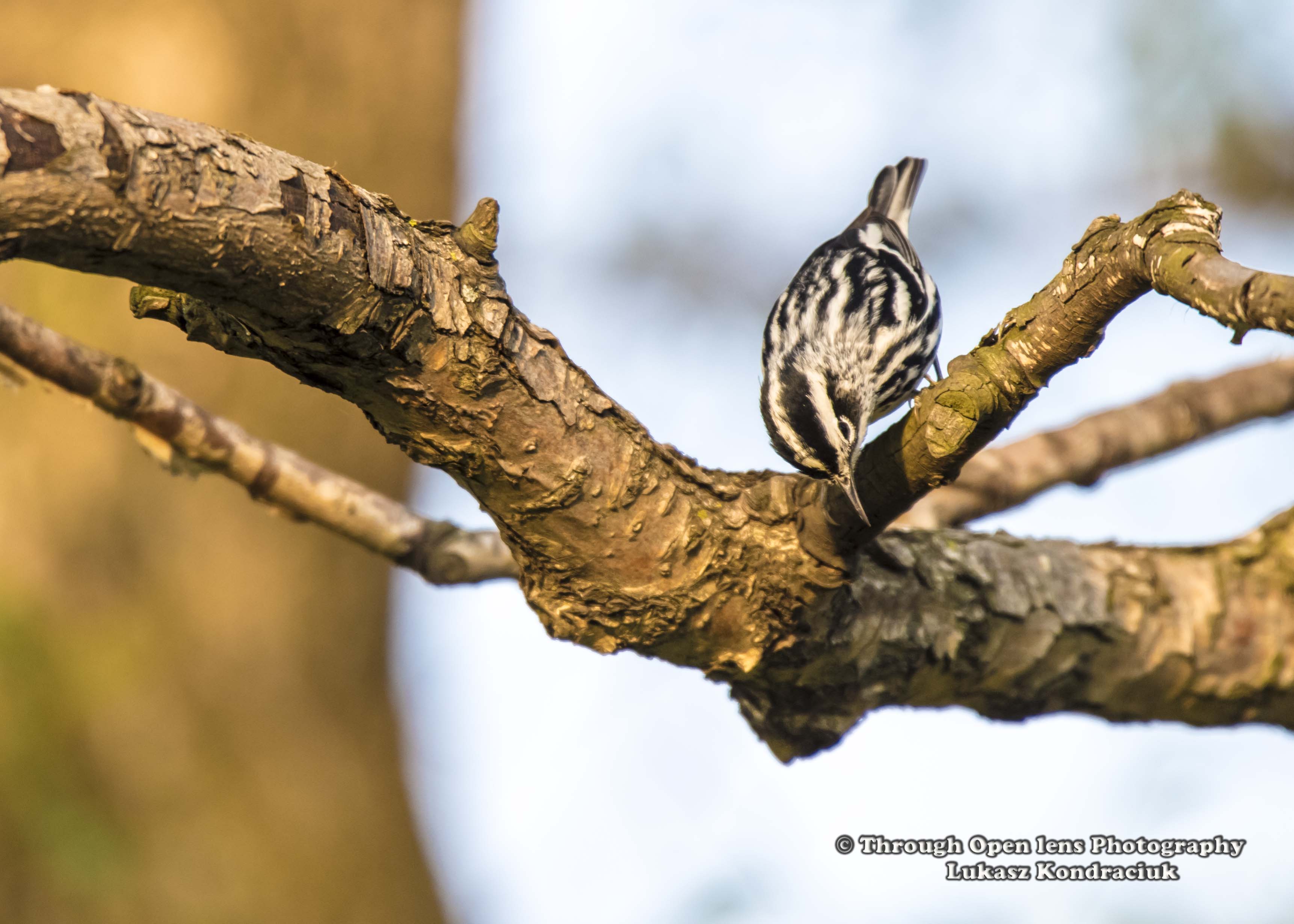
Hey What’s Going On Down There, Keep It Down!

Black and white Warbler

F/7.1, 1/200, ISO 320.

Black-and-white Warbler

A couple of hunters are out in the woods when one of them falls to the ground. He doesn’t seem to be breathing, his eyes are rolled back in his head. The other guy whips out his cell phone and calls the emergency services. He gasps to the operator: “My friend is dead! What can I do?”

The operator, in a calm soothing voice says: “Just take it easy. I can help. First, let’s make sure he’s dead.” There is a silence, then a shot is heard.

The guy’s voice comes back on the line. He says: “OK, now what?

Interesting Fact: As warblers go, Black-and-white Warblers are combative: they’ll attack and fight with other species that enter their territory, including Black-capped Chickadees, Red-breasted Nuthatches, and American Redstarts. This aggressive behavior extends to the wintering grounds, where they defend territories and when feeding in mixed flocks will drive other Black-and-white Warblers away. ( https://www.allaboutbirds.org/guide/Black-and-white_Warbler/lifehistory )