Where flowers bloom, so does hope.

Crocus

F/8.0, 1/250, IOS 320.

Crocus

What did the big flower say to the little one?

You’re really growing, bud!

Interesting Fact: The first crocus seen in the Netherlands, where crocus species are not native, were from corms brought back in the 1560s from Constantinople by the Holy Roman Emperor’s ambassador to the Sublime Porte, Ogier Ghiselin de Busbecq. A few corms were forwarded to Carolus Clusius at the botanical garden in Leiden. By 1620, the approximate date of Ambrosius Bosschaert‘s painting (illustration, below), new garden varieties had been developed, such as the cream-colored crocus feathered with bronze at the base of the bouquet, similar to varieties still on the market. Bosschaert, working from a preparatory drawing to paint his composed piece spanning the whole of spring, exaggerated the crocus so that it passes for a tulip, but its narrow, grass-like leaves give it away. ( https://en.wikipedia.org/wiki/Crocus#History )

Spring Is A Nature’s Way Of Saying “Let’s Party!”

Happy First Day Of Spring!

Narcissus

F/8.0, 1/250, ISO 320.

Narcissus ( Daffodils )

When do people start using their trampoline?

Spring-Time

Interesting Fact: Spring is one of the four conventional temperate seasons, following winter and preceding summer. There are various technical definitions of spring, but local usage of the term varies according to local climate, cultures and customs. When it is spring in the Northern Hemisphere, it will be autumn in the Southern Hemisphere. At the spring equinox, days are approximately 12 hours long with day length increasing as the season progresses. Spring and “springtime” refer to the season, and also to ideas of rebirth, rejuvenation, renewal, resurrection and regrowth. Subtropical and tropical areas have climates better described in terms of other seasons, e.g. dry or wet, monsoonal or cyclonic. Often, cultures have locally defined names for seasons which have little equivalence to the terms originating in Europe. ( https://en.wikipedia.org/wiki/Spring_(season)#Meteorological_reckoning )

I’m Blue Da Ba Dee Da Ba Die…

Blue Jay 1

F/6.3, 1/125, ISO 800.

Blue Jay

How do blue jays stay fit?

Wormups.

Interesting Fact: Thousands of Blue Jays migrate in flocks along the Great Lakes and Atlantic coasts, but much about their migration remains a mystery. Some are present throughout winter in all parts of their range. Young jays may be more likely to migrate than adults, but many adults also migrate. Some individual jays migrate south one year, stay north the next winter, and then migrate south again the next year. No one has worked out why they migrate when they do. ( https://www.allaboutbirds.org/guide/Blue_Jay/lifehistory )

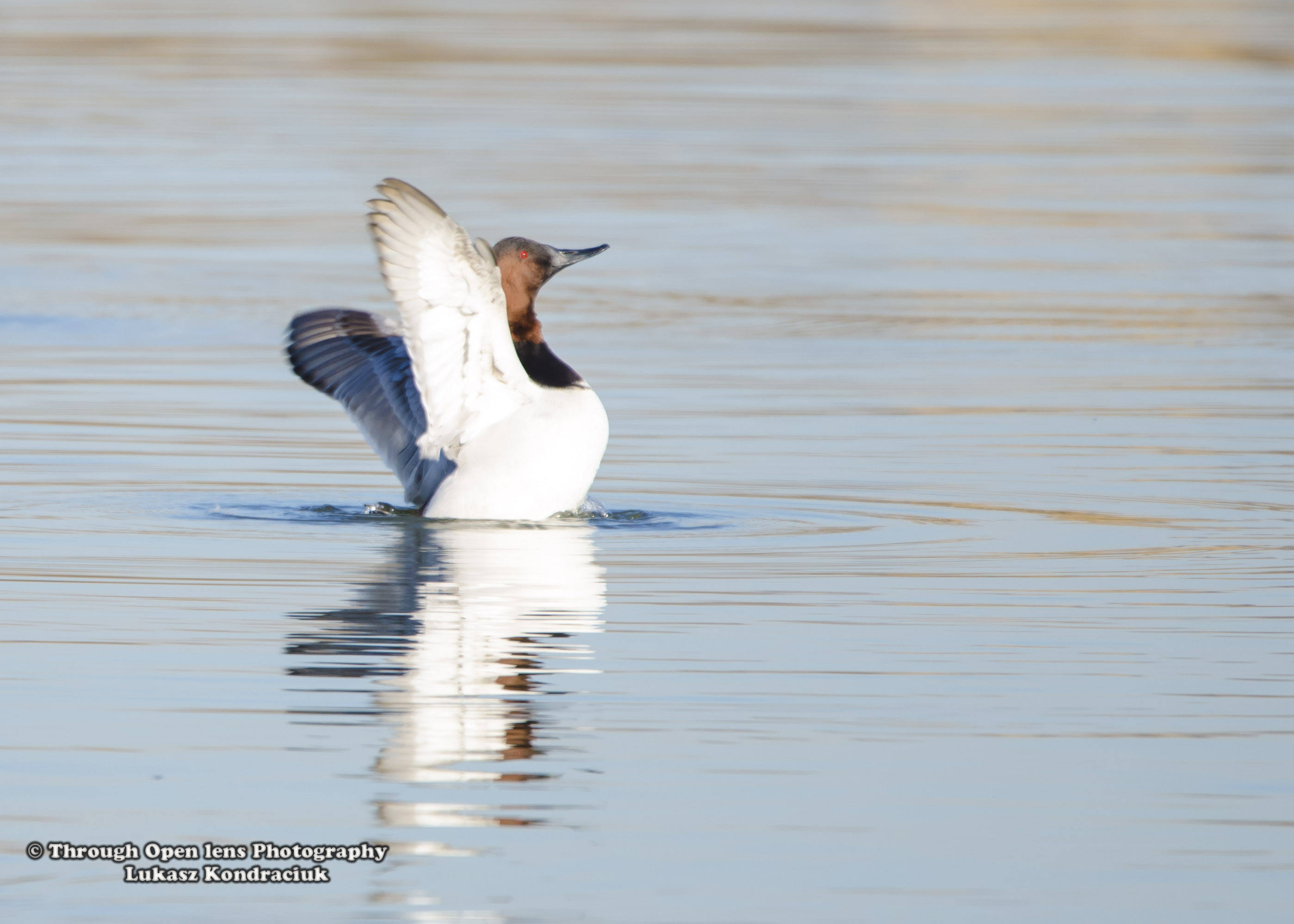
I Want To Twirl!

Canvasback duck

F/6.3, 1/500, ISO 200.

Canvasback

Chickens rise when the rooster crows, but when do ducks get up?

At the quack of dawn!

Interesting Fact: The Canvasback is a very good flier and can reach speeds of up to 70 mph. ( http://identify.whatbird.com/obj/100/overview/Canvasback.aspx )


Simon Says Look Up!!

American Robin

F/6.0, 1/500, ISO 220.

American Robin

What happened when Batman and Robin got run over by a steamroller?

They became Flatman and Ribbon!


Interesting Fact: Robin roosts can be huge, sometimes including a quarter-million birds during winter. In summer, females sleep at their nests and males gather at roosts. As young robins become independent, they join the males. Female adults go to the roosts only after they have finished nesting. ( https://www.allaboutbirds.org/guide/American_Robin/lifehistory )

Look Over Here!

White-Tailed Deer

F/6.3, 1/200, ISO 720.

White-Tailed Deer

What do you get when you cross Bambi with a ghost?

Bamboo.

Interesting Fact: Female deer, called does, give birth to one to three young at a time, usually in May or June and after a gestation period of seven months. Young deer, called fawns, wear a reddish-brown coat with white spots that helps them blend in with the forest. ( http://animals.nationalgeographic.com/animals/mammals/white-tailed-deer/ )

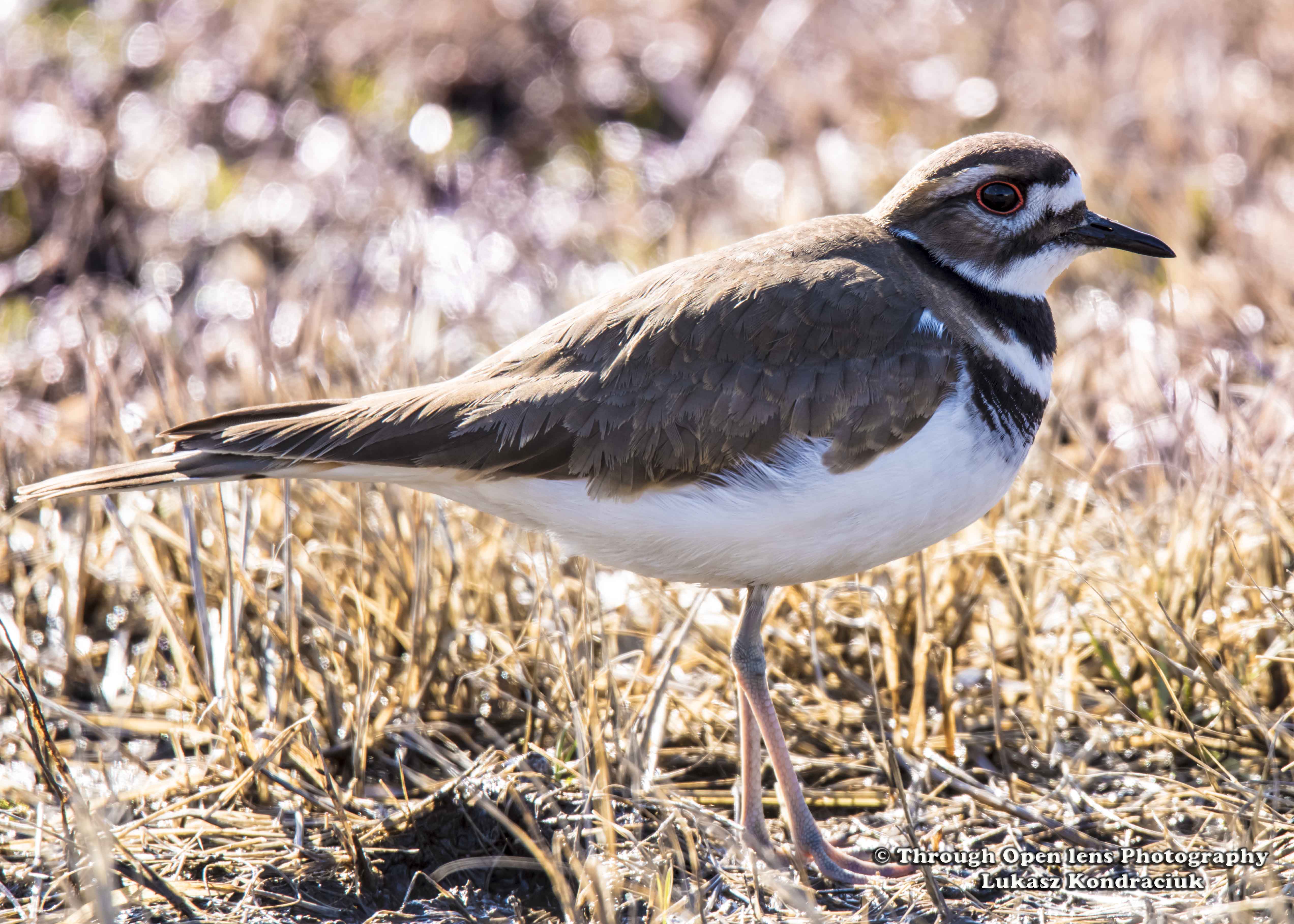
Do I Look Like I Have An Eye Of The Tiger?!

Killdeer

F/9.0, 1/320, ISO 320.

Killdeer

What did the right eye say to the left eye?

Between you and me, there’s something that smells…

Interesting Fact: A well-known denizen of dry habitats, the Killdeer is actually a proficient swimmer. Adults swim well in swift-flowing water, and chicks can swim across small streams. ( https://www.allaboutbirds.org/guide/Killdeer/lifehistory )

Wazzaap! Through Open Lens Turns 2 Today!

It has been two years since my first post and what a great two years it has been!  Thank You everyone for your support and I hope to continue entertaining you all throughout many years to come.

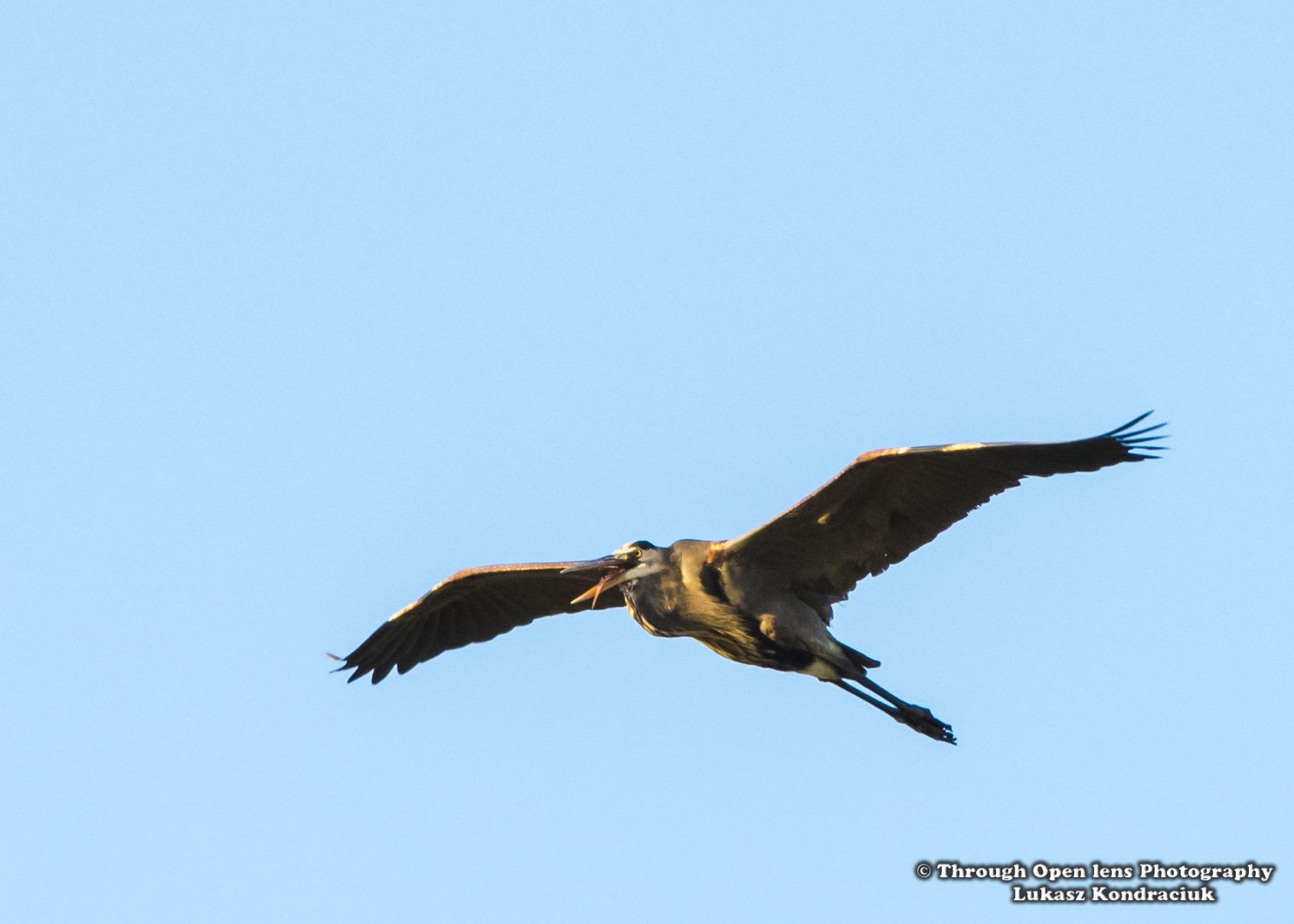
Great Blue Heron Wazzaap!

F/11.0, 1/500, ISO 640.

Great Blue Heron

A man is boasting to his buddies that he is taking his wife to Rome for their 40th wedding anniversary.
“What will you do for your 50th?” one of them asks.
“I’ll go and get her.”

Interesting Fact: Thanks to specially shaped neck vertebrae, Great Blue Herons can quickly strike prey at a distance.  ( https://www.allaboutbirds.org/guide/Great_Blue_Heron/lifehistory )

I Can See My Nest From Here!

Osprey

F/10.0, 1/400, ISO 500.

Osprey

What do you get when a chicken lays an egg on top of a barn?

An eggroll!

Interesting Fact: Ospreys are excellent anglers. Over several studies, Ospreys caught fish on at least 1 in every 4 dives, with success rates sometimes as high as 70 percent. The average time they spent hunting before making a catch was about 12 minutes—something to think about next time you throw your line in the water. ( https://www.allaboutbirds.org/guide/Osprey/lifehistory )

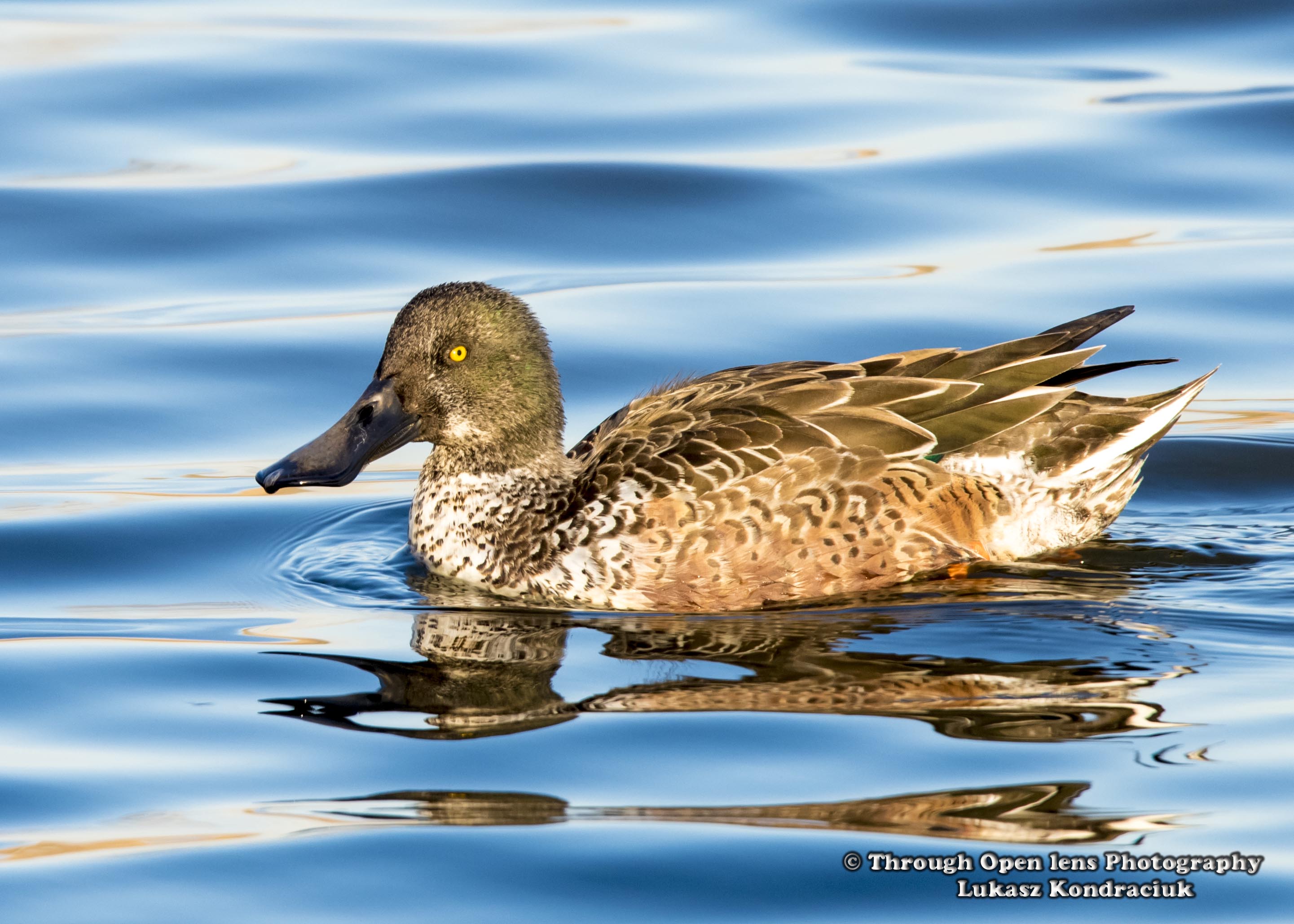
Quack Off!!!

Northern Shoveler

F/10.0, 1/400, ISO 400.

Northern Shoveler

What do you get when a duck bends over?

It’s Buttquack

Interesting Fact: When flushed off the nest, a female Northern Shoveler often defecates on its eggs, apparently to deter predators. ( https://www.allaboutbirds.org/guide/Northern_Shoveler/lifehistory )