Got You!

Bumblebee

F/8.0, 1/125, ISO 320.

Bumblebee

Why do bees hum?

Because they’ve forgotten the words!

Interesting Fact: Bumblebees eat pollen and nectar collected from various flowers. They produce minimal amount of honey that is used as food for the young bumblebees. ( http://www.softschools.com/facts/animals/bumblebee_facts/582/ )

Building Castles In The Sky!

The San Remo

F/9.0, 1/320, ISO 100.

The San Remo

This arrogant young guy has recently started work at a construction site and ever since he started he’s been bragging that he could outdo anyone based on his superior strength. He’s been making fun of one of the older workmen in particular.

Eventually, the older worker has had enough and says, “Tell you what – why don’t you put your money where your mouth is? I’ll bet you a week’s wages that I can take something over to that other building in this wheelbarrow and you won’t be able to wheel it back.”

The young guy laughs confidently, “You’re on, old man. Let’s see what you’ve got.”

So the old guy grabs the wheelbarrow by the handles. Then, he nods to the young man as he says with a smile, “Alright. Get in.”

Interesting Fact: The building’s architect, Emery Roth, took advantage of new zoning regulations to build the first of New York’s twin towered apartment blocks.[8] Each of San Remo’s ten-story towers is topped with an English Baroque mansion in the manner of John Vanbrugh and capped with an homage to the Choragic Monument of Lysicrates. The Athenian monument was known to Roth from the reproduction that had featured in the World’s Columbian Exposition in Chicago, 1893. Roth also designed The Beresford and other landmark apartment houses and office blocks in New York. Construction began in 1929, weeks before the market crash initiated the Great Depression. The San Remo’s construction process took approximately two years. In 1940 both buildings were sold, for $25,000 over the existing mortgages. ( https://en.wikipedia.org/wiki/The_San_Remo#History )


“Peace Is Not Merely A Distant Goal That We Seek, But A Means By Which We Arrive At That Goal.”

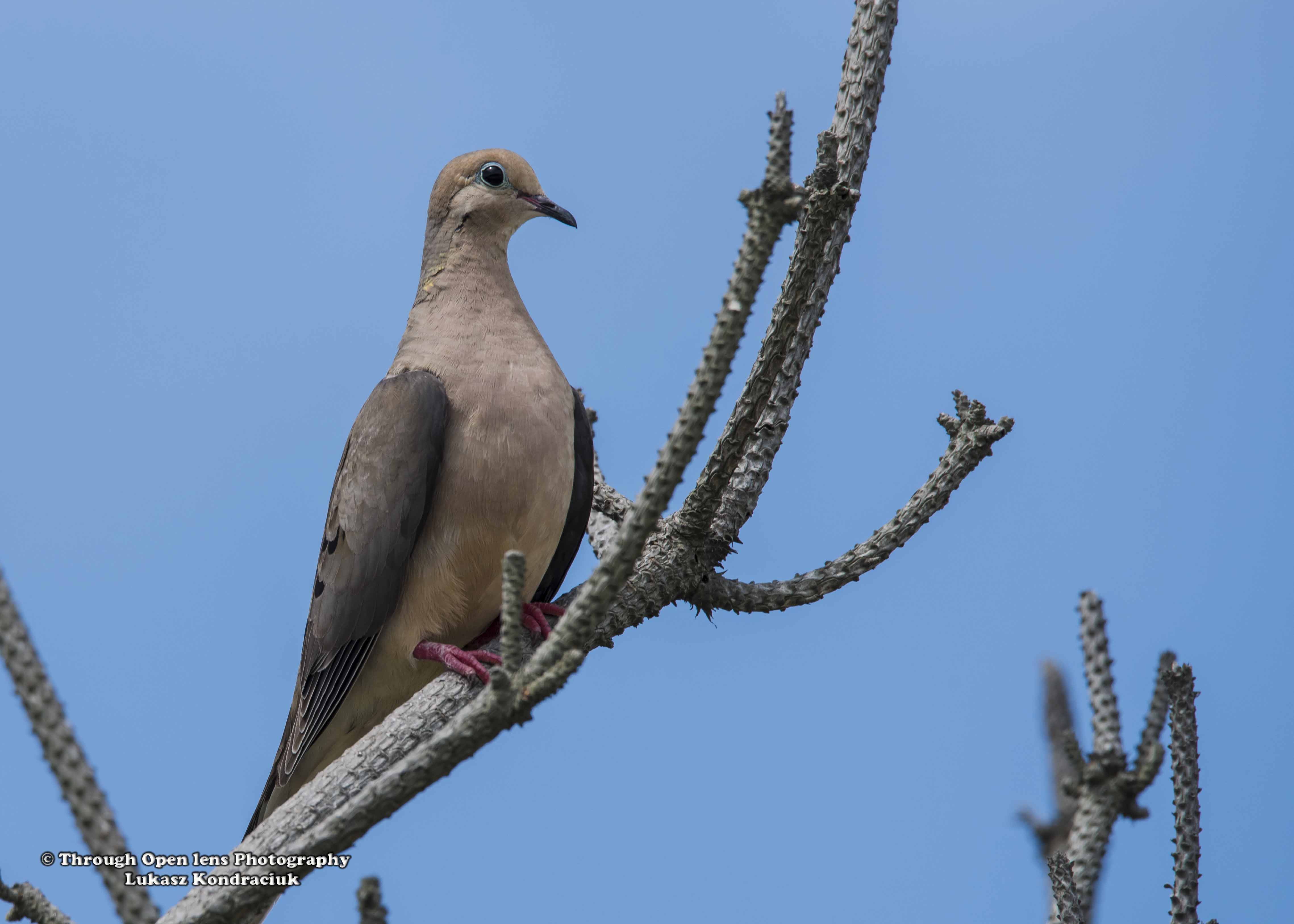
Mourning Dove 1

F/10.0, 1/400, ISO 160.

Mourning Dove

Why did the rubber chicken cross the road?

She wanted to stretch her legs.

Interesting Fact: Mourning Doves eat roughly 12 to 20 percent of their body weight per day, or 71 calories on average. ( https://www.allaboutbirds.org/guide/Mourning_Dove/lifehistory )

AHHHH! You Scared Me!

White-Tailed Deer 3

F/ 7.1, 1/200, ISO 200.

Why do male deer need braces?

Because they have buck teeth!

Interesting Fact: Adult white-tails have reddish-brown coats in summer which fade to a duller grayish-brown in winter. Male deer, called bucks, are easily recognizable in the summer and fall by their prominent set of antlers, which are grown annually and fall off in the winter. Only the bucks grow antlers, which bear a number of tines, or sharp points. During the mating season, also called the rut, bucks fight over territory by using their antlers in sparring matches. ( http://animals.nationalgeographic.com/animals/mammals/white-tailed-deer/ )


I Am Not Crazy… Well, Maybe I Am But You Got To Love Me.

Eastern Towhee 1

F/8.0, 1/250, ISO 250.

Eastern Towhee

Why was the math textbook so sad?

He had a lot of problems!

Interesting Fact: The Eastern Towhee and the very similar Spotted Towhee of western North America used to be considered the same species, the Rufous-sided Towhee. The two forms still occur together in the Great Plains, where they sometimes interbreed. This is a common evolutionary pattern in North American birds – a holdover from when the great ice sheets split the continent down the middle, isolating birds into eastern and western populations that eventually became new species. ( https://www.allaboutbirds.org/guide/Eastern_Towhee/lifehistory )

I Have Evil Plan

Chipmunk

F/6.3, 1/125, ISO 320.

Chipmunk

Two men went hunting. One had been an avid hunter; hunting all his life, the other man was a city boy; hunting for the first time.

The avid hunter told city boy to sit down and not make a sound. So he did.

But when the first man got 100 yards away, he heard a scream.

“I thought I told you to be quiet!” he said.

“I was when the snake bit me,” the man said.

“And I was when the bear attacked me. But when the two chipmunks crawled up my pant leg and said, ‘Should we eat or take them with us,’ I screamed.”

Interesting Fact: Although chipmunks hibernate, they do not store fat. Instead they slowly gnaw away at their summer bounty throughout the winter. ( http://animals.nationalgeographic.com/animals/mammals/chipmunk/ )

So What Are We Staring At?!

Great Black-backed Gull

F/13.0, 1/640, ISO 320.

Great Black-backed Gull  

What do you call a seagull when it flies over the bay?

A bagel.

Interesting Fact: This is the largest gull in the world. Its broad wings and powerful appearance give it a regal look that have impressed naturalists for years. In the words of one early observer: “It surely seemed to be a king among the gulls, a merciless tyrant over its fellows, the largest and strongest of its tribe. No weaker gull dared to intrude upon its feudal domain.” ( https://www.allaboutbirds.org/guide/Great_Black-backed_Gull/lifehistory )

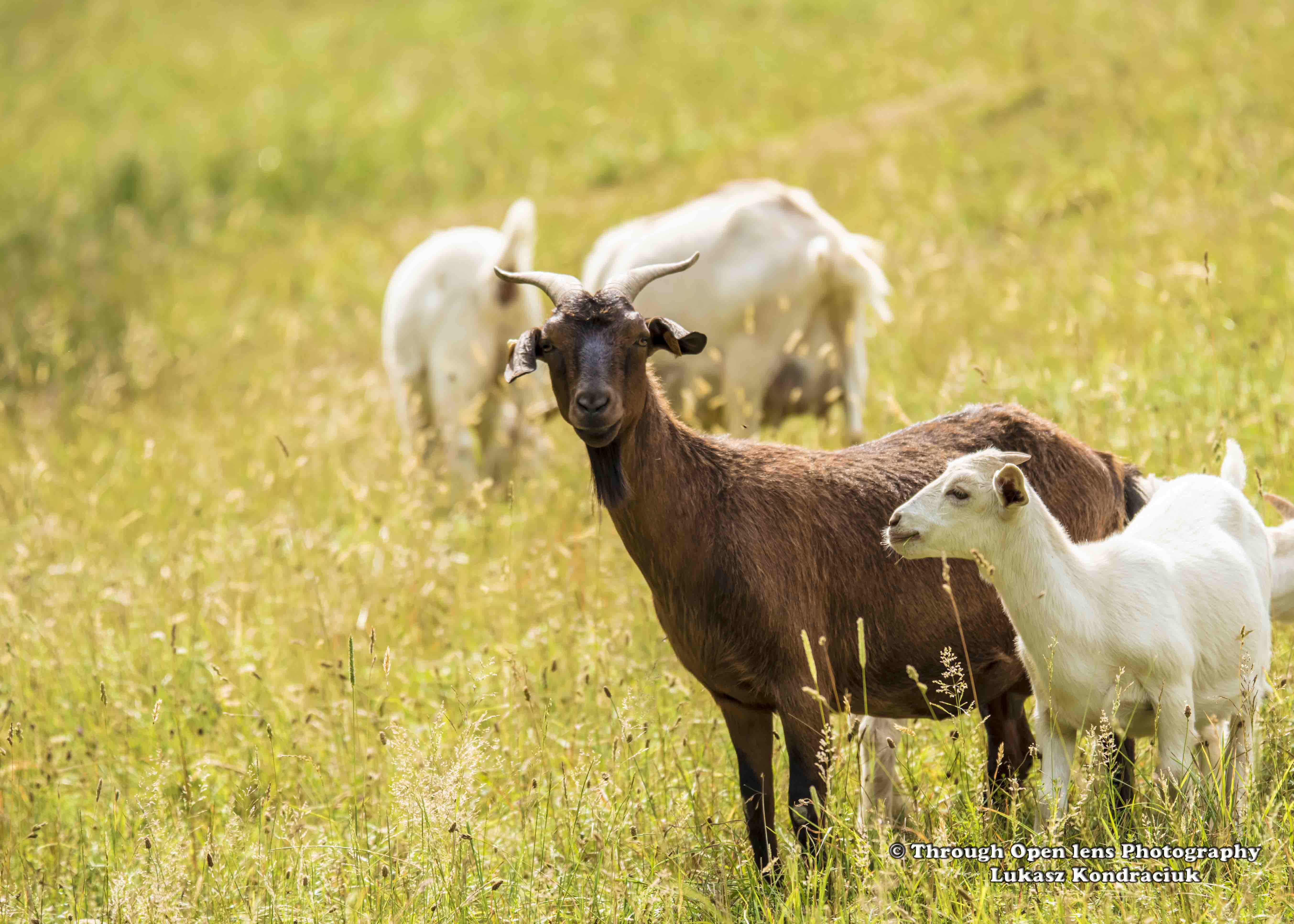
You Goat It Dude!

Goats

F/6.0, 1/800, ISO 200.

Goats

How do you keep a goat from charging?

You take his credit card away!

Interesting Fact: Goats are very intelligent and curious animals. Their inquisitive nature is exemplified in their constant desire to explore and investigate anything unfamiliar which they come across. ( http://www.onekind.org/education/animals_a_z/goat )

Thank You For Bearing With Me

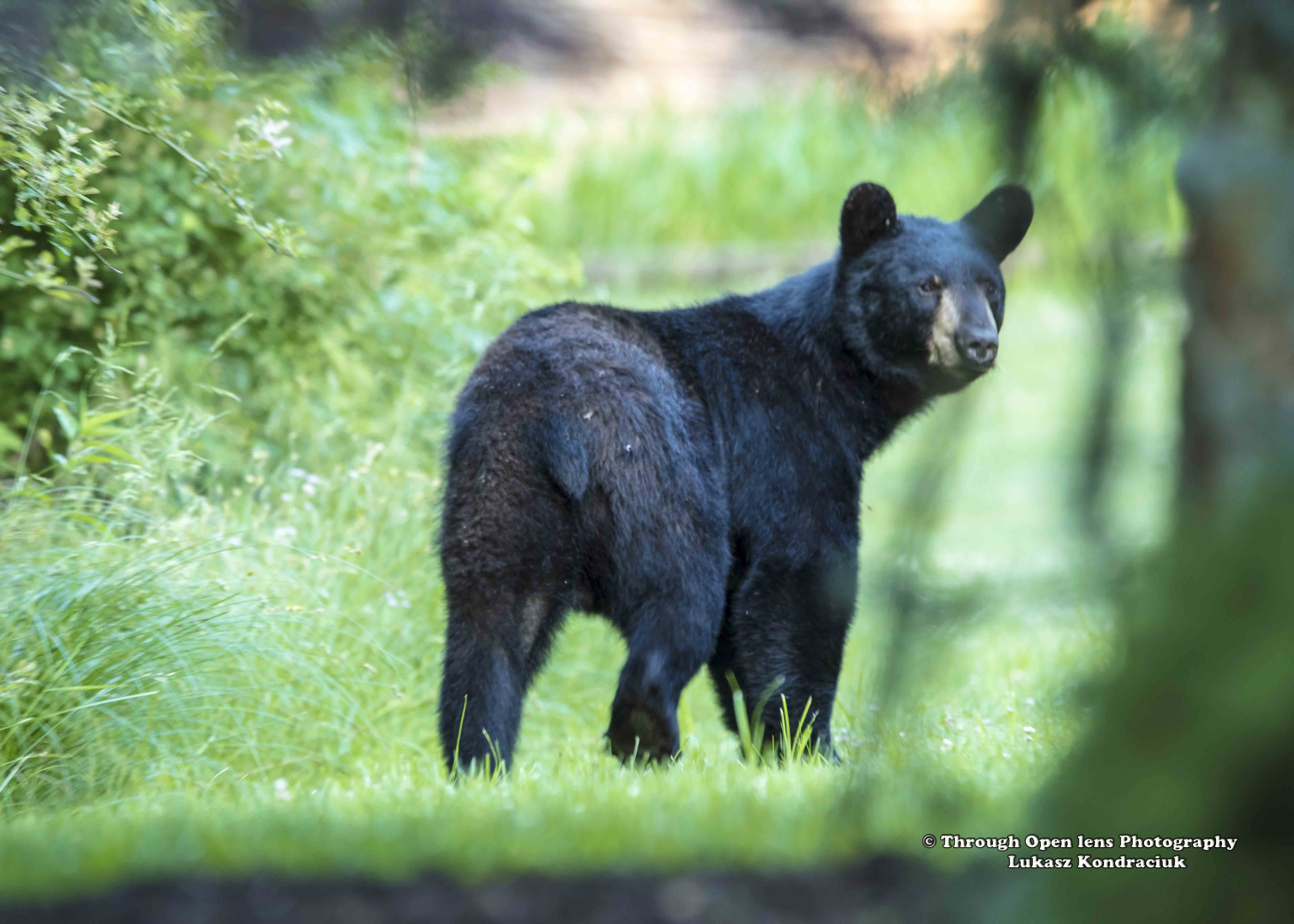
Black Bear

F/6.0, 1/40, ISO 500.

American Black Bear

How do you catch a fish without a fishing pole?

With your BEAR hands.

Interesting Fact: Black bears are not true hibernators. During their winter dormant period, though, they do not eat, drink, urinate, or defecate, but may wake up if disturbed. ( http://animals.nationalgeographic.com/animals/mammals/black-bear/ )

Bee Mine!

bee

F/ 8.0, 1/200, ISO 100.

Bumblebee

Why did the bee get married?

Because he found his honey

Interesting Fact: Queen hibernates during the winter and starts laying eggs in the spring. She lays 8 to 12 eggs at a time. Young bumblebees emerge after 21 days.  ( http://www.softschools.com/facts/animals/bumblebee_facts/582/ )