Behind The Blue Eyes

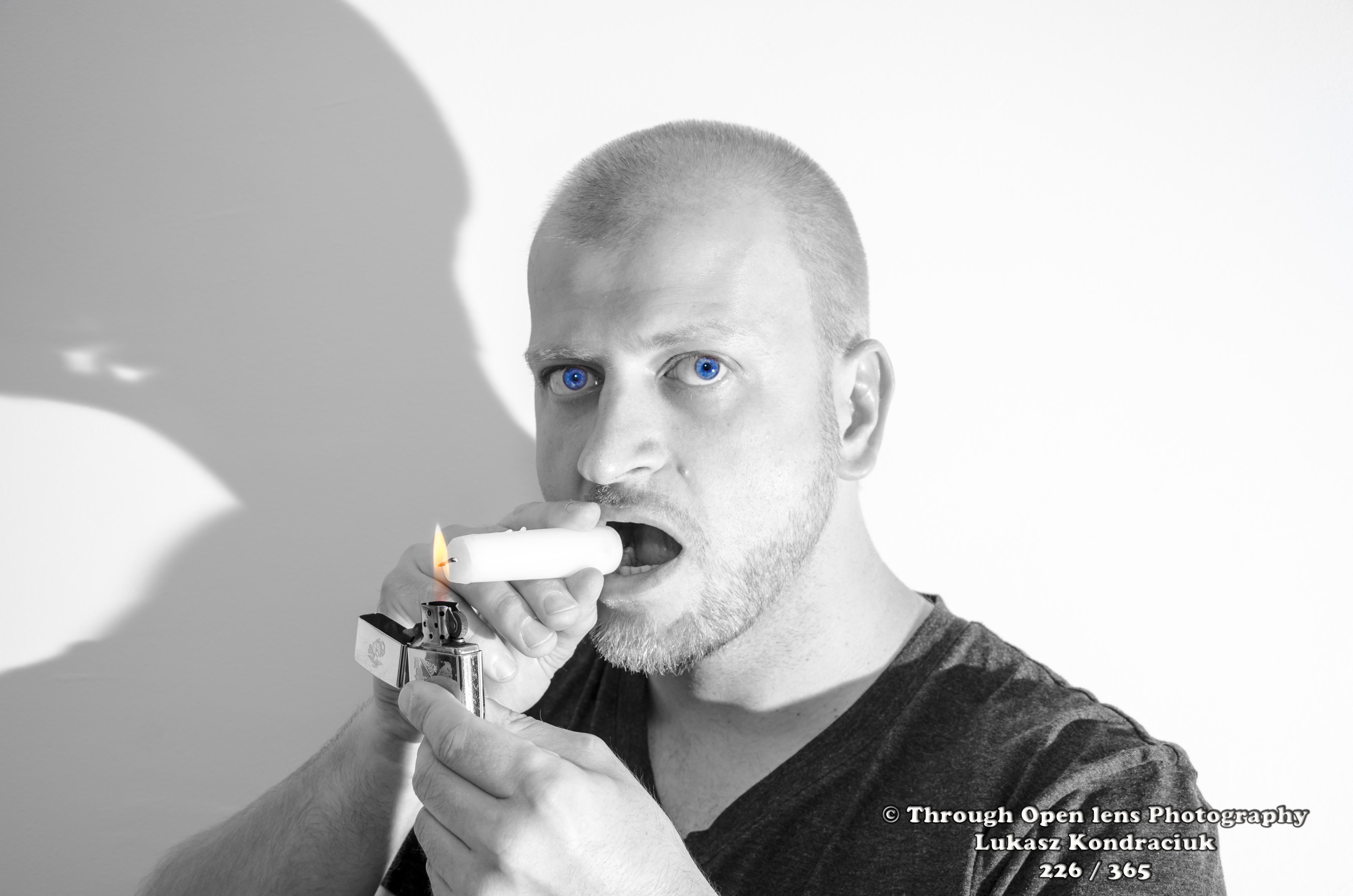
blue eyes

F/7.1, 1/60, ISO 125.

Day 226 / 365

A guy walks past a mental hospital and hears a moaning voice “… 13 … 13 … 13 …”

The man looked over to the hospital and saw a hole in the wall, he looked through the hole and gets poked in the eye. The moaning voice then groaned “… 14 … 14 … 14 …”

Interesting Fact:  Blue eyes are more sensitive to light than darker-colored eyes since they do not have as much melanin. This sensitivity can make blue-eyed people more prone to problems like melanoma of the eyes. For this reason, they should be more vigilant about protecting their eyes against too much sun exposure by wearing sunglasses or making sure their prescription glasses include protection from ultraviolet rays. ( http://factualfacts.com/science-facts/blue-eyes/ )


Yeah We Lift!

cranes

F/9.0, 1/320, ISO 100.

Day 225 / 365

Crane party, they can get down and they can really raise the roof!

Interesting Fact: The crane for lifting heavy loads was invented by the Ancient Greeks in the late 6th century BC.[1] The archaeological record shows that no later than c.515 BC distinctive cuttings for both lifting tongs and lewis irons begin to appear on stone blocks of Greek temples. Since these holes point at the use of a lifting device, and since they are to be found either above the center of gravity of the block, or in pairs equidistant from a point over the center of gravity, they are regarded by archaeologists as the positive evidence required for the existence of the crane. ( https://en.wikipedia.org/wiki/Crane_(machine)#History )

And I Ran I Ran So Far Away

street art

F/4.2, 1/30, ISO 1100.

Day 224 / 365

What did the artist say to the rival?

I Challenge you a doodle!

Interesting Fact:  Artists have challenged art by situating it in non-art contexts. Street artists do not aspire to change the definition of an artwork, but rather to question the existing environment with its own language.[3] The motivations and objectives that drive street artists are as varied as the artists themselves. ‘Street’ artists attempt to have their work communicate with everyday people about socially relevant themes in ways that are informed by esthetic values without being imprisoned by them. There is a strong current of activism and subversion in urban art. Street art can be a powerful platform for reaching the public and a potent form of political expression for the oppressed, or people with little resources to create change.[5] Common variants include adbusting, subvertising and other culture jamming, the abolishment of private property and reclaiming the streets. ( https://en.wikipedia.org/wiki/Street_art )

Families Are Like Fudge Mostly Sweet With A Few Nuts

Greater Yellowlegs 1

F/ 6.3, 1/1000, ISO 640.

Greater Yellowlegs

Day 223 / 365

How do baby birds learn to fly?

They wing it!

Interesting Fact: They often feed actively, running after fish or other fast-moving aquatic prey. ( http://identify.whatbird.com/obj/252/overview/Greater_Yellowlegs.aspx )

Money Hungry!

Piggy Bank

F/4.8, 1/60, ISO 160.

Day 222 / 365

I was thinking about making piggy banks for a living.

I hear there’s good money in them.

I’ve rejected a new job making piggy banks.

I didn’t want change.

Interesting Fact: In English, the word “pig” can refer to two things: the animal and earthenware, which is used to make crockery. People often saved money in kitchen pots and jars made of pig, called “pig jars”. By the 18th century, the term “pig jar” had evolved to “pig bank”. [3] As earthenware was supplanted by other materials, such as glass, plaster, and plastic, the name gradually began to refer specifically to the shape of the bank, instead of what was used to make it. ( https://en.wikipedia.org/wiki/Piggy_bank )

I Got Chills. They’re Multiplying. And I’m Losing Control ‘Cause The Power You’re Supplying. It’s Electrifying!

© Through Open lens Photography

F/6.3, 1/1250, ISO 400.

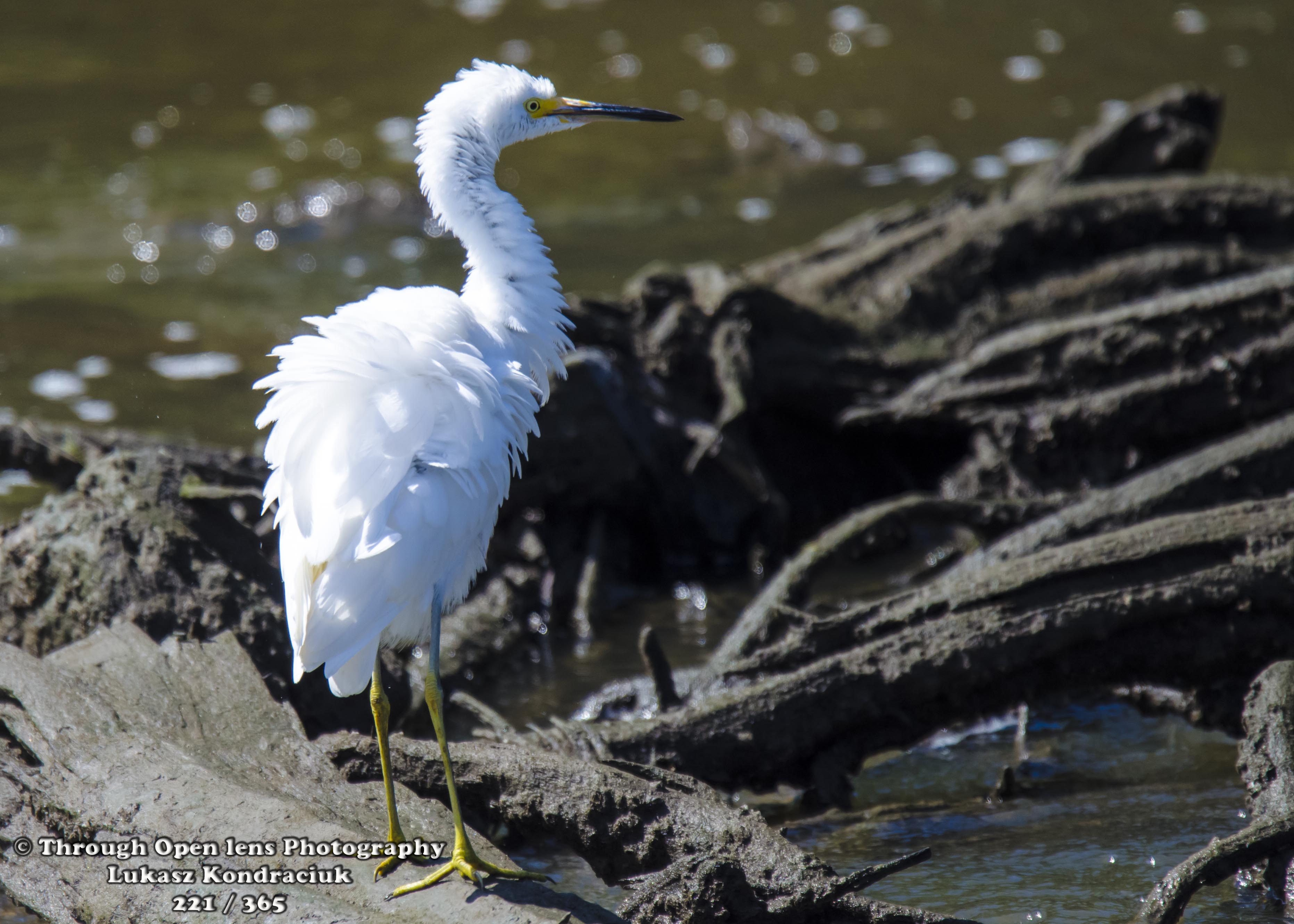
Great Egret

Day 221 / 365

What do you get when you kiss a diseased bird?

Cherpies

Interesting Fact: Resident to medium-distance migrant. Most Great Egrets move south for winter, traveling as far as the West Indies or southern Central America. They migrate by day in small flocks. During mild years, Great Egrets may stay as far north as Massachusetts. Individuals from the southern U.S. may not migrate at all. In late summer and fall, Great Egrets range widely over the continent. ( http://www.allaboutbirds.org/guide/Great_Egret/lifehistory )


I Choose To Be Happy Today!

European Starling 2

F/6.3, 1/500, ISO 200.

European Starling

Day 220 / 365

What kind of birds do you usually find locked up?

Jail-birds!

Interesting Fact: A female European Starling may try to lay an egg in the nest of another female. A female that tries this parasitic tactic often is one that could not get a mate early in the breeding season. The best females find mates and start laying early. The longer it takes to get started, the lower the probability of a nest’s success. Those parasitic females may be trying to enhance their own breeding efforts during the time that they cannot breed on their own. ( http://www.allaboutbirds.org/guide/European_Starling/lifehistory )


Today I Will Be Happier Than A Seagull With A Stolen Chip!

© Through Open lens Photography

F/6.3, 1/1250, ISO 400.

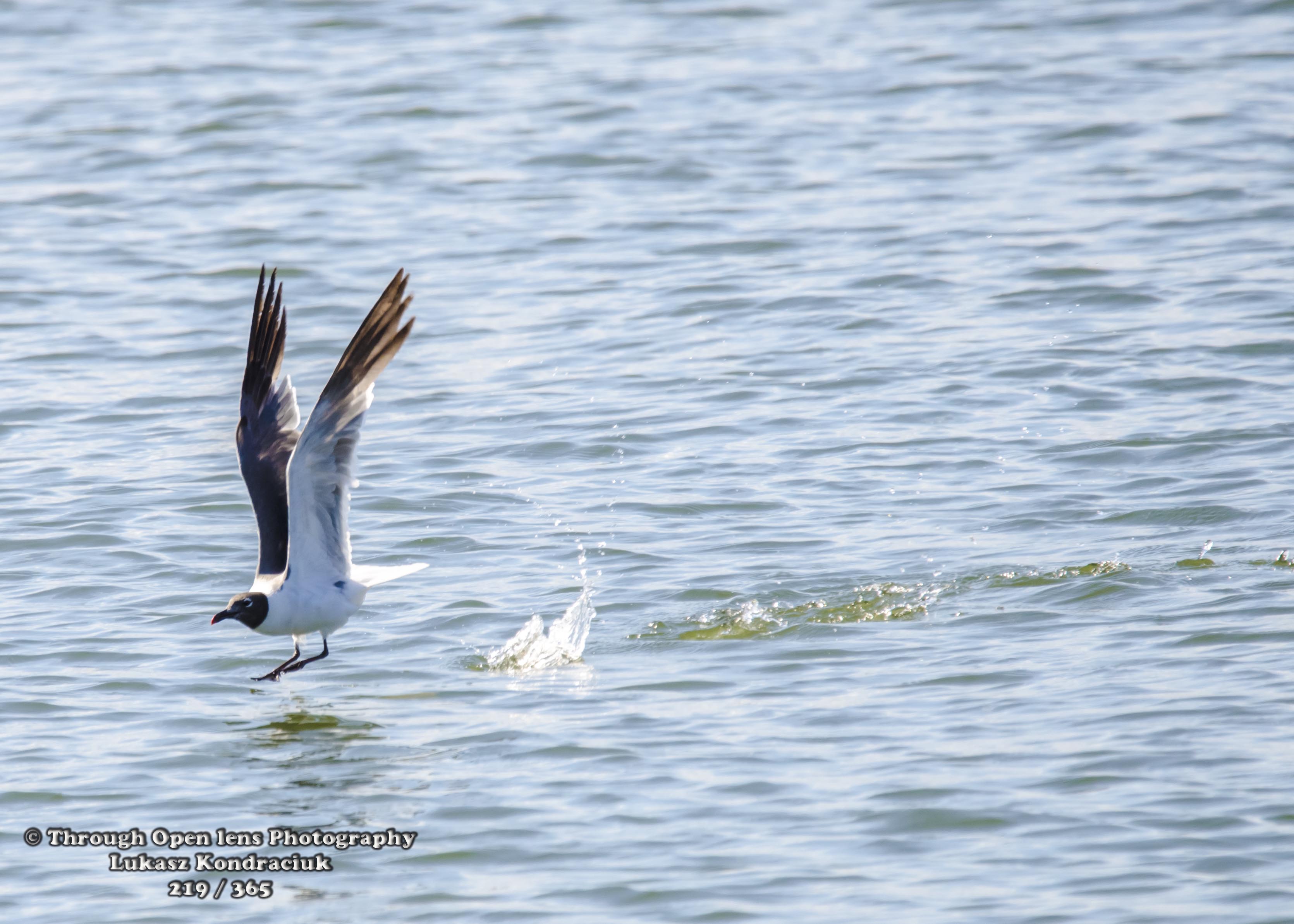
Bonaparte’s Gull

Day 219 / 365

A man and his pet seagull walk into a bar. It’s about 5pm, but they’re ready for a good night of drinking.
They start off slowly, watching TV, drinking beer, eating peanuts. As the night goes on they move to mixed drinks, and then shooters, one after the other.
Finally, the bartender says: “Last call.”
So, the man says, “One more for me… and one more for my seagull.”
The bartender sets them up and they shoot them back. Suddenly, the seagull falls over dead.
The man throws some money on the bar, puts on his coat and starts to leave.
The bartender, yells: “Hey buddy, you can’t just leave that lyin’ there.”
To which the man replies: “That’s not a lion, that’s a seagull.”

Interesting Fact: The smallest gull seen over most of North America, it is also the only gull that regularly nests in trees. ( http://identify.whatbird.com/obj/459/_/Bonapartes_Gull.aspx )

There Is Always Hope For A Better Day !

Clouds

F/ 7.1, 1/800, ISO 200.

Day 217 / 365

Where do clouds go to the bathroom?

Anywhere they want

Interesting Fact: Clouds are formed when water on Earth evaporates into the sky and condenses high up in the cooler air. Learn more about the water cycle. ( http://www.sciencekids.co.nz/sciencefacts/weather/clouds.html )

Grass Is Always Greener On The Other Side!

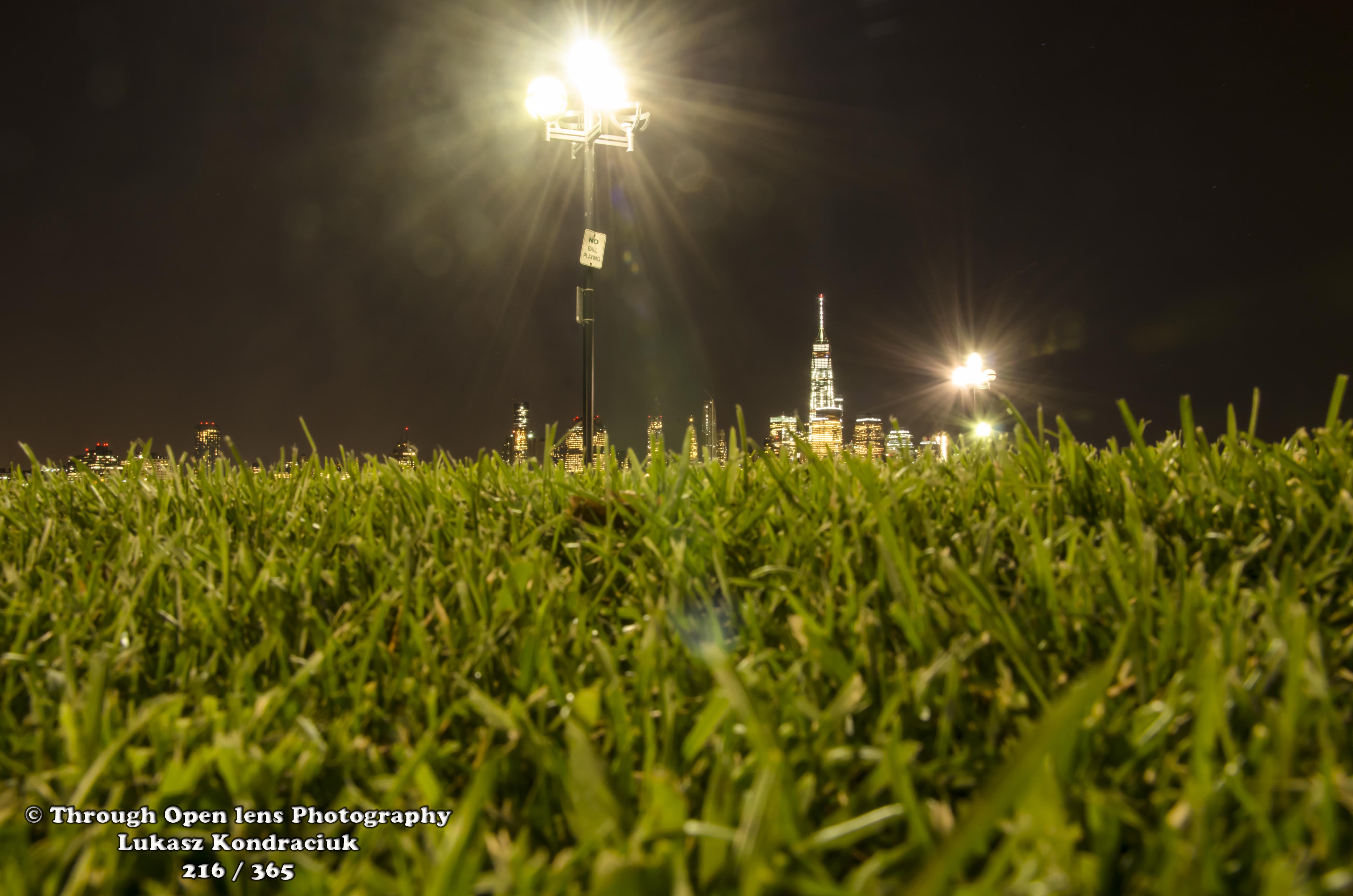
grass nyc

F/22.0, 30.0, ISO 100.

Day 216 / 365

What do you call a cow who works for a gardener?

A lawn moo-er.

Interesting Fact:  There are over 6000 different species of grass in the world; some examples are rice, wheat, corn, oats and sugarcane. Grass is the familiar name given to the family of plants known as the graminae. The sizes vary from short lawn grasses, to as tall as 40m, which is 120 feet. ( http://www.thefactsite.com/2010/08/facts-about-grass.html )