Go Away! I’m Really Focused Here

Great Blue Heron 3

F/7.1, 1/800, ISO 200.

Great Blue Heron

Two neighbors are talking to each other.
First neighbor: Do you know that my dog is so smart, he waits for the newspaper to drop at the doorstep and then delivers it to me?
Second neighbor: Of course, I know that very well.
First neighbor: Really, well then, how?
Second neighbor: My dog came and told me.

Interesting Fact: Great Blue Herons congregate at fish hatcheries, creating potential problems for the fish farmers. A study found that herons ate mostly diseased fish that would have died shortly anyway. Sick fish spent more time near the surface of the water where they were more vulnerable to the herons.  ( https://www.allaboutbirds.org/guide/Great_Blue_Heron/lifehistory )

Can’t Touch Me!

Black-crowned Night-Heron

F/6.3, 1/250 ISO 100.

Black-crowned Night-Heron

Why was the math textbook so sad?

He had a lot of problems!

Interesting Fact: Young Black-crowned Night-Herons leave the nest at the age of 1 month but cannot fly until they are 6 weeks old. They move through the vegetation on foot, joining up in foraging flocks at night. ( https://www.allaboutbirds.org/guide/Black-crowned_Night-Heron/lifehistory )

Why Wasn’t I Casted In The “Angry Bird” Movie?!

Chipping Sparrow 1

F/9.0, 1/320, ISO 100.

Chipping Sparrow 

Bob: You know Tom, sometimes I don’t understand life.
Tom: What do you mean?
Bob: When we were a younger, we learnt to talk and to walk. At school, we always have to sit down and shut up…

Interesting Fact: In much of the West, Chipping Sparrows disperse shortly after breeding to move to areas with better food resources. It’s not unusual to see Chipping Sparrows on alpine tundra or along roadsides in open grasslands. This results in the common misperception that they bred in those areas, when really they simply moved there to molt. ( https://www.allaboutbirds.org/guide/Chipping_Sparrow/lifehistory )

That Will Sting!

hornets

F/ 5.6, 1/500, ISO 400.

Hornets

Wife: “What are you doing?”
Husband : Nothing.
Wife : “Nothing…? You’ve been reading our marriage
certificate for an hour.”
Husband : “I was looking for the expiration date.”

Interesting Fact: Hornets (insects in the genera Vespa and Provespa) are the largest of the eusocial wasps, and are similar in appearance to their close relatives yellow jackets. Some species can reach up to 5.5 cm (2.2 in) in length. They are distinguished from other vespine wasps by the relatively large top margin of the head and by the rounded segment of the abdomen just behind the waist. Worldwide, there are 22 recognized species of Vespa,[1] and three species of Provespa, which are unique amongst hornets in being nocturnal.[2] Most species only occur in the tropics of Asia, though the European hornet (Vespa crabro), is widely distributed throughout Europe, Russia, North America and Northeast Asia. Wasps native to North America in the genus Dolichovespula are commonly referred to as hornets (e.g. baldfaced hornets), but are actually yellowjackets. ( https://en.wikipedia.org/wiki/Hornet )

Bee Mine!

bee

F/ 8.0, 1/200, ISO 100.

Bumblebee

Why did the bee get married?

Because he found his honey

Interesting Fact: Queen hibernates during the winter and starts laying eggs in the spring. She lays 8 to 12 eggs at a time. Young bumblebees emerge after 21 days.  ( http://www.softschools.com/facts/animals/bumblebee_facts/582/ )

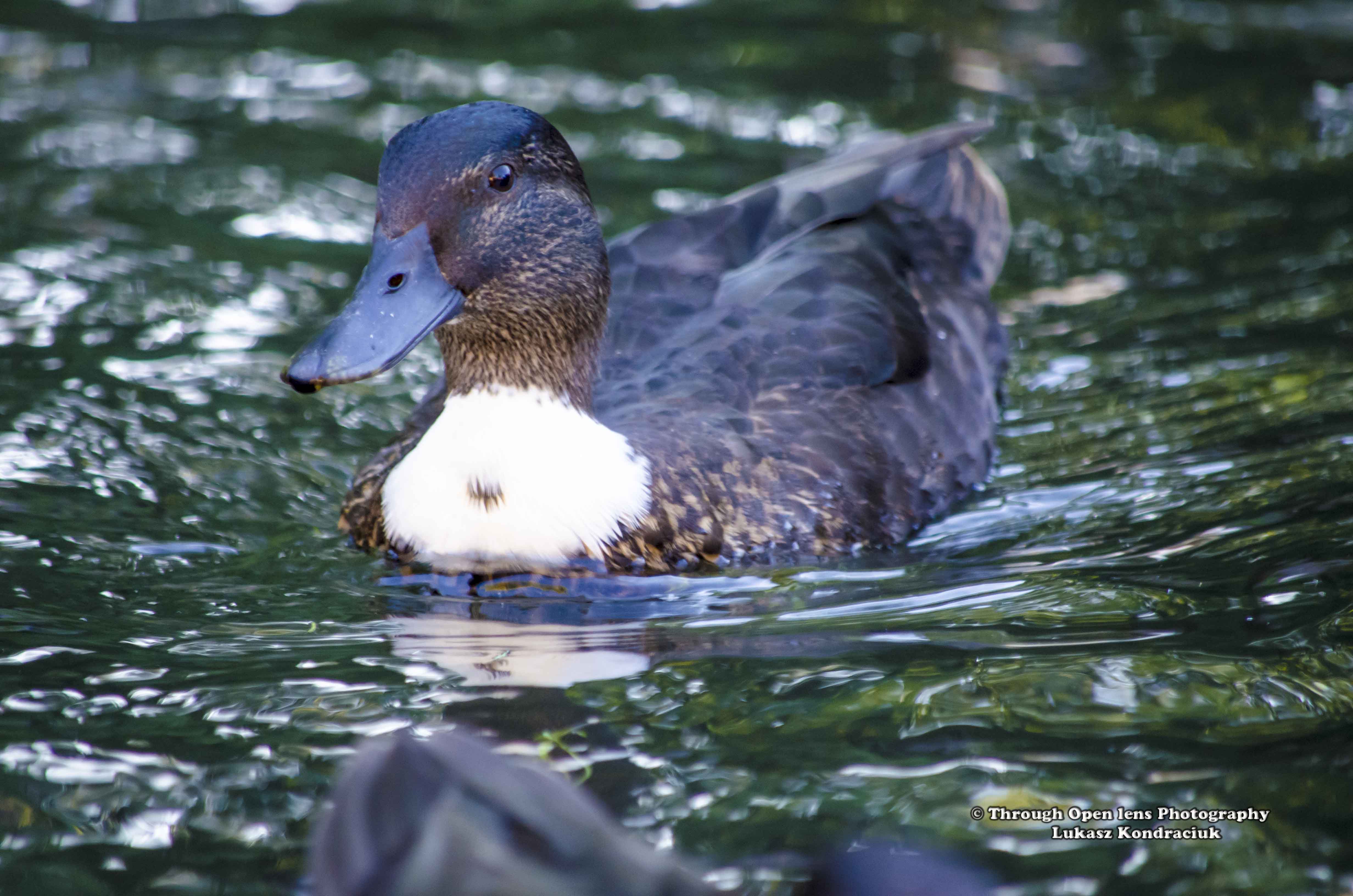
Blue Ducky Wants To Quacky!

Swedish Blue

F/5.6, 125, ISO 125.

Swedish Blue

Why was the computer tired when he got home?

Because he had a hard drive.

Interesting Fact: The Swedish Blue (Swedish: Svensk blå anka)[4] or Blue Swedish is a breed of domesticated duck which emerged during the 19th century in Swedish Pomerania, near the Baltic shores of the what is now modern Germany and Poland.[5] Within the American Standard of Perfection, the “blue” is the only variety of the breed “Swedish”. ( https://en.wikipedia.org/wiki/Swedish_Blue#Description )


Let’s Get In Formation!

Mute Swan & Babies

F/ 7.1, 1/800, ISO 200.

Mute Swan and Cygnets

A three year old walked over to a pregnant lady while waiting with his mother in the doctors office.
He inquisitively ask the lady, “Why is your stomach so big?”
She replied, “I’m having a baby.”
With big eyes, he asked, “Is the baby in your stomach?”
She said, “He sure is.”
Then the little boy, with a puzzled look, asked, “Is it a good baby?”
She said, “Oh, yes. It’s a real good baby.”
With an even more surprised and shocked look, he asked…
“Then why did you eat him?”

Interesting Fact: Hans Christian Andersen’s fairly tale The Ugly Duckling chronicles the woes and triumphs of a young, Mute Swan that hatches in a clutch of duck eggs but goes on to become a beautiful swan. Some speculate that the book was based on Andersen’s own less-than-handsome looks as a youngster. ( https://www.allaboutbirds.org/guide/mute_swan/lifehistory )

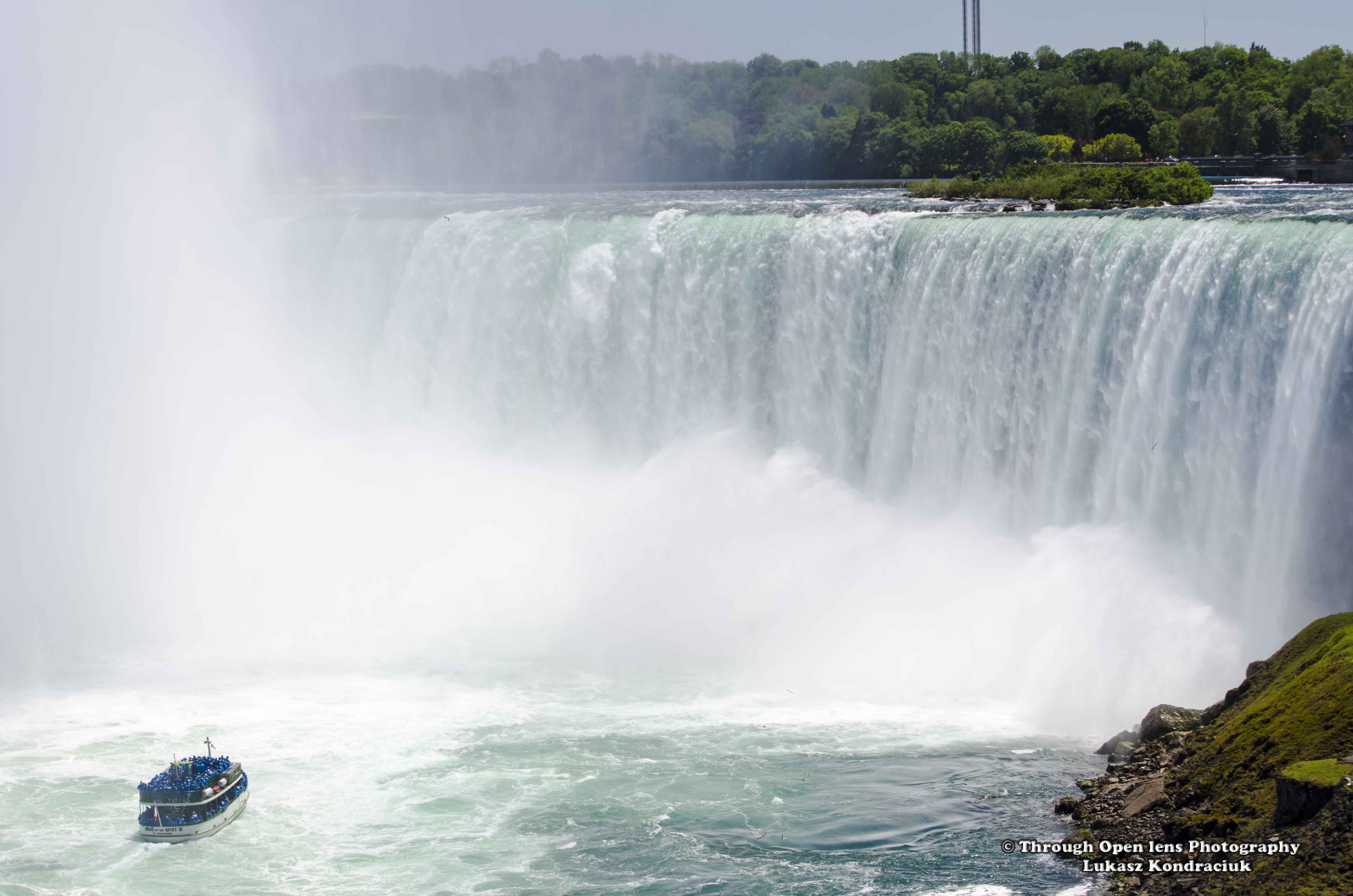
I Don’t Think We Can Make It Up There?! 

niagara falls

F/10.0, 1/400, ISO 100.

Niagara Falls

Two young boys were at a waterfall. They saw a naked women underneath the water. One of the boys ran away and the other one followed him saying, why are you running? The first boy said, my mother said that if you look at a naked woman, you turn to stone… And I am already becoming hard !

Interesting Fact: There are differing theories as to the origin of the name of the falls. According to Iroquoian scholar Bruce Trigger, “Niagara” is derived from the name given to a branch of the local native Neutral Confederacy, who are described as being called the “Niagagarega” people on several late-17th-century French maps of the area.[13] According to George R. Stewart, it comes from the name of an Iroquois town called “Ongniaahra”, meaning “point of land cut in two”. ( https://en.m.wikipedia.org/wiki/Niagara_Falls

Keep On Shining Bright! 

Fort Niagara Light

F/ 5.6, 1/400, ISO 100.

Fort Niagara Light

Did you hear about the lighthouse keeper’s daughter?

She never went out at night.

Interesting Fact: The lighthouse was established in 1782 atop the “French Castle”, a structure still located within Old Fort Niagara. The current tower was first lit in 1872, having been removed from the French Castle to allow for more room for officer’s quarters. The light was deactivated in 1996, having been replaced by a light beacon at the US Coast Guard Station Niagara. ( https://en.m.wikipedia.org/wiki/Fort_Niagara_Light )

Swimming For The Gold

Muskrat

F/ 6.3, 1/125, ISO 500.

Muskrat

What did one lab rat say to the other?

I’ve got my scientist so well trained that every time I push the buzzer, he brings me a snack.

Interesting Fact: Muskrats normally live in groups consisting of a male and female pair and their young. During the spring, they often fight with other muskrats over territory and potential mates. Many are injured or killed in these fights. Muskrat families build nests to protect themselves and their young from cold and predators. In streams, ponds or lakes, muskrats burrow into the bank with an underwater entrance. These entrances are 6–8 in (15–20 cm) wide. In marshes, push-ups are constructed from vegetation and mud. These push-ups are up to 3 ft (91 cm) in height. In snowy areas, they keep the openings to their push-ups closed by plugging them with vegetation, which they replace every day. Some muskrat push-ups are swept away in spring floods and have to be replaced each year. Muskrats also build feeding platforms in wetlands. They help maintain open areas in marshes, which helps to provide habitat for aquatic birds. ( https://en.wikipedia.org/wiki/Muskrat )