Where Are We?

House Finches

F/10.0, 1/400, ISO 200.

House Finch

What did the bra say to the hat?

You go on ahead while I give these two a lift!

Interesting Fact: The total House Finch population across North America is staggering. Scientists estimate between 267 million and 1.4 billion individuals. ( https://www.allaboutbirds.org/guide/House_Finch/lifehistory )



Now That Is Fresh Sushi

Great Egret

F/6.3, 1/640, ISO 200.

Great Egret

What kind of music should you listen to while fishing?

Something catchy!

Interesting Fact: The Great Egret is the symbol of the National Audubon Society, one of the oldest environmental organizations in North America. Audubon was founded to protect birds from being killed for their feathers.  ( https://www.allaboutbirds.org/guide/great_egret/lifehistory )


“Peace Is Not Merely A Distant Goal That We Seek, But A Means By Which We Arrive At That Goal.”

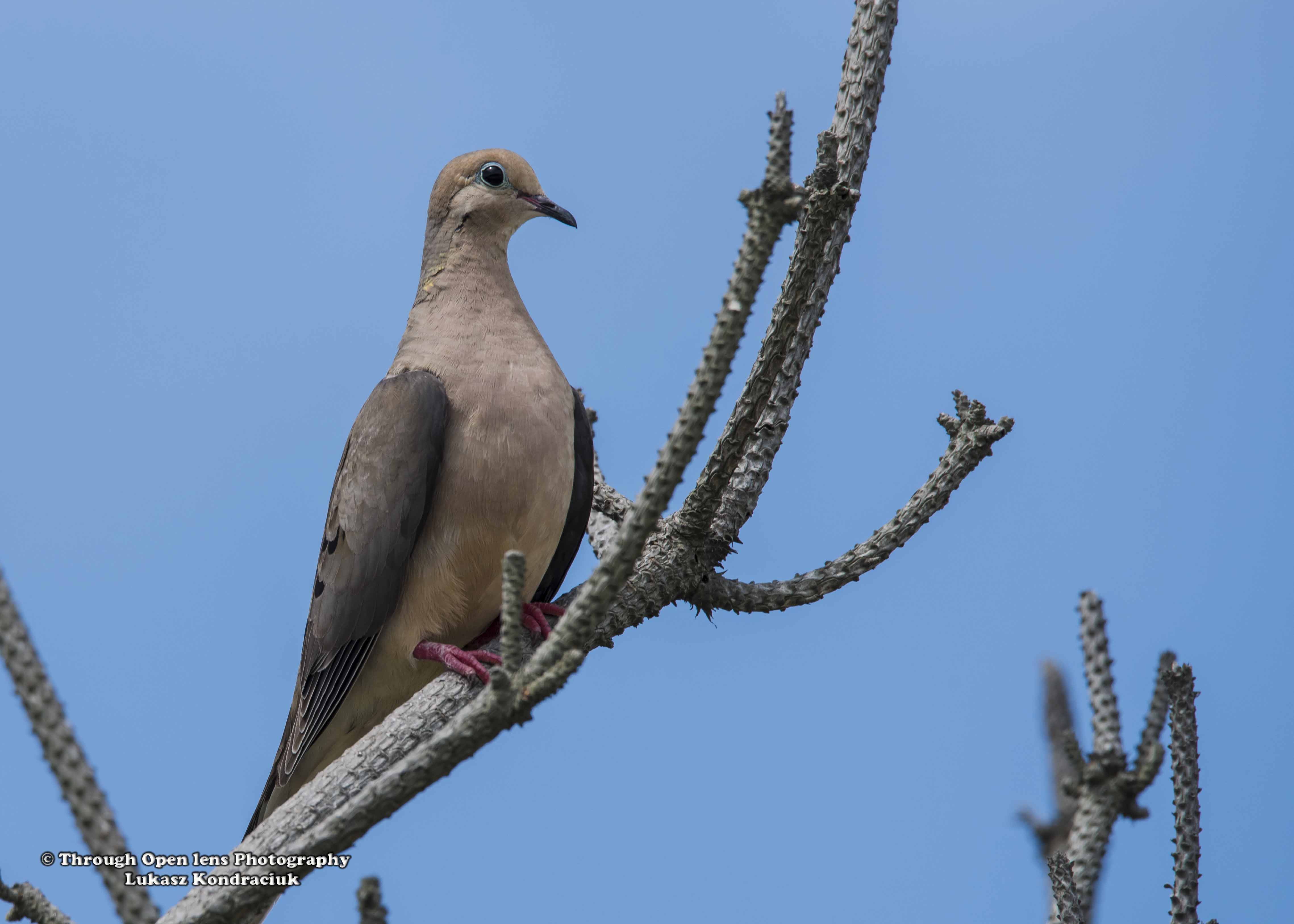
Mourning Dove 1

F/10.0, 1/400, ISO 160.

Mourning Dove

Why did the rubber chicken cross the road?

She wanted to stretch her legs.

Interesting Fact: Mourning Doves eat roughly 12 to 20 percent of their body weight per day, or 71 calories on average. ( https://www.allaboutbirds.org/guide/Mourning_Dove/lifehistory )

I Am Not Crazy… Well, Maybe I Am But You Got To Love Me.

Eastern Towhee 1

F/8.0, 1/250, ISO 250.

Eastern Towhee

Why was the math textbook so sad?

He had a lot of problems!

Interesting Fact: The Eastern Towhee and the very similar Spotted Towhee of western North America used to be considered the same species, the Rufous-sided Towhee. The two forms still occur together in the Great Plains, where they sometimes interbreed. This is a common evolutionary pattern in North American birds – a holdover from when the great ice sheets split the continent down the middle, isolating birds into eastern and western populations that eventually became new species. ( https://www.allaboutbirds.org/guide/Eastern_Towhee/lifehistory )

So What Are We Staring At?!

Great Black-backed Gull

F/13.0, 1/640, ISO 320.

Great Black-backed Gull  

What do you call a seagull when it flies over the bay?

A bagel.

Interesting Fact: This is the largest gull in the world. Its broad wings and powerful appearance give it a regal look that have impressed naturalists for years. In the words of one early observer: “It surely seemed to be a king among the gulls, a merciless tyrant over its fellows, the largest and strongest of its tribe. No weaker gull dared to intrude upon its feudal domain.” ( https://www.allaboutbirds.org/guide/Great_Black-backed_Gull/lifehistory )

Why You Looking At Me Like That?!

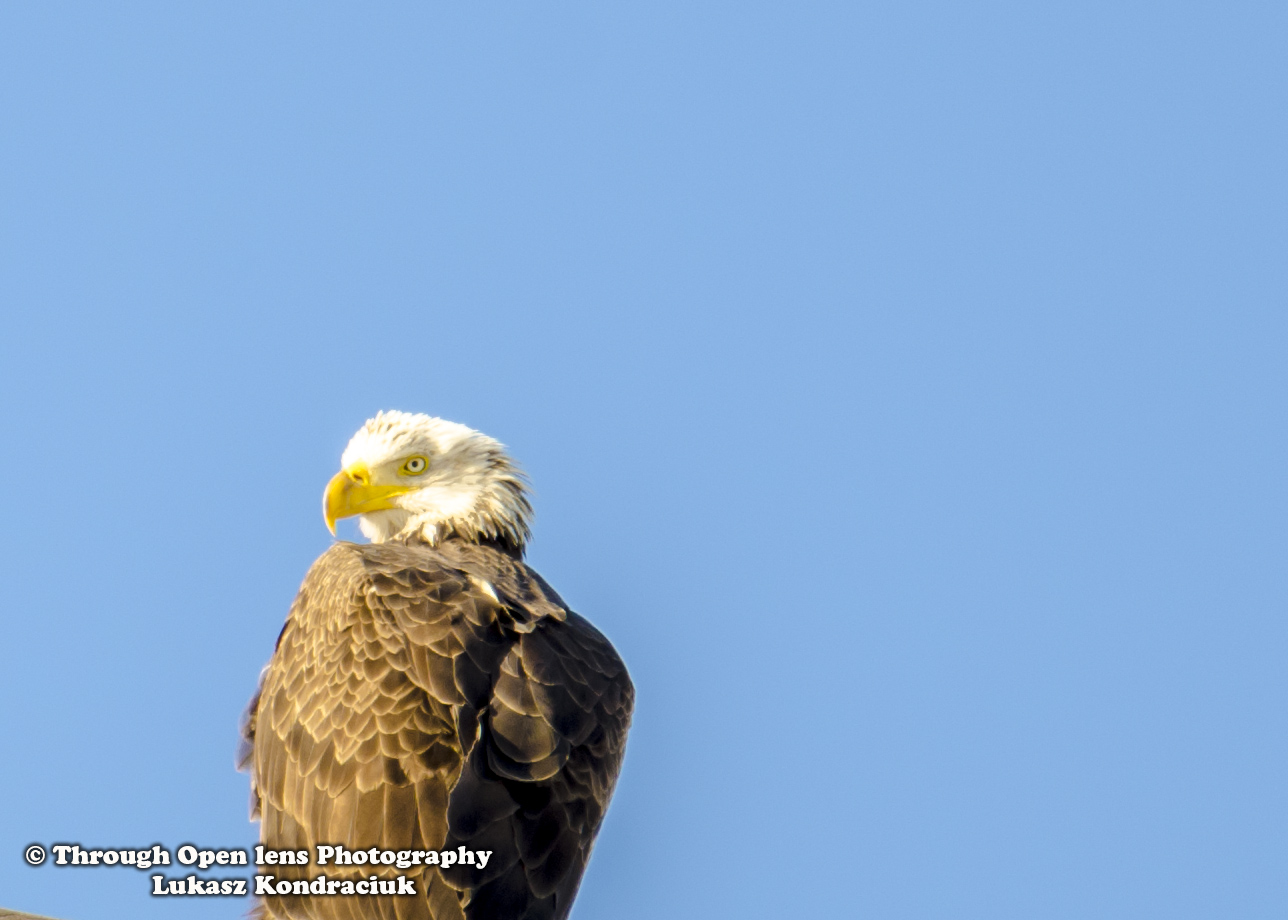
Happy 4th Of July!

Bald Eagle

F/6.3, 1/320, ISO 200.

Bald Eagle

What do you call a sick eagle?

Ill-eagle!

Interesting Fact: Had Benjamin Franklin prevailed, the U.S. emblem might have been the Wild Turkey. In 1784, Franklin disparaged the national bird’s thieving tendencies and its vulnerability to harassment by small birds. “For my own part,” he wrote, “I wish the Bald Eagle had not been chosen the Representative of our Country. He is a Bird of bad moral Character. He does not get his Living honestly. … Besides he is a rank Coward: The little King Bird not bigger than a Sparrow attacks him boldly and drives him out of the District.”  ( https://www.allaboutbirds.org/guide/Bald_Eagle/lifehistory )


Car Is In Garage We Will Poop On The Roof Then!

Brown Pelicans 1

F/5.6, 1/500, ISO 250.

Brown Pelicans

Do you know what the white stuff in bird poop is?

That’s bird poop, too!

Interesting Fact: Pelicans incubate their eggs with the skin of their feet, essentially standing on the eggs to keep them warm. In the mid-twentieth century the pesticide DDT caused pelicans to lay thinner eggs that cracked under the weight of incubating parents. After nearly disappearing from North America in the 1960s and 1970s, Brown Pelicans made a full comeback thanks to pesticide regulations. ( https://www.allaboutbirds.org/guide/Brown_Pelican/lifehistory )


The Water Is Fine Come On In!

American Coot

F/5.6, 1/500, ISO 360.

American Coots

Father: Why did you get such a low score in that exam?

Son: Absence!

Father: You were absent on the day of the exam?

Son: No but the boy who sits next to me was!

Interesting Fact: Although it swims like a duck, the American Coot does not have webbed feet like a duck. Instead, each one of the coot’s long toes has broad lobes of skin that help it kick through the water. The broad lobes fold back each time the bird lifts its foot, so it doesn’t impede walking on dry land, though it supports the bird’s weight on mucky ground. ( https://www.allaboutbirds.org/guide/American_Coot/lifehistory )

Look Into My Eyes, You Are Getting Sleepy!

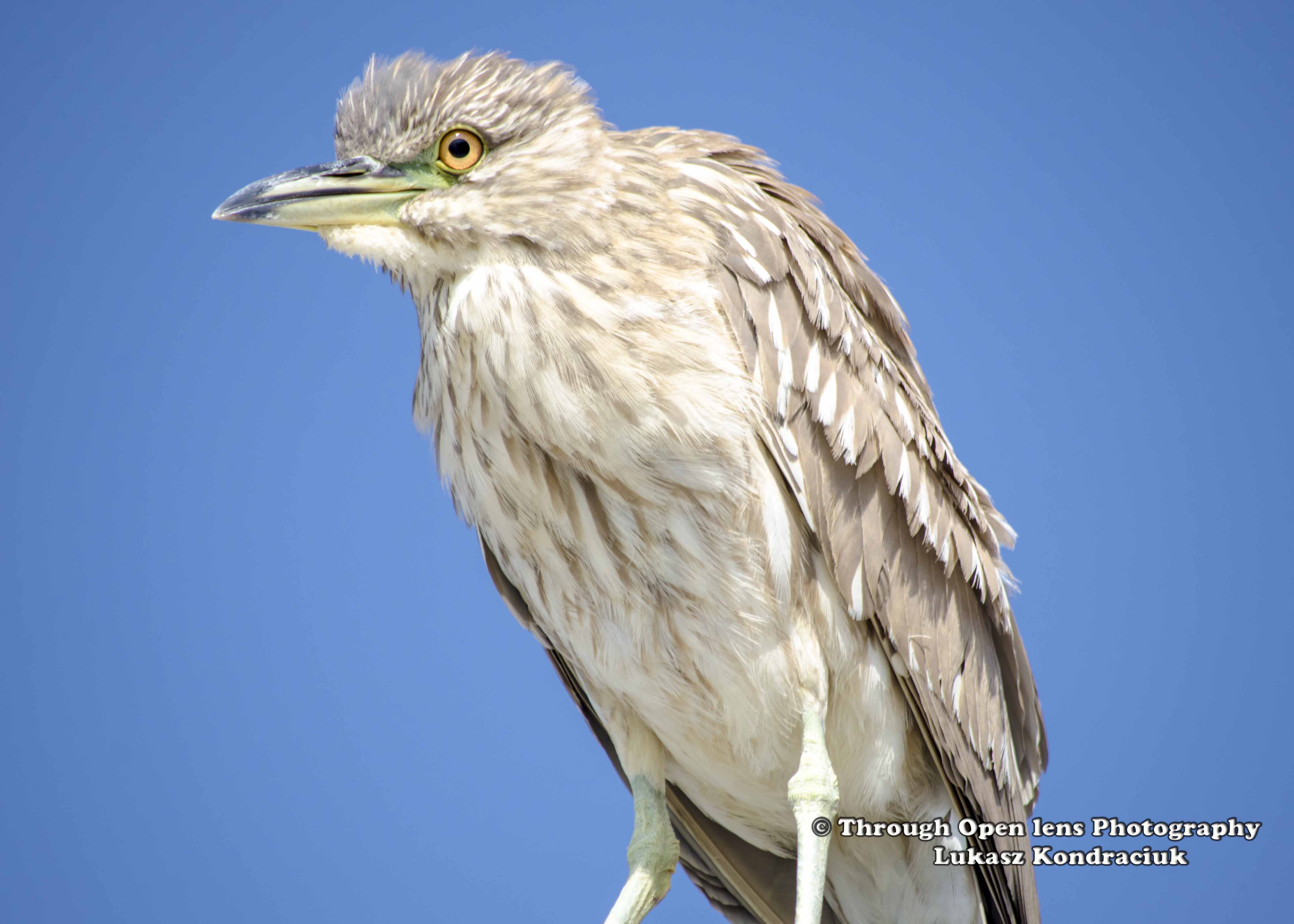
Black-crowned Night-Heron 1

F/ 6.3, 1/640, ISO 200.

Black-Crowned Night-Heron ( Juvenile )

How do you wake up Lady gaga?

Poke her face.

Interesting Fact: The familiar evening sight and sound of the Black-crowned Night-Heron was captured in this description from Arthur Bent’s Life Histories of North American Marsh Birds: “How often, in the gathering dusk of evening, have we heard its loud, choking squawk and, looking up, have seen its stocky form, dimly outlined against the gray sky and propelled by steady wing beats, as it wings its way high in the air toward its evening feeding place in some distant pond or marsh!” ( https://www.allaboutbirds.org/guide/Black-crowned_Night-Heron/lifehistory )