The Call Of The Wild

F/13.0, 1/640, ISO 200.

Eastern Phoebe

What happens if you eat yeast and shoe polish?

Every morning you’ll rise and shine!

Interesting Fact: In 1804, the Eastern Phoebe became the first banded bird in North America. John James Audubon attached silvered thread to an Eastern Phoebe’s leg to track its return in successive years. ( https://www.allaboutbirds.org/guide/Eastern_Phoebe/lifehistory )
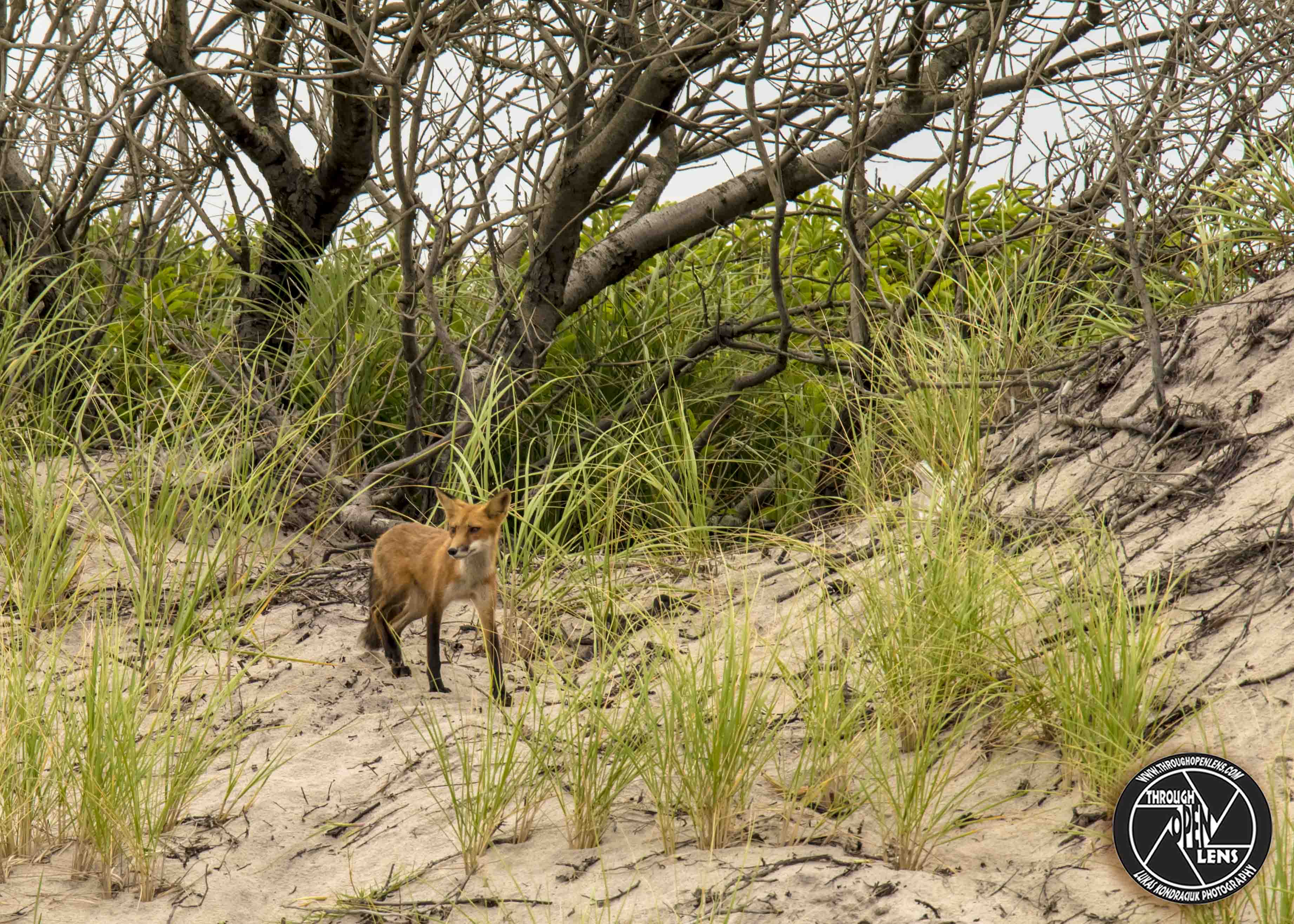
Fox News!

F/10.0, 1/400, ISO 500.

Red Fox

What does a skeleton order at a restaurant?

Spare ribs!

Interesting Fact: Like a cat’s, the fox’s thick tail aids its balance, but it has other uses as well. A fox uses its tail (or “brush”) as a warm cover in cold weather and as a signal flag to communicate with other foxes. ( http://www.nationalgeographic.com/animals/mammals/r/red-fox/ )

Don’t worry, I’m not gonna do what you all think I’m gonna do, which is, you know, FLIP OUT!

F/9.0, 1/320, ISO 320.

Greater Antillean Grackle

What do you call a broke Santa?jerry

It’s Saint-NICKEL-LESS

Interesting Fact: The Greater Antillean grackle (Quiscalus niger) is a grackle found throughout the Greater Antilles as well as smaller, nearby islands. Like all Quiscalus grackles, it is a rather large, gregarious bird.[2] It lives largely in heavily settled areas. It is also known as the ‘kling-kling’. ( https://en.wikipedia.org/wiki/Greater_Antillean_grackle )