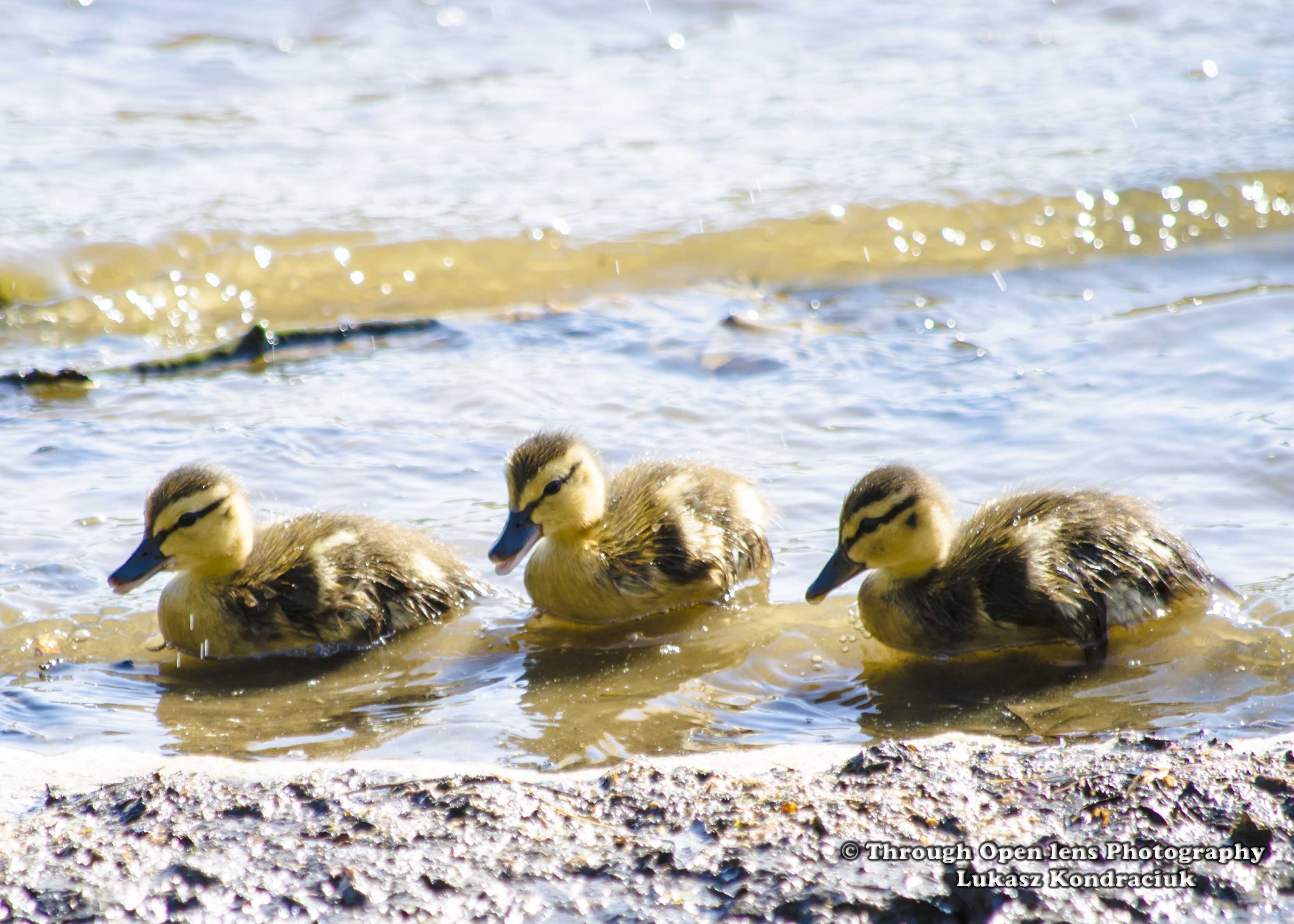
Quack Pack!

American Black Ducks

F/5.6, 1/320, ISO 100.

American Black Ducks

What’s the best way to ship duck eggs?

Put them in a quacker barrel.

Interesting Fact: As soon as their down feathers dry, newly hatched ducklings are able to leave the nest, a depression on the ground lined with plant materials. They follow their mother to rearing areas with a lot of invertebrates to eat and plenty of vegetation for cover. ( https://www.allaboutbirds.org/guide/American_Black_Duck/lifehistory )

Hope They Have All The Permits

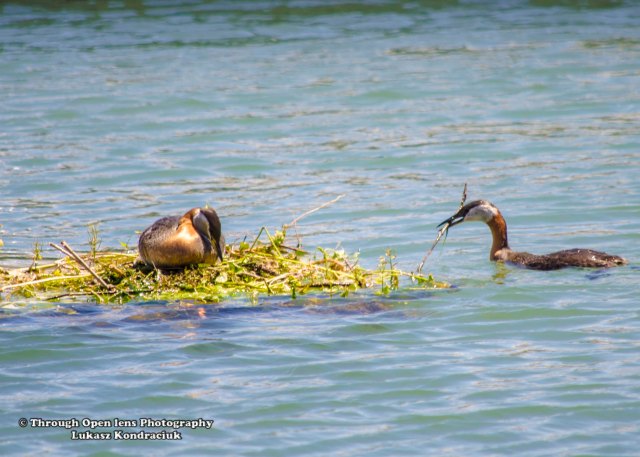
Red-Necked Grebes

F/5.6, 1/320, ISO 100.

Red-Necked Grebe

The homeowner was delighted with the way the painter had done all the work on his house.

“You did a great job.” he said and handed the man a check.

“Also, in order to thank-you, here’s an extra $80 to take the missus out to dinner and a movie.”

Later that night, the doorbell rang and it was the painter.

Thinking the painter had forgotten something the man asked, “What’s the matter, did you forget something?”

“Nope.” replied the painter. “I’m just here to take your missus out to dinner and a movie like you asked.”

Interesting Fact: Like other grebes, the Red-necked Grebe ingests large quantities of its own feathers. Feathers remain in the bird’s stomach. The function of feathers in the stomach is unknown. One hypothesis suggests that the feathers help protect the lower digestive tract from bones and other hard, indigestible material. ( https://www.allaboutbirds.org/guide/Red-necked_Grebe/lifehistory )



Lifeguard Is On Duty!

Canada Goose And Goslings

F/5.6, 1/500, ISO 200.

Canada Goose And Goslings 

Why won’t they allow elephants in public swimming pools?

Because they might let down their trunks.

Interesting Fact: Individual Canada Geese from most populations make annual northward migrations after breeding. Nonbreeding geese, or those that lost nests early in the breeding season, may move anywhere from several kilometers to more than 1500 km northward. There they take advantage of vegetation in an earlier state of growth to fuel their molt. Even members of “resident” populations, which do not migrate southward in winter, will move north in late summer to molt.  ( https://www.allaboutbirds.org/guide/Canada_Goose/lifehistory )

Slow Down This Is A Neighborhood Not A Racetrack!

Snail

F/5.6, 1/60, ISO 800.

Snail

What do you do when two snails have a fight?

Leave them to slug it out!

Interesting Fact: Most snails have thousands of microscopic tooth-like structures located on a ribbon-like tongue called a radula. The radula works like a file, ripping food into small pieces. Many snails are herbivorous, eating plants or rasping algae from surfaces with their radulae, though a few land species and many marine species are omnivores or predatory carnivores.  ( https://en.wikipedia.org/wiki/Snail#Overview )


Welcome To The Thunderdome!

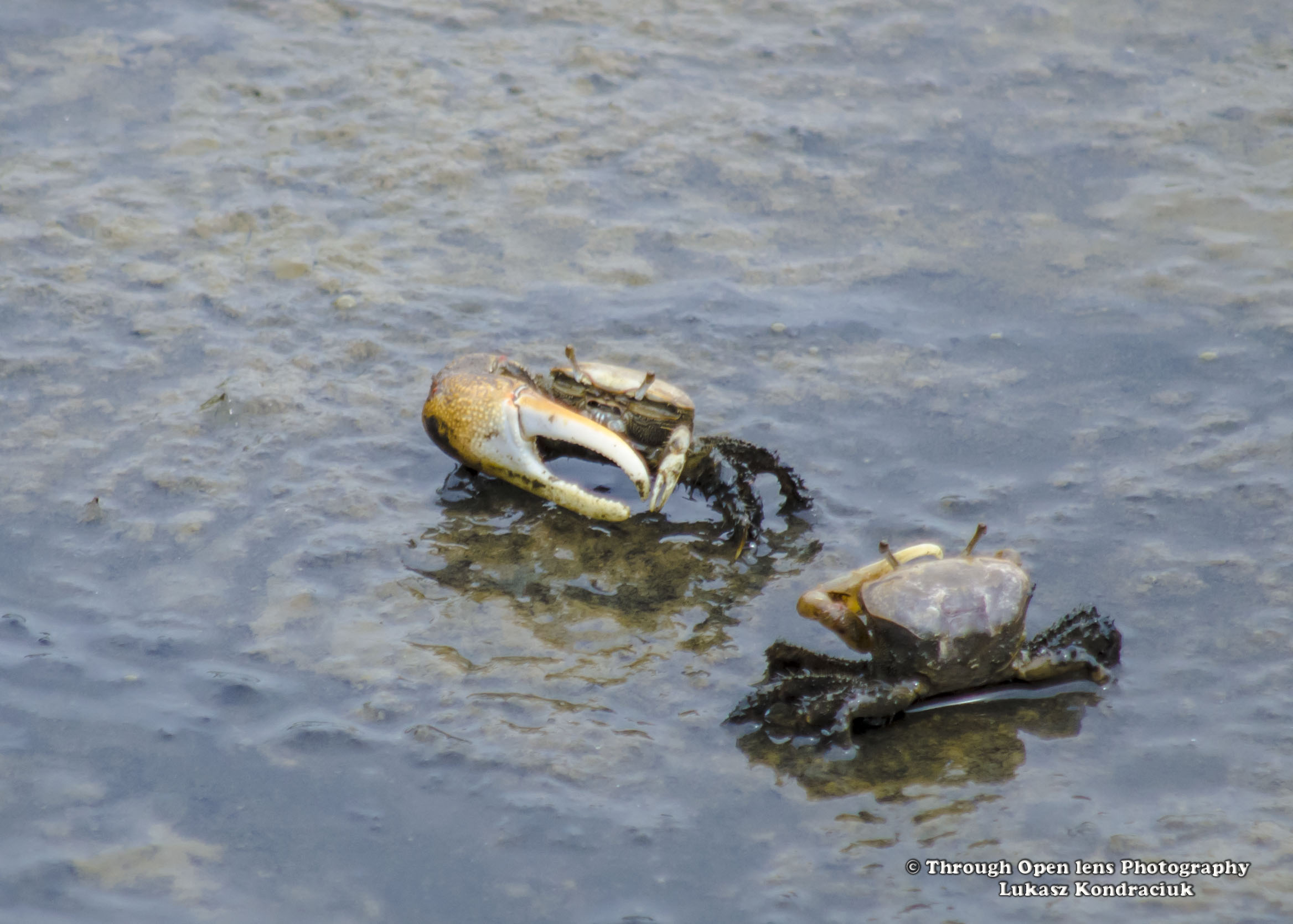
Fiddler crabs

F/5.6, 1/500, ISO 220.

Fiddler crabs

A lonely female crab was walking down the beach one evening when she noticed a male crab coming toward her—but he was walking straight and not sideways!
Impressed by his talent, she decided to marry him immediately.
The next morning she noticed him walking sideways like any ordinary crab! She asked, “What happened? Yesterday you were able to walk straight!”
He answered “What?! I can’t get that drunk every day!”.

Interesting Fact: Male versus male competition also occurs as fighting with the major claws.[9] If a male loses his larger claw, the smaller one will begin to grow larger and the lost claw will regenerate into a new (small) claw. For at least some species of fiddler crabs, however, the small claw remains small, while the larger claw regenerates over a period of several molts, being about half its former size after the first molt. The female fiddler carries her eggs in a mass on the underside of her body. She remains in her burrow during a two week gestation period, after which she ventures out to release her eggs into the receding tide. The larvae remain planktonic for a further two weeks.  ( https://en.wikipedia.org/wiki/Fiddler_crab#Life_cycle )

Come Visit My Branch

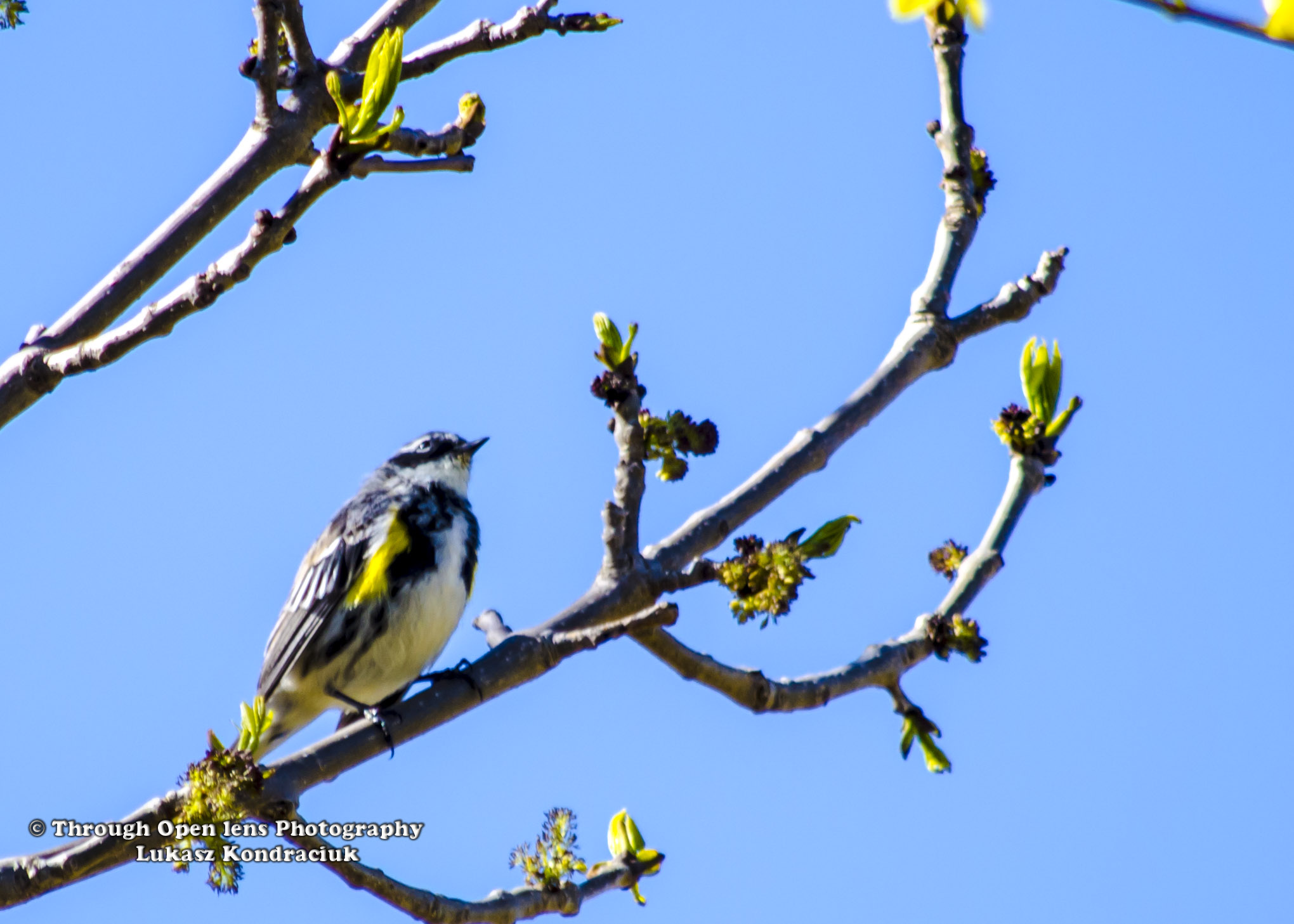
Magnolia Warbler

F/5.6, 1/400, ISO 100.

Magnolia Warbler

Two birds in a tree looking down on a man washing his car.

“If he doesn’t hurry up and finish,” says one bird to the 15other, “I’ll shit myself.”

Interesting Fact: Though it has very specific habitat preferences in the breeding season, the Magnolia Warbler occupies a very broad range of habitats in winter:  from sea level to 1,500 meters elevation, and most landscape types, except cleared fields. ( https://www.allaboutbirds.org/guide/Magnolia_Warbler/lifehistory )

Is This How You Do Locust Pose?

Red-Eared Slider Turtle

F/5.6, 1/400, ISO 100.

Red-Eared Slider Turtle 

What happens when your kids want to buy a tortoise?

You shell out a lot of money.

Interesting Fact: Reptiles do not hibernate, but actually brumate; while they become less active, they do occasionally rise to the surface for food or air. Brumation can occur to varying degrees. In the wild, red-eared sliders brumate over the winter at the bottoms of ponds or shallow lakes. They generally become inactive in October, when temperatures fall below 10 °C (50 °F).[9] During this time, the turtles enter a state of sopor, during which they do not eat or defecate, they remain nearly motionless, and the frequency of their breathing falls. Individuals usually brumate underwater, but they have also been found under banks and rocks, and in hollow stumps. In warmer winter climates, they can become active and come to the surface for basking. When the temperature begins to drop again, however, they quickly return to a brumation state. Sliders generally come up for food in early March to as late as the end of April. ( https://en.wikipedia.org/wiki/Red-eared_slider )

Walk With Purpose!

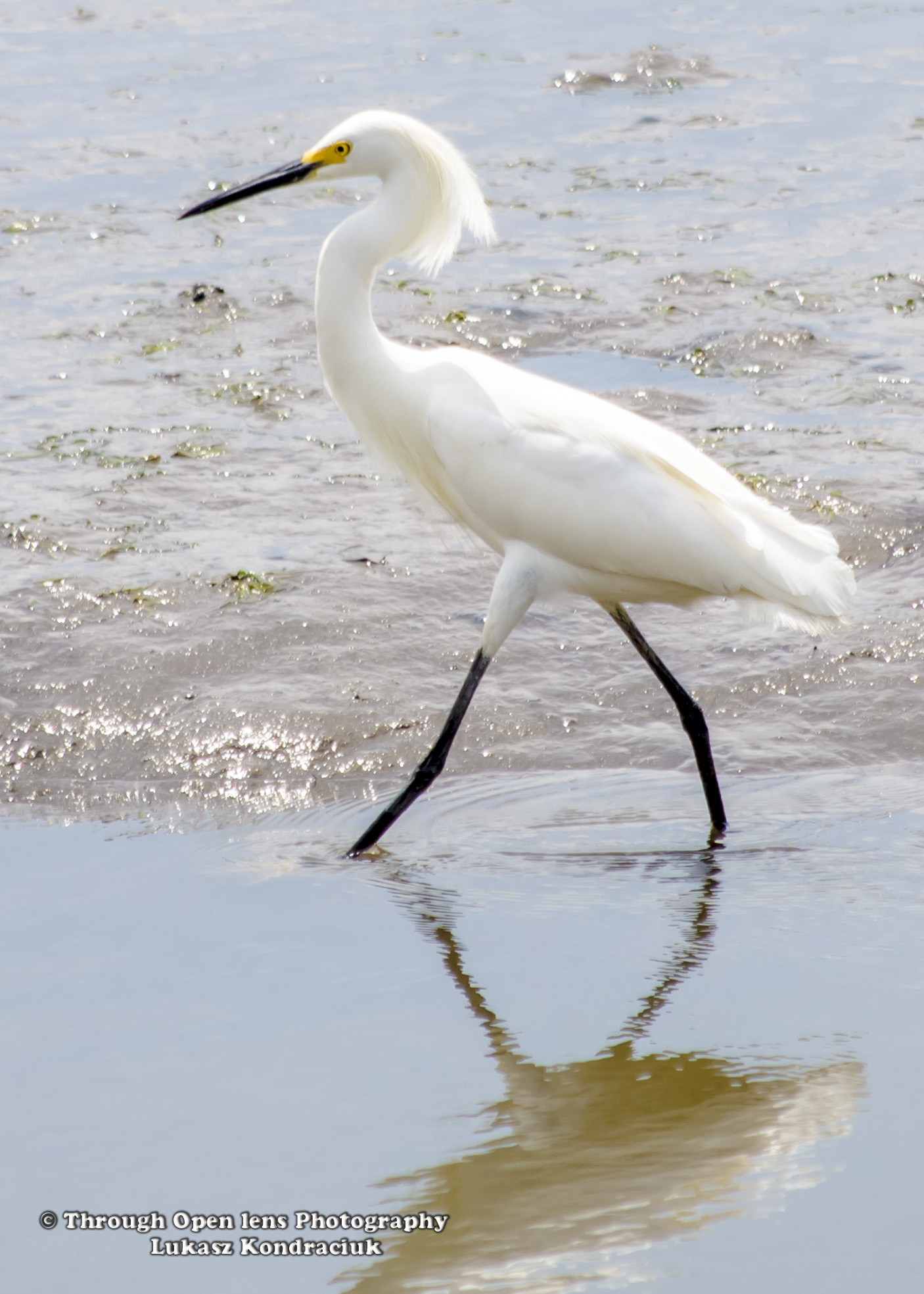
Snowy Egret

F/5.6 , 1/500, ISO 200.

Snowy Egret

Knock! Knock!

Who’s there?

Dozen.

Dozen who?

Dozen anyone want to let me in?

Interesting Fact: Male and female Snowy Egrets take turns incubating their eggs. As one mate takes over for the other, it sometimes presents a stick, almost as if passing a baton. Both parents continue caring for the young when they hatch. ( https://www.allaboutbirds.org/guide/Snowy_Egret/lifehistory )

No. Stop Don’t SWALLOW That!

Tree Swallow

F/ 5.6, 1/500, ISO 125.

Tree Swallow

What do you call a chicken in the 1960’s?

A funky chicken.

Interesting Fact: Migrating and wintering Tree Swallows can form enormous flocks numbering in the hundreds of thousands. They gather about an hour before sunset and form a dense cloud above a roost site (such as a cattail marsh or grove of small trees), swirling around like a living tornado. With each pass, more birds drop down until they are all settled on the roost. ( https://www.allaboutbirds.org/guide/Tree_Swallow/lifehistory )

Happy Easter To Everybunny!

Cottontail Rabbit

F/5.6, 1/250, ISO 400.

Cottontail Rabbit

What do you call a bunny with a large brain?

An egghead.

Interesting Fact: They browse at night on grasses and herbs and are fond of garden fare such as peas and, of course, lettuce. In winter, their diet becomes a bit coarse and consists of bark, twigs, and buds. During the day, cottontails often remain hidden in vegetation. If spotted, they flee from prey with a zigzag pattern, sometimes reaching speeds of up to 18 miles (29 kilometers) an hour. ( http://animals.nationalgeographic.com/animals/mammals/cottontail-rabbit/ )