Today’s Forecast Calling For A 90% Chance Of Swamp-Ass.

F/6.3, 1/160, ISO 800.

Great Egret

Why did the lady quit her job at the orange juice factory?

She couldn’t concentrate.

Interesting Fact: Males choose the display areas, where nests are later constructed. The nest itself is up to 100 feet off the ground, often over water, usually in or near the top of a shrub or tree such as a redwood, tamarisk, live oak, eastern redcedar, yaupon holly, wax myrtle, mangrove, Australian pine, buttonwood, Brazilian pepper, black willow, or privet. Great Egrets occasionally nest on the ground or on artificial platforms. ( https://www.allaboutbirds.org/guide/Great_Egret/lifehistory )
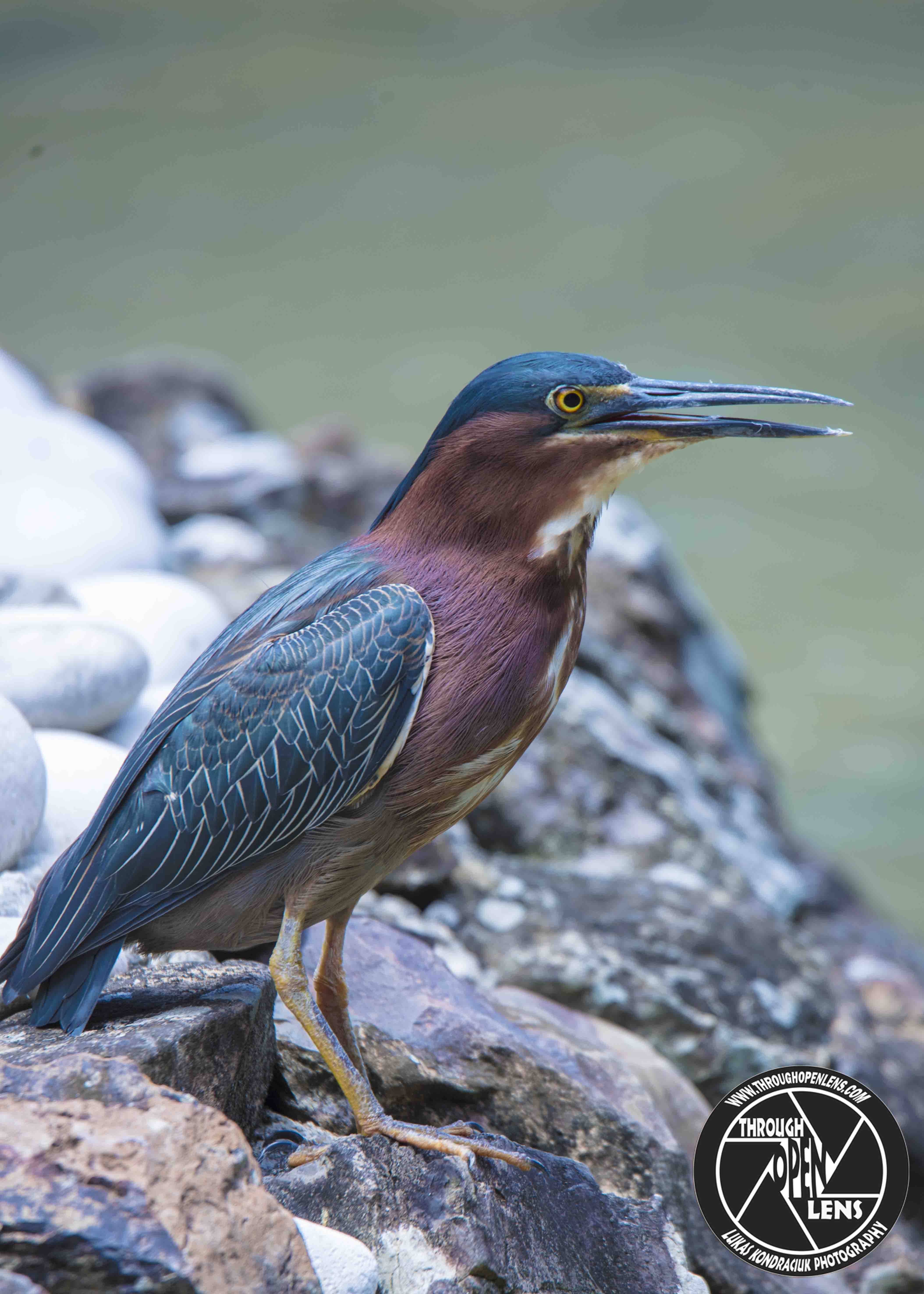
Do You Understand The Words That Are Coming Out Of My Mouth?!

F/6.3, 1/160, ISO 200.

Green Heron

What does a teddy bear say when you offer it a sandwich?

“No thanks, I’m stuffed”

Interesting Fact: Green Herons are common and widespread, but they can be hard to see at first. Whereas larger herons tend to stand prominently in open parts of wetlands, Green Herons tend to be at the edges, in shallow water, or concealed in vegetation. Visit a wetland and carefully scan the banks looking for a small, hunch-backed bird with a long, straight bill staring intently at the water. ( https://www.allaboutbirds.org/guide/Green_Heron )

Is That A Shark!

F/6.3, 1/160, ISO 160.

Green Heron 

What is a sharks favorite sci-fi show?  

Shark Trek 

Interesting Fact:  Each breeding season, Green Herons pair up with one mate apiece, performing courtship displays that include stretching their necks, snapping their bills, flying with exaggerated flaps, and calling loudly.  ( https://www.allaboutbirds.org/guide/Green_Heron/lifehistory )

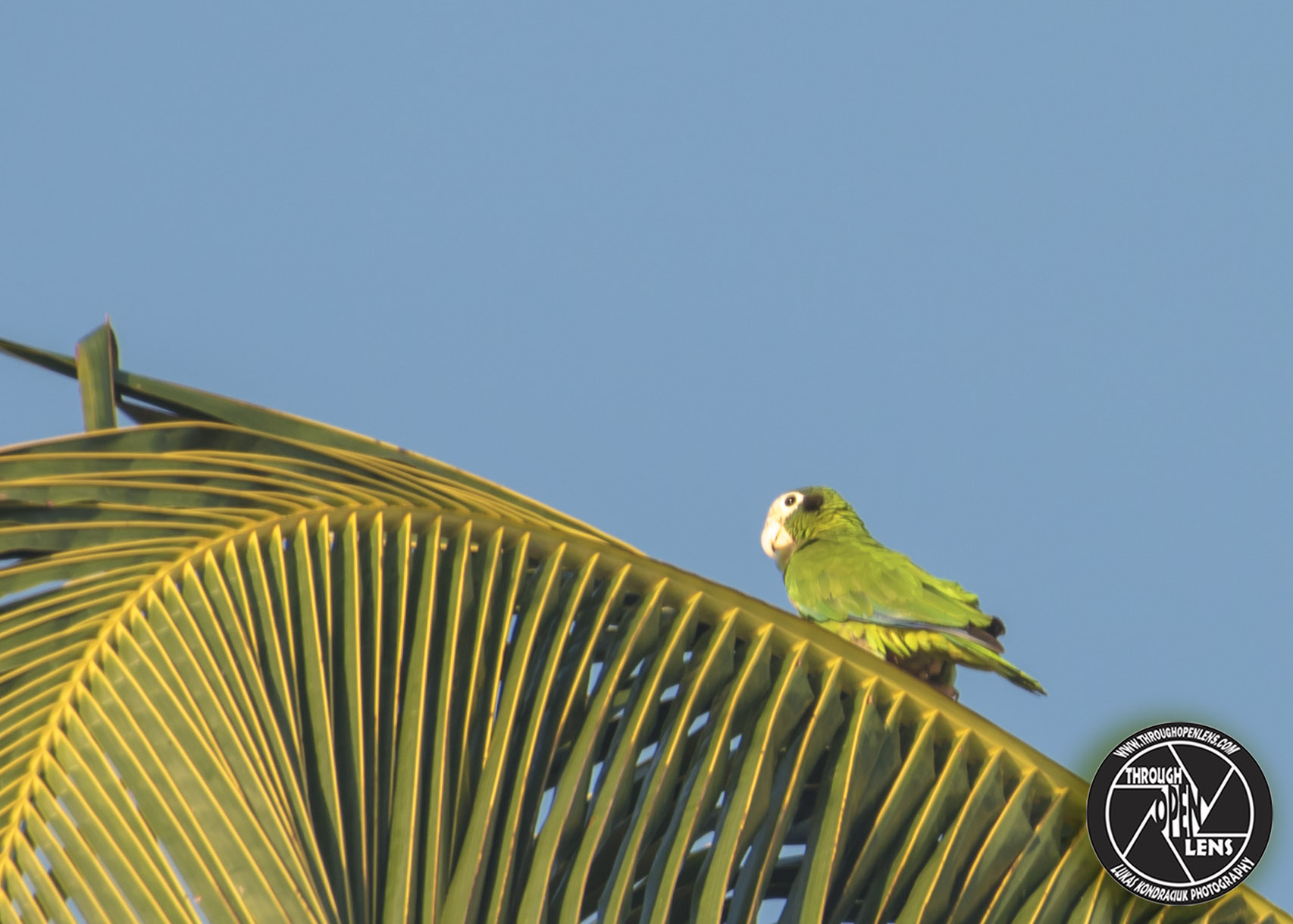
Of Course I Talk To Myself… Sometimes I Need Expert Advice.

F/6.3, 1/160, ISO 125.

Hispaniolan amazon or Hispaniolan parrot

What do you get when you cross a parrot with a shark?

An animal that talks your head off.

Interesting Fact: As with other amazons, it prefers forested areas where food is plentiful. This parrot lives in the wood forests in Haiti and the Dominican Republic. However over the recent years they have been captured out of their natural habitat illegally for pet trades or just to keep them as pets which are very popular in the Dominican Republic. Right now[when?] the population ranges from 10,000 to 19,000 in the wild and decreasing. ( https://en.wikipedia.org/wiki/Hispaniolan_amazon#Habitat_and_distribution )