Blue Ducky Wants To Quacky!

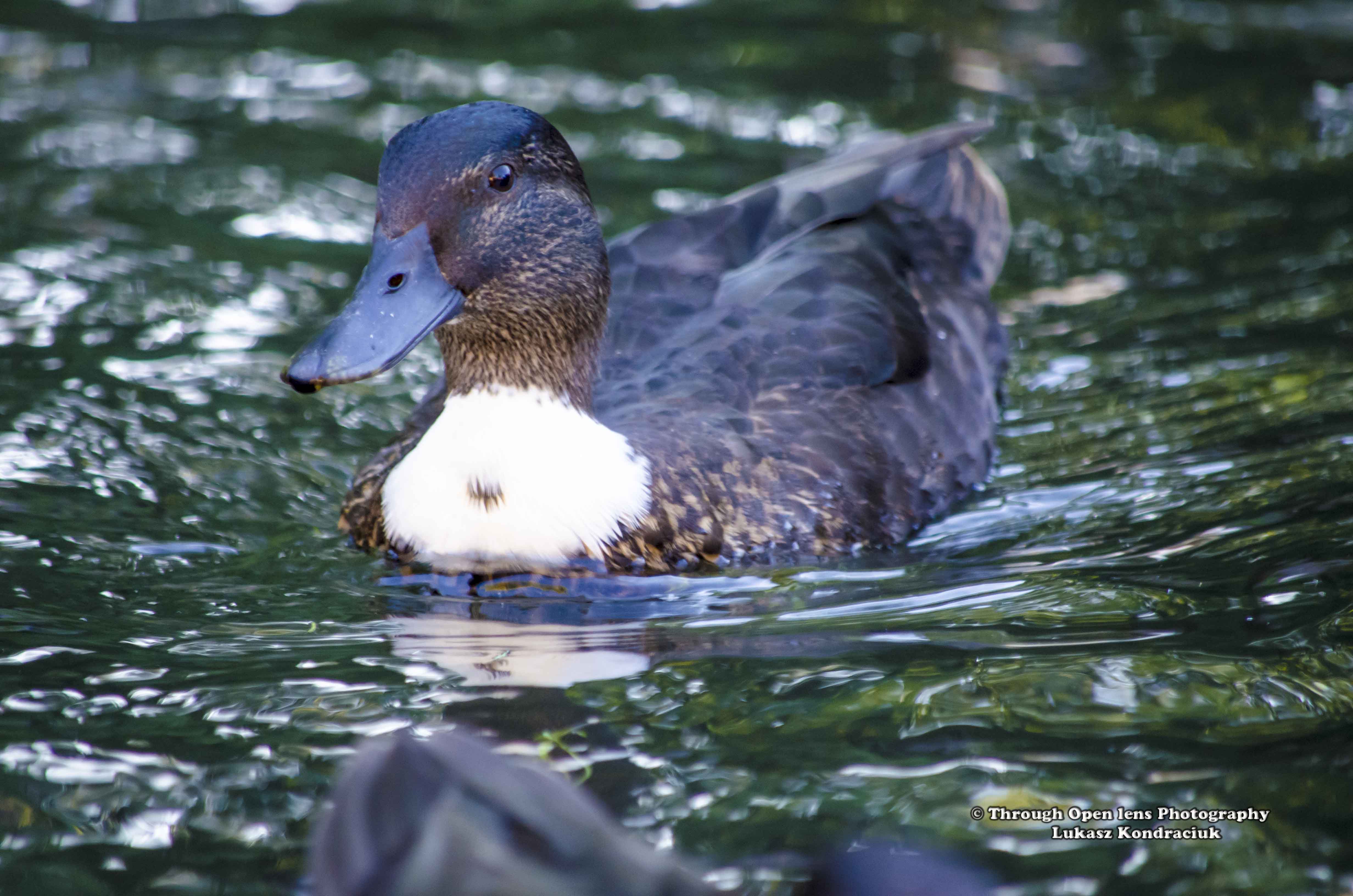
Swedish Blue

F/5.6, 125, ISO 125.

Swedish Blue

Why was the computer tired when he got home?

Because he had a hard drive.

Interesting Fact: The Swedish Blue (Swedish: Svensk blå anka)[4] or Blue Swedish is a breed of domesticated duck which emerged during the 19th century in Swedish Pomerania, near the Baltic shores of the what is now modern Germany and Poland.[5] Within the American Standard of Perfection, the “blue” is the only variety of the breed “Swedish”. ( https://en.wikipedia.org/wiki/Swedish_Blue#Description )

 

Quack Quack Mother Ducker!

Bufflehead Duck 1

F/10.0, 1/400, ISO 250.

Bufflehead Duck 

The Teacher says to the class: Who ever stands up is stupid
*Nobody stands up*
Teacher: I said who ever stands up is STUPID!
*Little Johnny stands up*
Teacher: Johnny, do you really think that you are stupid?
Little Johnny: No Mrs, I just thought that maybe you are lonely being the only one standing.

Interesting Fact: Bufflehead normally live only in North America, but in winter they occasionally show up elsewhere, including Kamchatka, Japan, Greenland, Iceland, the British Isles, Belgium, France, Finland, and Czechoslovakia. In some of these cases, the birds may have escaped from captivity. ( https://www.allaboutbirds.org/guide/Bufflehead/lifehistory )

Quack Pack!

American Black Ducks

F/5.6, 1/320, ISO 100.

American Black Ducks

What’s the best way to ship duck eggs?

Put them in a quacker barrel.

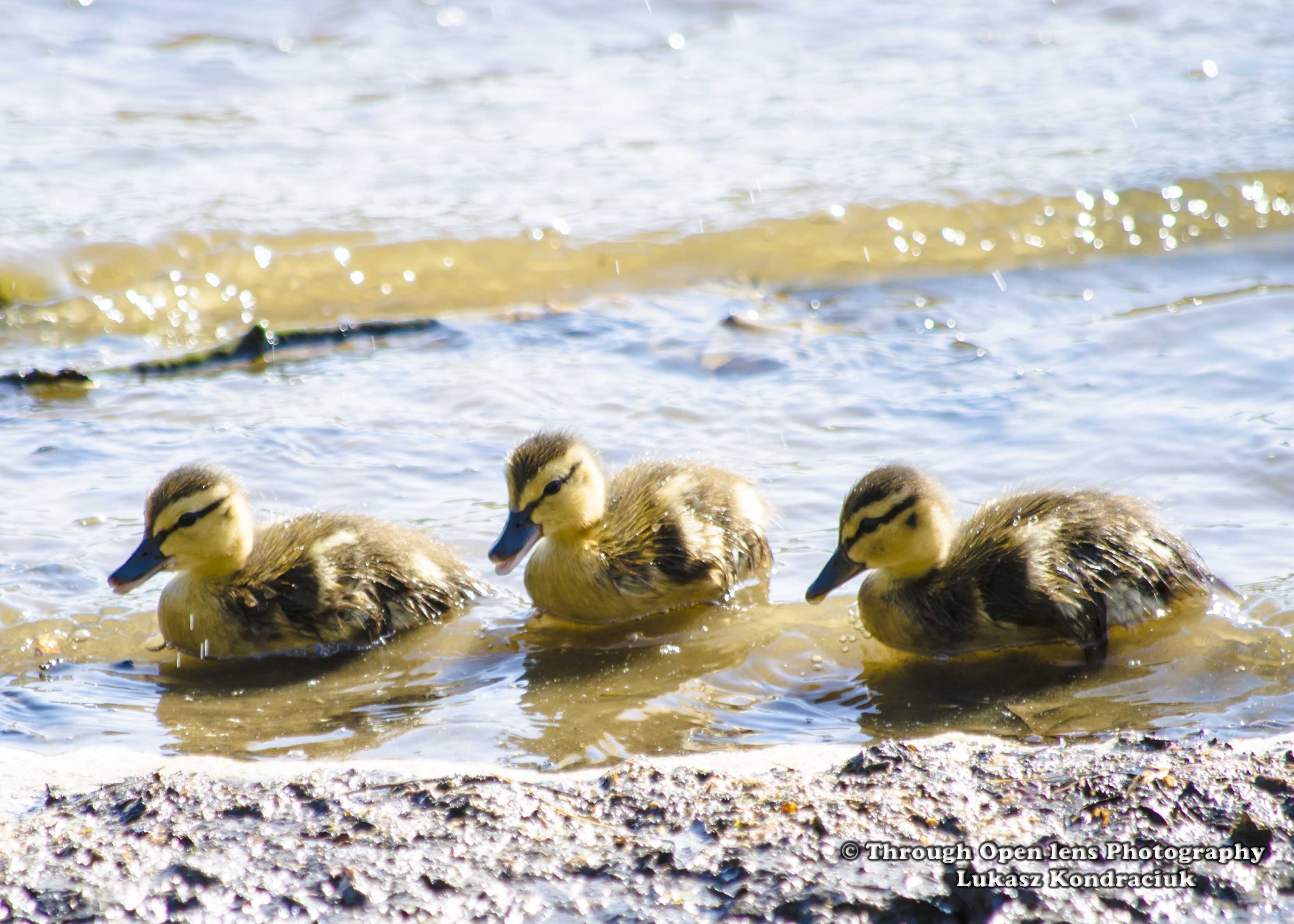
Interesting Fact: As soon as their down feathers dry, newly hatched ducklings are able to leave the nest, a depression on the ground lined with plant materials. They follow their mother to rearing areas with a lot of invertebrates to eat and plenty of vegetation for cover. ( https://www.allaboutbirds.org/guide/American_Black_Duck/lifehistory )

Just Got My Hair Did!

This Post Is Dedicated To Amber Hope It Will Bring A Smile To Your Face!

Red-breasted Merganser Female

F/9.0, 1/320, ISO 200.

Red-breasted Merganser ( Female )

Three guys, stranded on a desert island, find a magic lantern containing a genie, who grants them each one wish. The first guy wishes he was off the island and back home. The second guy wishes the same. The third guy says “I’m lonely. I wish my friends were back here.”

Interesting Fact: Red-breasted Merganser: Breeds in Alaska and across northern Canada to Newfoundland and south to the Great Lakes. Spends winters chiefly along the coasts from Alaska south to northern Mexico, from Maritime Provinces south to Florida, and along the Gulf Coast. Preferred habitat for breeding includes wooded lakes and tundra ponds; found mainly on saltwater during winter. ( http://identify.whatbird.com/obj/115/overview/Red-breasted_Merganser.aspx )

Splash Off!

American Black Duck

F/9.0, 1/320, ISO 320.

American Black Duck

Two monsters went duck-hunting with their dogs but without success. “I know what we’re doing wrong,” said the first one. “What’s that then?” asked the second. “We’re not throwing the dogs high enough!”

Interesting Fact: The colors of the bill and legs are used to determine their age and sex. These differences led to an earlier belief that there were two subspecies, a northern, red-legged race, and a southern “common” one. ( http://identify.whatbird.com/obj/392/overview/American_Black_Duck.aspx )

Quack Pack!

Harlequin Ducks

F/10.0, 1/400, ISO 400.

Harlequin Duck  

What do you call a crate of ducks?

A box of quackers!

Interesting Fact: Also called the Sea mouse because of its very unducklike squeaks. Other names include Circus duck or painted duck for its beautiful colors. ( http://identify.whatbird.com/obj/360/overview/Harlequin_Duck.aspx )

Unless You Spread Your Wings, You’ll Never Know How High You Can Fly!

Mallard wings

F/6.3, 1/640, ISO 200.

Mallard

What says “Quick, Quick”?

A duck with the hiccups.

Interesting Fact: The standard duck’s quack is the sound of a female Mallard. Males don’t quack; they make a quieter, rasping sound. ( https://www.allaboutbirds.org/guide/Mallard/lifehistory )

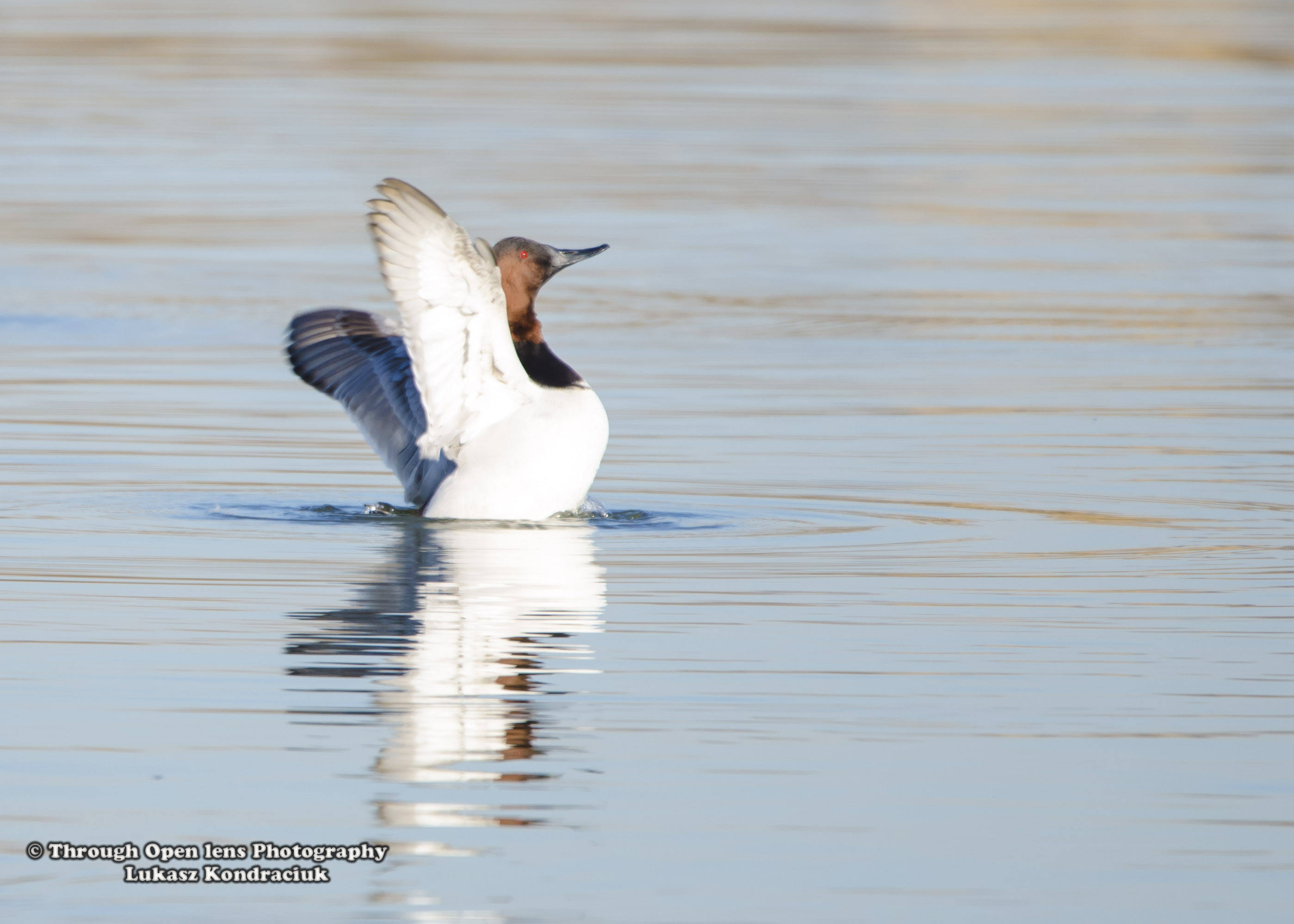
I Want To Twirl!

Canvasback duck

F/6.3, 1/500, ISO 200.

Canvasback

Chickens rise when the rooster crows, but when do ducks get up?

At the quack of dawn!

Interesting Fact: The Canvasback is a very good flier and can reach speeds of up to 70 mph. ( http://identify.whatbird.com/obj/100/overview/Canvasback.aspx )


Quack Off!!!

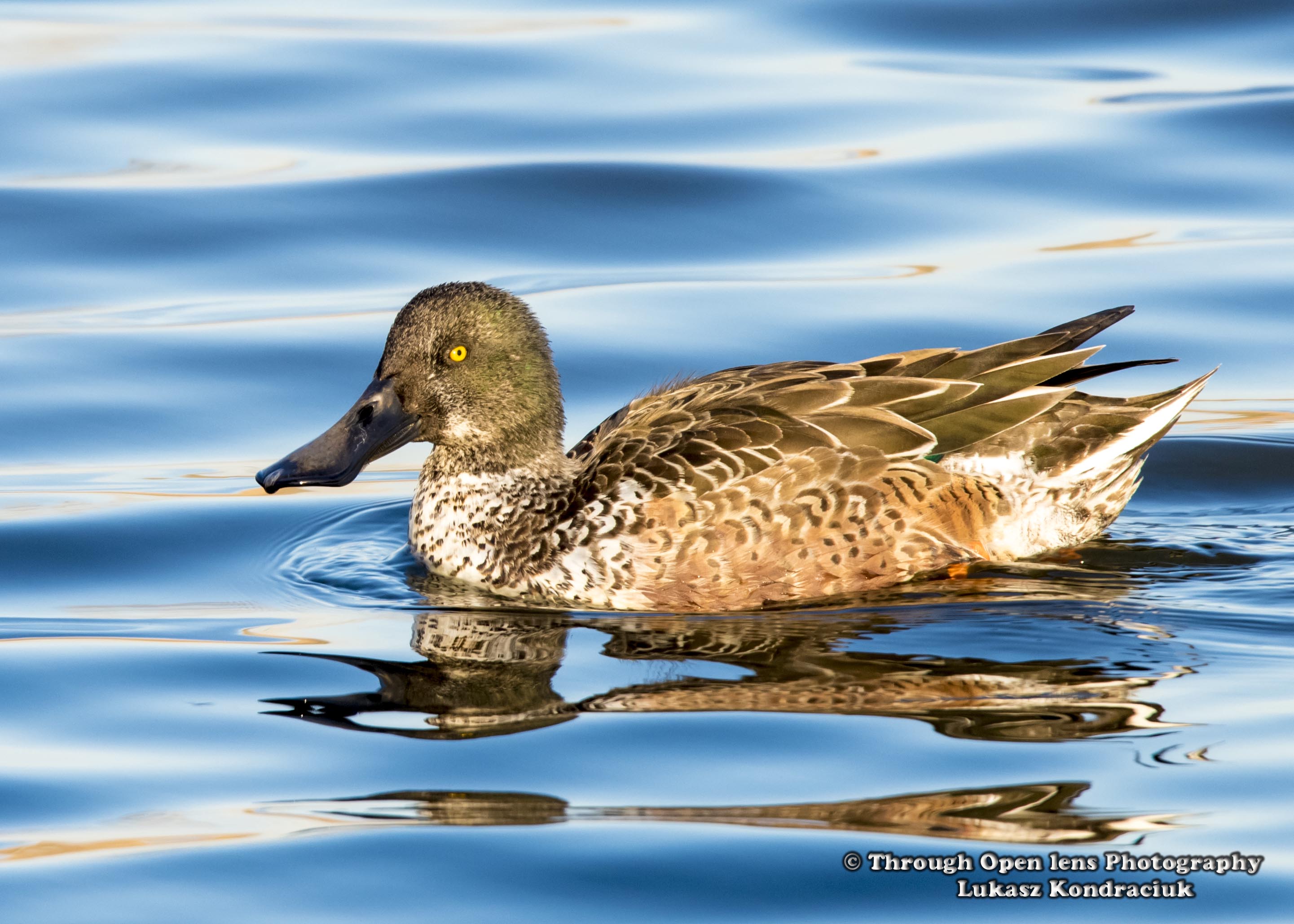
Northern Shoveler

F/10.0, 1/400, ISO 400.

Northern Shoveler

What do you get when a duck bends over?

It’s Buttquack

Interesting Fact: When flushed off the nest, a female Northern Shoveler often defecates on its eggs, apparently to deter predators. ( https://www.allaboutbirds.org/guide/Northern_Shoveler/lifehistory )

The Mighty Duck!

Hooded Merganser

F/6.3, 1/200, ISO 1600.

Hooded Merganser

What did the duck carry his schoolbooks in?

His Quackpack!

Interesting Fact: Hooded Merganser ducklings leave their nest cavity within 24 hours of hatching. First, their mother checks the area around the nest and calls to the nestlings from ground level. From inside the nest, the little fluffballs scramble up to the entrance hole and then flutter to the ground, which may be 50 feet or more below them. In some cases they have to walk half a mile or more with their mother to the nearest body of water. ( https://www.allaboutbirds.org/guide/Hooded_Merganser/lifehistory )