And Now My Beak Is Stuck!

Marbled Godwit

F/5.6, 1/500, ISO 200.

Marbled Godwit

Why does it take pirates so long to learn the alphabet?

Because they spend years at C!

Interesting Fact: It often inserts its entire bill into the mud, and its head is totally submerged at times. ( http://identify.whatbird.com/obj/251/overview/Marbled_Godwit.aspx )

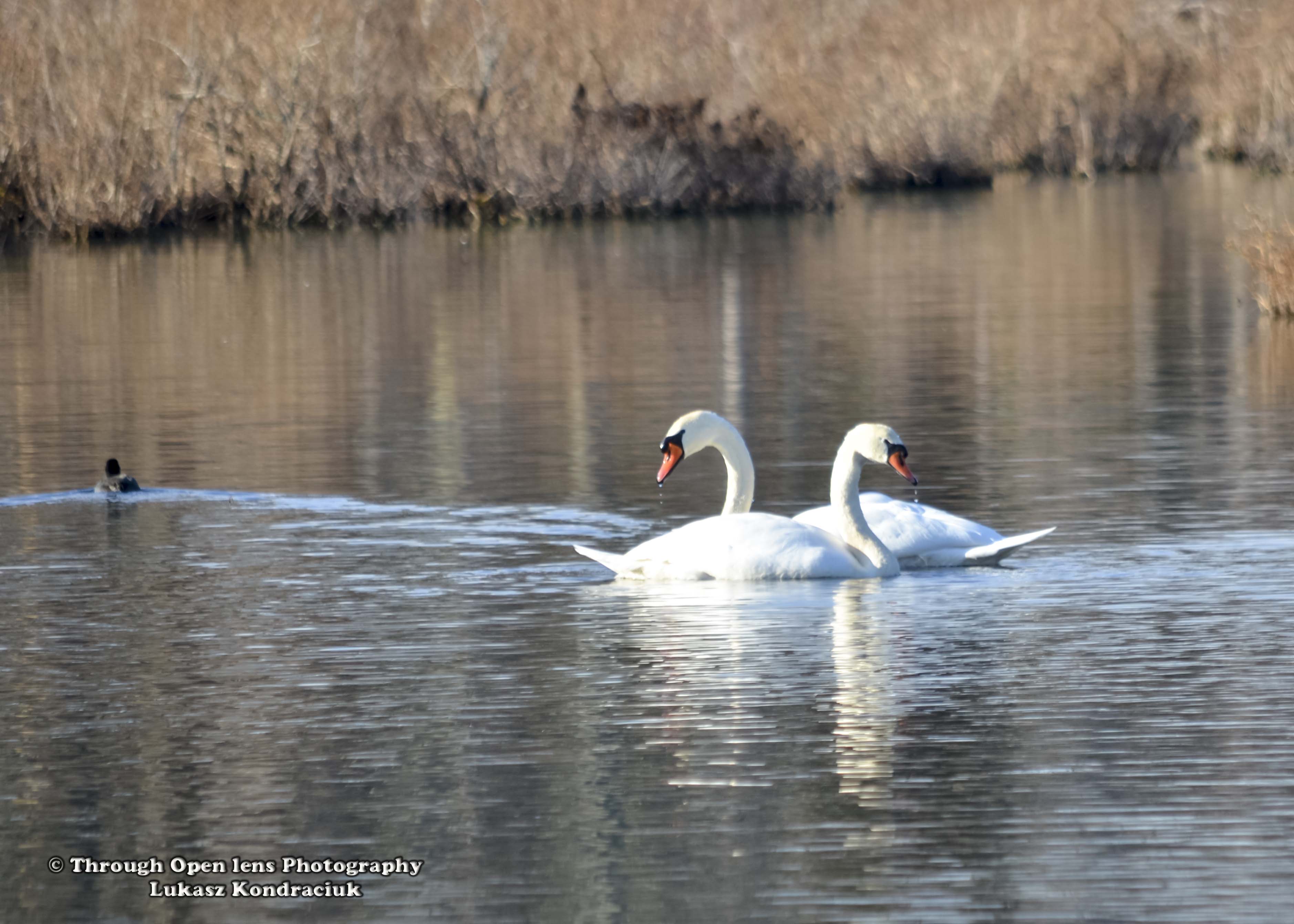
Double Vision

Swans

F/5.6, 1/500, ISO 200.

Mute Swans

How do you keep a chicken in suspense?

I’ll tell you later.

Interesting Fact: Give plenty of space to nesting Mute Swans. They can be extremely aggressive and frequently attack canoeists, kayakers, and pedestrians who wander too close to a nest or chicks. ( https://www.allaboutbirds.org/guide/Mute_Swan/lifehistory )

Reverse Mohawk Is In!

Elegant Tern

F/5.6, 1/500, ISO 220.

Elegant Tern

California Week Two 

A sailor trying to sneak back to his ship about 3 o’clock in the morning was spotted by a chief petty officer who ordered him to explain his tardiness. The lame explanation didn’t work. “Take this broom and sweep every link on this anchor chain by morning or it’s the brig for you,” the chief said. The sailor began to sweep, but a tern landed on the broom handle and he couldn’t continue. He yelled at the bird, but it didn’t budge. He finally plucked it off the broom and gave it a toss. But the bird came right back and again landed on the handle. Over and over, the same routine was repeated. A toss, one sweep, and the bird was back. When morning came, the chief also was back. “What have you been doing all night? This chain is no cleaner than when you started!” “Honest, chief,” said the sailor, “I tossed a tern all night and couldn’t sweep a link.”

Interesting Fact: Unlike some of the smaller white terns, it is not very aggressive toward potential predators, relying on the sheer density of the nests and nesting close to other more aggressive species such as Heermann’s Gulls to avoid predation. ( http://identify.whatbird.com/obj/467/_/Elegant_Tern.aspx )


Hum With Me

Rufous Hummingbird

F/ 5.6, 1/125, ISO 100.

Rufous Hummingbird

California Week

Why do hummingbirds hum?

Because they forgot the words!

Interesting Fact: The Rufous Hummingbird makes one of the longest migratory journeys of any bird in the world, as measured by body size. At just over 3 inches long, its roughly 3,900-mile movement (one-way) from Alaska to Mexico is equivalent to 78,470,000 body lengths. In comparison, the 13-inch-long Arctic Tern’s one-way flight of about 11,185 mi is only 51,430,000 body lengths. (AAB) ( https://www.allaboutbirds.org/guide/Rufous_Hummingbird/lifehistory )


Fly Free!!

Black Skimmer

F/5.6, 1/250, ISO 400.

Black Skimmer

California Week

How long do chickens work?

Around the cluck!

Interesting Fact: Although the Black Skimmer is active throughout the day, it is largely crepuscular (active in the dawn and dusk) and even nocturnal. Its use of touch to catch fish lets it be successful in low light or darkness.  ( https://www.allaboutbirds.org/guide/Black_Skimmer/lifehistory )

Monkey Say Monkey Do!

Snow monkey

Happy Chinese New Year!!  The Year Of The MONKEY.

F/5.6, 1/200, ISO 800.

Snow Monkey

A policeman in the big city stops a man in a car with a monkey in the front seat.
“What are you doing with that monkey?” He exclaimed, “You should take it to the zoo.”
The following week, the same policeman sees the same man with the monkey again in the front seat, with both of them wearing sunglasses. The policeman pulls him over.
“I thought you were going to take that monkey to the zoo!”
The man replied, “I did. We had such a good time we are going to the beach this weekend!”


Interesting Fact: Snow monkeys are known as the one of the cleverest species of monkeys. They learn easily and share new skills and hunting (or eating) techniques with other members of the troop and with their offspring.  ( http://www.softschools.com/facts/animals/snow_monkey_facts/106/ )


Interesting Fact: Chinese New Year is an important Chinese festival celebrated at the turn of the traditional lunisolar Chinese calendar. It is also known as the Spring Festival, the literal translation of the modern Chinese name. Celebrations traditionally run from the evening preceding the first day, to the Lantern Festival on the 15th day of the first calendar month. The first day of the New Year falls on the new moon between 21 January and 20 February.[2] In 2016, the first day of Chinese New Year falls on Monday, February 8th. ( https://en.wikipedia.org/wiki/Chinese_New_Year#History )


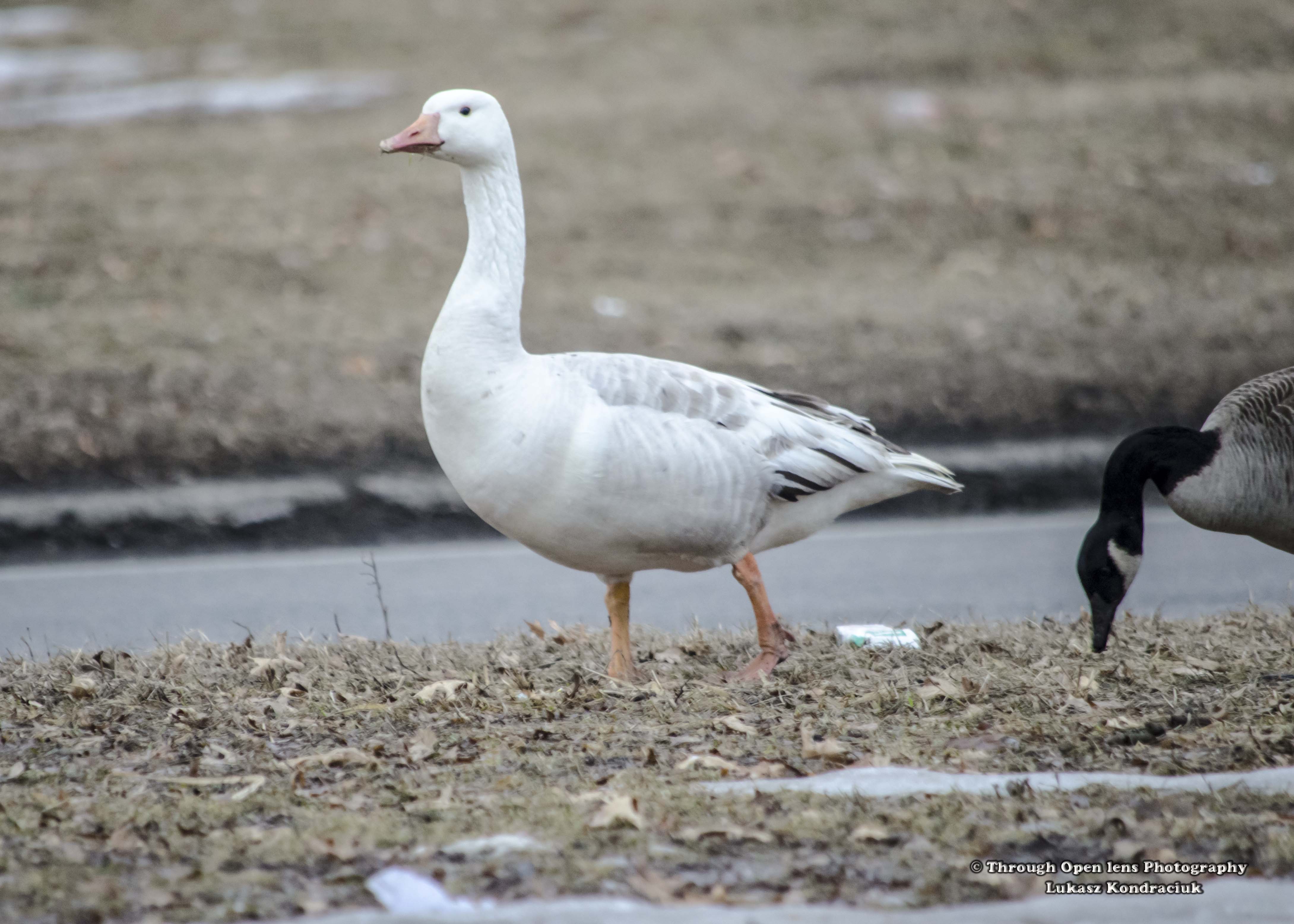
Silly Goose!

Snow Goose

F/ 5.6, 1/125, ISO 1600.

Snow Goose

What grows down, when it grows up?

A goose.

Interesting Fact:  Snow Goose hunting in the eastern United States was stopped in 1916 because of low population levels. Hunting was allowed again in 1975 after populations had recovered. Since then, their populations have continued to grow, to the point that some areas of tundra nesting habitat are starting to suffer. ( https://www.allaboutbirds.org/guide/Snow_Goose/lifehistory )

Where’s The Beef?!

Black Vulture

F/5.6, 1/125, ISO 800.

Black Vulture

Two vultures were in the desert eating a dead clown. The first vulture asks the second vulture: “Does this taste funny to you?”

Interesting Fact: Turkey Vultures have an excellent sense of smell, but Black Vultures aren’t nearly as accomplished sniffers. To find food they soar high in the sky and keep an eye on the lower-soaring Turkey Vultures. When a Turkey Vulture’s nose detects the delicious aroma of decaying flesh and descends on a carcass, the Black Vulture follows close behind. ( https://www.allaboutbirds.org/guide/Black_Vulture/lifehistory )

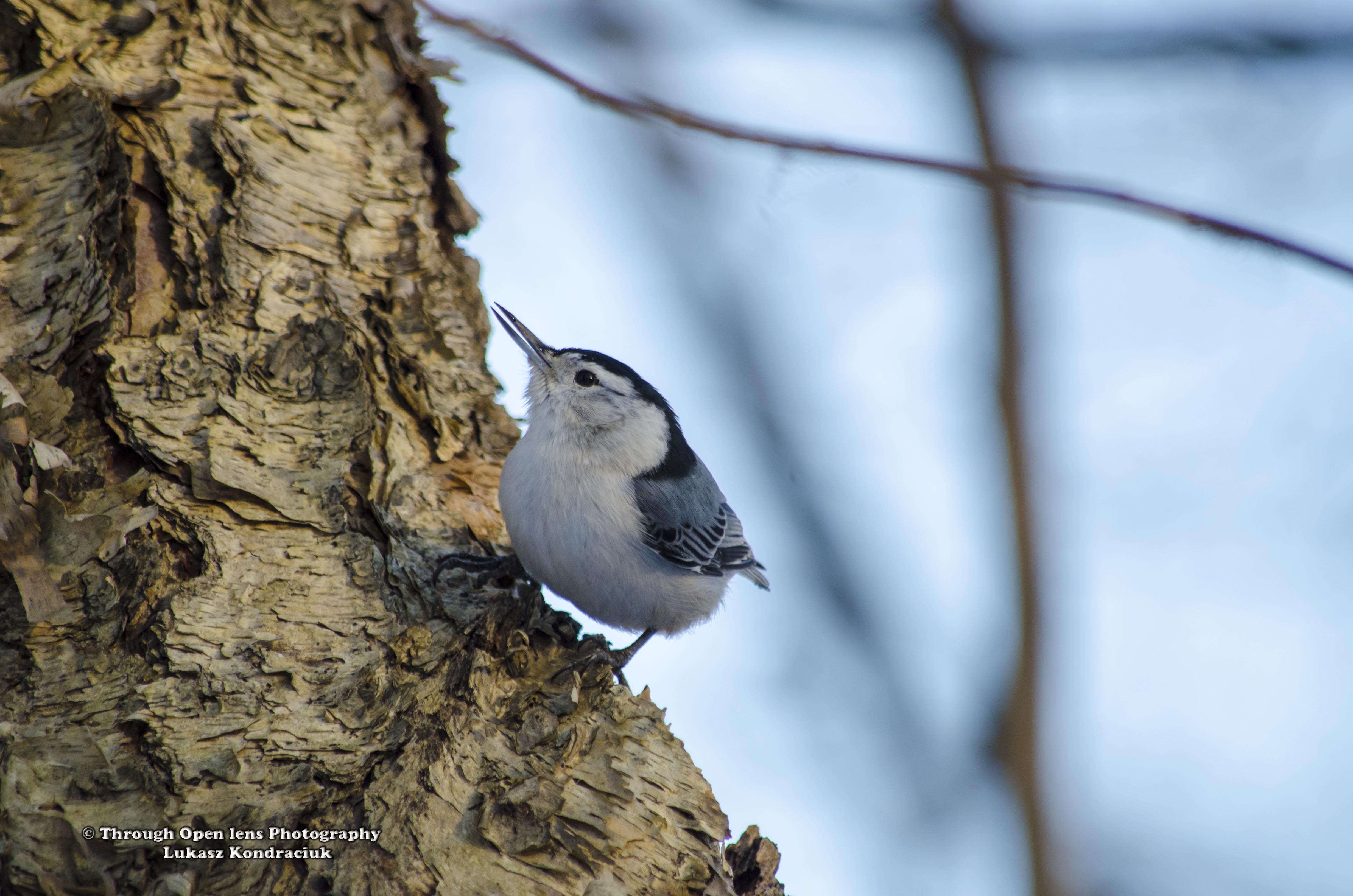
Hello, It’s Me!

White-breasted Nuthatch

F/5.6, 1/400, ISO 400.

White-breasted Nuthatch

Women: Why does your daughter say “cluck, cluck, cluck?”
Father: Because she thinks she’s a chicken .
Women: Why don’t you tell her that she’s not a chicken?
Father: Because we need the eggs.

Interesting Fact: The White-breasted Nuthatch is normally territorial throughout the year, with pairs staying together. The male has to spend more time looking out for predators when he’s alone than while he’s with his mate. That’s the pattern for most birds, and one reason why birds spend so much time in flocks. But the female nuthatch has to put up with the male pushing her aside from foraging sites, so she spends more time looking around (for him) when he’s around than when she is alone. ( https://www.allaboutbirds.org/guide/White-breasted_Nuthatch/lifehistory )