Two Peckers One Hole

F/8.0, 1/250, ISO 320.

Hispaniolan Woodpeckers

How do crazy people get through the forest?

They take the psycho path.

Interesting Fact: The Hispaniolan Woodpecker is sufficiently abundant to be considered an agricultural pest in some areas, on account of it feeding in fruit orchards, although it also regularly consumes insects and tree sap. It nests in tree-cavities and breeds in loose colonies of up to 20 pairs. ( https://neotropical.birds.cornell.edu/Species-Account/nb/species/hiswoo1/overview )
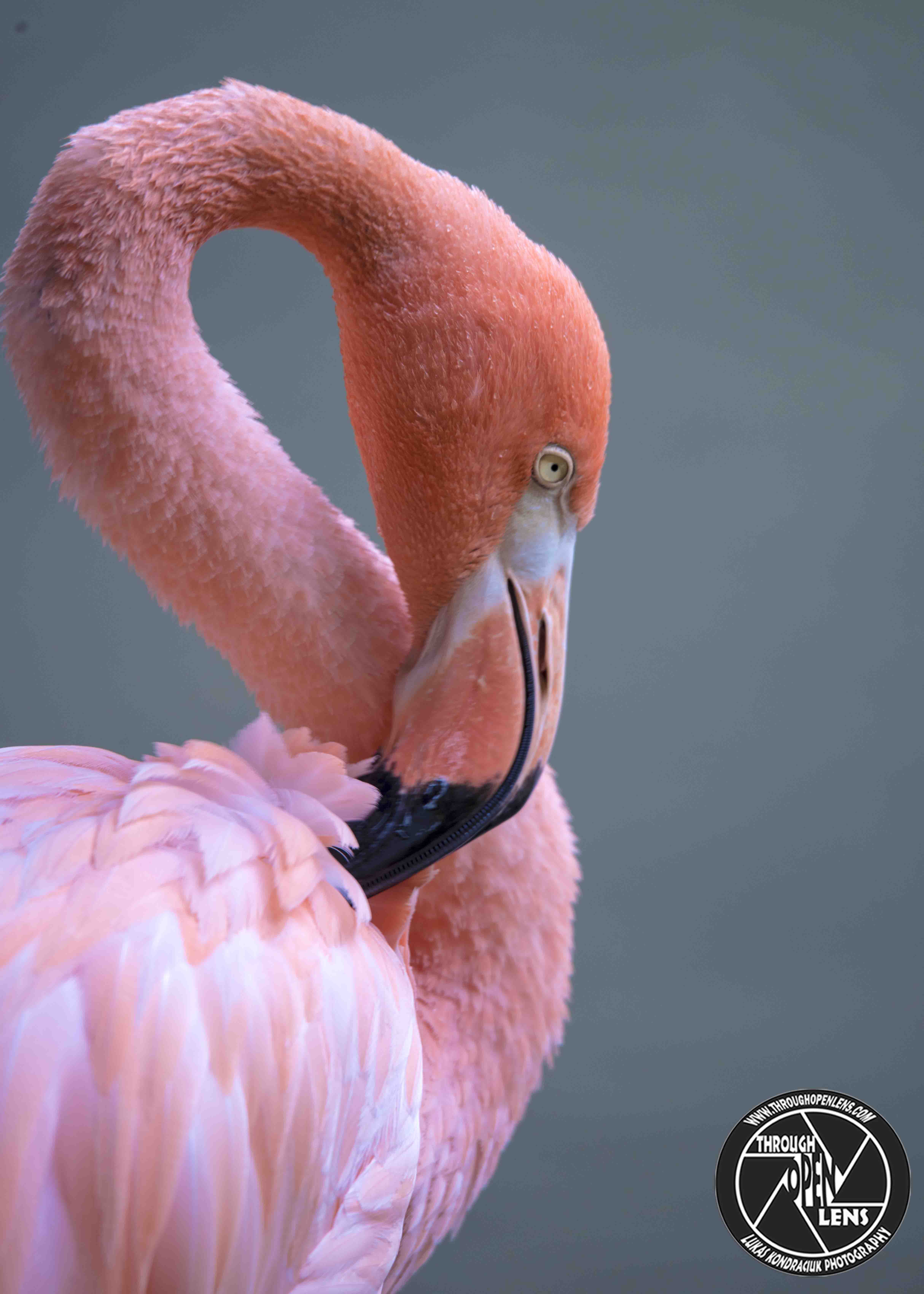
When I think about you, I touch myself.

F/6.3, 1/80, ISO 200.

American Flamingo 

What do whales take to stay healthy?

Vitamin Sea

Interesting Fact: A group of flamingos has many collective nouns, including a “colony”, “flamboyance”, “flurry”, “regiment”, and “stand” of flamingos. ( http://identify.whatbird.com/obj/940/overview/American_Flamingo.aspx )

Did You Just Fart? Because You Blew Me Away!

F/8.0, 1/250, ISO 160.

Palmchat

What did the inventor of the door knocker win?

The no bell prize.

Interesting Fact: They are voluble and noisy birds, with a large repertoire of gurgling and cheeping sounds constantly used in their social behavior. ( https://en.wikipedia.org/wiki/Palmchat )

I Might Look Like I’m Doing Nothing, But In My Head I’m Quite Busy.

F/7.1, 1/200, ISO 150.

Green Heron

Why did the dog sit in the shade?

Because he didn’t want to be a hot dog!

Interesting Fact:  The male begins building the nest before pairing up to breed, but afterward passes off most of the construction to his mate. As the male gathers long, thin sticks, the female shapes them into a nest 8–12 inches across, with a shallow depression averaging less than 2 inches deep. The nest varies from solid to flimsy, and has no lining. ( https://www.allaboutbirds.org/guide/Green_Heron/lifehistory )


Life Is More Fun When You Open Your Mouth!

F/7.1, 1/200, ISO 250.

Green Heron

Why can’t you hear a pterodactyl in the bathroom?

Because it has a silent pee.

Interesting Fact: The male selects a secluded site within his territory, usually in a large fork of a tree or bush, with overhanging branches to conceal the nest. Green Herons use many plant species as nest sites pines, oaks, willows, box elder, cedar, honey locust, hickory, sassafrass, and mangroves. The nest is usually on or over the water, but may be up to a half-mile away. It may be anywhere from ground level to 30 feet off the ground (occasionally higher). ( https://www.allaboutbirds.org/guide/Green_Heron/lifehistory )