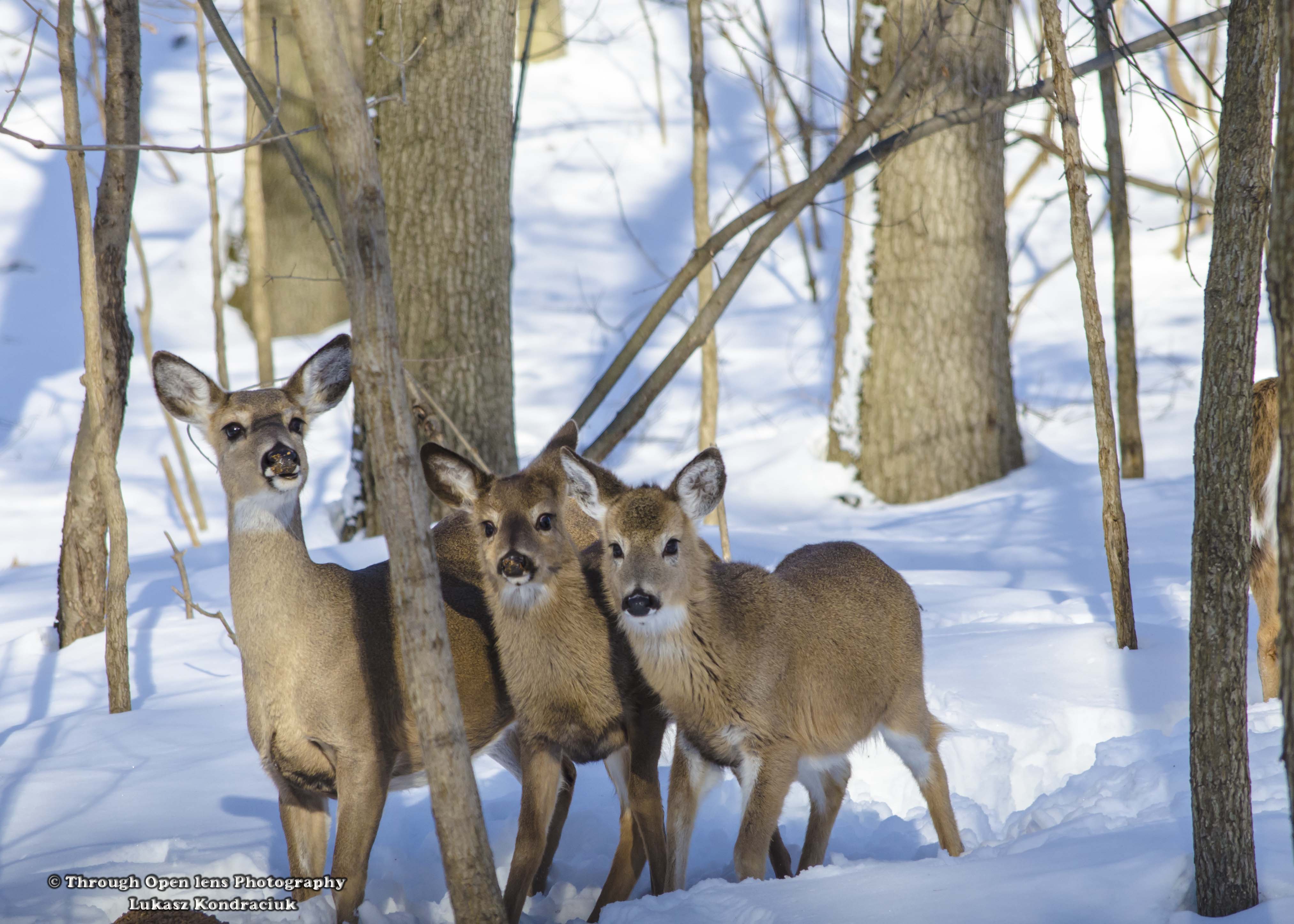
Im Quite Fawned Of You My Deer

deer

F/6.3, 1/640, ISO 200.

Deer

Two hunters were dragging their dead deer back to their car. Another hunter approached pulling his along too.
“Hey, I don’t want to tell you how to do something … but I can tell you that it’s much easier if you drag the deer in the other direction. Then the antlers won’t dig into the ground.”
After the third hunter left, the two decided to try it.
A little while later one hunter said to the other, “You know, that guy was right. This is a lot easier!”
“Yeah, but we’re getting farther from the truck,” the other added.

Interesting Fact:  “White-tailed” refers to the white underside of the deer’s tail, which it displays and wags when it senses danger. ( http://animals.nationalgeographic.com/animals/mammals/white-tailed-deer/ )



SNOW!!! And Away I GO!!!

Common Merganser flying

F/5.3, 1/160, ISO 800.

Common Merganser

What did the parrot say when he saw a duck?

Polly want a quacker!

Interesting Fact: Common Mergansers are sometimes called sawbills, fish ducks, or goosanders. The word “merganser” comes from the Latin and roughly translates to “plunging goose”—a good name for this very large and often submerged duck. ( https://www.allaboutbirds.org/guide/Common_Merganser/lifehistory )

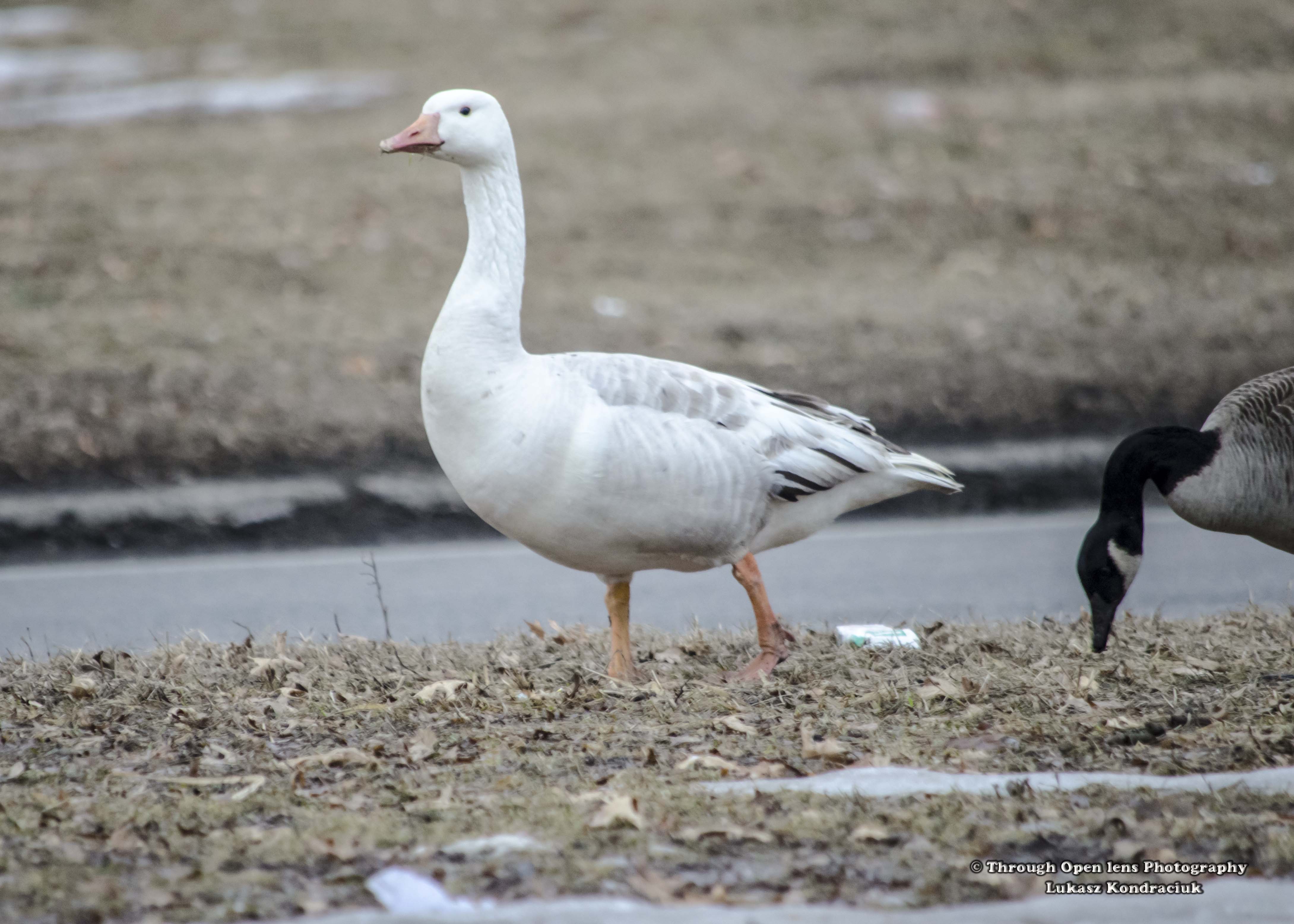
Silly Goose!

Snow Goose

F/ 5.6, 1/125, ISO 1600.

Snow Goose

What grows down, when it grows up?

A goose.

Interesting Fact:  Snow Goose hunting in the eastern United States was stopped in 1916 because of low population levels. Hunting was allowed again in 1975 after populations had recovered. Since then, their populations have continued to grow, to the point that some areas of tundra nesting habitat are starting to suffer. ( https://www.allaboutbirds.org/guide/Snow_Goose/lifehistory )

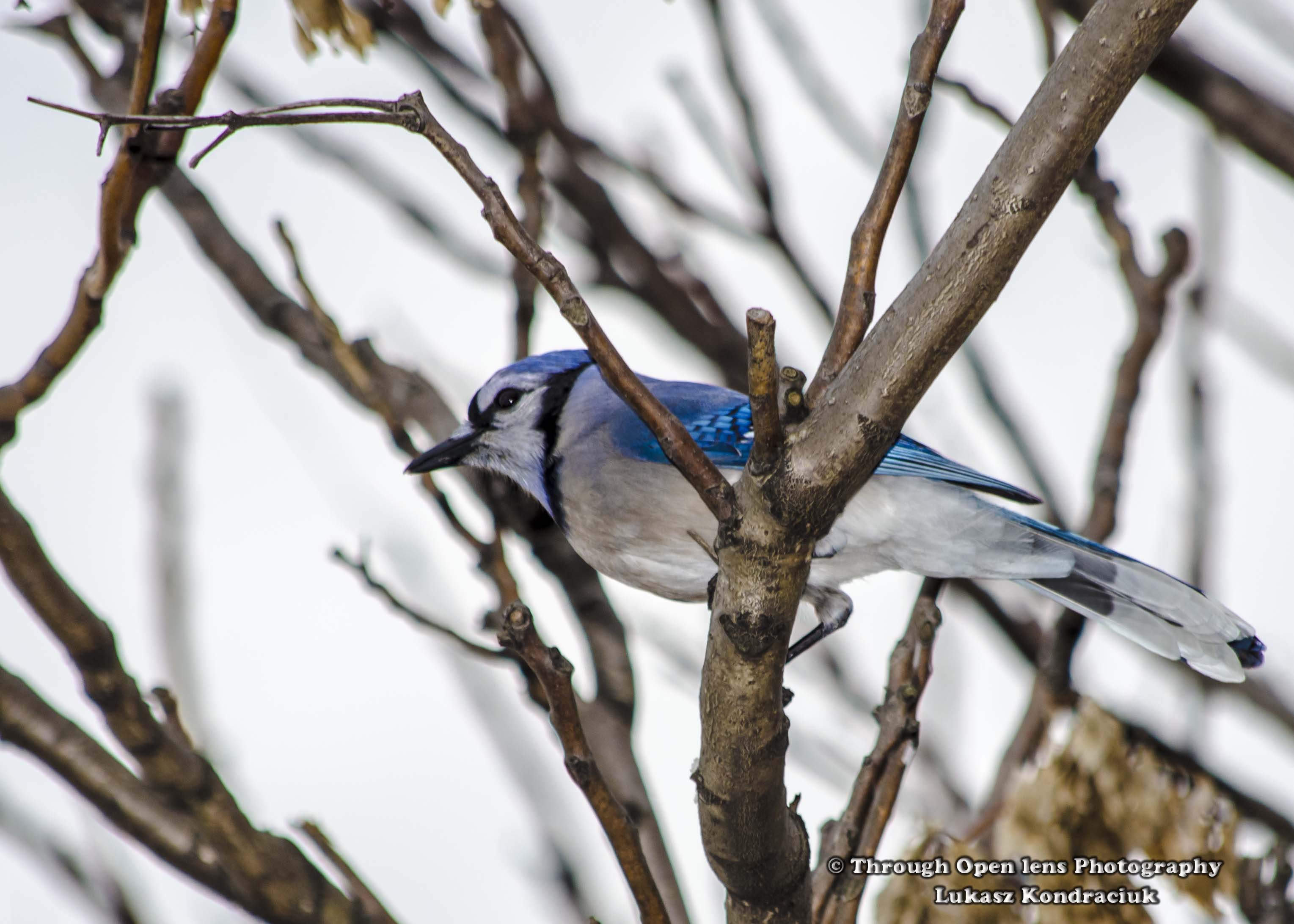
Feeling A Little Blue Today

Blue Jay

F/7.1, 1/200, ISO 100.

Blue Jay

What bird is always sad?

The blue jay!

Interesting Fact:  The Blue Jay frequently mimics the calls of hawks, especially the Red-shouldered Hawk. These calls may provide information to other jays that a hawk is around, or may be used to deceive other species into believing a hawk is present. (  https://www.allaboutbirds.org/guide/Blue_Jay/lifehistory )

Just Pecking Away!

Red-Bellied Woodpecker


F/ 6.3, 1/125, ISO 800.

Red-Bellied Woodpecker

I went to the zoo today and asked if they had any talking parrots.

The zookeeper said they didn’t, but they had a woodpecker that knew morse code.

Interesting Fact: You may occasionally see a Red-bellied Woodpecker flying quickly and erratically through the forest, abruptly changing direction, alighting for an instant and immediately taking off again, keeping up a quick chatter of calls. Scientists categorize this odd behavior as a type of play that probably helps young birds practice the evasive action they may one day need. ( https://www.allaboutbirds.org/guide/Red-bellied_Woodpecker/lifehistory )

Where’s The Beef?!

Black Vulture

F/5.6, 1/125, ISO 800.

Black Vulture

Two vultures were in the desert eating a dead clown. The first vulture asks the second vulture: “Does this taste funny to you?”

Interesting Fact: Turkey Vultures have an excellent sense of smell, but Black Vultures aren’t nearly as accomplished sniffers. To find food they soar high in the sky and keep an eye on the lower-soaring Turkey Vultures. When a Turkey Vulture’s nose detects the delicious aroma of decaying flesh and descends on a carcass, the Black Vulture follows close behind. ( https://www.allaboutbirds.org/guide/Black_Vulture/lifehistory )

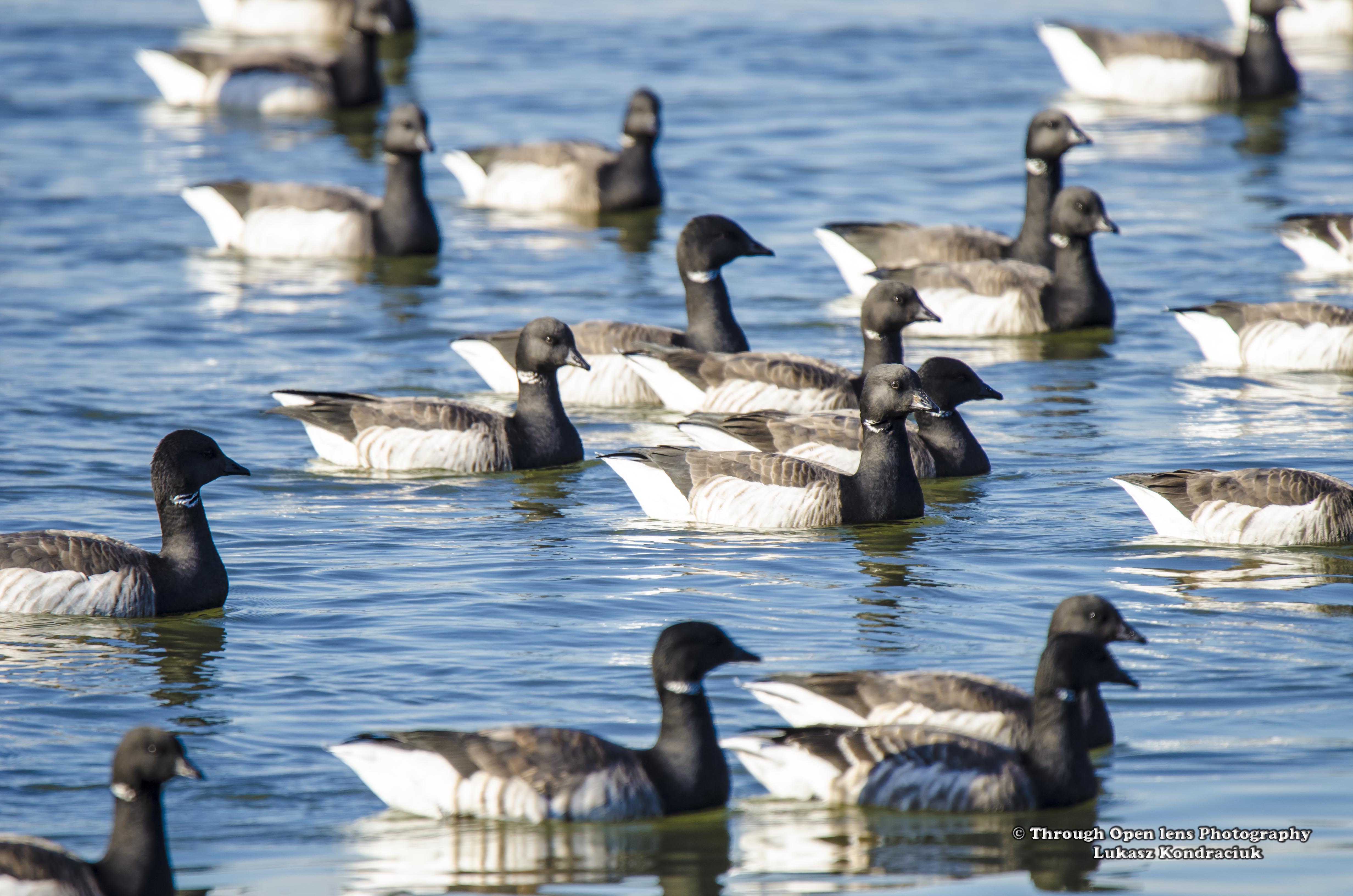
What Is Good For The Goose Is Good For Gander

Brant

F/ 6.3, 1/500, ISO 200.

Brants Geese

The devout cowboy lost his favorite Bible while he was mending fences out on the range.
Three weeks later, a goose walked up to him carrying the Bible in its mouth.
The cowboy couldn’t believe his eyes.
He took the precious book out of the goose’s mouth, raised his eyes heavenward and exclaimed, “It’s a miracle!”
“Not really,” said the goose. “Your name is written inside the cover.”

Interesting Fact: They possess a highly developed salt gland that allows them to drink salt water. ( http://identify.whatbird.com/obj/290/overview/Brant.aspx )

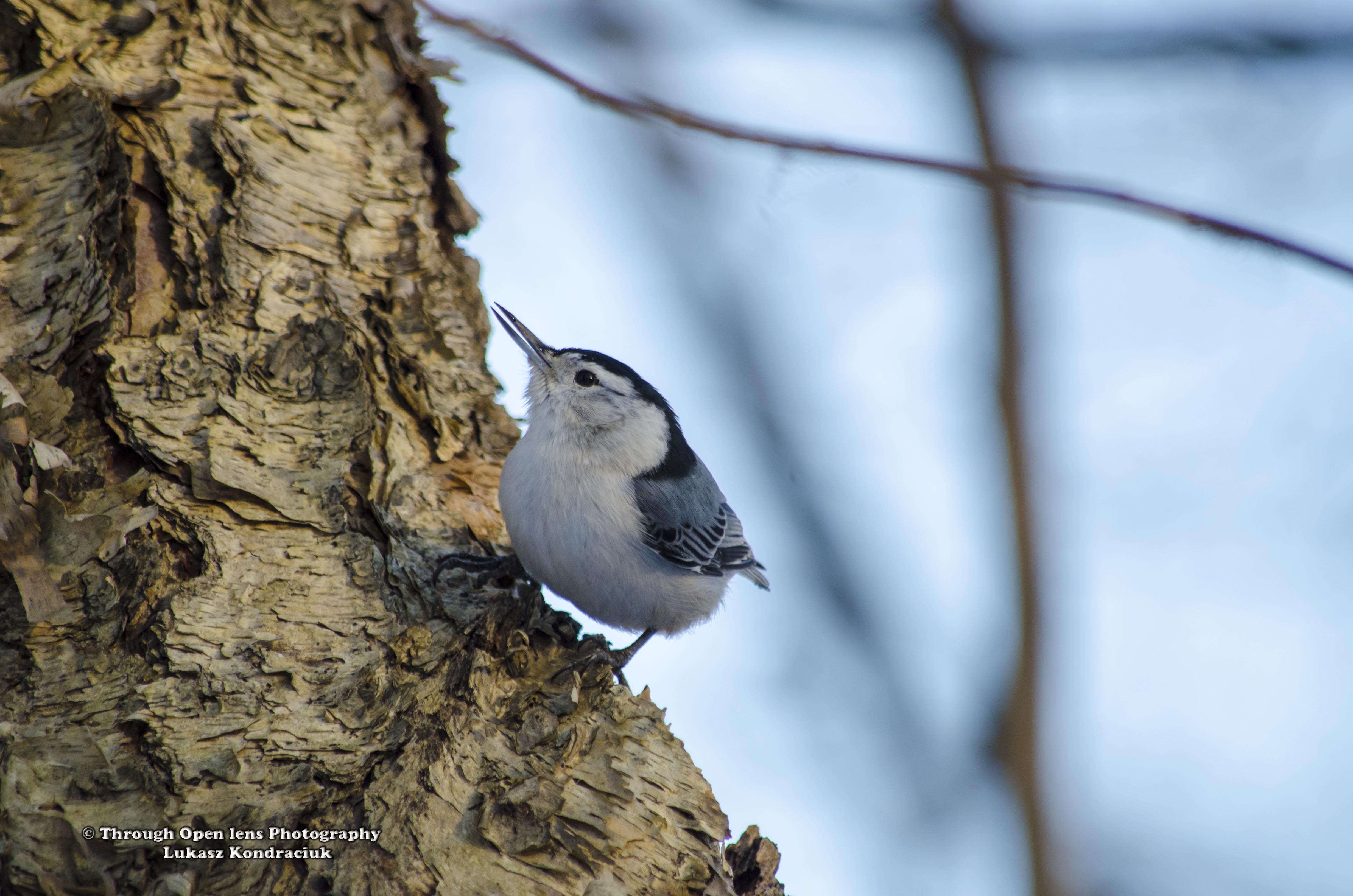
Hello, It’s Me!

White-breasted Nuthatch

F/5.6, 1/400, ISO 400.

White-breasted Nuthatch

Women: Why does your daughter say “cluck, cluck, cluck?”
Father: Because she thinks she’s a chicken .
Women: Why don’t you tell her that she’s not a chicken?
Father: Because we need the eggs.

Interesting Fact: The White-breasted Nuthatch is normally territorial throughout the year, with pairs staying together. The male has to spend more time looking out for predators when he’s alone than while he’s with his mate. That’s the pattern for most birds, and one reason why birds spend so much time in flocks. But the female nuthatch has to put up with the male pushing her aside from foraging sites, so she spends more time looking around (for him) when he’s around than when she is alone. ( https://www.allaboutbirds.org/guide/White-breasted_Nuthatch/lifehistory )


We Are Always Landing On Our Feet

Common Merganser

F/8.0, 1/2000, ISO 800.

Common Merganser

Duck Week Last Day

A duck walks into a bar and says to the bar tender “I’ll have a beer”.

The bartender says “Hey! where did you come from?”

The duck says “I’m working the construction site across the street”.

And the bartender says, “Well why are you working construction when you could be making millions in the circus?”

And the duck said “What would the circus want with a brick laying duck?”


Interesting Fact: You may see gulls trailing flocks of foraging Common Mergansers. They wait for the ducks to come to the surface and then try to steal their prey rather than fishing on their own. Occasionally even a Bald Eagle will try to steal a fish from a merganser. ( https://www.allaboutbirds.org/guide/Common_Merganser/lifehistory )

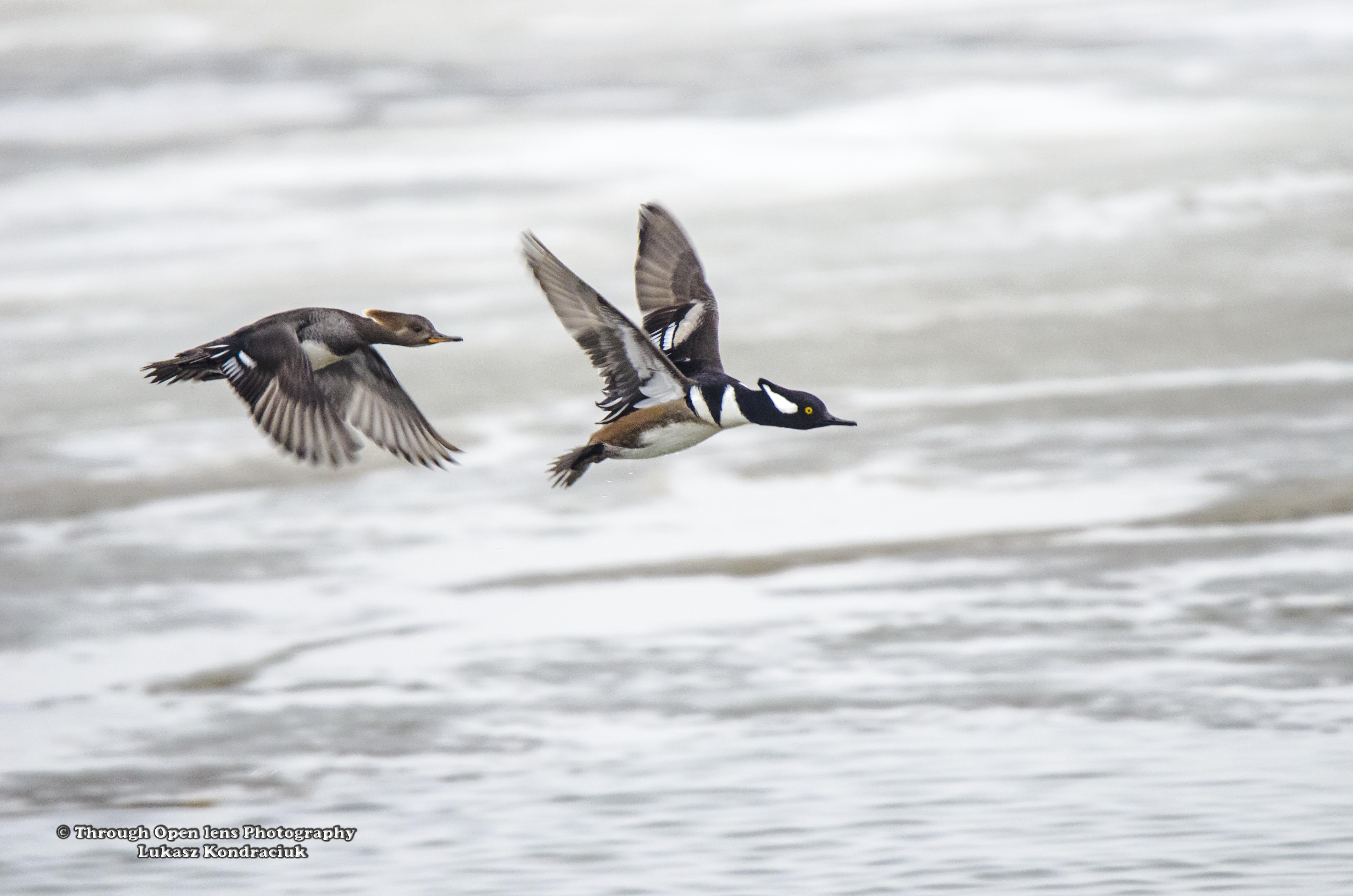
And They’re Off!

Hooded Mergansers

F/ 6.3, 1/400, ISO 1600.

Hooded Mergansers

Duck Week Continues!

A circus owner walked into a bar to see everyone crowded about a table watching a little show. On the table was an upside down pot and a duck tap dancing on it. The circus owner was so impressed that he offered to buy the duck from its owner. After some wheeling and dealing, they settled for $10,000 for the duck and the pot. Three days later the circus owner runs back to the bar in anger, “Your duck is a ripoff! I put him on the pot before a whole audience, and he didn’t dance a single step!” “So?” asked the ducks former owner, “did you remember to light the candle under the pot?”

Interesting Fact: Along with Wood Ducks and other cavity-nesting ducks, Hooded Mergansers often lay their eggs in other females’ nests. This is called “brood parasitism” and is similar to the practice of Brown-headed Cowbirds, except that the ducks only lay eggs in nests of their own species. Female Hooded Mergansers can lay up to about 13 eggs in a clutch, but nests have been found with up to 44 eggs in them. ( https://www.allaboutbirds.org/guide/Hooded_Merganser/lifehistory )