Swimming For The Gold

Muskrat

F/ 6.3, 1/125, ISO 500.

Muskrat

What did one lab rat say to the other?

I’ve got my scientist so well trained that every time I push the buzzer, he brings me a snack.

Interesting Fact: Muskrats normally live in groups consisting of a male and female pair and their young. During the spring, they often fight with other muskrats over territory and potential mates. Many are injured or killed in these fights. Muskrat families build nests to protect themselves and their young from cold and predators. In streams, ponds or lakes, muskrats burrow into the bank with an underwater entrance. These entrances are 6–8 in (15–20 cm) wide. In marshes, push-ups are constructed from vegetation and mud. These push-ups are up to 3 ft (91 cm) in height. In snowy areas, they keep the openings to their push-ups closed by plugging them with vegetation, which they replace every day. Some muskrat push-ups are swept away in spring floods and have to be replaced each year. Muskrats also build feeding platforms in wetlands. They help maintain open areas in marshes, which helps to provide habitat for aquatic birds. ( https://en.wikipedia.org/wiki/Muskrat )
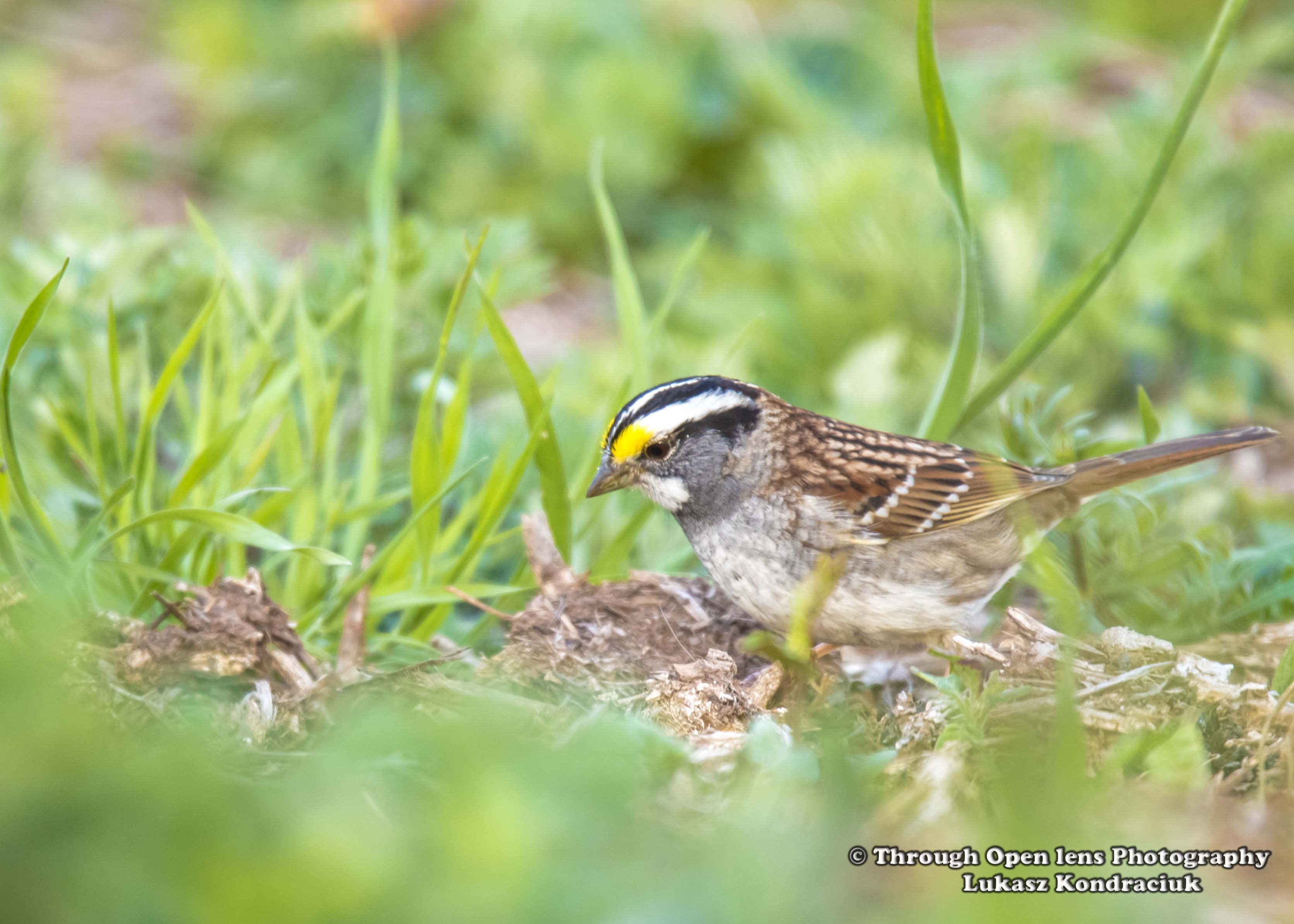
That Worm Has To Come Out Sooner Or Later

White-throated Sparrow 1

F/6.3, 1/100, ISO 400.

White-throated Sparrow

What do you get if you cross a worm and an elephant?

Very big worm holes in your garden!

Interesting Fact: The oldest recorded White-throated Sparrow was at least 14 years, 11 months old, when it was recaptured and rereleased during banding operations in Alberta. ( https://www.allaboutbirds.org/guide/White-throated_Sparrow/lifehistory )

So They Say Orange Is The New Black, What If I’m Both?!

Eastern Towhee

F/6.3, 1/40, ISO 400.

Eastern Towhee

What did the bird say after his cage fell apart?

“Cheap, cheap!”

Interesting Fact: Eastern Towhees are common victims of the parasitic Brown-headed Cowbird. Female cowbirds lay eggs in towhee nests, then leave the birds to raise their cowbird young. In some areas cowbirds lay eggs in more than half of all towhee nests. Towhees, unlike some other birds, show no ability to recognize or remove the imposter’s eggs. Female cowbirds typically take out a towhee egg when laying their own, making the swap still harder to notice. ( https://www.allaboutbirds.org/guide/Eastern_Towhee/lifehistory )


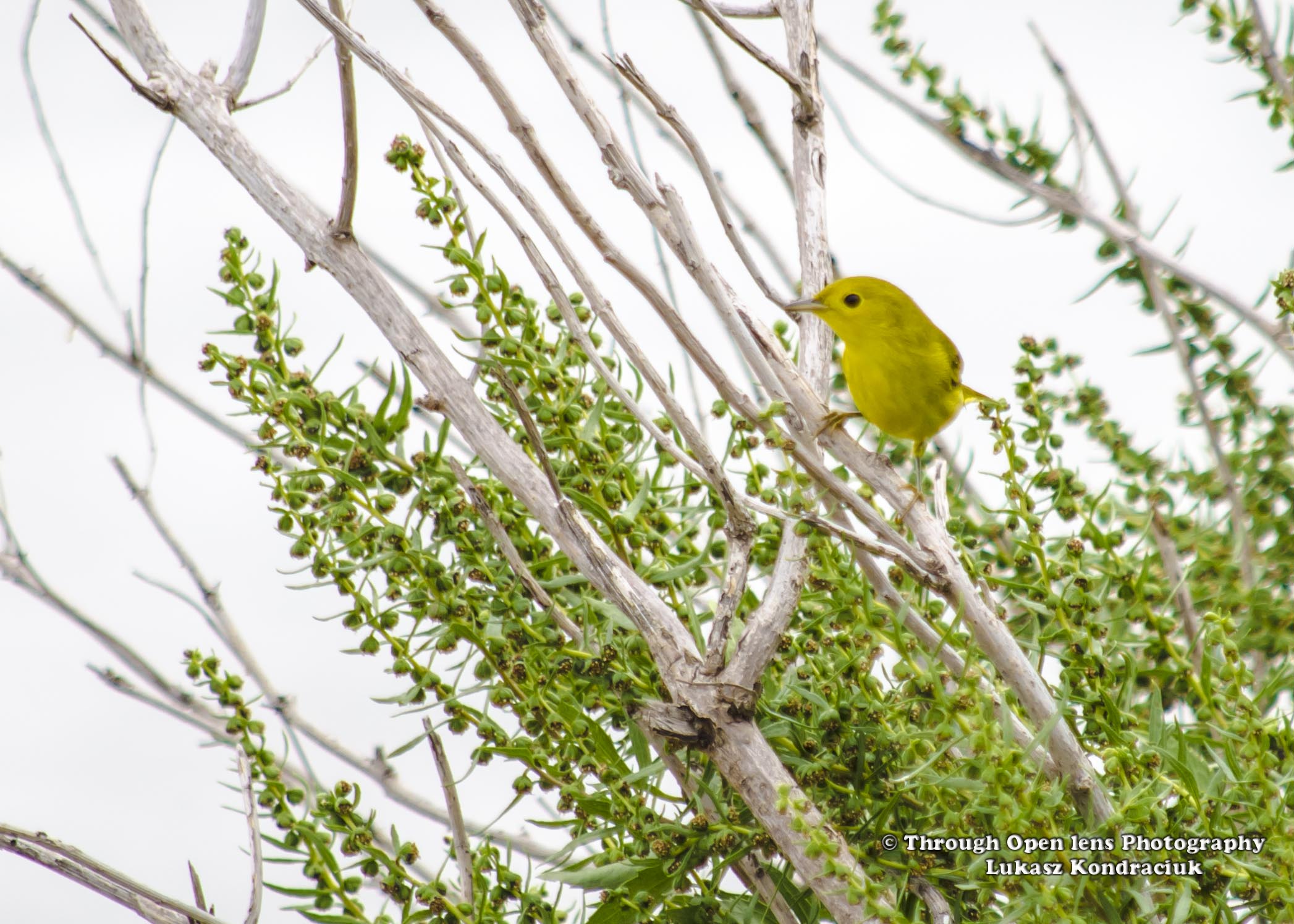
They Call Me Mellow Yellow

Yellow Warbler

F/ 6.3, 1/640, ISO 200.

Yellow Warbler

A lady went to a pet shop.
“I’d like to buy two yellow canaries,” she told the owner.
“We don’t have any canaries, but we have these,” the owner
said, as he showed the lady some pale green parakeets.
“That’s not what I’m looking for,” the lady stated.
But the pet store owner refused to give up. He said, “Just
think of them as yellow canaries that aren’t quite ripe yet.”

Interesting Fact: Life can be dangerous for a small bird. Yellow Warblers have occasionally been found caught in the strands of an orb weaver spider’s web. ( https://www.allaboutbirds.org/guide/Yellow_Warbler/lifehistory )

Come On In The Water Is Fine

Semipalmated Plover

F/6.3, 1/640, ISO 200.

Semipalmated Plover

Why do birds in a nest always agree?

Because they don’t want to fall out.

Interesting Fact: The Semipalmated Plover has been seen to swim short distances across small water channels during foraging while on migration. Chicks also swim short distances to follow parents to small islets on shallow lakes. ( https://www.allaboutbirds.org/guide/Semipalmated_Plover/lifehistory )


Unless You Spread Your Wings, You’ll Never Know How High You Can Fly!

Mallard wings

F/6.3, 1/640, ISO 200.

Mallard

What says “Quick, Quick”?

A duck with the hiccups.

Interesting Fact: The standard duck’s quack is the sound of a female Mallard. Males don’t quack; they make a quieter, rasping sound. ( https://www.allaboutbirds.org/guide/Mallard/lifehistory )

I’m Blue Da Ba Dee Da Ba Die…

Blue Jay 1

F/6.3, 1/125, ISO 800.

Blue Jay

How do blue jays stay fit?

Wormups.

Interesting Fact: Thousands of Blue Jays migrate in flocks along the Great Lakes and Atlantic coasts, but much about their migration remains a mystery. Some are present throughout winter in all parts of their range. Young jays may be more likely to migrate than adults, but many adults also migrate. Some individual jays migrate south one year, stay north the next winter, and then migrate south again the next year. No one has worked out why they migrate when they do. ( https://www.allaboutbirds.org/guide/Blue_Jay/lifehistory )

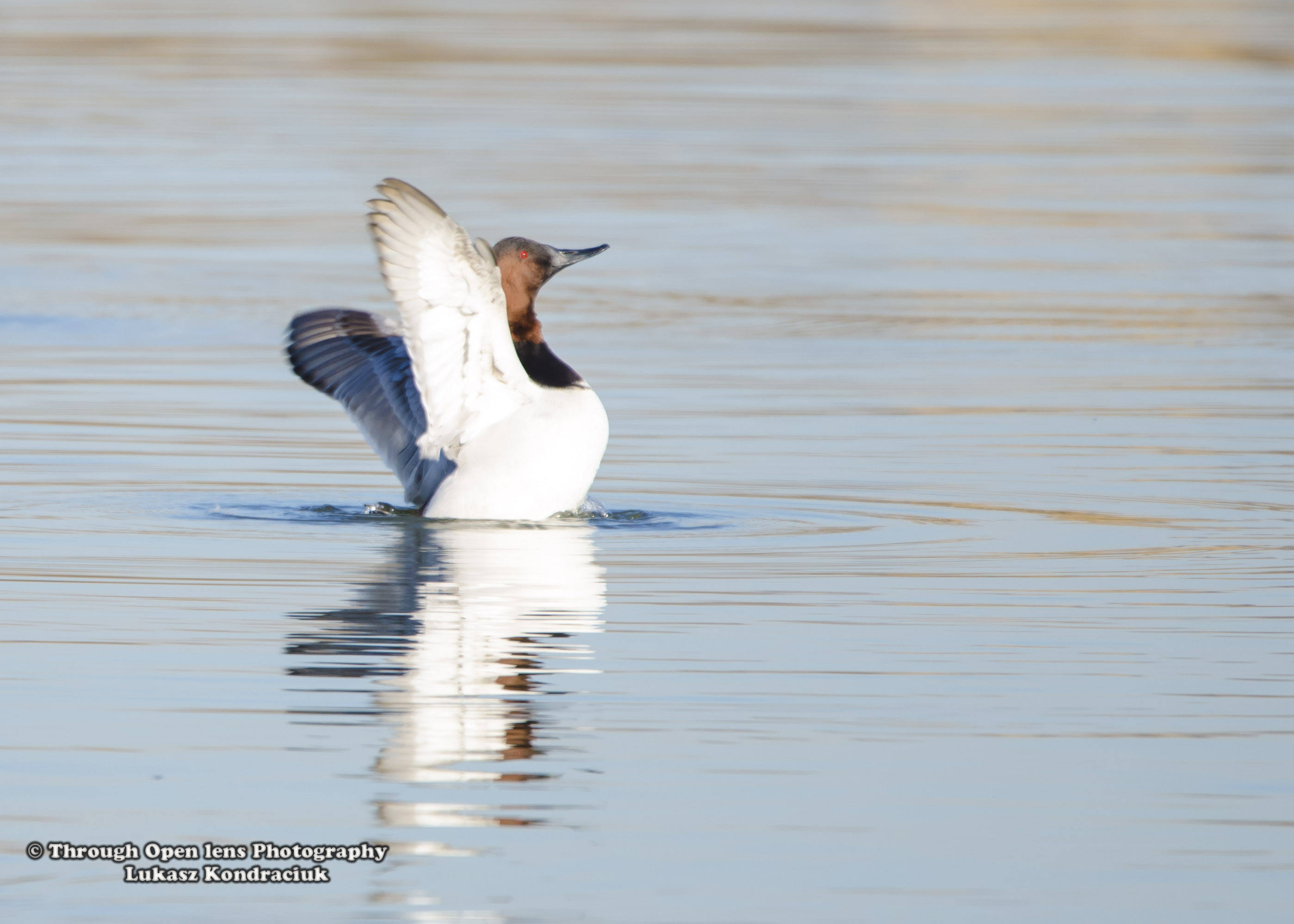
I Want To Twirl!

Canvasback duck

F/6.3, 1/500, ISO 200.

Canvasback

Chickens rise when the rooster crows, but when do ducks get up?

At the quack of dawn!

Interesting Fact: The Canvasback is a very good flier and can reach speeds of up to 70 mph. ( http://identify.whatbird.com/obj/100/overview/Canvasback.aspx )


Look Over Here!

White-Tailed Deer

F/6.3, 1/200, ISO 720.

White-Tailed Deer

What do you get when you cross Bambi with a ghost?

Bamboo.

Interesting Fact: Female deer, called does, give birth to one to three young at a time, usually in May or June and after a gestation period of seven months. Young deer, called fawns, wear a reddish-brown coat with white spots that helps them blend in with the forest. ( http://animals.nationalgeographic.com/animals/mammals/white-tailed-deer/ )

This Way To The Airport, We Flying South!

Wild Turkeys

F/6.3, 1/125, ISO 320.

Wild Turkeys  

A lady was picking through the frozen turkeys at the grocery store, but couldn’t find one big enough for her family. She asked the stock boy, ‘Do these turkeys get any bigger?’

The stock boy answered, ‘No ma’am, they’re dead.’

Interesting Fact: When they need to, Turkeys can swim by tucking their wings in close, spreading their tails, and kicking. ( https://www.allaboutbirds.org/guide/Wild_Turkey/lifehistory )