Day And Night

Moth

F/8.0, 1/200, ISO 100.

Skipper Butterfly

Why did the boy throw butter out the window?

To see butter fly. 

Interesting Fact: A skipper or skipper butterfly is a butterfly of the family Hesperiidae. They are named after their quick, darting flight habits. More than 3500 species of skippers are recognized, and they occur worldwide, but with the greatest diversity in the Neotropical regions of Central and South America. ( https://en.m.wikipedia.org/wiki/Skipper_(butterfly)

Got You!

Bumblebee

F/8.0, 1/125, ISO 320.

Bumblebee

Why do bees hum?

Because they’ve forgotten the words!

Interesting Fact: Bumblebees eat pollen and nectar collected from various flowers. They produce minimal amount of honey that is used as food for the young bumblebees. ( http://www.softschools.com/facts/animals/bumblebee_facts/582/ )

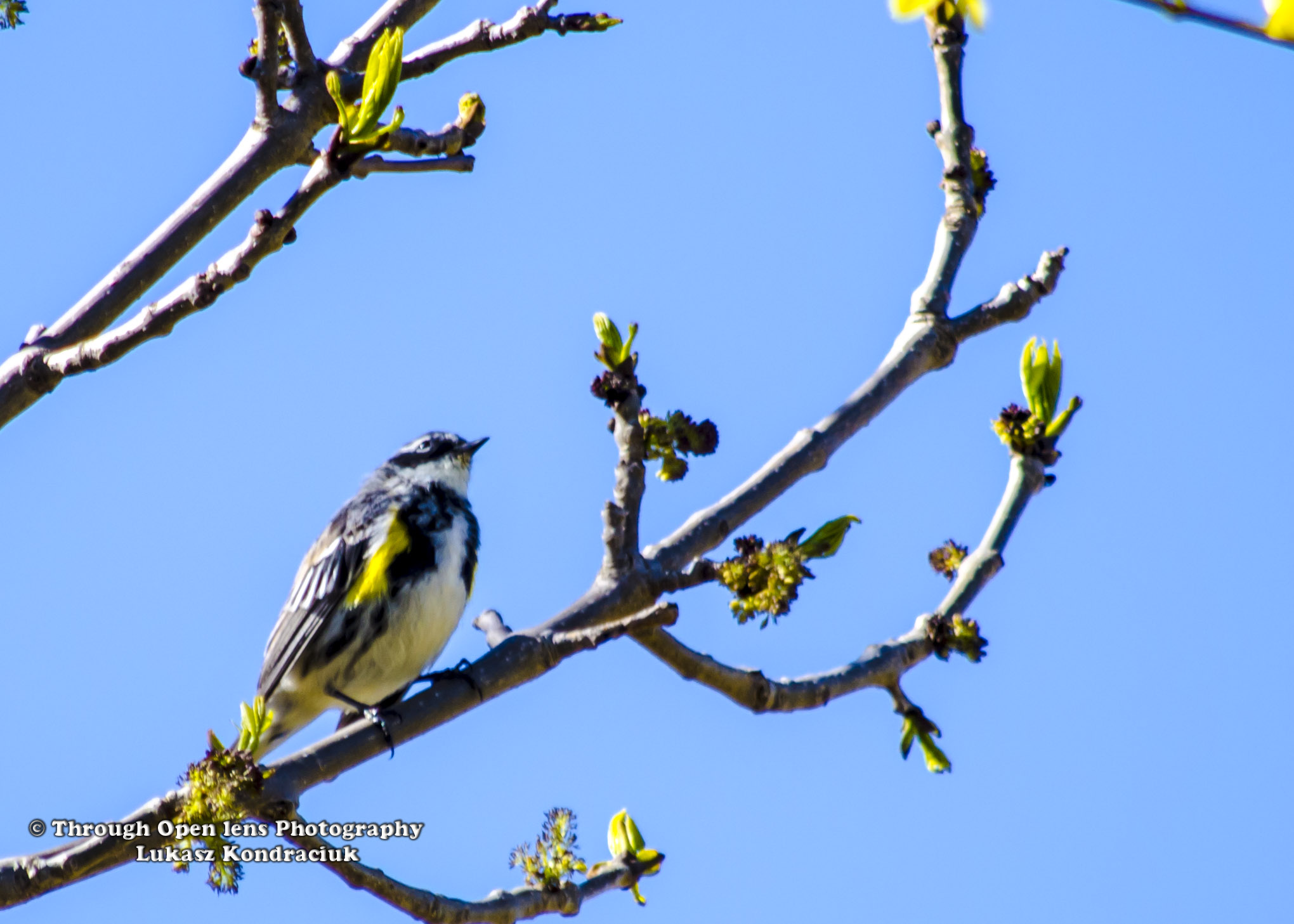
Come Visit My Branch

Magnolia Warbler

F/5.6, 1/400, ISO 100.

Magnolia Warbler

Two birds in a tree looking down on a man washing his car.

“If he doesn’t hurry up and finish,” says one bird to the 15other, “I’ll shit myself.”

Interesting Fact: Though it has very specific habitat preferences in the breeding season, the Magnolia Warbler occupies a very broad range of habitats in winter:  from sea level to 1,500 meters elevation, and most landscape types, except cleared fields. ( https://www.allaboutbirds.org/guide/Magnolia_Warbler/lifehistory )

No. Stop Don’t SWALLOW That!

Tree Swallow

F/ 5.6, 1/500, ISO 125.

Tree Swallow

What do you call a chicken in the 1960’s?

A funky chicken.

Interesting Fact: Migrating and wintering Tree Swallows can form enormous flocks numbering in the hundreds of thousands. They gather about an hour before sunset and form a dense cloud above a roost site (such as a cattail marsh or grove of small trees), swirling around like a living tornado. With each pass, more birds drop down until they are all settled on the roost. ( https://www.allaboutbirds.org/guide/Tree_Swallow/lifehistory )

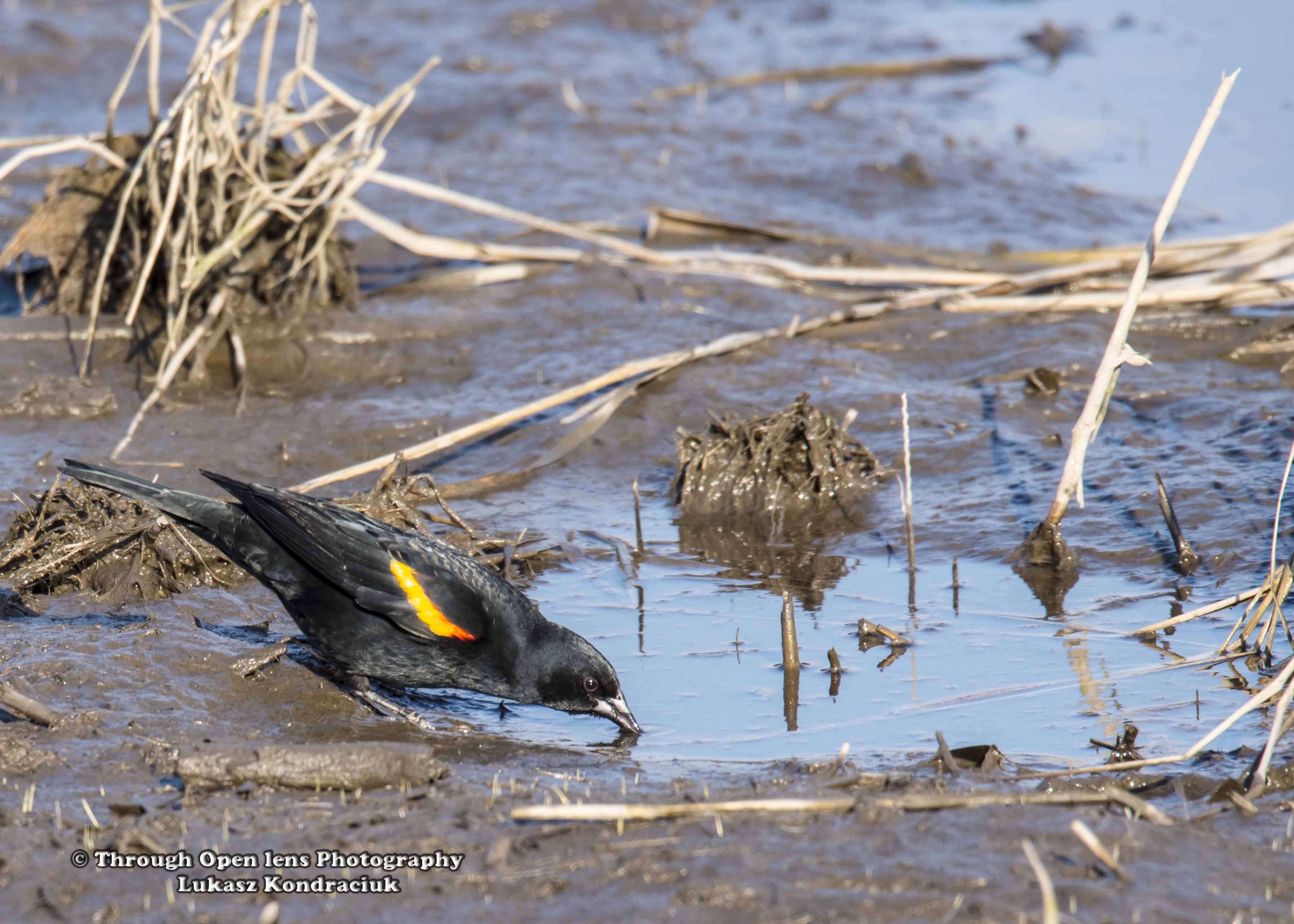
Thirsty Thursday!

Red-winged Blackbird

F/9.0, 1/320, ISO 320.

Red-winged Blackbird

Where does a blackbird go for a drink?

To a crow bar.

Interesting Fact: The Red-winged Blackbird is a highly polygynous species, meaning males have many female mates – up to 15 in some cases. In some populations 90 percent of territorial males have more than one female nesting on their territories. But all is not as it seems: one-quarter to one-half of nestlings turn out to have been sired by someone other than the territorial male. ( https://www.allaboutbirds.org/guide/Red-winged_Blackbird/lifehistory )

Don’t Lose Hope When The Sun Goes Down The Stars Come Out

sunset

F/13.0, 1/640, ISO 320.

Some people can tell what time it is by looking at the sun.

But I have never been able to make out the numbers.

Interesting Fact: Sunset colors are typically more brilliant than sunrise colors, because the evening air contains more particles than morning air. ( https://en.wikipedia.org/wiki/Sunset#Historically )


Don’t Stick Your Beak Where It Doesn’t Belong

Ring-billed Gull

F/9.0, 1/200, ISO 100.

Ring-billed Gull

What do you get when you cross a bird and a lawn mower?

Shredded tweet.

Interesting Fact: Many, if not most, Ring-billed Gulls return to breed at the colony where they hatched. Once they have bred, they are likely to return to the same breeding spot each year, often nesting within a few meters of the last year’s nest site. Many individuals return to the same wintering sites each winter too.  ( https://www.allaboutbirds.org/guide/Ring-billed_Gull/lifehistory )

Unless You Spread Your Wings, You’ll Never Know How High You Can Fly!

Mallard wings

F/6.3, 1/640, ISO 200.

Mallard

What says “Quick, Quick”?

A duck with the hiccups.

Interesting Fact: The standard duck’s quack is the sound of a female Mallard. Males don’t quack; they make a quieter, rasping sound. ( https://www.allaboutbirds.org/guide/Mallard/lifehistory )

The Cold Never Bothered Me Anyway

Mallard

F/ 6.0, 1/500, ISO 200.

Mallard

What is a duck’s favorite TV show ?

The feather forecast !

Interesting Fact: Mallard pairs are generally monogamous, but paired males pursue females other than their mates. So-called “extra-pair copulations” are common among birds and in many species are consensual, but male Mallards often force these copulations, with several males chasing a single female and then mating with her. ( https://www.allaboutbirds.org/guide/Mallard/lifehistory )

Hang Out With Me!

Black-Capped Chickadee

F/6.3, 1/500, ISO 400.

Black-Capped Chickadee

What did one chicken say to the other after they walked through poison ivy ?

“You scratch my beak and I’ll scratch yours !”

Interesting Fact: The Black-Capped Chickadee hides seeds and other food items to eat later. Each item is placed in a different spot and the chickadee can remember thousands of hiding places. ( https://www.allaboutbirds.org/guide/Black-capped_Chickadee/lifehistory )