I Can See My Nest From Here!

Osprey

F/10.0, 1/400, ISO 500.

Osprey

What do you get when a chicken lays an egg on top of a barn?

An eggroll!

Interesting Fact: Ospreys are excellent anglers. Over several studies, Ospreys caught fish on at least 1 in every 4 dives, with success rates sometimes as high as 70 percent. The average time they spent hunting before making a catch was about 12 minutes—something to think about next time you throw your line in the water. ( https://www.allaboutbirds.org/guide/Osprey/lifehistory )

Quack Off!!!

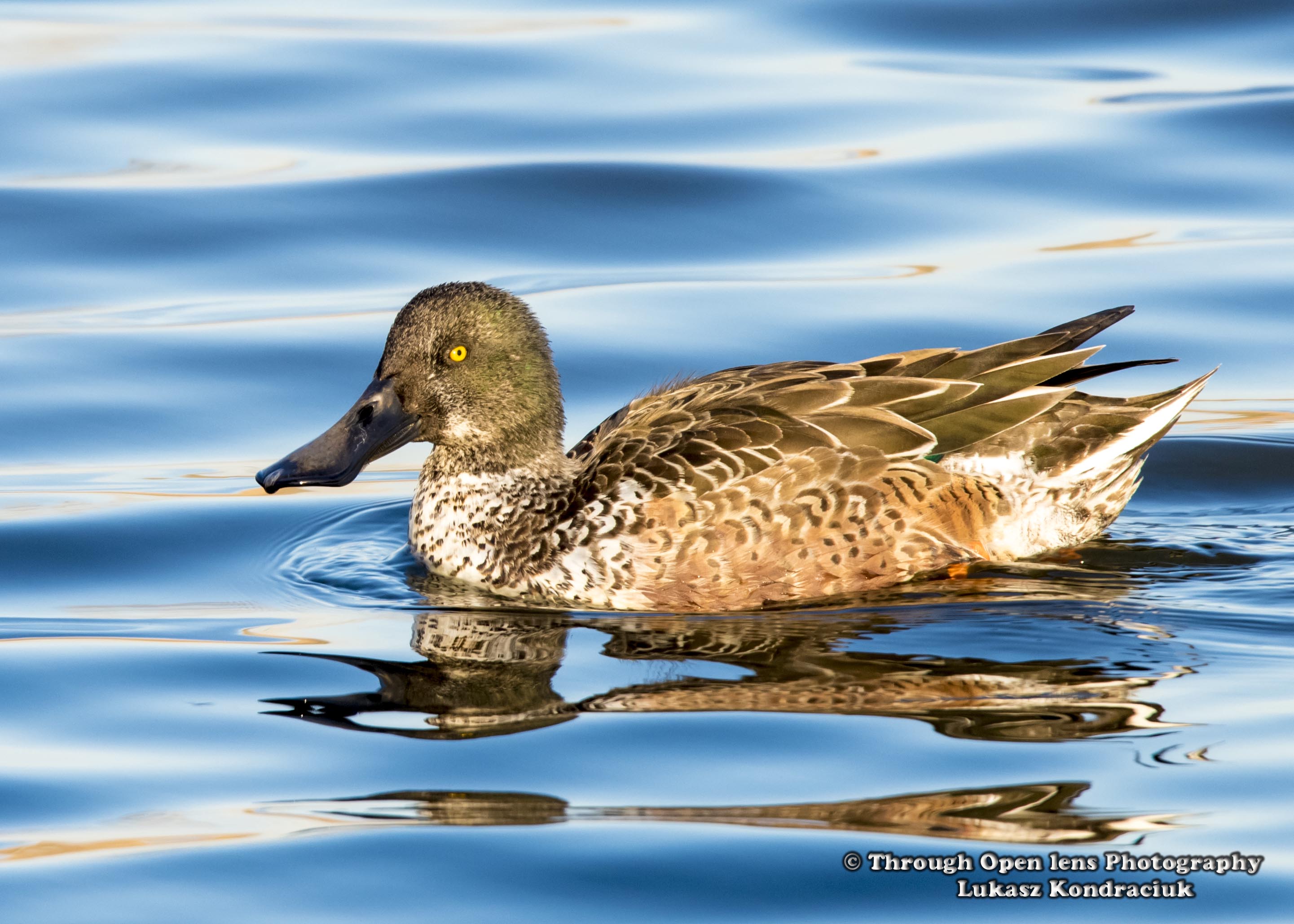
Northern Shoveler

F/10.0, 1/400, ISO 400.

Northern Shoveler

What do you get when a duck bends over?

It’s Buttquack

Interesting Fact: When flushed off the nest, a female Northern Shoveler often defecates on its eggs, apparently to deter predators. ( https://www.allaboutbirds.org/guide/Northern_Shoveler/lifehistory )

Arguing Isn’t Communication , It’s Noise!

Monk Parakeets

F/7.1, 1/250, ISO 100.

Monk Parakeets

One day a man goes to a pet shop to buy a parrot. The assistant takes the man to the parrot section and asks the man to choose one. The man asks, ”How much is the yellow one?”
The assistant says, ”
2000.” The man is shocked and asks the assistant why it’s so expensive. The assistant explains, ”This parrot is a very special one. He knows typewriting and can type really fast.”
”What about the green one?” the man asks.
The assistant says, ”He costs
5000 because he knows typewriting and can answer incoming telephone calls and takes notes.”
”What about the red one?” the man asks.
The assistant says, ”That one’s
10,000.”
The man says, ”What does HE do?”
The assistant says, ”I don’t know, but the other two call him boss.”

Interesting Fact: Monk parakeets are the only member of the parrot family to build stick nests and to nest colonially. Their bulky nests provide a year-round home for the colony. The insulation these nests provide may be one reason why Monk Parakeets are able to survive cold winters. A single nest structure typically contains up to 20 nest chambers, and in extreme cases can house more than 200 nests. ( https://www.allaboutbirds.org/guide/Monk_Parakeet/lifehistory )

I Like To Watch What I Eat

Cooper’s Hawk 1

F/9.0. 1/320, ISO 320.

Cooper’s Hawk

On which side does a hawk have the most feathers?

On the outside.

Interesting Fact: Life is tricky for male Cooper’s Hawks. As in most hawks, males are significantly smaller than their mates. The danger is that female Cooper’s Hawks specialize in eating medium-sized birds. Males tend to be submissive to females and to listen out for reassuring call notes the females make when they’re willing to be approached. Males build the nest, then provide nearly all the food to females and young over the next 90 days before the young fledge. ( https://www.allaboutbirds.org/guide/Coopers_Hawk/lifehistory )

Stay Fly!

Bald Eagle ( Juvenile )

F/11.0,1/500, ISO 320.

Bald Eagle ( Juvenile )

How does a eagle greet the its prey in the water ?

“Pleased to eat you.”

Interesting Fact: Rather than do their own fishing, Bald Eagles often go after other creatures’ catches. A Bald Eagle will harass a hunting Osprey until the smaller raptor drops its prey in midair, where the eagle swoops it up. A Bald Eagle may even snatch a fish directly out of an Osprey’s talons. Fishing mammals (even people sometimes) can also lose prey to Bald Eagle piracy. See an example here. ( https://www.allaboutbirds.org/guide/Bald_Eagle/lifehistory )

I Have A Very Particular Set Of Skills To Find You

Merlin

F/11.0, 1/500, ISO 250.

Merlin

Two birds in a tree looking down on a man washing his car.
“If he doesn’t hurry up and finish,” says one bird to the
other, “I’ll poop myself.”

Interesting Fact: Merlins don’t build their own nests. Instead, they take over the old nests of other raptors or crows. They also use magpie nests, sometimes laying eggs right on top of the nest’s dome rather than inside the cavity. ( https://www.allaboutbirds.org/guide/Merlin/lifehistory )

This Way To The Airport, We Flying South!

Wild Turkeys

F/6.3, 1/125, ISO 320.

Wild Turkeys  

A lady was picking through the frozen turkeys at the grocery store, but couldn’t find one big enough for her family. She asked the stock boy, ‘Do these turkeys get any bigger?’

The stock boy answered, ‘No ma’am, they’re dead.’

Interesting Fact: When they need to, Turkeys can swim by tucking their wings in close, spreading their tails, and kicking. ( https://www.allaboutbirds.org/guide/Wild_Turkey/lifehistory )

Okay, Don’t Make Any Sudden Moves. Hop Inside My Mouth… If You Want To Live.

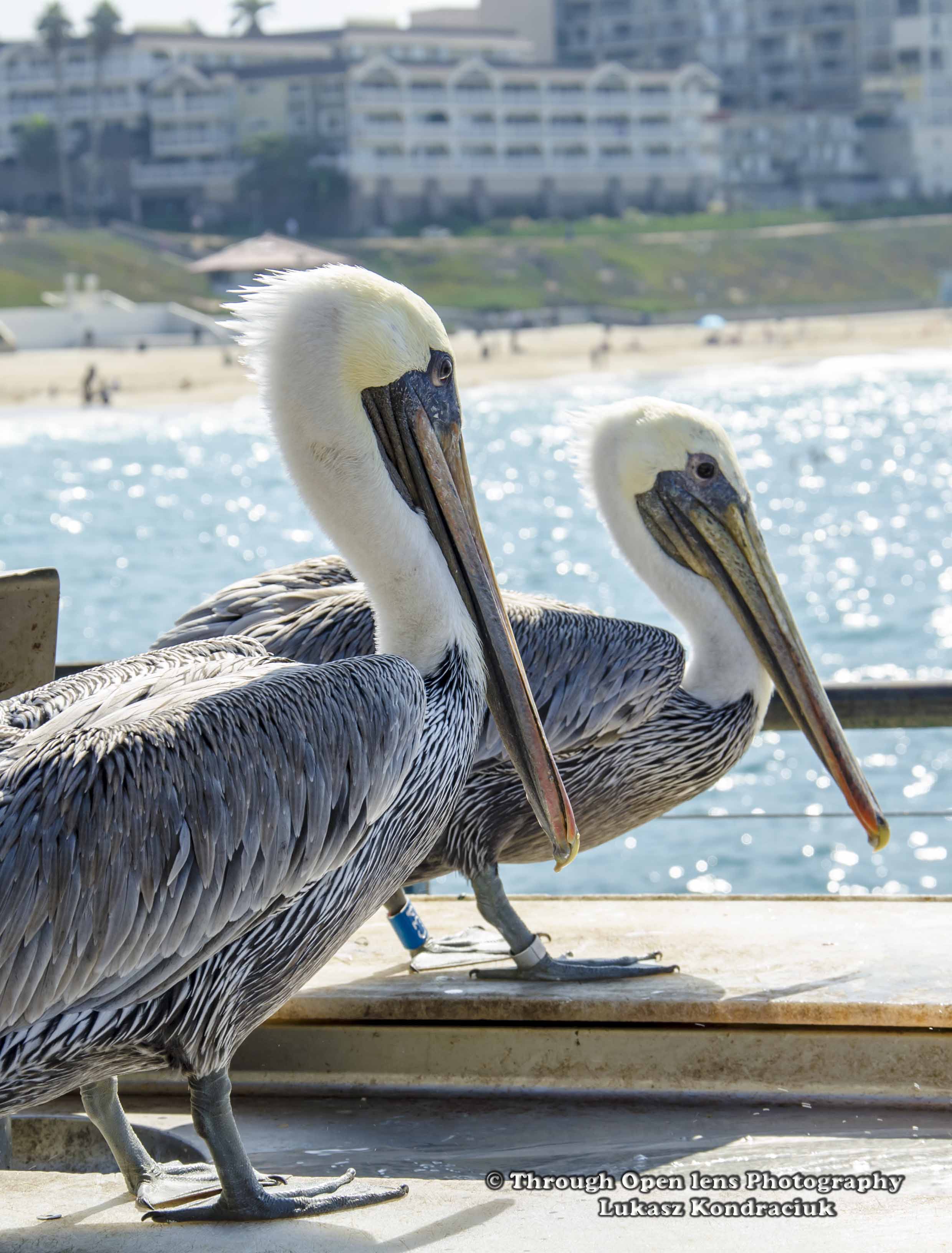
Brown Pelicans

F/8.0, 1/250, ISO 100.

Brown Pelicans

California Week Two 

Why was the pelican kicked out of the hotel?

Because he had a big bill!

Interesting Fact: While the Brown Pelican is draining the water from its bill after a dive, gulls often try to steal the fish right out of its pouch—sometimes while perching on the pelican’s head. Pelicans themselves are not above stealing fish, as they follow fishing boats and hang around piers for handouts. ( https://www.allaboutbirds.org/guide/Brown_Pelican/lifehistory )

Reverse Mohawk Is In!

Elegant Tern

F/5.6, 1/500, ISO 220.

Elegant Tern

California Week Two 

A sailor trying to sneak back to his ship about 3 o’clock in the morning was spotted by a chief petty officer who ordered him to explain his tardiness. The lame explanation didn’t work. “Take this broom and sweep every link on this anchor chain by morning or it’s the brig for you,” the chief said. The sailor began to sweep, but a tern landed on the broom handle and he couldn’t continue. He yelled at the bird, but it didn’t budge. He finally plucked it off the broom and gave it a toss. But the bird came right back and again landed on the handle. Over and over, the same routine was repeated. A toss, one sweep, and the bird was back. When morning came, the chief also was back. “What have you been doing all night? This chain is no cleaner than when you started!” “Honest, chief,” said the sailor, “I tossed a tern all night and couldn’t sweep a link.”

Interesting Fact: Unlike some of the smaller white terns, it is not very aggressive toward potential predators, relying on the sheer density of the nests and nesting close to other more aggressive species such as Heermann’s Gulls to avoid predation. ( http://identify.whatbird.com/obj/467/_/Elegant_Tern.aspx )