Welcome To The Thunderdome!

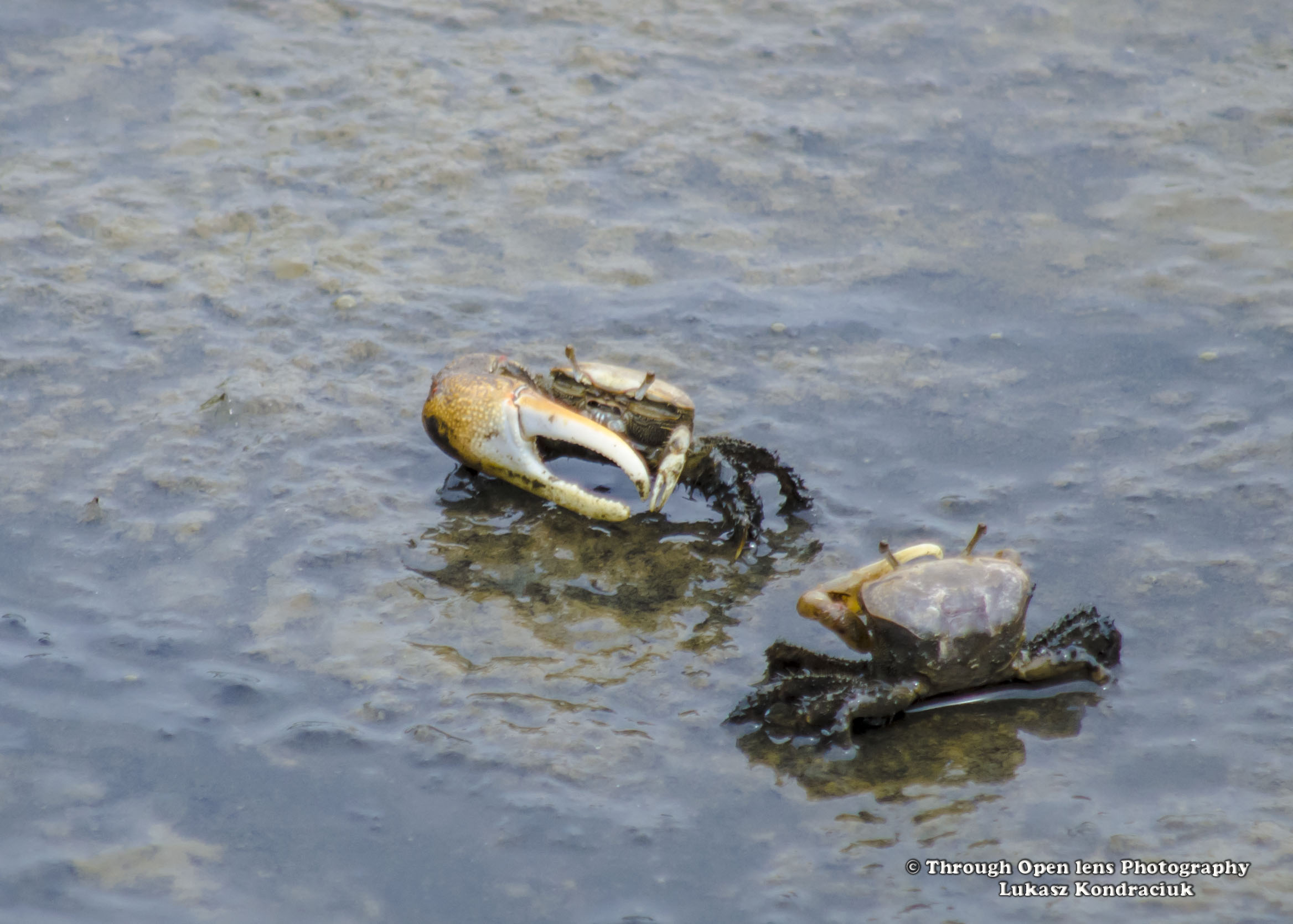
Fiddler crabs

F/5.6, 1/500, ISO 220.

Fiddler crabs

A lonely female crab was walking down the beach one evening when she noticed a male crab coming toward her—but he was walking straight and not sideways!
Impressed by his talent, she decided to marry him immediately.
The next morning she noticed him walking sideways like any ordinary crab! She asked, “What happened? Yesterday you were able to walk straight!”
He answered “What?! I can’t get that drunk every day!”.

Interesting Fact: Male versus male competition also occurs as fighting with the major claws.[9] If a male loses his larger claw, the smaller one will begin to grow larger and the lost claw will regenerate into a new (small) claw. For at least some species of fiddler crabs, however, the small claw remains small, while the larger claw regenerates over a period of several molts, being about half its former size after the first molt. The female fiddler carries her eggs in a mass on the underside of her body. She remains in her burrow during a two week gestation period, after which she ventures out to release her eggs into the receding tide. The larvae remain planktonic for a further two weeks.  ( https://en.wikipedia.org/wiki/Fiddler_crab#Life_cycle )
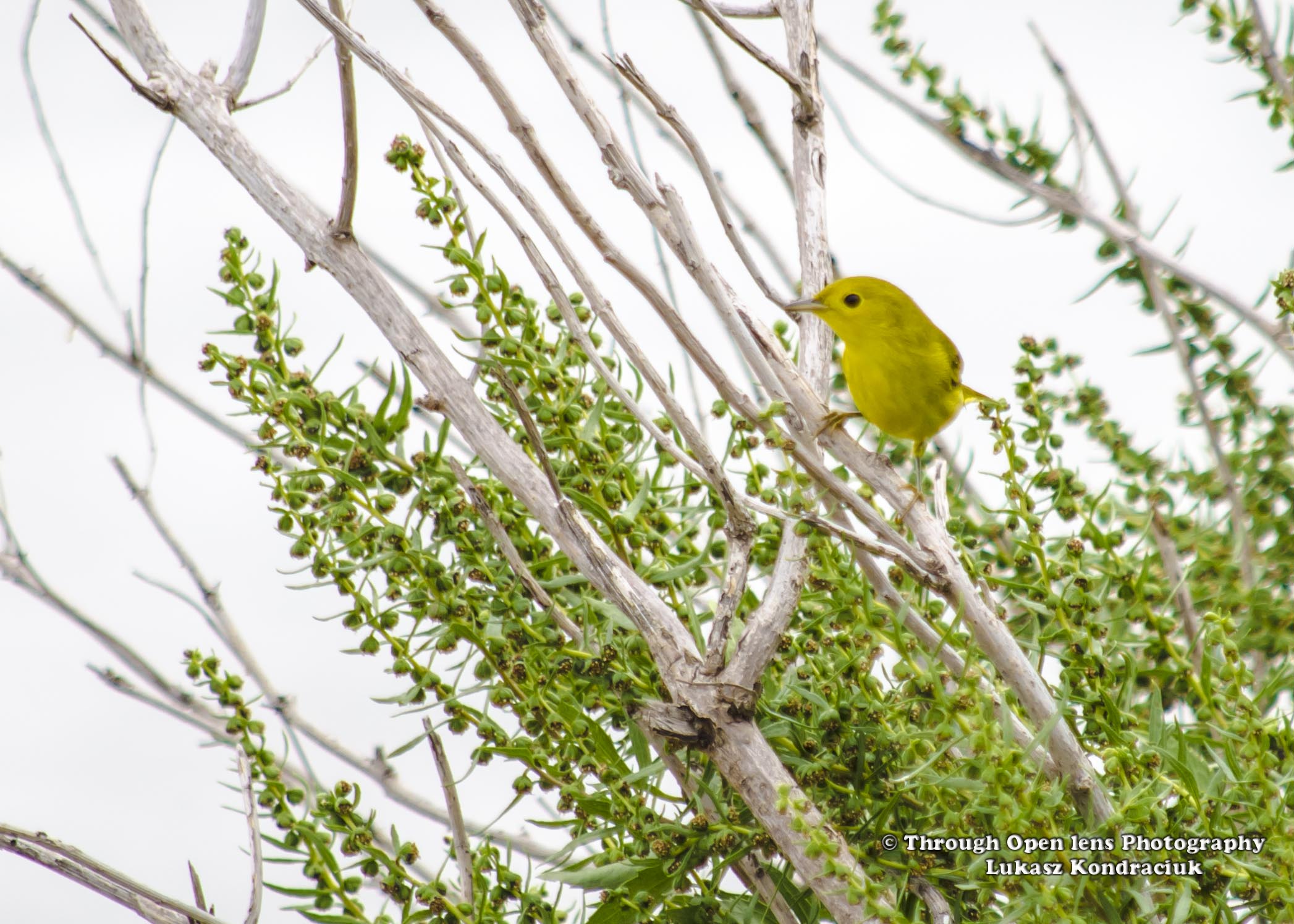
They Call Me Mellow Yellow

Yellow Warbler

F/ 6.3, 1/640, ISO 200.

Yellow Warbler

A lady went to a pet shop.
“I’d like to buy two yellow canaries,” she told the owner.
“We don’t have any canaries, but we have these,” the owner
said, as he showed the lady some pale green parakeets.
“That’s not what I’m looking for,” the lady stated.
But the pet store owner refused to give up. He said, “Just
think of them as yellow canaries that aren’t quite ripe yet.”

Interesting Fact: Life can be dangerous for a small bird. Yellow Warblers have occasionally been found caught in the strands of an orb weaver spider’s web. ( https://www.allaboutbirds.org/guide/Yellow_Warbler/lifehistory )

Come On In The Water Is Fine

Semipalmated Plover

F/6.3, 1/640, ISO 200.

Semipalmated Plover

Why do birds in a nest always agree?

Because they don’t want to fall out.

Interesting Fact: The Semipalmated Plover has been seen to swim short distances across small water channels during foraging while on migration. Chicks also swim short distances to follow parents to small islets on shallow lakes. ( https://www.allaboutbirds.org/guide/Semipalmated_Plover/lifehistory )


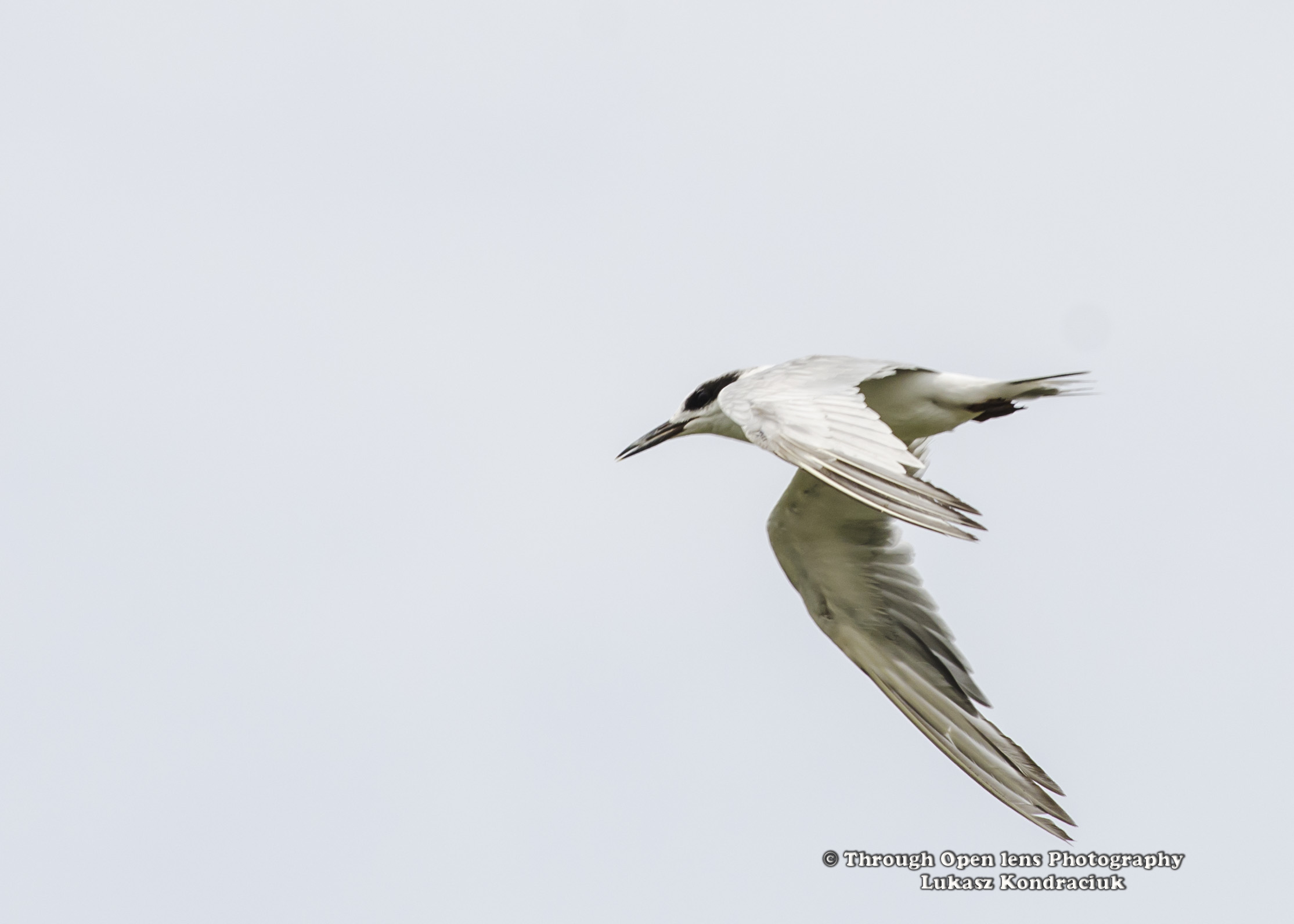
Tern It Up!

Forster's Tern

F/8.0, 1/1000, ISO 200.

Forster’s Tern

What did the bird say when her boyfriend bought her the wrong perfume?

Cheep cheep!

Interesting Fact: Forster’s Tern is the only tern restricted almost entirely to North America throughout the year. ( https://www.allaboutbirds.org/guide/Forsters_Tern/lifehistory )

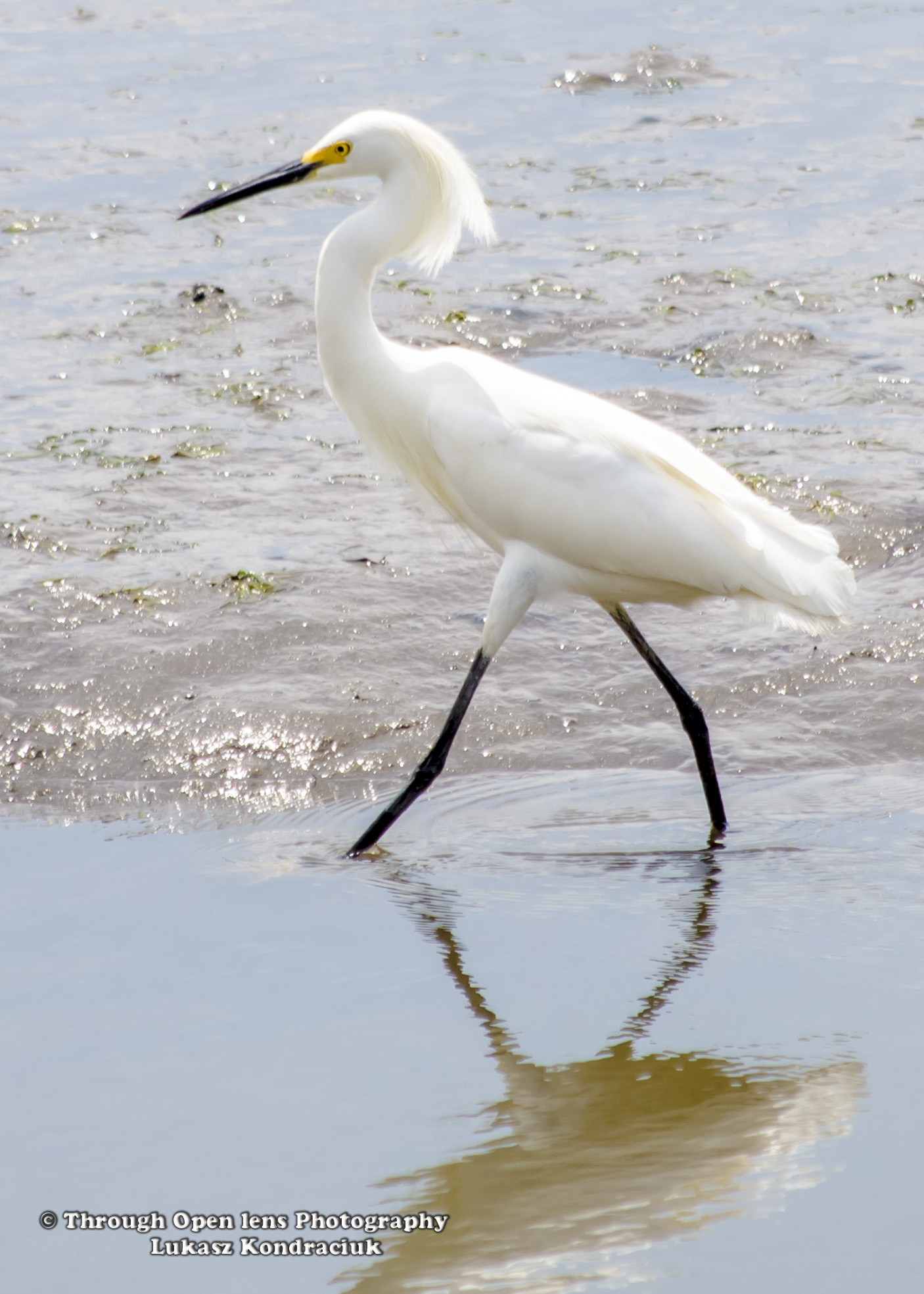
Walk With Purpose!

Snowy Egret

F/5.6 , 1/500, ISO 200.

Snowy Egret

Knock! Knock!

Who’s there?

Dozen.

Dozen who?

Dozen anyone want to let me in?

Interesting Fact: Male and female Snowy Egrets take turns incubating their eggs. As one mate takes over for the other, it sometimes presents a stick, almost as if passing a baton. Both parents continue caring for the young when they hatch. ( https://www.allaboutbirds.org/guide/Snowy_Egret/lifehistory )

I Bench Press Everyday!

House Finch 1

F/10.0, 1/320, ISO 400.

House Finch

What do you call a T-Rex that can bench press 2 tons?

Tyranosaurus-pecs! 

Interesting Fact: House Finches feed their nestlings exclusively plant foods, a fairly rare occurrence in the bird world. Many birds that are vegetarians as adults still find animal foods to keep their fast-growing young supplied with protein. ( https://www.allaboutbirds.org/guide/House_Finch/lifehistory )

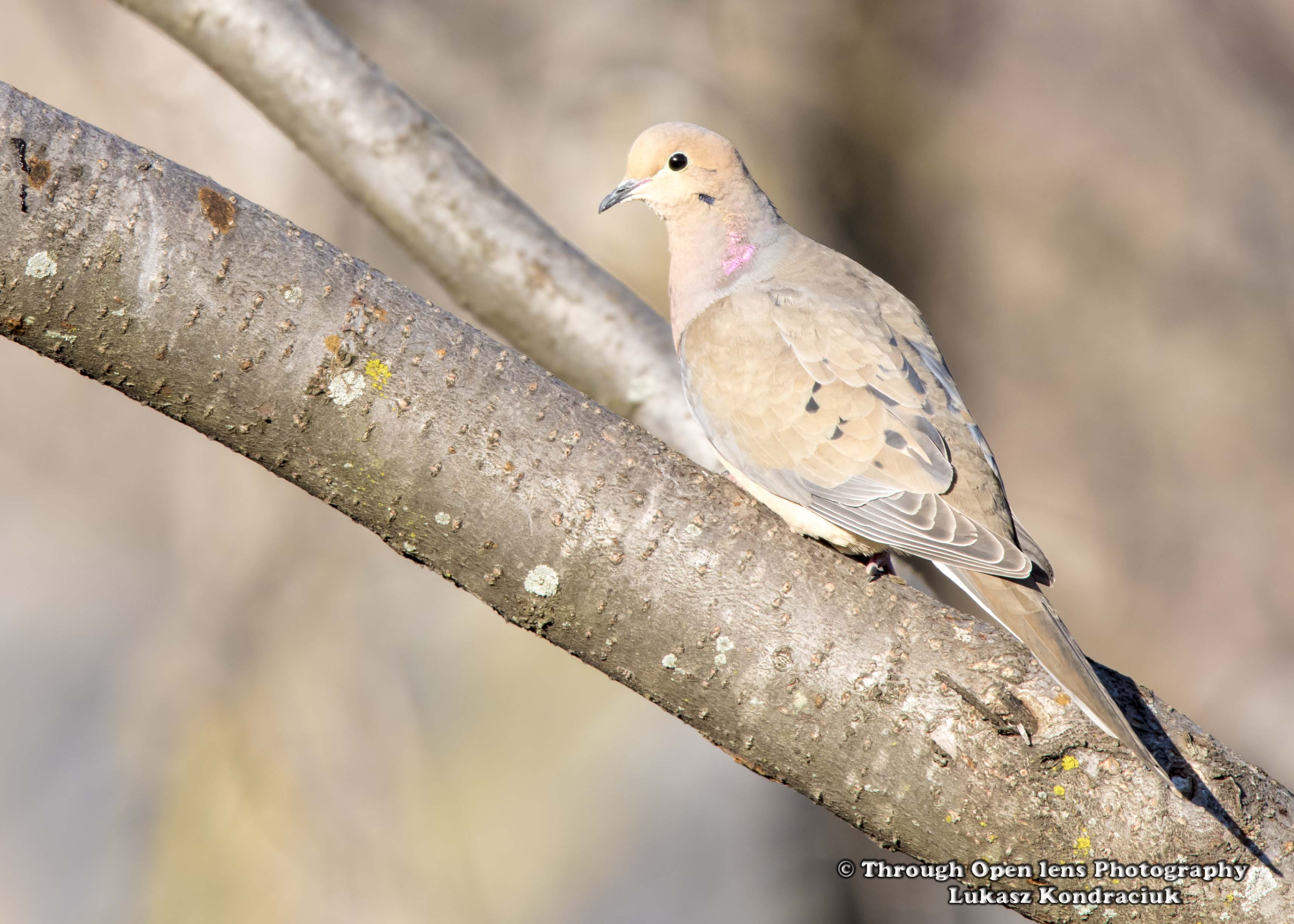
I Will Meet You In The Morning

Mourning Dove

F/9.0, 1/320, ISO 320.

Mourning Dove

What soap do birds use?

Dove.

Interesting Fact: Mourning Doves tend to feed busily on the ground, swallowing seeds and storing them in an enlargement of the esophagus called the crop. Once they’ve filled it (the record is 17,200 bluegrass seeds in a single crop!), they can fly to a safe perch to digest the meal. ( https://www.allaboutbirds.org/guide/Mourning_Dove/lifehistory )

Splash Off!

American Black Duck

F/9.0, 1/320, ISO 320.

American Black Duck

Two monsters went duck-hunting with their dogs but without success. “I know what we’re doing wrong,” said the first one. “What’s that then?” asked the second. “We’re not throwing the dogs high enough!”

Interesting Fact: The colors of the bill and legs are used to determine their age and sex. These differences led to an earlier belief that there were two subspecies, a northern, red-legged race, and a southern “common” one. ( http://identify.whatbird.com/obj/392/overview/American_Black_Duck.aspx )

Happy Easter To Everybunny!

Cottontail Rabbit

F/5.6, 1/250, ISO 400.

Cottontail Rabbit

What do you call a bunny with a large brain?

An egghead.

Interesting Fact: They browse at night on grasses and herbs and are fond of garden fare such as peas and, of course, lettuce. In winter, their diet becomes a bit coarse and consists of bark, twigs, and buds. During the day, cottontails often remain hidden in vegetation. If spotted, they flee from prey with a zigzag pattern, sometimes reaching speeds of up to 18 miles (29 kilometers) an hour. ( http://animals.nationalgeographic.com/animals/mammals/cottontail-rabbit/ )

Where flowers bloom, so does hope.

Crocus

F/8.0, 1/250, IOS 320.

Crocus

What did the big flower say to the little one?

You’re really growing, bud!

Interesting Fact: The first crocus seen in the Netherlands, where crocus species are not native, were from corms brought back in the 1560s from Constantinople by the Holy Roman Emperor’s ambassador to the Sublime Porte, Ogier Ghiselin de Busbecq. A few corms were forwarded to Carolus Clusius at the botanical garden in Leiden. By 1620, the approximate date of Ambrosius Bosschaert‘s painting (illustration, below), new garden varieties had been developed, such as the cream-colored crocus feathered with bronze at the base of the bouquet, similar to varieties still on the market. Bosschaert, working from a preparatory drawing to paint his composed piece spanning the whole of spring, exaggerated the crocus so that it passes for a tulip, but its narrow, grass-like leaves give it away. ( https://en.wikipedia.org/wiki/Crocus#History )