Come On In The Water Is Fine

Semipalmated Plover

F/6.3, 1/640, ISO 200.

Semipalmated Plover

Why do birds in a nest always agree?

Because they don’t want to fall out.

Interesting Fact: The Semipalmated Plover has been seen to swim short distances across small water channels during foraging while on migration. Chicks also swim short distances to follow parents to small islets on shallow lakes. ( https://www.allaboutbirds.org/guide/Semipalmated_Plover/lifehistory )


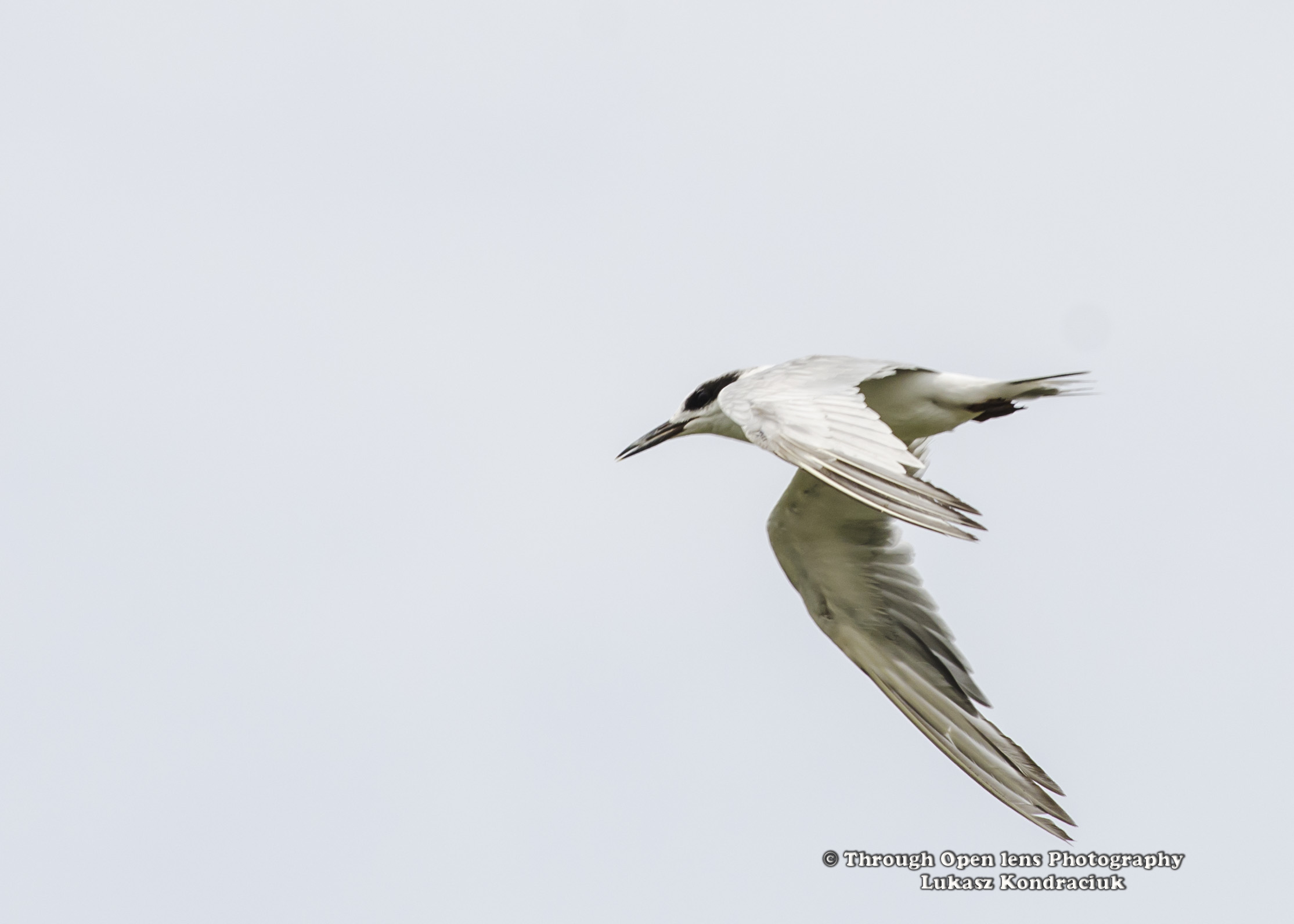
Tern It Up!

Forster's Tern

F/8.0, 1/1000, ISO 200.

Forster’s Tern

What did the bird say when her boyfriend bought her the wrong perfume?

Cheep cheep!

Interesting Fact: Forster’s Tern is the only tern restricted almost entirely to North America throughout the year. ( https://www.allaboutbirds.org/guide/Forsters_Tern/lifehistory )

Feed Me!

Heermann's Gull

F/7.1, 1/800, ISO 200.

Heermann’s Gull

If someone ever says, “What are you staring at?”

Say “I don’t know, give me a minute.”

Interesting Fact: The Heermann’s Gull, like many other gulls, frequently steals food from other birds. The Brown Pelican is a frequent victim. An adult Heermann’s Gull is most likely to try to steal food from an adult pelican, and an immature gull is more likely to steal from an immature pelican. ( https://www.allaboutbirds.org/guide/Heermanns_Gull/lifehistory )

And I Ran, I Ran So Far Away!

Sanderling

F/7.1, 1/800, ISO 200.

Sanderling

Did you hear about the race between the lettuce and the tomato?

The lettuce was a “head” and the tomato was trying to “ketchup”!

Interesting Fact: The Sanderling’s mating system varies from area to area and possibly from year to year. Sanderlings are usually monogamous, but in some cases the female breeds with multiple males in a row within a single breeding season. ( https://www.allaboutbirds.org/guide/Sanderling/lifehistory )

Quack Pack!

Harlequin Ducks

F/10.0, 1/400, ISO 400.

Harlequin Duck  

What do you call a crate of ducks?

A box of quackers!

Interesting Fact: Also called the Sea mouse because of its very unducklike squeaks. Other names include Circus duck or painted duck for its beautiful colors. ( http://identify.whatbird.com/obj/360/overview/Harlequin_Duck.aspx )

And Now My Beak Is Stuck!

Marbled Godwit

F/5.6, 1/500, ISO 200.

Marbled Godwit

Why does it take pirates so long to learn the alphabet?

Because they spend years at C!

Interesting Fact: It often inserts its entire bill into the mud, and its head is totally submerged at times. ( http://identify.whatbird.com/obj/251/overview/Marbled_Godwit.aspx )

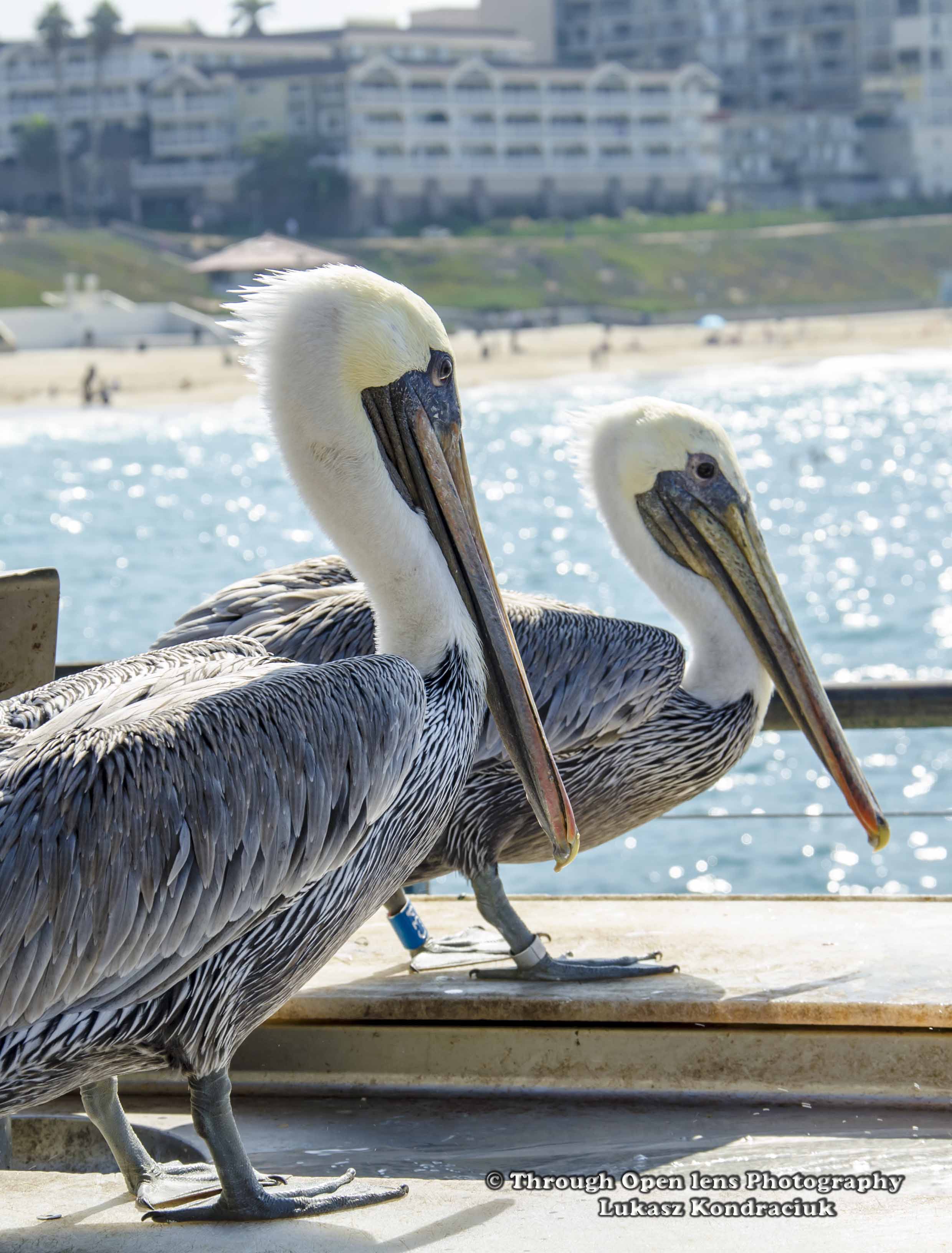
Okay, Don’t Make Any Sudden Moves. Hop Inside My Mouth… If You Want To Live.

Brown Pelicans

F/8.0, 1/250, ISO 100.

Brown Pelicans

California Week Two 

Why was the pelican kicked out of the hotel?

Because he had a big bill!

Interesting Fact: While the Brown Pelican is draining the water from its bill after a dive, gulls often try to steal the fish right out of its pouch—sometimes while perching on the pelican’s head. Pelicans themselves are not above stealing fish, as they follow fishing boats and hang around piers for handouts. ( https://www.allaboutbirds.org/guide/Brown_Pelican/lifehistory )

Reverse Mohawk Is In!

Elegant Tern

F/5.6, 1/500, ISO 220.

Elegant Tern

California Week Two 

A sailor trying to sneak back to his ship about 3 o’clock in the morning was spotted by a chief petty officer who ordered him to explain his tardiness. The lame explanation didn’t work. “Take this broom and sweep every link on this anchor chain by morning or it’s the brig for you,” the chief said. The sailor began to sweep, but a tern landed on the broom handle and he couldn’t continue. He yelled at the bird, but it didn’t budge. He finally plucked it off the broom and gave it a toss. But the bird came right back and again landed on the handle. Over and over, the same routine was repeated. A toss, one sweep, and the bird was back. When morning came, the chief also was back. “What have you been doing all night? This chain is no cleaner than when you started!” “Honest, chief,” said the sailor, “I tossed a tern all night and couldn’t sweep a link.”

Interesting Fact: Unlike some of the smaller white terns, it is not very aggressive toward potential predators, relying on the sheer density of the nests and nesting close to other more aggressive species such as Heermann’s Gulls to avoid predation. ( http://identify.whatbird.com/obj/467/_/Elegant_Tern.aspx )