Baby Let’s Fly Away

sunset flight

F/9.0, 1/1250, ISO 100.

A day without sunshine is like, well, night.

Interesting Fact: Neglecting atmospheric refraction and the Sun’s non-zero size, whenever and wherever sunset occurs, it is always in the northwest quadrant from the March equinox to the September equinox, and in the southwest quadrant from the September equinox to the March equinox. Sunsets occur almost exactly due west on the equinoxes for all viewers on Earth. Exact calculations of the azimuths of sunset on other dates are complex, but they can be estimated with reasonable accuracy by using the analemma. ( https://en.wikipedia.org/wiki/Sunset#Historically )

Go Away! I’m Really Focused Here

Great Blue Heron 3

F/7.1, 1/800, ISO 200.

Great Blue Heron

Two neighbors are talking to each other.
First neighbor: Do you know that my dog is so smart, he waits for the newspaper to drop at the doorstep and then delivers it to me?
Second neighbor: Of course, I know that very well.
First neighbor: Really, well then, how?
Second neighbor: My dog came and told me.

Interesting Fact: Great Blue Herons congregate at fish hatcheries, creating potential problems for the fish farmers. A study found that herons ate mostly diseased fish that would have died shortly anyway. Sick fish spent more time near the surface of the water where they were more vulnerable to the herons.  ( https://www.allaboutbirds.org/guide/Great_Blue_Heron/lifehistory )

Why Wasn’t I Casted In The “Angry Bird” Movie?!

Chipping Sparrow 1

F/9.0, 1/320, ISO 100.

Chipping Sparrow 

Bob: You know Tom, sometimes I don’t understand life.
Tom: What do you mean?
Bob: When we were a younger, we learnt to talk and to walk. At school, we always have to sit down and shut up…

Interesting Fact: In much of the West, Chipping Sparrows disperse shortly after breeding to move to areas with better food resources. It’s not unusual to see Chipping Sparrows on alpine tundra or along roadsides in open grasslands. This results in the common misperception that they bred in those areas, when really they simply moved there to molt. ( https://www.allaboutbirds.org/guide/Chipping_Sparrow/lifehistory )

Keep On Shining Bright! 

Fort Niagara Light

F/ 5.6, 1/400, ISO 100.

Fort Niagara Light

Did you hear about the lighthouse keeper’s daughter?

She never went out at night.

Interesting Fact: The lighthouse was established in 1782 atop the “French Castle”, a structure still located within Old Fort Niagara. The current tower was first lit in 1872, having been removed from the French Castle to allow for more room for officer’s quarters. The light was deactivated in 1996, having been replaced by a light beacon at the US Coast Guard Station Niagara. ( https://en.m.wikipedia.org/wiki/Fort_Niagara_Light )

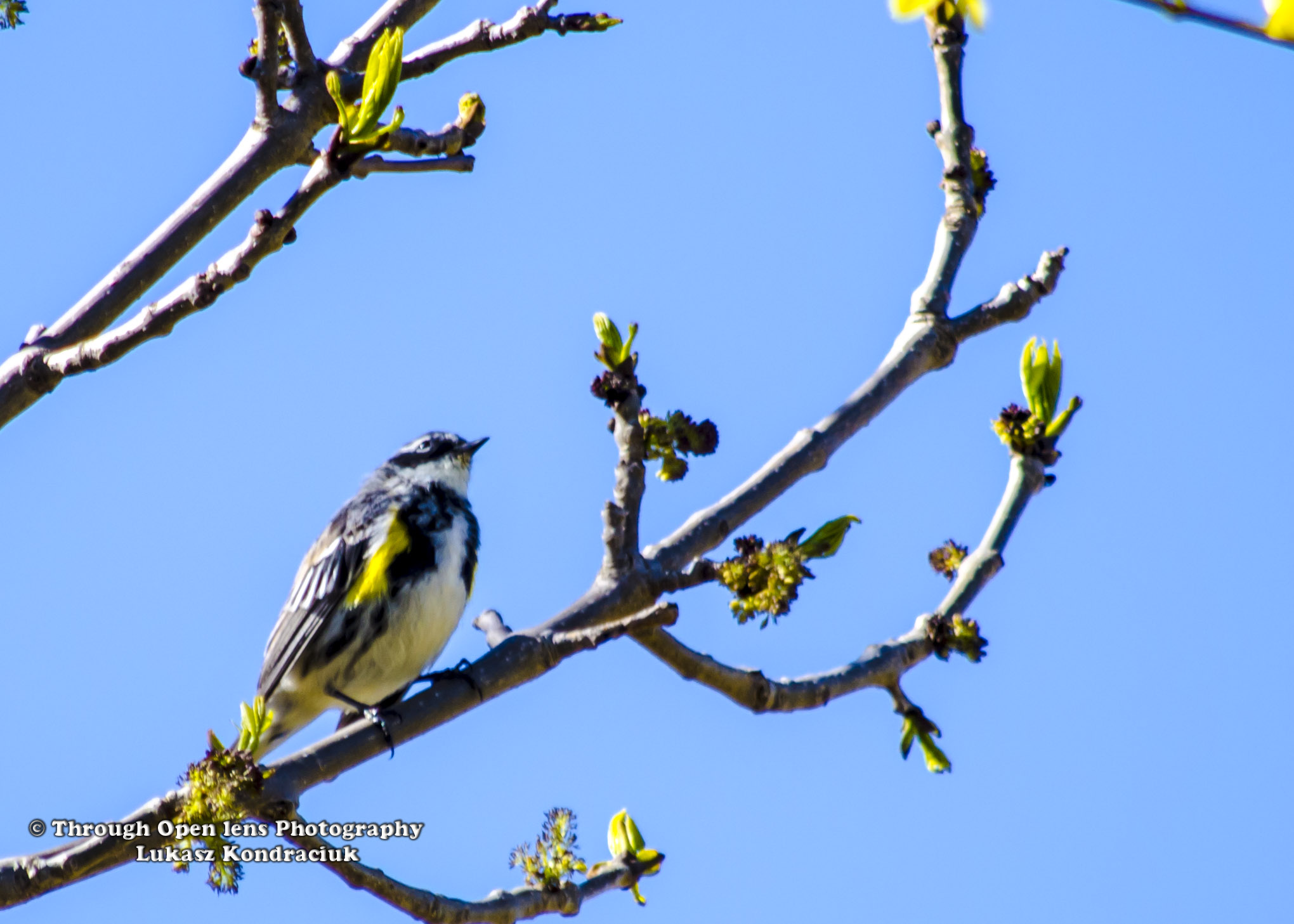
Come Visit My Branch

Magnolia Warbler

F/5.6, 1/400, ISO 100.

Magnolia Warbler

Two birds in a tree looking down on a man washing his car.

“If he doesn’t hurry up and finish,” says one bird to the 15other, “I’ll shit myself.”

Interesting Fact: Though it has very specific habitat preferences in the breeding season, the Magnolia Warbler occupies a very broad range of habitats in winter:  from sea level to 1,500 meters elevation, and most landscape types, except cleared fields. ( https://www.allaboutbirds.org/guide/Magnolia_Warbler/lifehistory )

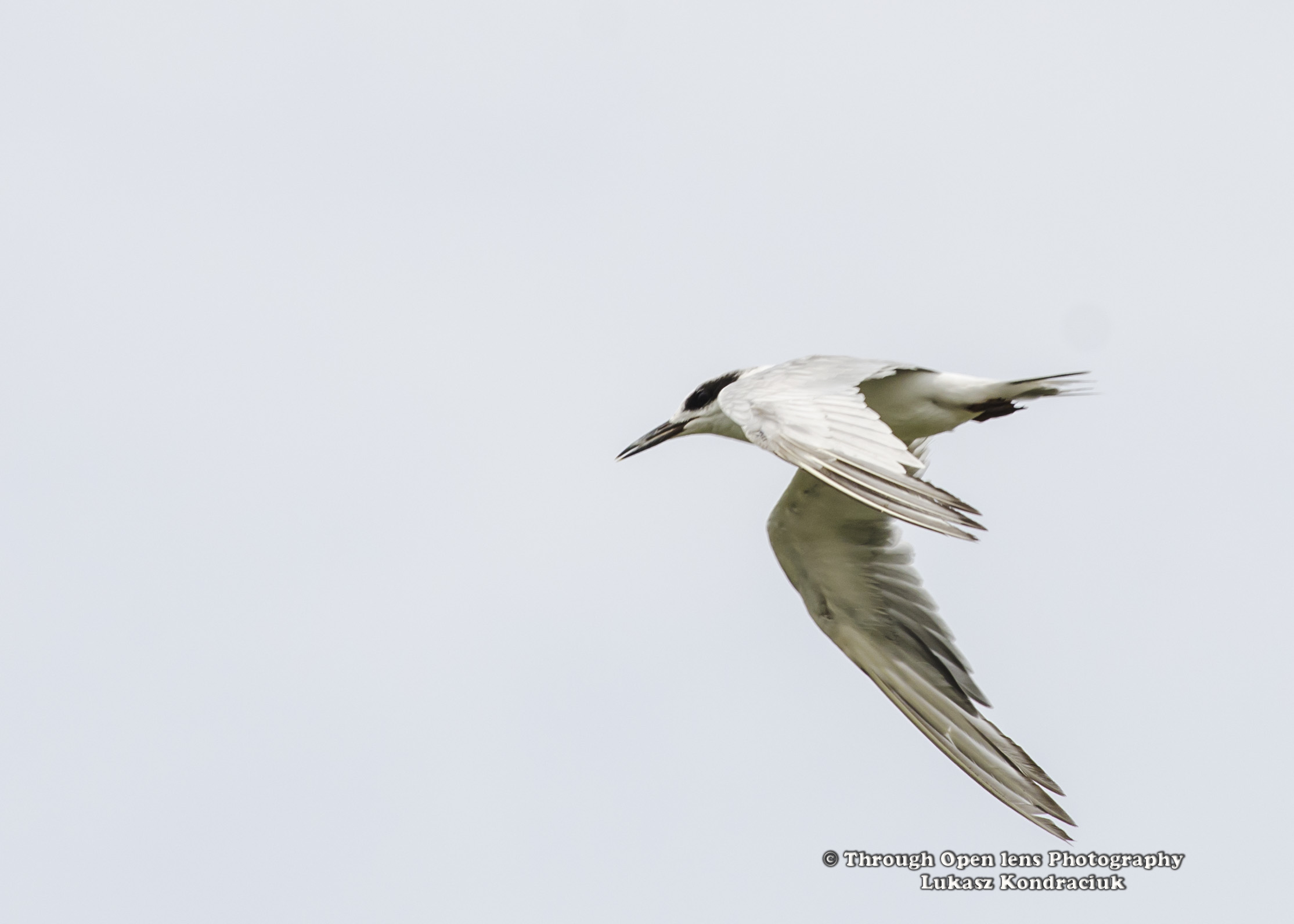
Tern It Up!

Forster's Tern

F/8.0, 1/1000, ISO 200.

Forster’s Tern

What did the bird say when her boyfriend bought her the wrong perfume?

Cheep cheep!

Interesting Fact: Forster’s Tern is the only tern restricted almost entirely to North America throughout the year. ( https://www.allaboutbirds.org/guide/Forsters_Tern/lifehistory )

Oops I Pierce The Sky!

Pierce The Sky

F/ 11.0, 1/500, ISO 100.

How much do pirates pay to get their ears pierced?

A Buccaneer!

Interesting Fact: In the field of astronomy, the sky is also called the celestial sphere. This is viewed from Earth’s surface as an imaginary dome where the sun, stars, planets, and the moon are seen to be traveling. The celestial sphere is conventionally divided into regions called constellations. Usually, the term sky is used informally as the point of view from the Earth’s surface; however, the meaning and usage can vary. In some cases, such as in discussing the weather, the sky refers to only the lower, more dense portions of the atmosphere. ( https://en.wikipedia.org/wiki/Sky )

I Need A Hug!

Common Tern 1

F/7.1, 1/800, ISO 200.

Common Tern

Knock! Knock!

Who’s there?

Lettuce.

Lettuce who?

Lettuce in already!

Interesting Fact: Common Terns living along the coast drink salt water. They do not seek fresh water even when it is available nearby. Like many seabirds, they have nasal glands that excrete the excess salt. ( https://www.allaboutbirds.org/guide/Common_Tern/lifehistory )

Hi I’m Steven, Steven SeaGull

Franklin's Gull

F/7.1, 1/800, ISO 200.

Franklin’s Gull

Why do sea-gulls fly over the sea?

Because if they flew over the bay they would be bagels!

Interesting Fact: The floating nest of the Franklin’s Gull gradually sinks as the material below the water surface decays, and it requires continual maintenance. Both parents add new nest material daily until one or two weeks before departing the colony. Older chicks also add nest material from the immediate vicinity of the nest. ( https://www.allaboutbirds.org/guide/Franklins_Gull/lifehistory )

I Bench Press Everyday!

House Finch 1

F/10.0, 1/320, ISO 400.

House Finch

What do you call a T-Rex that can bench press 2 tons?

Tyranosaurus-pecs! 

Interesting Fact: House Finches feed their nestlings exclusively plant foods, a fairly rare occurrence in the bird world. Many birds that are vegetarians as adults still find animal foods to keep their fast-growing young supplied with protein. ( https://www.allaboutbirds.org/guide/House_Finch/lifehistory )