Come On In The Water Is Fine

Semipalmated Plover

F/6.3, 1/640, ISO 200.

Semipalmated Plover

Why do birds in a nest always agree?

Because they don’t want to fall out.

Interesting Fact: The Semipalmated Plover has been seen to swim short distances across small water channels during foraging while on migration. Chicks also swim short distances to follow parents to small islets on shallow lakes. ( https://www.allaboutbirds.org/guide/Semipalmated_Plover/lifehistory )


And I Ran, I Ran So Far Away!

Sanderling

F/7.1, 1/800, ISO 200.

Sanderling

Did you hear about the race between the lettuce and the tomato?

The lettuce was a “head” and the tomato was trying to “ketchup”!

Interesting Fact: The Sanderling’s mating system varies from area to area and possibly from year to year. Sanderlings are usually monogamous, but in some cases the female breeds with multiple males in a row within a single breeding season. ( https://www.allaboutbirds.org/guide/Sanderling/lifehistory )

I Bench Press Everyday!

House Finch 1

F/10.0, 1/320, ISO 400.

House Finch

What do you call a T-Rex that can bench press 2 tons?

Tyranosaurus-pecs! 

Interesting Fact: House Finches feed their nestlings exclusively plant foods, a fairly rare occurrence in the bird world. Many birds that are vegetarians as adults still find animal foods to keep their fast-growing young supplied with protein. ( https://www.allaboutbirds.org/guide/House_Finch/lifehistory )

No. Stop Don’t SWALLOW That!

Tree Swallow

F/ 5.6, 1/500, ISO 125.

Tree Swallow

What do you call a chicken in the 1960’s?

A funky chicken.

Interesting Fact: Migrating and wintering Tree Swallows can form enormous flocks numbering in the hundreds of thousands. They gather about an hour before sunset and form a dense cloud above a roost site (such as a cattail marsh or grove of small trees), swirling around like a living tornado. With each pass, more birds drop down until they are all settled on the roost. ( https://www.allaboutbirds.org/guide/Tree_Swallow/lifehistory )

Why So Puffy?

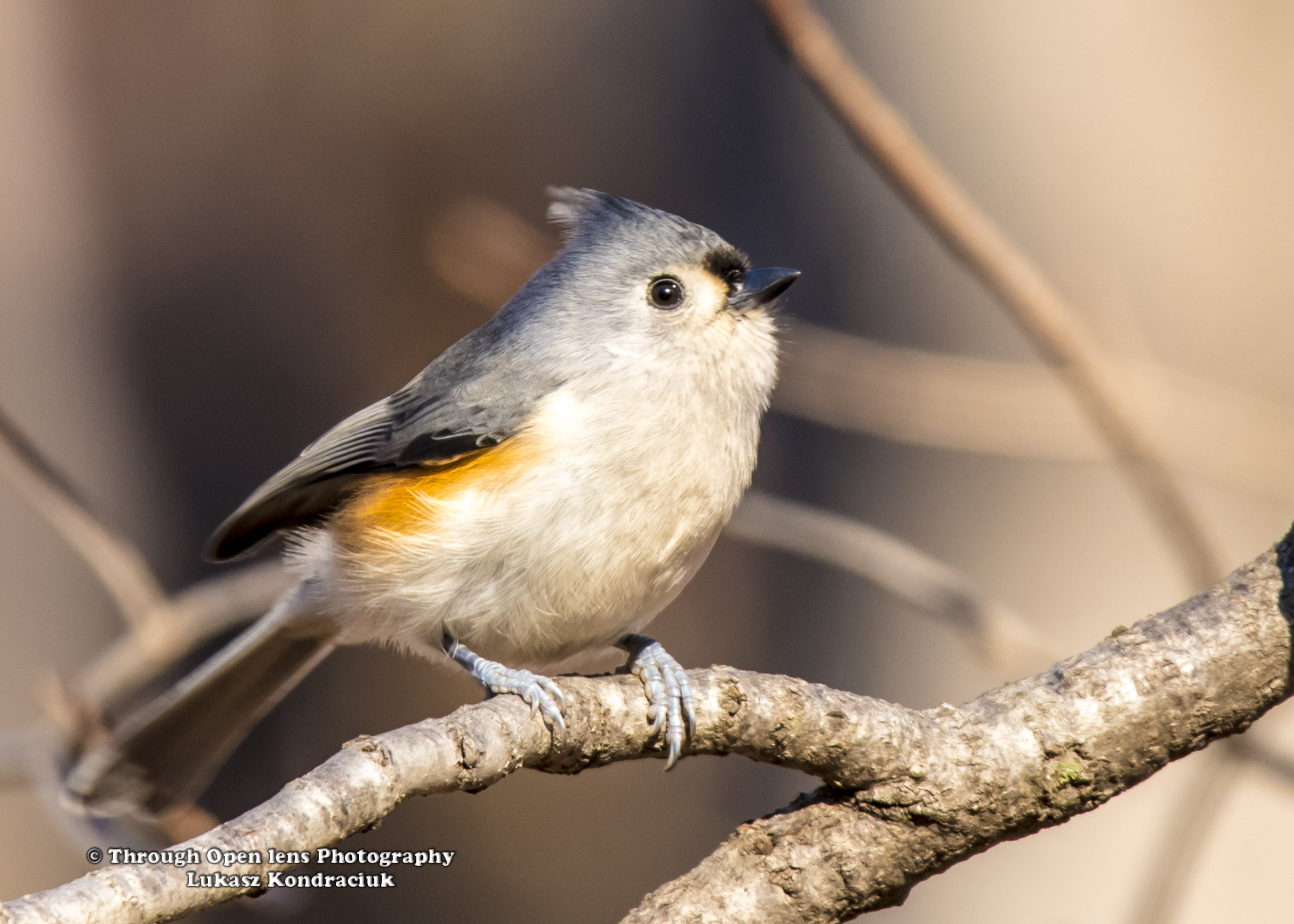
Tufted Titmouse 2

F/8.0, 1/250, ISO 320.

Tufted Titmouse

How many cans does it take to make a bird?

Two cans.

Interesting Fact:  Tufted Titmice nest in tree holes (and nest boxes), but they can’t excavate their own nest cavities. Instead, they use natural holes and cavities left by woodpeckers. These species’ dependence on dead wood for their homes is one reason why it’s important to allow dead trees to remain in forests rather than cutting them down. ( https://www.allaboutbirds.org/guide/Tufted_Titmouse/lifehistory )

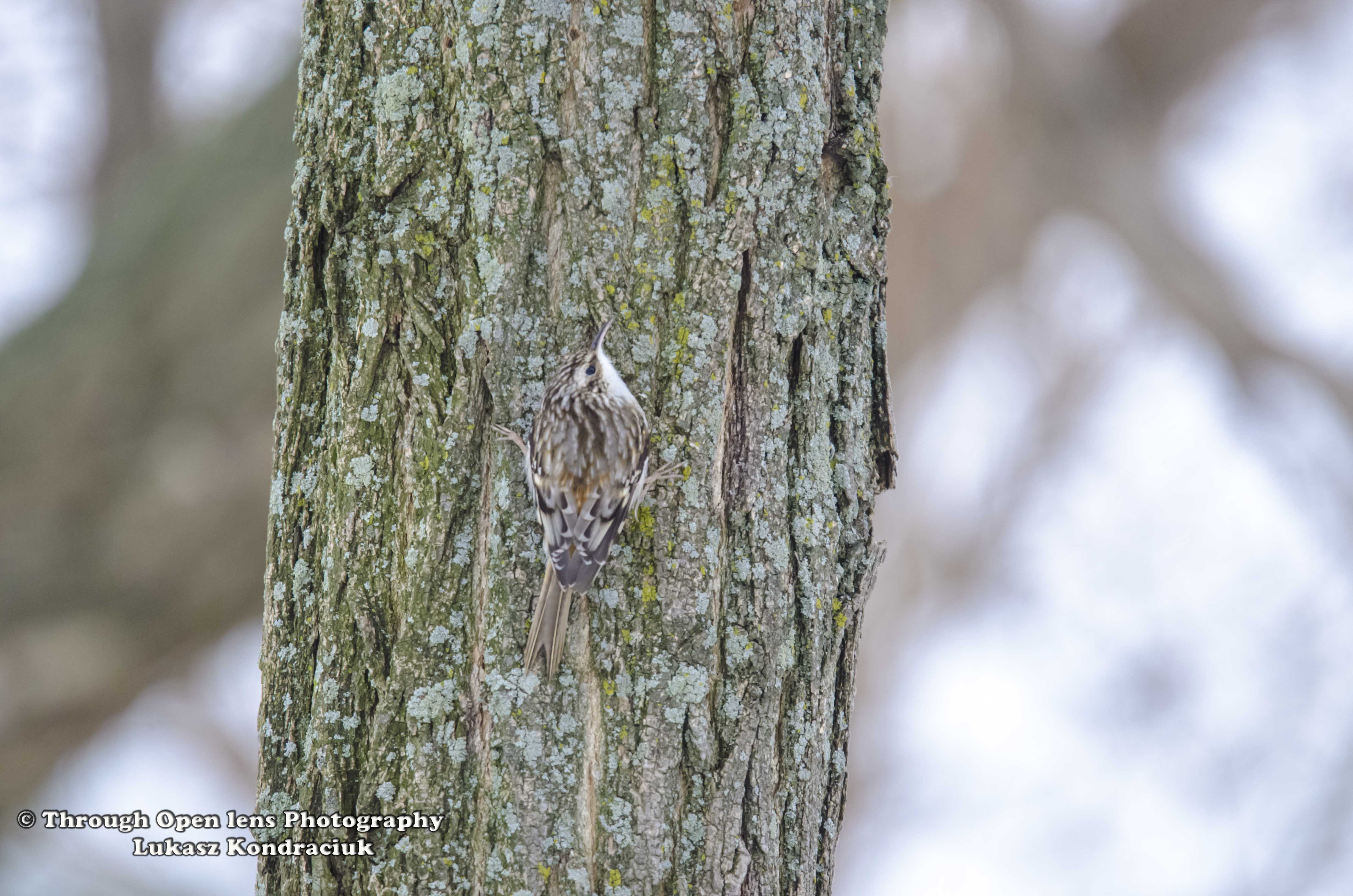
Spot Me If You Can!

Brown Creeper

F/6.3, 1/200, ISO 1600.

Brown Creeper

What do you call a bunch of chickens playing hide-and-seek?

Fowl play!

Interesting Fact: Brown Creepers burn an estimated 4–10 calories (technically, kilocalories) per day, a tiny fraction of a human’s daily intake of about 2,000 kilocalories. By eating a single spider, a creeper gains enough energy to climb nearly 200 feet vertically. ( https://www.allaboutbirds.org/guide/Brown_Creeper/lifehistory )

Peek A Boo!

White-breasted Nuthatch 1

F/ 6.3, 1/160, ISO 320.

White-breasted Nuthatch

What do you call a crazy chicken ?

A cuckoo cluck !

Interesting Fact: In winter, White-breasted Nuthatches join foraging flocks led by chickadees or titmice, perhaps partly because it makes food easier to find and partly because more birds can keep an eye out for predators. One study found that when titmice were removed from a flock, nuthatches were more wary and less willing to visit exposed bird feeders. ( https://www.allaboutbirds.org/guide/White-breasted_Nuthatch/lifehistory )

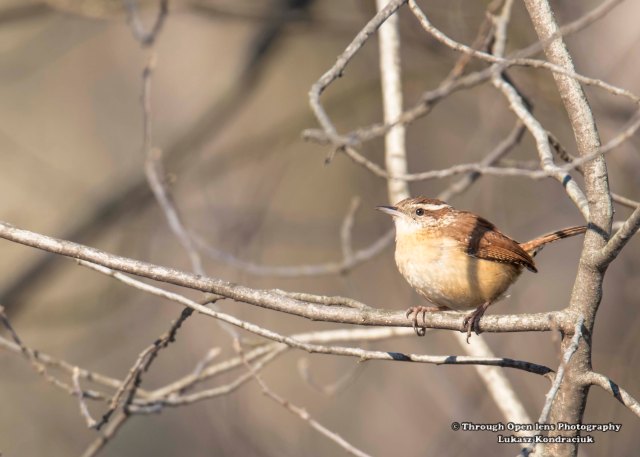
Catching Some Rays

Carolina Wren 1

F/8.0, 1/250, ISO 320.

Carolina Wren

Why did the bird join he air force?

He wanted to be a parrot trooper!

Interesting Fact: A pair bond may form between a male and a female at any time of the year, and the pair will stay together for life. Members of a pair stay together on their territory year-round, and forage and move around the territory together. ( https://www.allaboutbirds.org/guide/Carolina_Wren/lifehistory )

Branch Out To Something New

Tufted Titmouse 1

F/10.0, 1/400, ISO 320.

Tufted Titmouse

Why does a chicken coop have two doors ?

Because if had four doors it would be a chicken sedan!

Interesting Fact: Unlike many chickadees, Tufted Titmouse pairs do not gather into larger flocks outside the breeding season. Instead, most remain on the territory as a pair. Frequently one of their young from that year remains with them, and occasionally other juveniles from other places will join them. Rarely a young titmouse remains with its parents into the breeding season and will help them raise the next year’s brood. ( https://www.allaboutbirds.org/guide/Tufted_Titmouse/lifehistory )

I’d Climb The Highest Mountain

Dark-eyed Junco 1

F/11.0, 1/500, ISO 320.

Dark-eyed Junco 

How long do chickens work?

Around the cluck!

Interesting Fact: The Dark-eyed Junco is one of the most common birds in North America and can be found across the continent, from Alaska to Mexico, from California to New York. A recent estimate set the junco’s total population at approximately 630 million individuals.  ( https://www.allaboutbirds.org/guide/Dark-eyed_Junco/lifehistory )