Come On In The Water Is Fine

Semipalmated Plover

F/6.3, 1/640, ISO 200.

Semipalmated Plover

Why do birds in a nest always agree?

Because they don’t want to fall out.

Interesting Fact: The Semipalmated Plover has been seen to swim short distances across small water channels during foraging while on migration. Chicks also swim short distances to follow parents to small islets on shallow lakes. ( https://www.allaboutbirds.org/guide/Semipalmated_Plover/lifehistory )


Tern It Up!

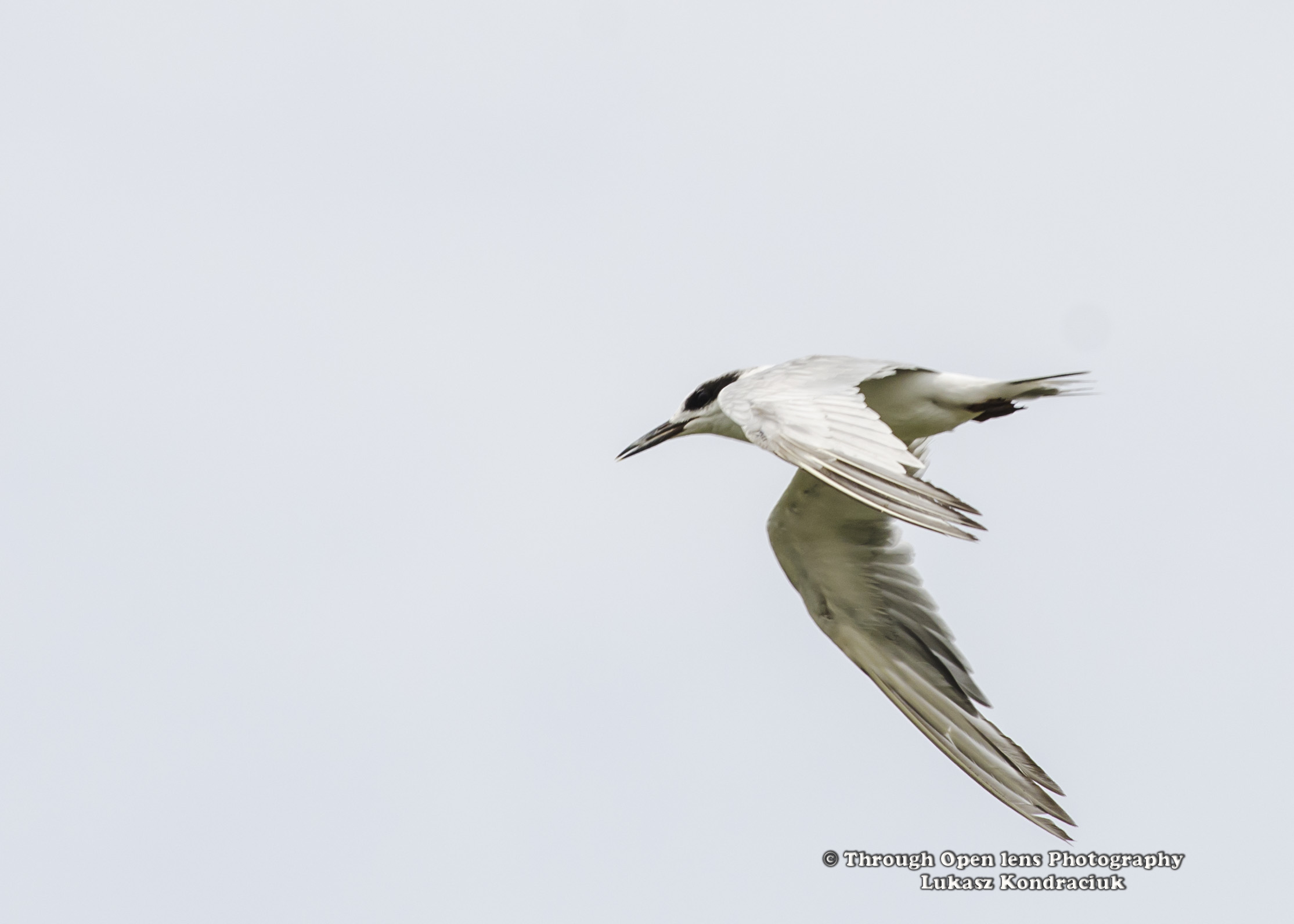
Forster's Tern

F/8.0, 1/1000, ISO 200.

Forster’s Tern

What did the bird say when her boyfriend bought her the wrong perfume?

Cheep cheep!

Interesting Fact: Forster’s Tern is the only tern restricted almost entirely to North America throughout the year. ( https://www.allaboutbirds.org/guide/Forsters_Tern/lifehistory )

Is This How You Do Locust Pose?

Red-Eared Slider Turtle

F/5.6, 1/400, ISO 100.

Red-Eared Slider Turtle 

What happens when your kids want to buy a tortoise?

You shell out a lot of money.

Interesting Fact: Reptiles do not hibernate, but actually brumate; while they become less active, they do occasionally rise to the surface for food or air. Brumation can occur to varying degrees. In the wild, red-eared sliders brumate over the winter at the bottoms of ponds or shallow lakes. They generally become inactive in October, when temperatures fall below 10 °C (50 °F).[9] During this time, the turtles enter a state of sopor, during which they do not eat or defecate, they remain nearly motionless, and the frequency of their breathing falls. Individuals usually brumate underwater, but they have also been found under banks and rocks, and in hollow stumps. In warmer winter climates, they can become active and come to the surface for basking. When the temperature begins to drop again, however, they quickly return to a brumation state. Sliders generally come up for food in early March to as late as the end of April. ( https://en.wikipedia.org/wiki/Red-eared_slider )

Feed Me!

Heermann's Gull

F/7.1, 1/800, ISO 200.

Heermann’s Gull

If someone ever says, “What are you staring at?”

Say “I don’t know, give me a minute.”

Interesting Fact: The Heermann’s Gull, like many other gulls, frequently steals food from other birds. The Brown Pelican is a frequent victim. An adult Heermann’s Gull is most likely to try to steal food from an adult pelican, and an immature gull is more likely to steal from an immature pelican. ( https://www.allaboutbirds.org/guide/Heermanns_Gull/lifehistory )

And I Ran, I Ran So Far Away!

Sanderling

F/7.1, 1/800, ISO 200.

Sanderling

Did you hear about the race between the lettuce and the tomato?

The lettuce was a “head” and the tomato was trying to “ketchup”!

Interesting Fact: The Sanderling’s mating system varies from area to area and possibly from year to year. Sanderlings are usually monogamous, but in some cases the female breeds with multiple males in a row within a single breeding season. ( https://www.allaboutbirds.org/guide/Sanderling/lifehistory )

Walk With Purpose!

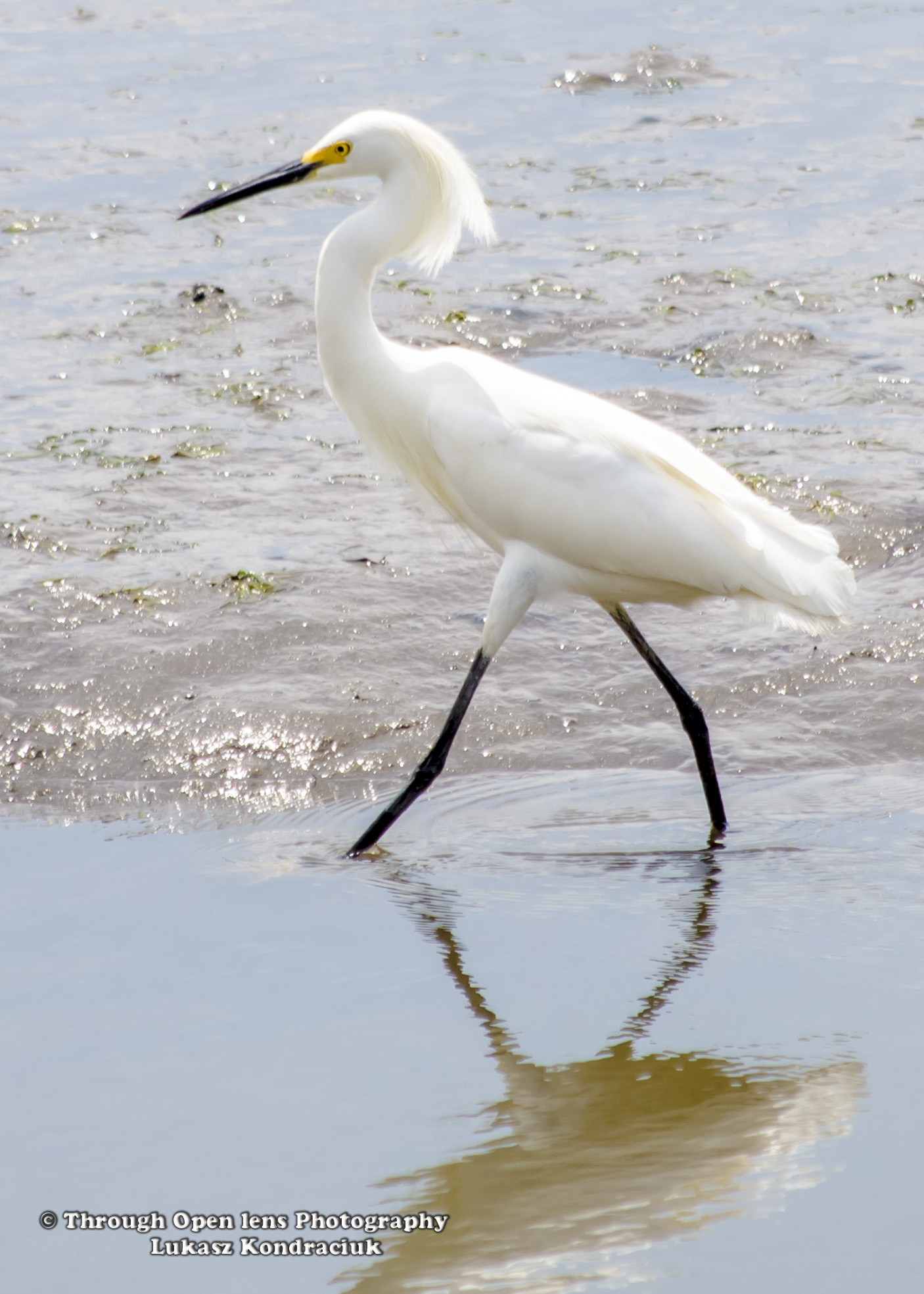
Snowy Egret

F/5.6 , 1/500, ISO 200.

Snowy Egret

Knock! Knock!

Who’s there?

Dozen.

Dozen who?

Dozen anyone want to let me in?

Interesting Fact: Male and female Snowy Egrets take turns incubating their eggs. As one mate takes over for the other, it sometimes presents a stick, almost as if passing a baton. Both parents continue caring for the young when they hatch. ( https://www.allaboutbirds.org/guide/Snowy_Egret/lifehistory )

I Need A Hug!

Common Tern 1

F/7.1, 1/800, ISO 200.

Common Tern

Knock! Knock!

Who’s there?

Lettuce.

Lettuce who?

Lettuce in already!

Interesting Fact: Common Terns living along the coast drink salt water. They do not seek fresh water even when it is available nearby. Like many seabirds, they have nasal glands that excrete the excess salt. ( https://www.allaboutbirds.org/guide/Common_Tern/lifehistory )

Hi I’m Steven, Steven SeaGull

Franklin's Gull

F/7.1, 1/800, ISO 200.

Franklin’s Gull

Why do sea-gulls fly over the sea?

Because if they flew over the bay they would be bagels!

Interesting Fact: The floating nest of the Franklin’s Gull gradually sinks as the material below the water surface decays, and it requires continual maintenance. Both parents add new nest material daily until one or two weeks before departing the colony. Older chicks also add nest material from the immediate vicinity of the nest. ( https://www.allaboutbirds.org/guide/Franklins_Gull/lifehistory )

I Bench Press Everyday!

House Finch 1

F/10.0, 1/320, ISO 400.

House Finch

What do you call a T-Rex that can bench press 2 tons?

Tyranosaurus-pecs! 

Interesting Fact: House Finches feed their nestlings exclusively plant foods, a fairly rare occurrence in the bird world. Many birds that are vegetarians as adults still find animal foods to keep their fast-growing young supplied with protein. ( https://www.allaboutbirds.org/guide/House_Finch/lifehistory )

Seriously?? Not Another Knock-Knock Joke!

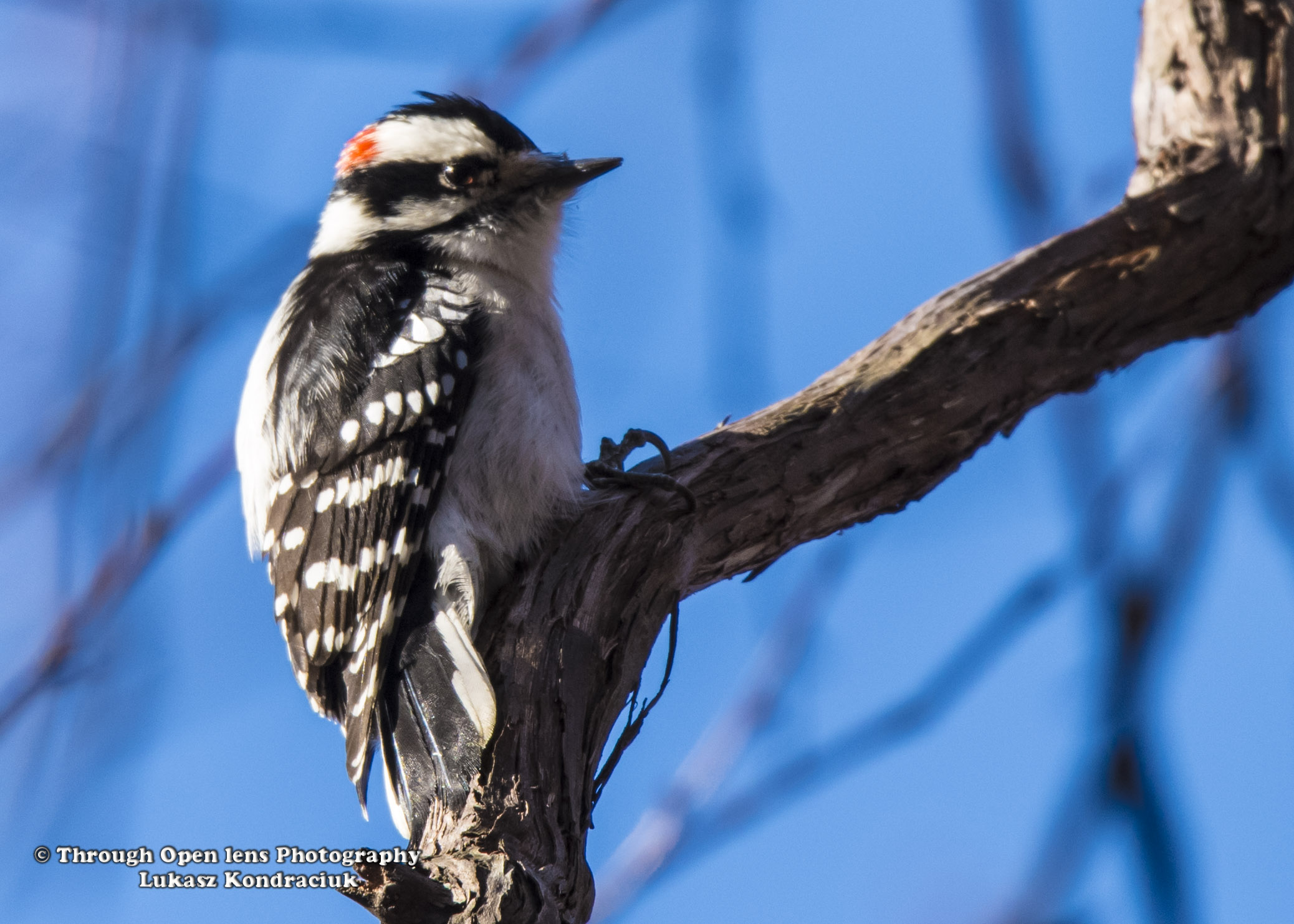
Downy Woodpecker 1

F/9.0, 1/320, ISO 400.

Downy Woodpecker

Knock! Knock!

Who’s there?

Luke.

Luke who?

Luke through the keyhole to see!

Interesting Fact: Male and female Downy Woodpeckers divide up where they look for food in winter. Males feed more on small branches and weed stems, and females feed on larger branches and trunks. Males keep females from foraging in the more productive spots. When researchers have removed males from a woodlot, females have responded by feeding along smaller branches. ( https://www.allaboutbirds.org/guide/Downy_Woodpecker/lifehistory )