Laugh And The World Laughs With You, Cackle Maniacally And People Back Away From You Slowly

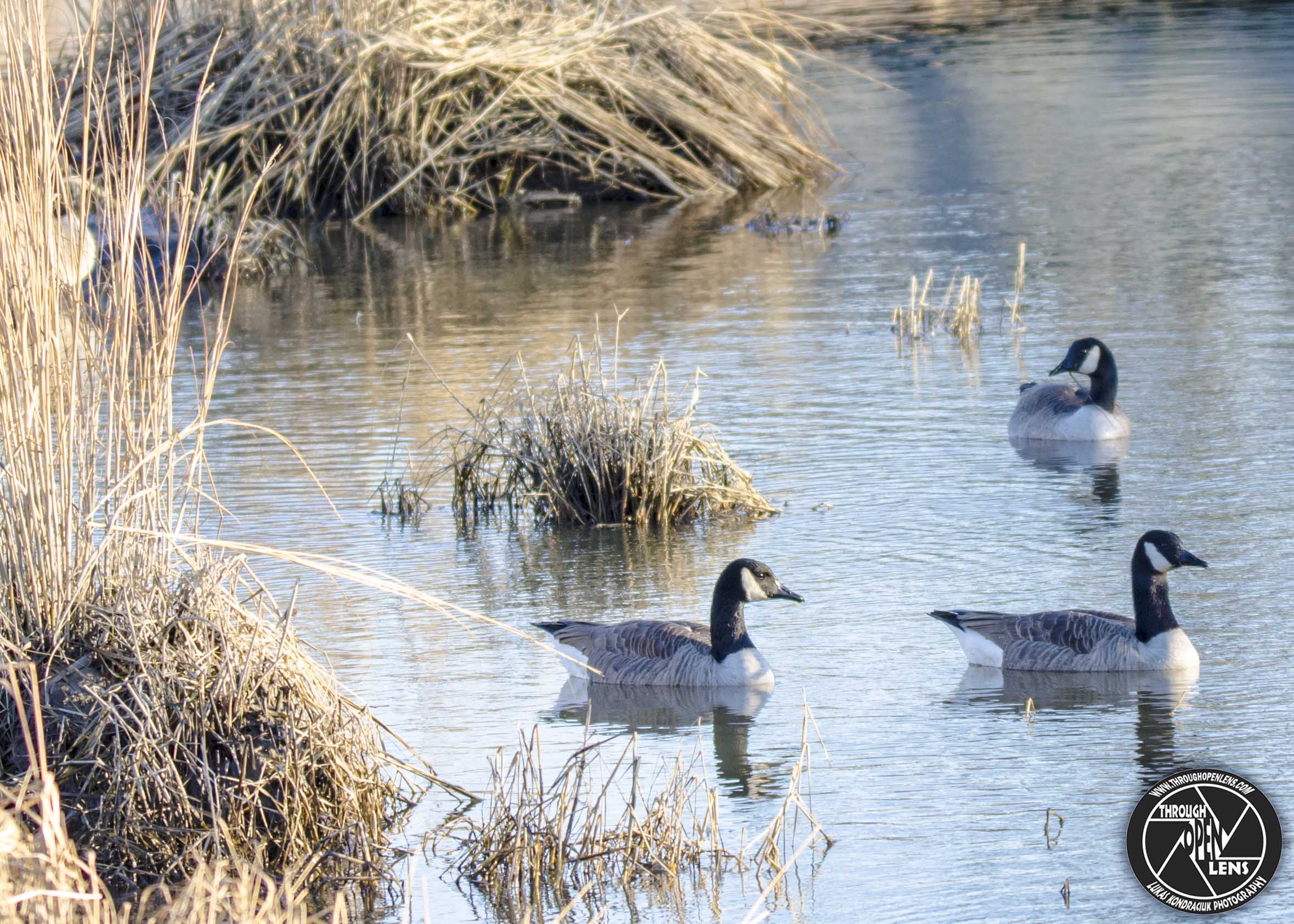
cackling-goose

F/5.0, 1/400, ISO 400.

Cackling Goose

What did the 30 degree angle say to the 90 degree angle?

“You think you’re always right!”

Interesting Fact: The Cackling Goose was long considered just a small race of the Canada Goose. The smallest four of the eleven recognized races were recently determined to be distinct enough to be their own species. Cackling Goose includes the races known as Taverner’s, Richardson’s, Aleutian, and Cackling geese. Confusingly, the “Lesser Canada Goose” is still a race of the Canada Goose. ( https://www.allaboutbirds.org/guide/Cackling_Goose/lifehistory )

Where Are We?

House Finches

F/10.0, 1/400, ISO 200.

House Finch

What did the bra say to the hat?

You go on ahead while I give these two a lift!

Interesting Fact: The total House Finch population across North America is staggering. Scientists estimate between 267 million and 1.4 billion individuals. ( https://www.allaboutbirds.org/guide/House_Finch/lifehistory )


Car Is In Garage We Will Poop On The Roof Then!

Brown Pelicans 1

F/5.6, 1/500, ISO 250.

Brown Pelicans

Do you know what the white stuff in bird poop is?

That’s bird poop, too!

Interesting Fact: Pelicans incubate their eggs with the skin of their feet, essentially standing on the eggs to keep them warm. In the mid-twentieth century the pesticide DDT caused pelicans to lay thinner eggs that cracked under the weight of incubating parents. After nearly disappearing from North America in the 1960s and 1970s, Brown Pelicans made a full comeback thanks to pesticide regulations. ( https://www.allaboutbirds.org/guide/Brown_Pelican/lifehistory )


Quack Pack!

Harlequin Ducks

F/10.0, 1/400, ISO 400.

Harlequin Duck  

What do you call a crate of ducks?

A box of quackers!

Interesting Fact: Also called the Sea mouse because of its very unducklike squeaks. Other names include Circus duck or painted duck for its beautiful colors. ( http://identify.whatbird.com/obj/360/overview/Harlequin_Duck.aspx )

Reverse Mohawk Is In!

Elegant Tern

F/5.6, 1/500, ISO 220.

Elegant Tern

California Week Two 

A sailor trying to sneak back to his ship about 3 o’clock in the morning was spotted by a chief petty officer who ordered him to explain his tardiness. The lame explanation didn’t work. “Take this broom and sweep every link on this anchor chain by morning or it’s the brig for you,” the chief said. The sailor began to sweep, but a tern landed on the broom handle and he couldn’t continue. He yelled at the bird, but it didn’t budge. He finally plucked it off the broom and gave it a toss. But the bird came right back and again landed on the handle. Over and over, the same routine was repeated. A toss, one sweep, and the bird was back. When morning came, the chief also was back. “What have you been doing all night? This chain is no cleaner than when you started!” “Honest, chief,” said the sailor, “I tossed a tern all night and couldn’t sweep a link.”

Interesting Fact: Unlike some of the smaller white terns, it is not very aggressive toward potential predators, relying on the sheer density of the nests and nesting close to other more aggressive species such as Heermann’s Gulls to avoid predation. ( http://identify.whatbird.com/obj/467/_/Elegant_Tern.aspx )

 

Birds Of A Feather Flock Together

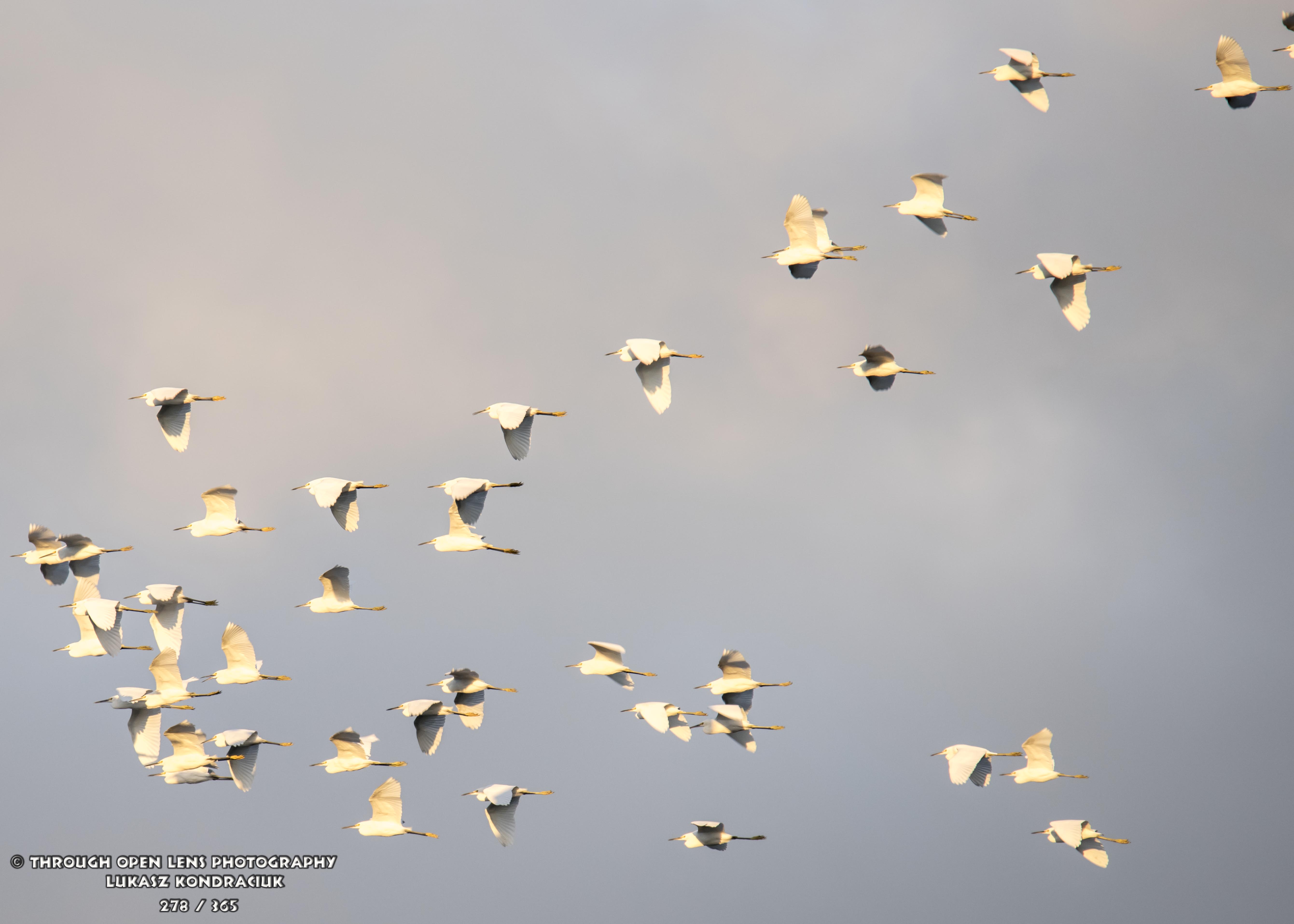
Snowy Egrets Flock

F/9.0, 1/320, ISO 320.

Snowy Egrets

Day 278 / 365

Why did the Snowy Egret fly away when they get scared?

Because it didn’t want to run away like a chicken.

Interesting Fact: There is evidence that a pair of Snowy Egrets cannot recognize each other except at the nest. Even there, a bird arriving to relieve its mate must perform an elaborate greeting ceremony in order to avoid being attacked as an intruder. ( http://identify.whatbird.com/obj/48/_/Snowy_Egret.aspx )

Pool Party!

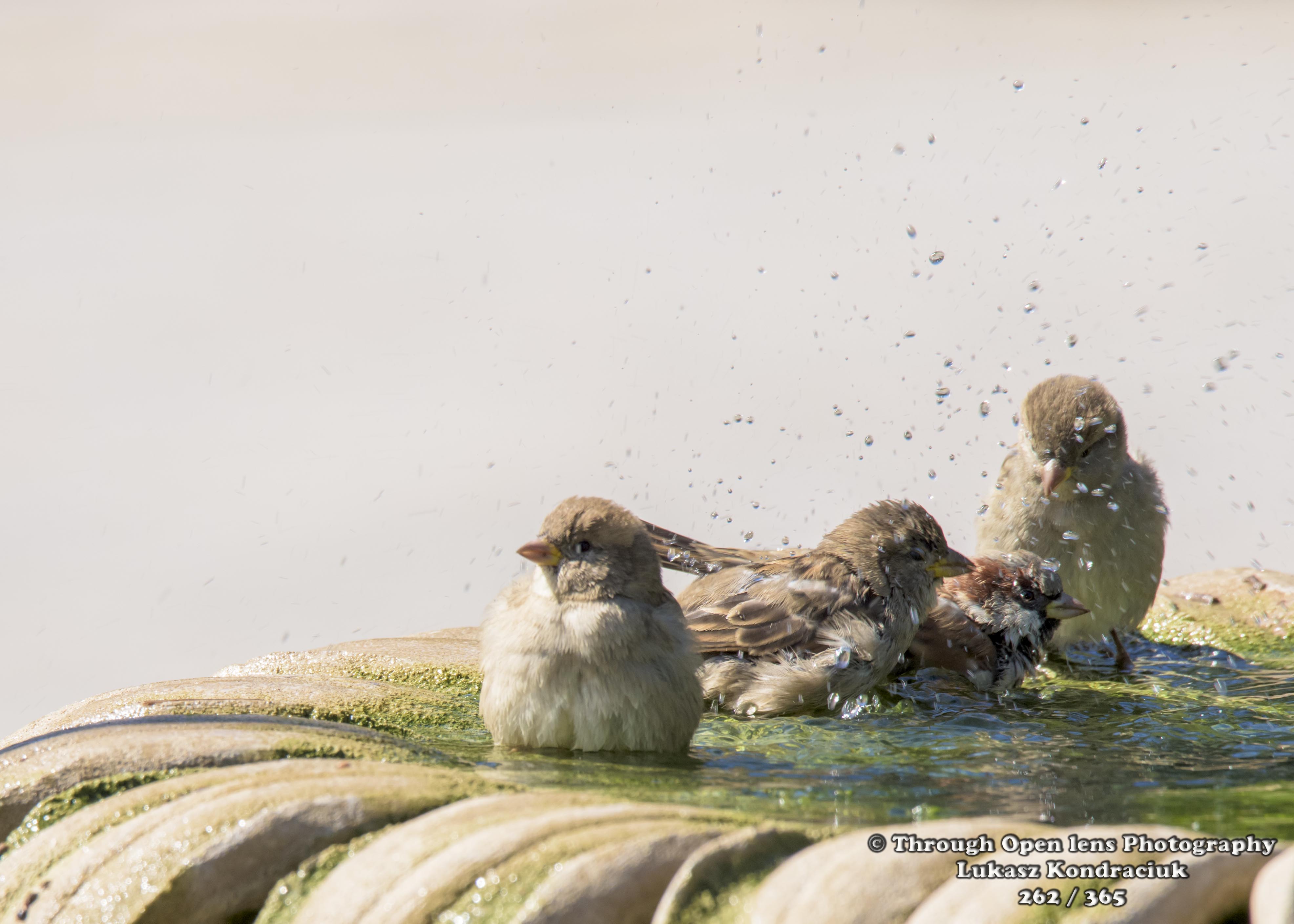
House Sparrows

F/11.0, 1/400, ISO 400.

House Sparrows

Day 263 / 365

Two small time thieves had been sent by the Big Boss to steal a van load of goods from a bathroom suppliers. One stayed in the van as look out and the other went into the storeroom. Fifteen minutes went by, then half an hour, then an hour, and no sign of him. The look out finally grew impatient and went to look for his partner. Inside the store the two came face to face. “Where have you been?” demanded the worried look out “The boss told me to take a bath, but I couldn’t find the soap and a towel.”

Interesting Fact: House Sparrows in flocks have a pecking order much the way chickens in a farmyard do. You can begin to decipher the standings by paying attention to the black throats of the males. Males with larger patches of black tend to be older and dominant over males with less black. By wearing this information on their feathers, sparrows can avoid some fights and thereby save energy. ( http://www.allaboutbirds.org/guide/House_Sparrow/lifehistory )


We Claim This Island! Now What Do We Do?

Great Egrets

F/6.3, 1/1250, ISO 400.

Great Egrets

Day 235 / 365

Why does the bird bring toilet paper to the party?

Because he is a party pooper.

Interesting Fact: The pristinely white Great Egret gets even more dressed up for the breeding season. A patch of skin on its face turns neon green, and long plumes grow from its back. Called aigrettes, those plumes were the bane of egrets in the late nineteenth century, when such adornments were prized for ladies’ hats. ( http://www.allaboutbirds.org/guide/Great_Egret/lifehistory )


Party On My Log!

Double-crested Cormorants

F/ 6.3, 1/500, ISO 320.

Double-crested Cormorants

Day 230 / 365

Which side of the Cormorant has the most feathers?

The outside.

Interesting Fact: Cormorants often stand in the sun with their wings spread out to dry. They have less preen oil than other birds, so their feathers can get soaked rather than shedding water like a duck’s. Though this seems like a problem for a bird that spends its life in water, wet feathers probably make it easier for cormorants to hunt underwater with agility and speed. ( http://www.allaboutbirds.org/guide/Double-crested_Cormorant/lifehistory#at_food )


Families Are Like Fudge Mostly Sweet With A Few Nuts

Greater Yellowlegs 1

F/ 6.3, 1/1000, ISO 640.

Greater Yellowlegs

Day 223 / 365

How do baby birds learn to fly?

They wing it!

Interesting Fact: They often feed actively, running after fish or other fast-moving aquatic prey. ( http://identify.whatbird.com/obj/252/overview/Greater_Yellowlegs.aspx )