I Want To Twirl!

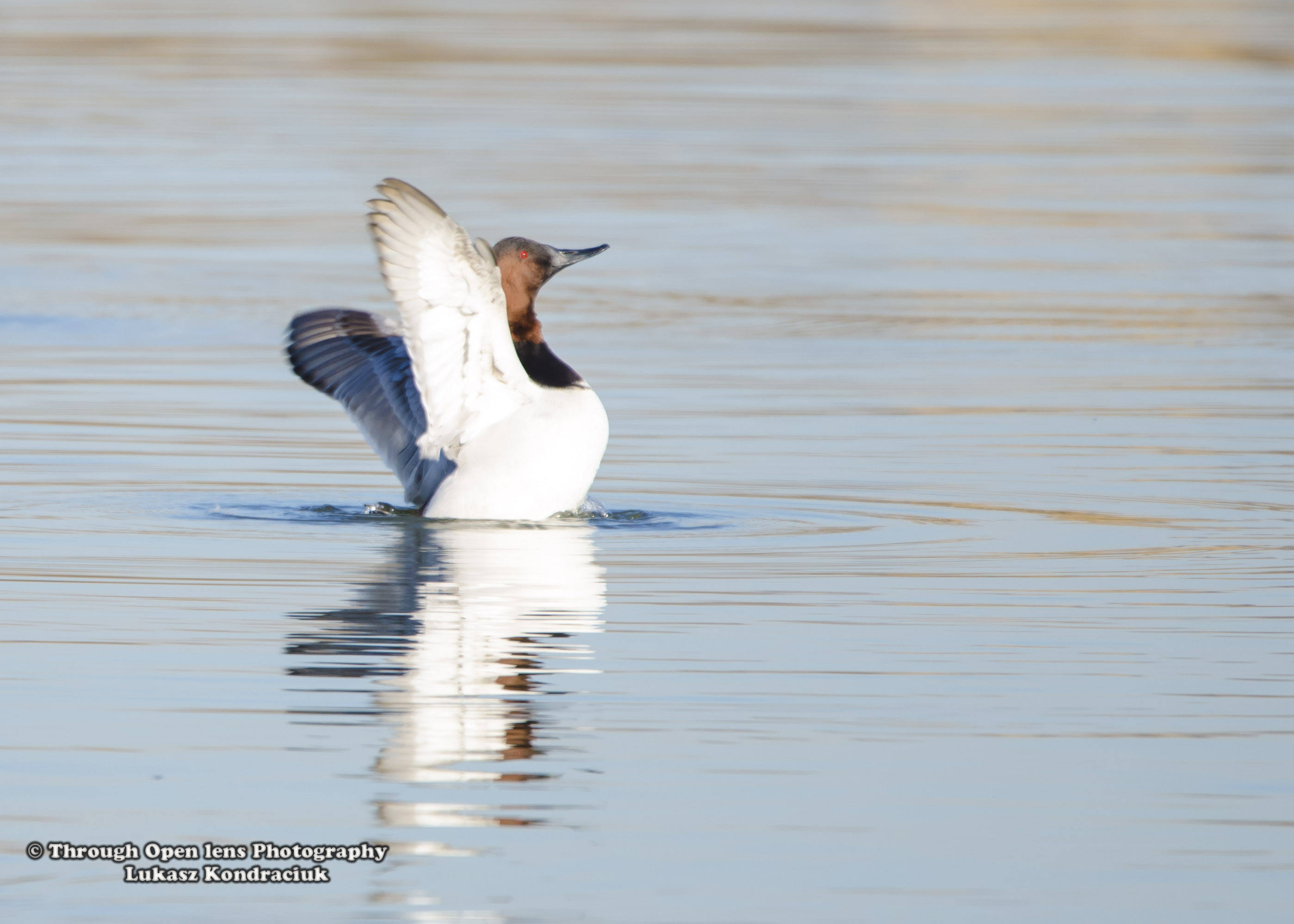
Canvasback duck

F/6.3, 1/500, ISO 200.

Canvasback

Chickens rise when the rooster crows, but when do ducks get up?

At the quack of dawn!

Interesting Fact: The Canvasback is a very good flier and can reach speeds of up to 70 mph. ( http://identify.whatbird.com/obj/100/overview/Canvasback.aspx )


Simon Says Look Up!!

American Robin

F/6.0, 1/500, ISO 220.

American Robin

What happened when Batman and Robin got run over by a steamroller?

They became Flatman and Ribbon!


Interesting Fact: Robin roosts can be huge, sometimes including a quarter-million birds during winter. In summer, females sleep at their nests and males gather at roosts. As young robins become independent, they join the males. Female adults go to the roosts only after they have finished nesting. ( https://www.allaboutbirds.org/guide/American_Robin/lifehistory )

Wanna Play?!

dogs

F/4.0, 1/1000, ISO 450.

German Shepherd – ( Zbój )

Pit Bull & Akita ( Mix ) – ( Rex )

What did the dog say to the tree?

Bark

Interesting Fact: The origin of the domestic dog (Canis lupus familiaris or Canis familiaris) is not clear. Whole genome sequencing indicates that the dog, the gray wolf and the extinct Taymyr wolf diverged at around the same time 27,000–40,000 years ago.[7] These dates imply that the earliest dogs arose in the time of human hunter-gatherers and not agriculturists.[31] Modern dogs are more closely related to ancient wolf fossils that have been found in Europe than they are to modern gray wolves.[32] Nearly all dog breeds’ genetic closeness to the gray wolf are due to admixture,[31] except several Arctic dog breeds are close to the Taimyr wolf of North Asia due to admixture. ( https://en.wikipedia.org/wiki/Dog )

Double Vision

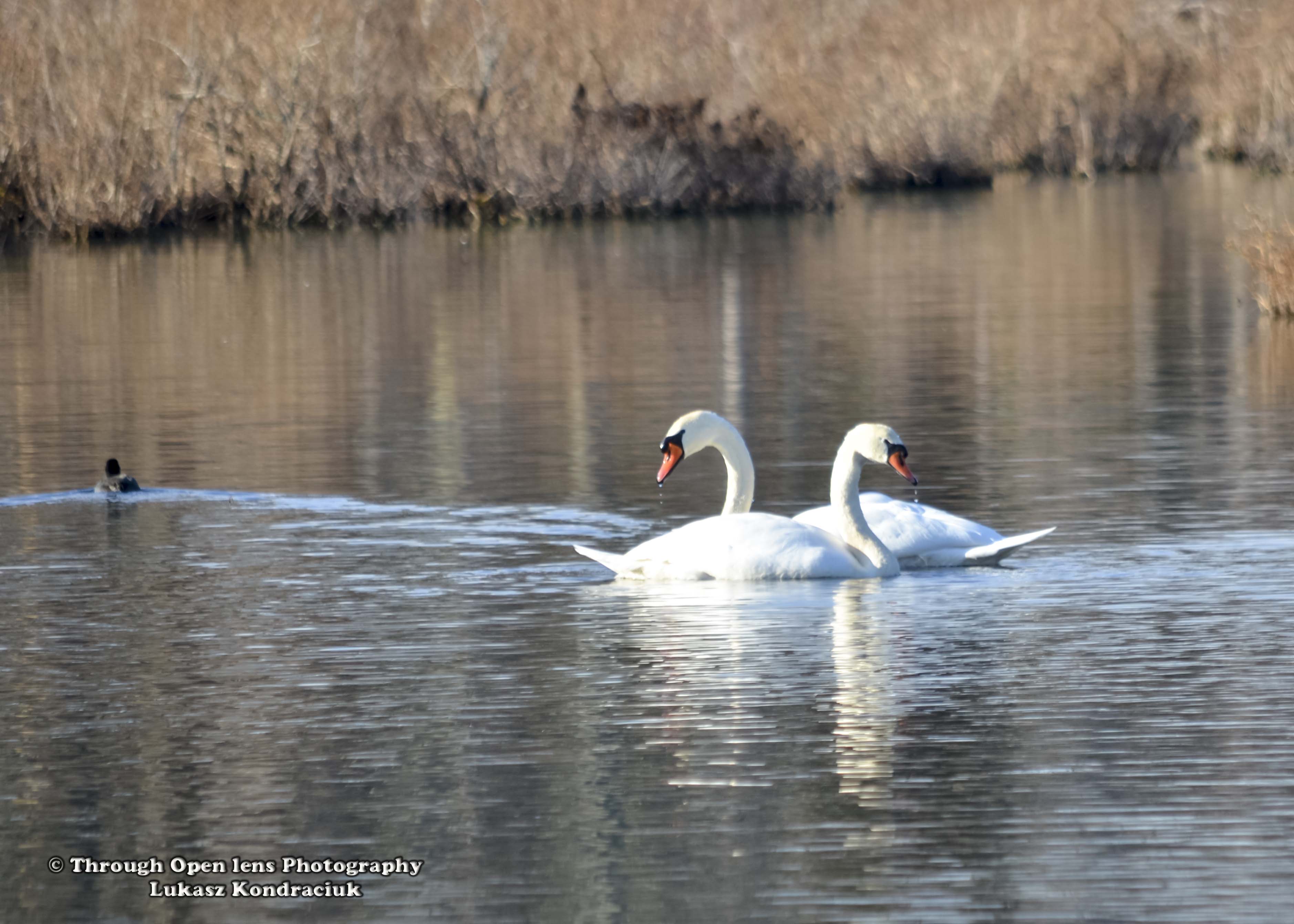
Swans

F/5.6, 1/500, ISO 200.

Mute Swans

How do you keep a chicken in suspense?

I’ll tell you later.

Interesting Fact: Give plenty of space to nesting Mute Swans. They can be extremely aggressive and frequently attack canoeists, kayakers, and pedestrians who wander too close to a nest or chicks. ( https://www.allaboutbirds.org/guide/Mute_Swan/lifehistory )

Look Over Here!

White-Tailed Deer

F/6.3, 1/200, ISO 720.

White-Tailed Deer

What do you get when you cross Bambi with a ghost?

Bamboo.

Interesting Fact: Female deer, called does, give birth to one to three young at a time, usually in May or June and after a gestation period of seven months. Young deer, called fawns, wear a reddish-brown coat with white spots that helps them blend in with the forest. ( http://animals.nationalgeographic.com/animals/mammals/white-tailed-deer/ )

Arguing Isn’t Communication , It’s Noise!

Monk Parakeets

F/7.1, 1/250, ISO 100.

Monk Parakeets

One day a man goes to a pet shop to buy a parrot. The assistant takes the man to the parrot section and asks the man to choose one. The man asks, ”How much is the yellow one?”
The assistant says, ”
2000.” The man is shocked and asks the assistant why it’s so expensive. The assistant explains, ”This parrot is a very special one. He knows typewriting and can type really fast.”
”What about the green one?” the man asks.
The assistant says, ”He costs
5000 because he knows typewriting and can answer incoming telephone calls and takes notes.”
”What about the red one?” the man asks.
The assistant says, ”That one’s
10,000.”
The man says, ”What does HE do?”
The assistant says, ”I don’t know, but the other two call him boss.”

Interesting Fact: Monk parakeets are the only member of the parrot family to build stick nests and to nest colonially. Their bulky nests provide a year-round home for the colony. The insulation these nests provide may be one reason why Monk Parakeets are able to survive cold winters. A single nest structure typically contains up to 20 nest chambers, and in extreme cases can house more than 200 nests. ( https://www.allaboutbirds.org/guide/Monk_Parakeet/lifehistory )

A Change May Be Just Around The Corner!

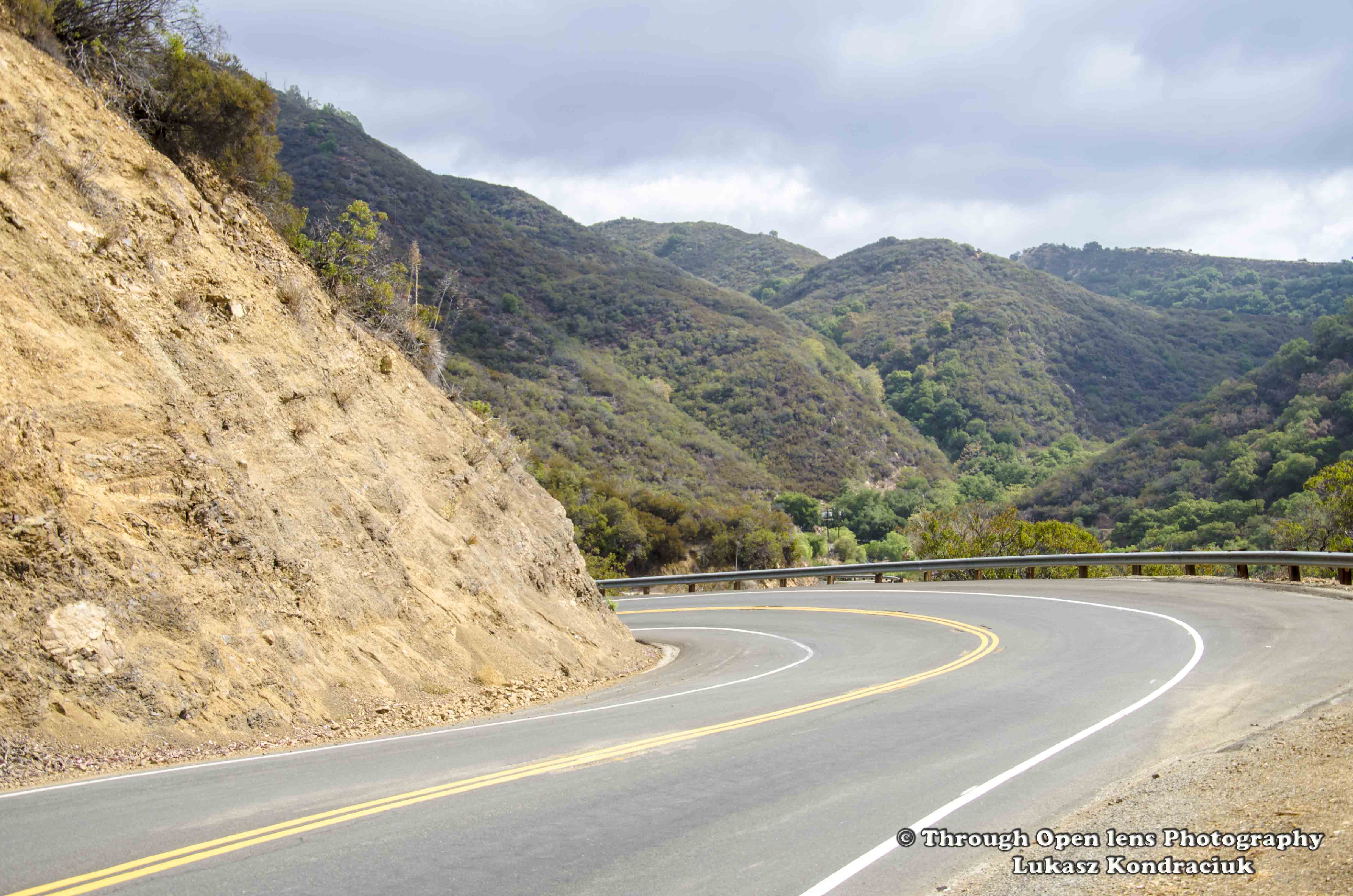
canyon road malibu

F/ 8.0 , 1/250, ISO 100.

California Week Two

Why didn’t the bicycle cross the road?

Because it was two tired

Interesting Fact: Explorer Juan Rodríguez Cabrillo is believed to have moored at Malibu Lagoon, at the mouth of Malibu Creek, to obtain fresh water in 1542. The Spanish presence returned with the California mission system, and the area was part of Rancho Topanga Malibu Sequit—a 13,000-acre (53 km2) land grant—in 1802. That ranch passed intact to Frederick Hastings Rindge in 1891. He and his widow, May K. Rindge, guarded their privacy zealously by hiring guards to evict all trespassers and fighting a lengthy court battle to prevent the building of a Southern Pacific railroad line through the ranch. Interstate Commerce Commission regulations would not support a railroad condemning property in order to build tracks that paralleled an existing line, so Frederick H. Rindge decided to build his own railroad through his property first. He died, and May K. Rindge followed through with the plans, building a line starting just inside the ranch’s property eastern boundary at Las Flores Canyon, and running 15 miles westward, past Pt. Dume. ( https://en.wikipedia.org/wiki/Malibu,_California#History )

Okay, Don’t Make Any Sudden Moves. Hop Inside My Mouth… If You Want To Live.

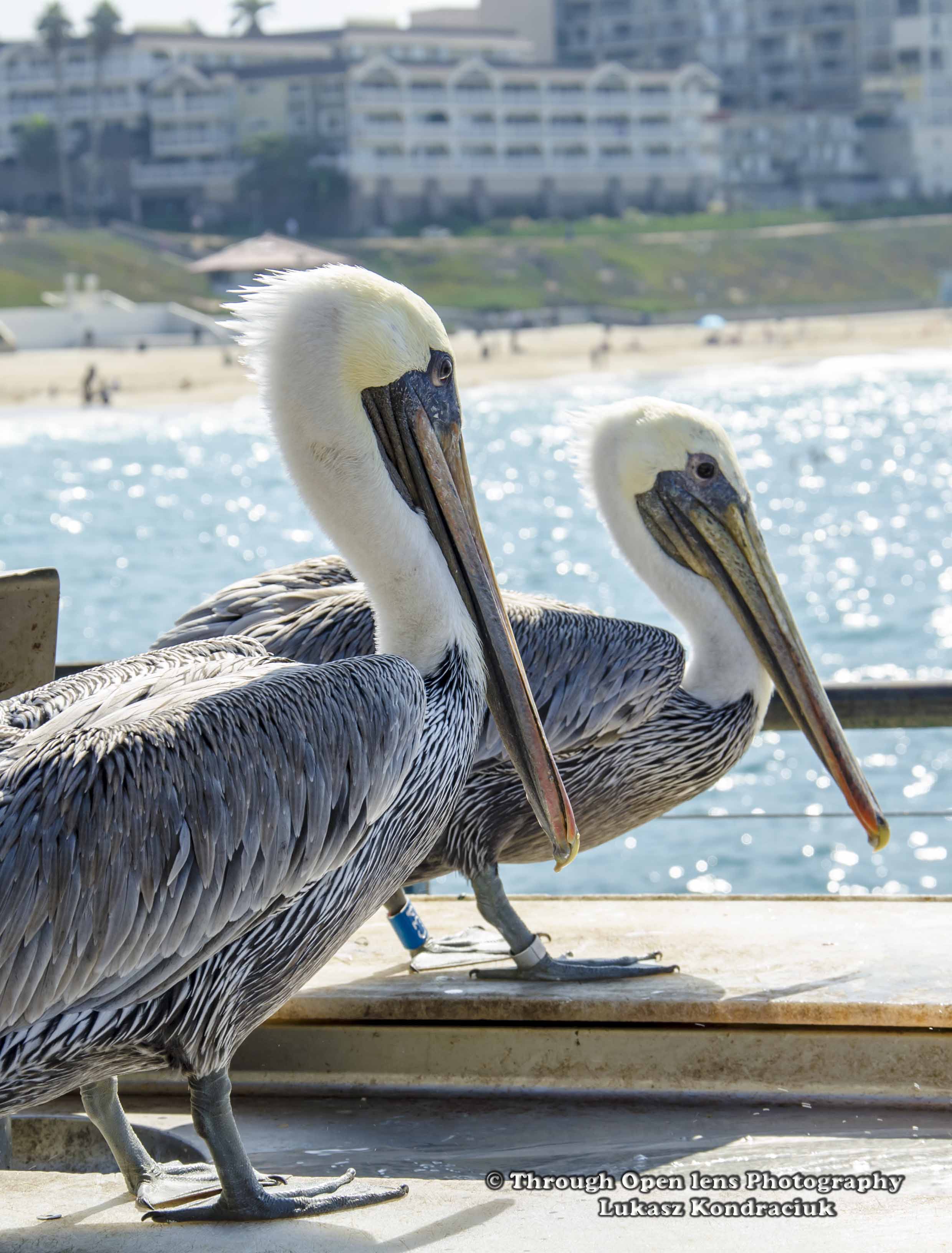
Brown Pelicans

F/8.0, 1/250, ISO 100.

Brown Pelicans

California Week Two 

Why was the pelican kicked out of the hotel?

Because he had a big bill!

Interesting Fact: While the Brown Pelican is draining the water from its bill after a dive, gulls often try to steal the fish right out of its pouch—sometimes while perching on the pelican’s head. Pelicans themselves are not above stealing fish, as they follow fishing boats and hang around piers for handouts. ( https://www.allaboutbirds.org/guide/Brown_Pelican/lifehistory )

Reverse Mohawk Is In!

Elegant Tern

F/5.6, 1/500, ISO 220.

Elegant Tern

California Week Two 

A sailor trying to sneak back to his ship about 3 o’clock in the morning was spotted by a chief petty officer who ordered him to explain his tardiness. The lame explanation didn’t work. “Take this broom and sweep every link on this anchor chain by morning or it’s the brig for you,” the chief said. The sailor began to sweep, but a tern landed on the broom handle and he couldn’t continue. He yelled at the bird, but it didn’t budge. He finally plucked it off the broom and gave it a toss. But the bird came right back and again landed on the handle. Over and over, the same routine was repeated. A toss, one sweep, and the bird was back. When morning came, the chief also was back. “What have you been doing all night? This chain is no cleaner than when you started!” “Honest, chief,” said the sailor, “I tossed a tern all night and couldn’t sweep a link.”

Interesting Fact: Unlike some of the smaller white terns, it is not very aggressive toward potential predators, relying on the sheer density of the nests and nesting close to other more aggressive species such as Heermann’s Gulls to avoid predation. ( http://identify.whatbird.com/obj/467/_/Elegant_Tern.aspx )