Hi I’m Steven, Steven SeaGull

Franklin's Gull

F/7.1, 1/800, ISO 200.

Franklin’s Gull

Why do sea-gulls fly over the sea?

Because if they flew over the bay they would be bagels!

Interesting Fact: The floating nest of the Franklin’s Gull gradually sinks as the material below the water surface decays, and it requires continual maintenance. Both parents add new nest material daily until one or two weeks before departing the colony. Older chicks also add nest material from the immediate vicinity of the nest. ( https://www.allaboutbirds.org/guide/Franklins_Gull/lifehistory )

I Bench Press Everyday!

House Finch 1

F/10.0, 1/320, ISO 400.

House Finch

What do you call a T-Rex that can bench press 2 tons?

Tyranosaurus-pecs! 

Interesting Fact: House Finches feed their nestlings exclusively plant foods, a fairly rare occurrence in the bird world. Many birds that are vegetarians as adults still find animal foods to keep their fast-growing young supplied with protein. ( https://www.allaboutbirds.org/guide/House_Finch/lifehistory )

Seriously?? Not Another Knock-Knock Joke!

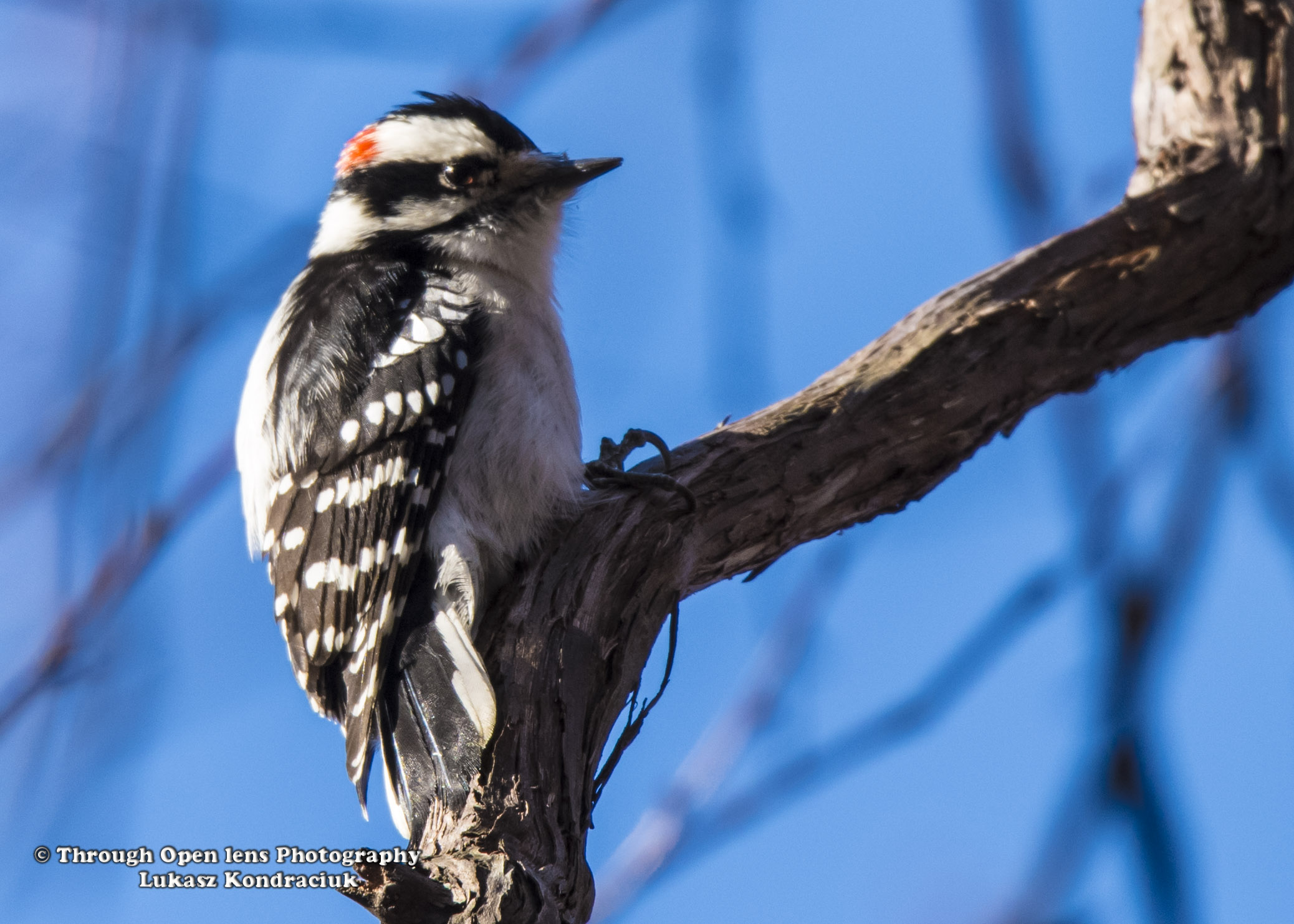
Downy Woodpecker 1

F/9.0, 1/320, ISO 400.

Downy Woodpecker

Knock! Knock!

Who’s there?

Luke.

Luke who?

Luke through the keyhole to see!

Interesting Fact: Male and female Downy Woodpeckers divide up where they look for food in winter. Males feed more on small branches and weed stems, and females feed on larger branches and trunks. Males keep females from foraging in the more productive spots. When researchers have removed males from a woodlot, females have responded by feeding along smaller branches. ( https://www.allaboutbirds.org/guide/Downy_Woodpecker/lifehistory )

No. Stop Don’t SWALLOW That!

Tree Swallow

F/ 5.6, 1/500, ISO 125.

Tree Swallow

What do you call a chicken in the 1960’s?

A funky chicken.

Interesting Fact: Migrating and wintering Tree Swallows can form enormous flocks numbering in the hundreds of thousands. They gather about an hour before sunset and form a dense cloud above a roost site (such as a cattail marsh or grove of small trees), swirling around like a living tornado. With each pass, more birds drop down until they are all settled on the roost. ( https://www.allaboutbirds.org/guide/Tree_Swallow/lifehistory )

Why So Puffy?

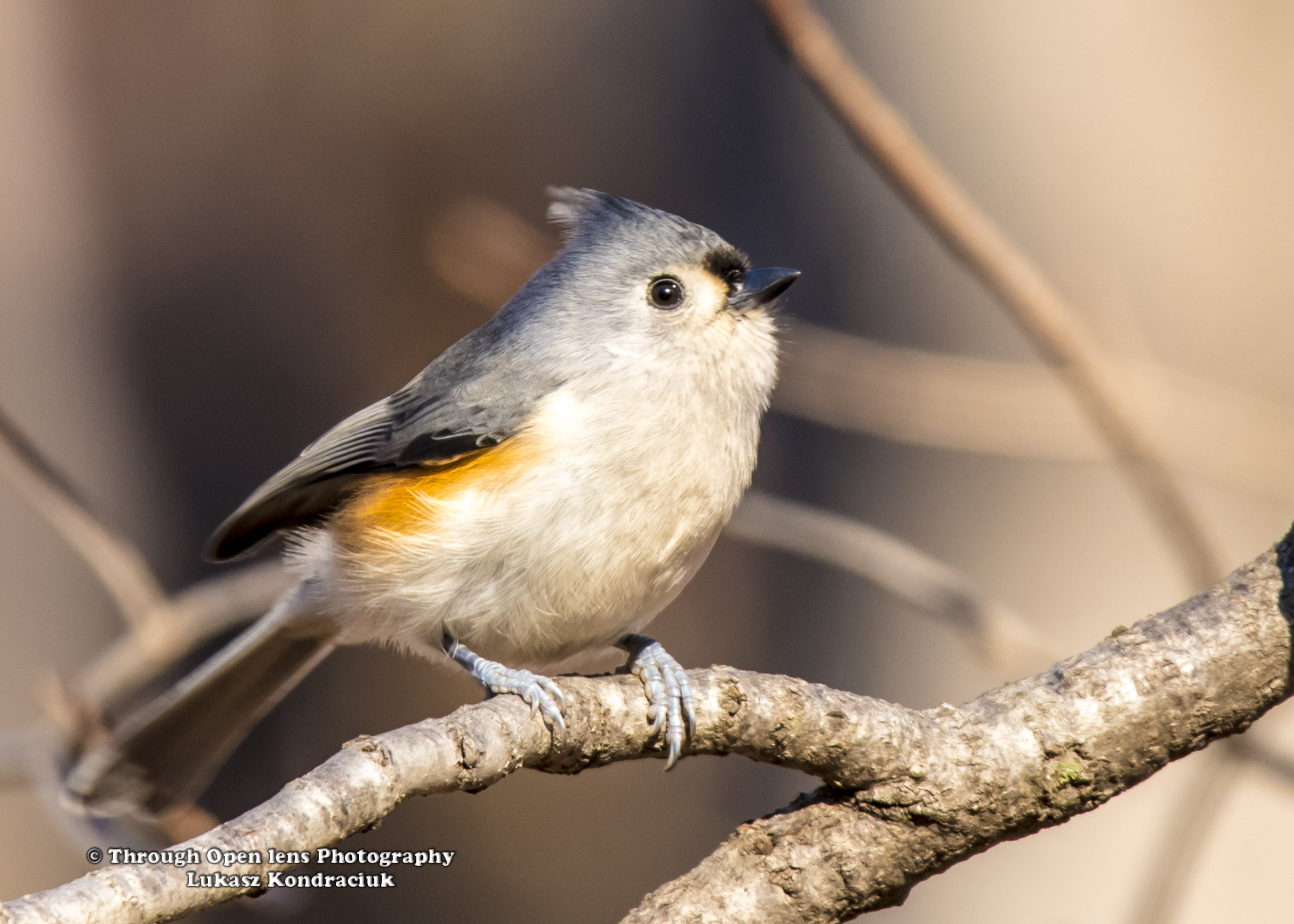
Tufted Titmouse 2

F/8.0, 1/250, ISO 320.

Tufted Titmouse

How many cans does it take to make a bird?

Two cans.

Interesting Fact:  Tufted Titmice nest in tree holes (and nest boxes), but they can’t excavate their own nest cavities. Instead, they use natural holes and cavities left by woodpeckers. These species’ dependence on dead wood for their homes is one reason why it’s important to allow dead trees to remain in forests rather than cutting them down. ( https://www.allaboutbirds.org/guide/Tufted_Titmouse/lifehistory )

I Will Meet You In The Morning

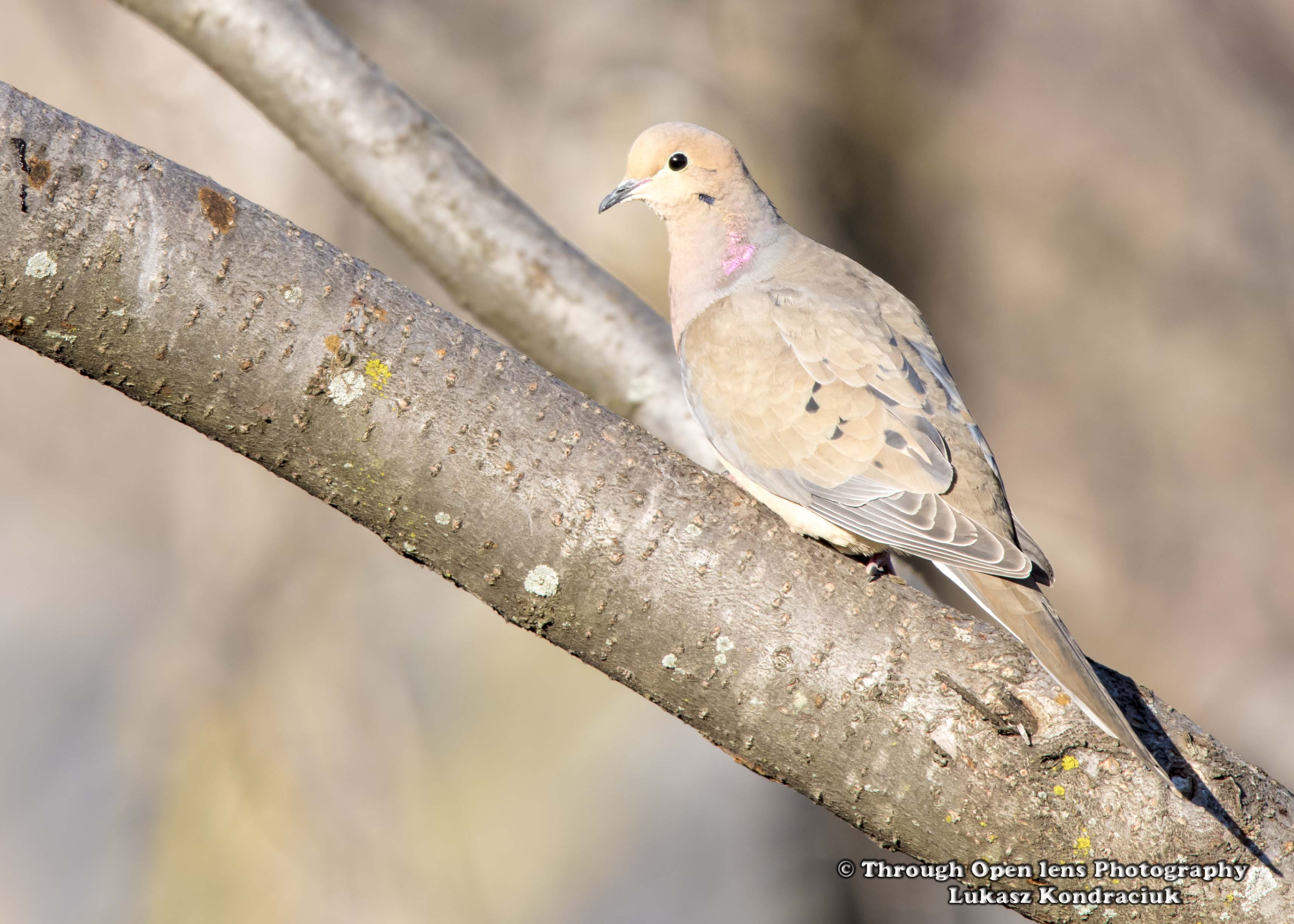
Mourning Dove

F/9.0, 1/320, ISO 320.

Mourning Dove

What soap do birds use?

Dove.

Interesting Fact: Mourning Doves tend to feed busily on the ground, swallowing seeds and storing them in an enlargement of the esophagus called the crop. Once they’ve filled it (the record is 17,200 bluegrass seeds in a single crop!), they can fly to a safe perch to digest the meal. ( https://www.allaboutbirds.org/guide/Mourning_Dove/lifehistory )

Thirsty Thursday!

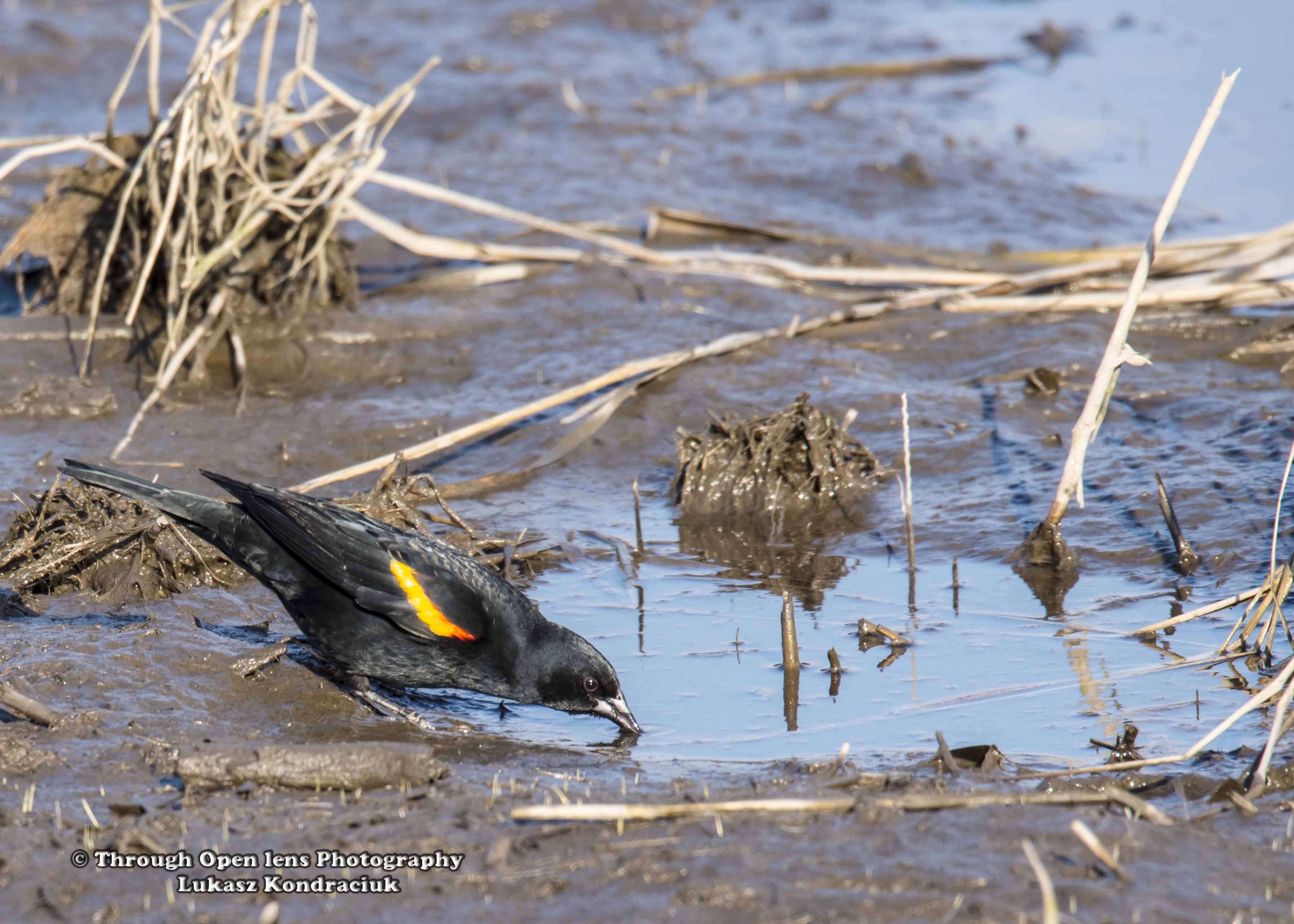
Red-winged Blackbird

F/9.0, 1/320, ISO 320.

Red-winged Blackbird

Where does a blackbird go for a drink?

To a crow bar.

Interesting Fact: The Red-winged Blackbird is a highly polygynous species, meaning males have many female mates – up to 15 in some cases. In some populations 90 percent of territorial males have more than one female nesting on their territories. But all is not as it seems: one-quarter to one-half of nestlings turn out to have been sired by someone other than the territorial male. ( https://www.allaboutbirds.org/guide/Red-winged_Blackbird/lifehistory )

Splash Off!

American Black Duck

F/9.0, 1/320, ISO 320.

American Black Duck

Two monsters went duck-hunting with their dogs but without success. “I know what we’re doing wrong,” said the first one. “What’s that then?” asked the second. “We’re not throwing the dogs high enough!”

Interesting Fact: The colors of the bill and legs are used to determine their age and sex. These differences led to an earlier belief that there were two subspecies, a northern, red-legged race, and a southern “common” one. ( http://identify.whatbird.com/obj/392/overview/American_Black_Duck.aspx )

Let’s Get Back On Track!

High Line Park

F/7.1, 1/200, ISO 320.

How do trees access the internet?

They log on.

Interesting Fact: The High Line (also known as the High Line Park) is a 1.45-mile-long (2.33 km) New York City linear park built in Manhattan on an elevated section of a disused New York Central Railroad spur called the West Side Line.[1] Inspired by the 3-mile (4.8-kilometer) Promenade plantée (tree-lined walkway), a similar project in Paris completed in 1993, the High Line has been redesigned and planted as an aerial greenway and rails-to-trails park. (

Happy Easter To Everybunny!

Cottontail Rabbit

F/5.6, 1/250, ISO 400.

Cottontail Rabbit

What do you call a bunny with a large brain?

An egghead.

Interesting Fact: They browse at night on grasses and herbs and are fond of garden fare such as peas and, of course, lettuce. In winter, their diet becomes a bit coarse and consists of bark, twigs, and buds. During the day, cottontails often remain hidden in vegetation. If spotted, they flee from prey with a zigzag pattern, sometimes reaching speeds of up to 18 miles (29 kilometers) an hour. ( http://animals.nationalgeographic.com/animals/mammals/cottontail-rabbit/ )