Car Is In Garage We Will Poop On The Roof Then!

Brown Pelicans 1

F/5.6, 1/500, ISO 250.

Brown Pelicans

Do you know what the white stuff in bird poop is?

That’s bird poop, too!

Interesting Fact: Pelicans incubate their eggs with the skin of their feet, essentially standing on the eggs to keep them warm. In the mid-twentieth century the pesticide DDT caused pelicans to lay thinner eggs that cracked under the weight of incubating parents. After nearly disappearing from North America in the 1960s and 1970s, Brown Pelicans made a full comeback thanks to pesticide regulations. ( https://www.allaboutbirds.org/guide/Brown_Pelican/lifehistory )
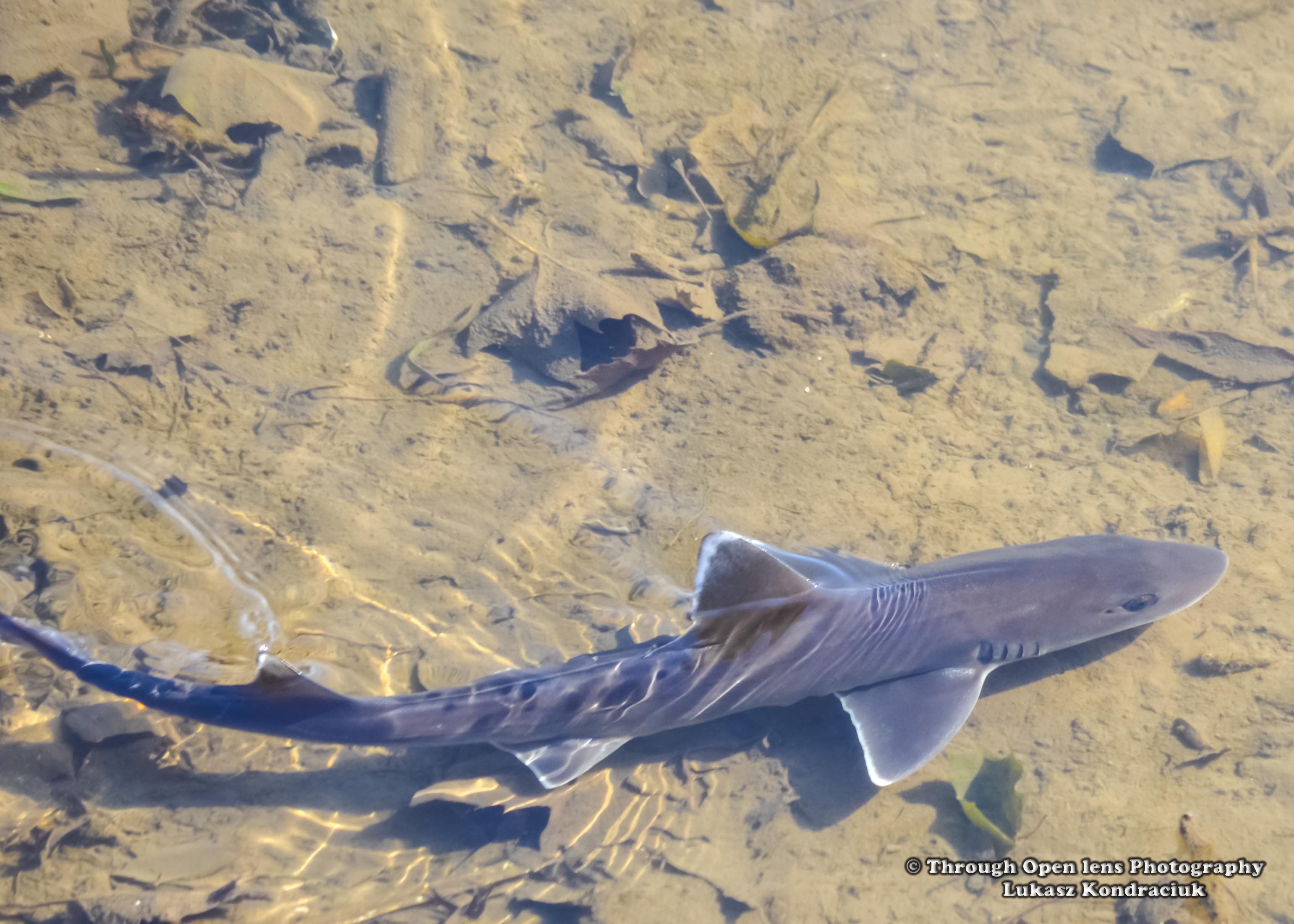


Look Out I’m A Biter!

Shark Week 2016

Bull Shark

F/5.6, 1/500, ISO 320.

Deadliest Shark In The World

Bull Shark ( Baby )

For five years, two sharks and a dolphin have worked side by side every day as window washers, and every night after work they stopped for a drink. One day, disaster struck, and the dolphin fell to his death. The police came to the site and began asking questions. “Where does he live?” The sharks shrugged their shoulders. “Is he married?” The sharks didn’t know. “What is his name?” The sharks shrugged again. “You worked with this guy for five years and you don’t know anything about him?” the cop asked. “I know something about him,” one shark volunteered. “He has two assholes.” “What are you talking about?” said the cop. “Well,” said the shark, “Whenever we go for a drink after work the bartended says, ‘Here comes the dolphin with the two assholes.'”

Interesting Fact:  Bull sharks are aggressive, common, and usually live near high-population areas like tropical shorelines. They are not bothered by brackish and freshwater, and even venture far inland via rivers and tributaries. ( http://animals.nationalgeographic.com/animals/fish/bull-shark/ )


The Water Is Fine Come On In!

American Coot

F/5.6, 1/500, ISO 360.

American Coots

Father: Why did you get such a low score in that exam?

Son: Absence!

Father: You were absent on the day of the exam?

Son: No but the boy who sits next to me was!

Interesting Fact: Although it swims like a duck, the American Coot does not have webbed feet like a duck. Instead, each one of the coot’s long toes has broad lobes of skin that help it kick through the water. The broad lobes fold back each time the bird lifts its foot, so it doesn’t impede walking on dry land, though it supports the bird’s weight on mucky ground. ( https://www.allaboutbirds.org/guide/American_Coot/lifehistory )

Look Into My Eyes, You Are Getting Sleepy!

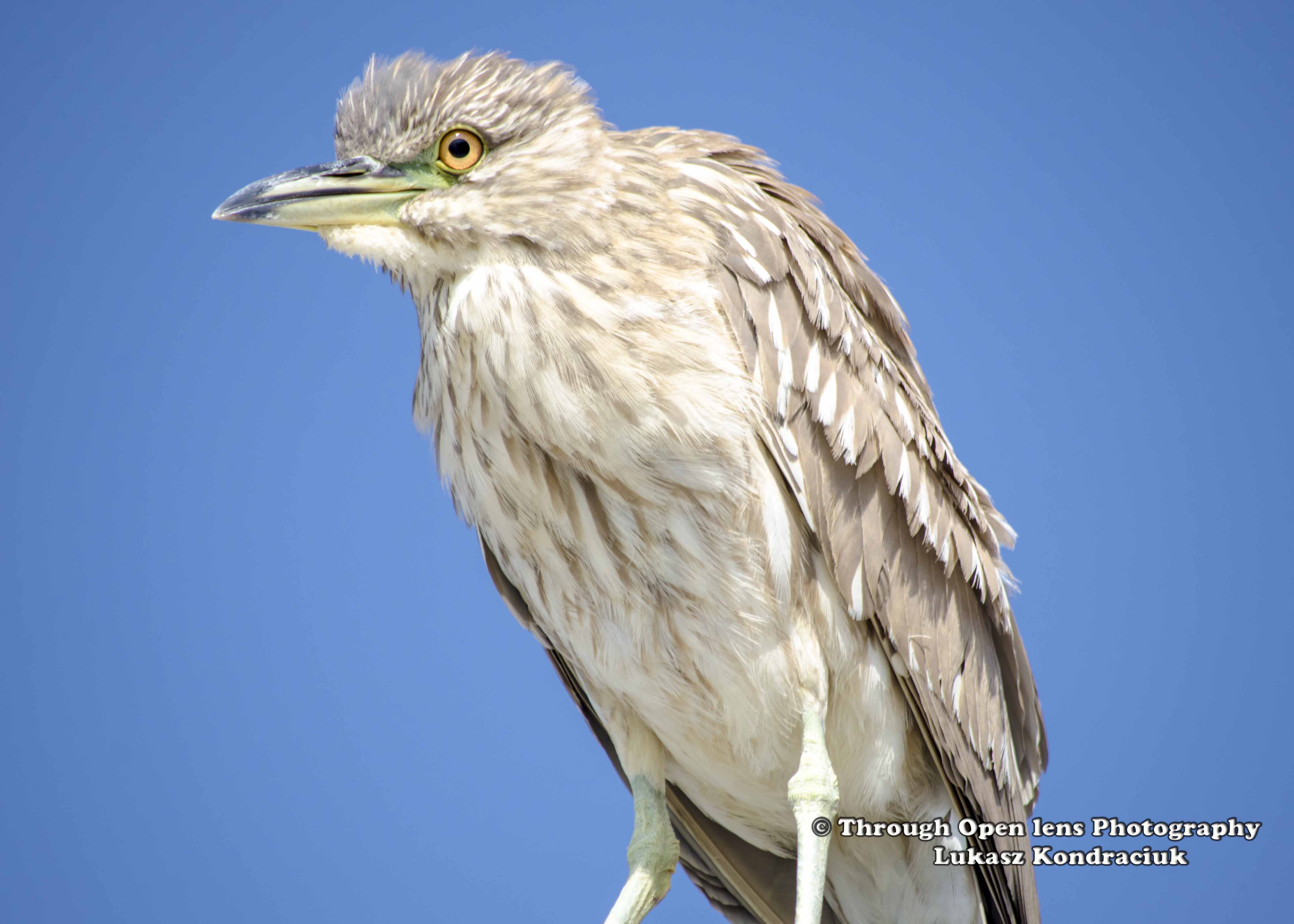
Black-crowned Night-Heron 1

F/ 6.3, 1/640, ISO 200.

Black-Crowned Night-Heron ( Juvenile )

How do you wake up Lady gaga?

Poke her face.

Interesting Fact: The familiar evening sight and sound of the Black-crowned Night-Heron was captured in this description from Arthur Bent’s Life Histories of North American Marsh Birds: “How often, in the gathering dusk of evening, have we heard its loud, choking squawk and, looking up, have seen its stocky form, dimly outlined against the gray sky and propelled by steady wing beats, as it wings its way high in the air toward its evening feeding place in some distant pond or marsh!” ( https://www.allaboutbirds.org/guide/Black-crowned_Night-Heron/lifehistory )

Don’t Let Yesterday Take Up Too Much Of Today

Red-tailed Hawk 1

F/10.0, 1/400, ISO 250.

Red-tailed Hawk

What do u call a police officer that works in bed?

A undercover cop.

Interesting Fact: Courting Red-tailed Hawks put on a display in which they soar in wide circles at a great height. The male dives steeply, then shoots up again at an angle nearly as steep. After several of these swoops he approaches the female from above, extends his legs, and touches her briefly. Sometimes, the pair grab onto one other, clasp talons, and plummet in spirals toward the ground before pulling away. ( https://www.allaboutbirds.org/guide/Red-tailed_Hawk/lifehistory )

I Am Not Your Dinner!

Wild Turkey

F/6.3, 1/50, ISO 250.

Wild Turkey 

What happened to the turkey that got in a fight?

He got the stuffing knocked out of him!

Interesting Fact: In the early 1500s, European explorers brought home Wild Turkeys from Mexico, where native people had domesticated the birds centuries earlier. Turkeys quickly became popular on European menus thanks to their large size and rich taste from their diet of wild nuts. Later, when English colonists settled on the Atlantic Coast, they brought domesticated turkeys with them. ( https://www.allaboutbirds.org/guide/Wild_Turkey/lifehistory )


Because I’m Bad, I’m Bad, Really, Really Bad

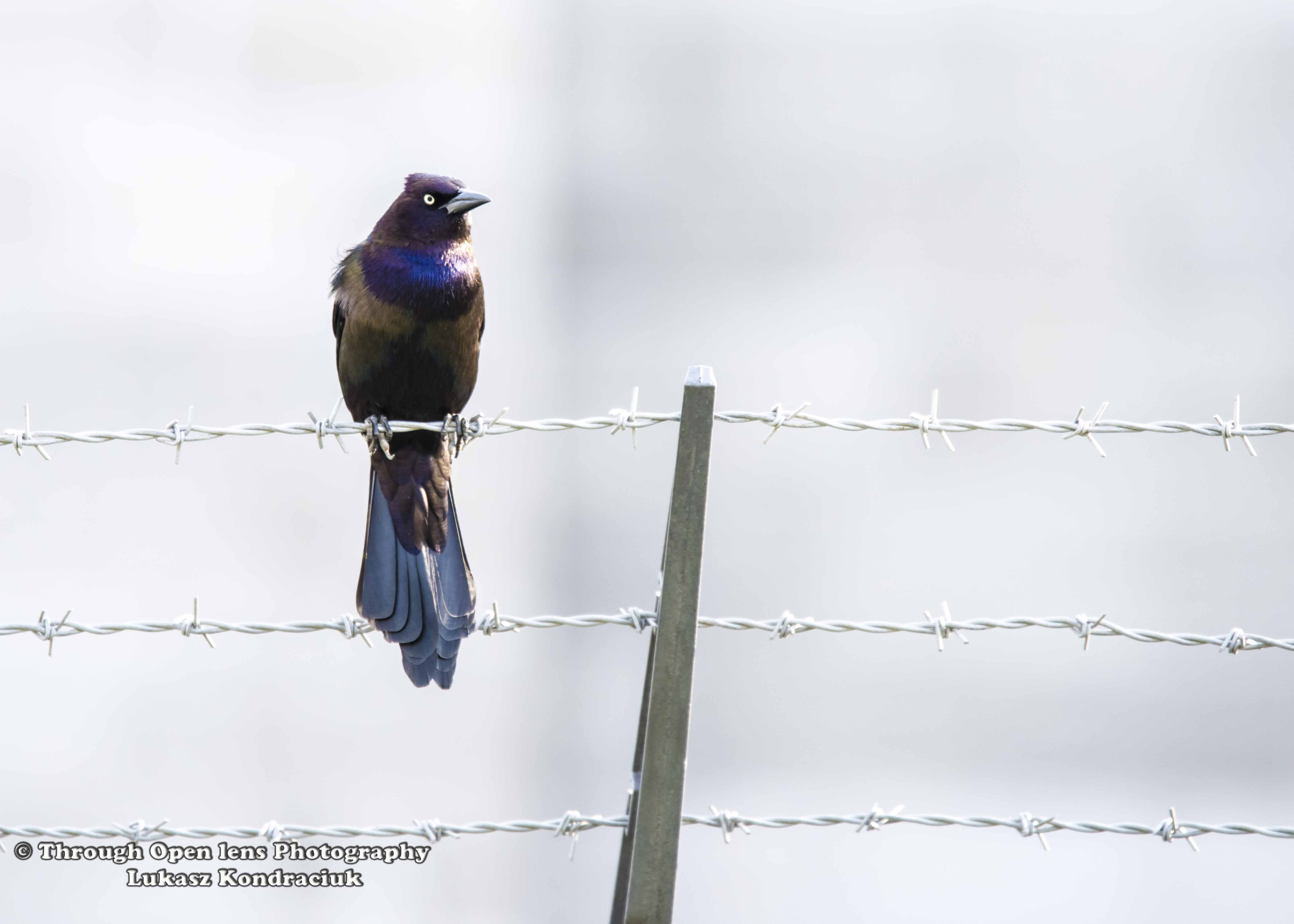
Common Grackle 1

F/7.1, 1/200, ISO 320.

Common Grackle  

A guy walks into an antique store and buys a grandfather clock, he walks out of the shop with it and accidentally walks into a drunk guy. (they both fall over and the clock gets smashed to bits)
The guy says to the drunk, “Why don’t you watch where your going?” and the drunk says, “Why don’t you carry a wrist watch like everybody else?”

Interesting Fact: You might see a Common Grackle hunched over on the ground, wings spread, letting ants crawl over its body and feathers. This is called anting, and grackles are frequent practitioners among the many bird species that do it. The ants secrete formic acid, the chemical in their stings, and this may rid the bird of parasites. In addition to ants, grackles have been seen using walnut juice, lemons and limes, marigold blossoms, chokecherries, and mothballs in a similar fashion. ( https://www.allaboutbirds.org/guide/Common_Grackle/lifehistory )

Go Away! I’m Really Focused Here

Great Blue Heron 3

F/7.1, 1/800, ISO 200.

Great Blue Heron

Two neighbors are talking to each other.
First neighbor: Do you know that my dog is so smart, he waits for the newspaper to drop at the doorstep and then delivers it to me?
Second neighbor: Of course, I know that very well.
First neighbor: Really, well then, how?
Second neighbor: My dog came and told me.

Interesting Fact: Great Blue Herons congregate at fish hatcheries, creating potential problems for the fish farmers. A study found that herons ate mostly diseased fish that would have died shortly anyway. Sick fish spent more time near the surface of the water where they were more vulnerable to the herons.  ( https://www.allaboutbirds.org/guide/Great_Blue_Heron/lifehistory )

Can’t Touch Me!

Black-crowned Night-Heron

F/6.3, 1/250 ISO 100.

Black-crowned Night-Heron

Why was the math textbook so sad?

He had a lot of problems!

Interesting Fact: Young Black-crowned Night-Herons leave the nest at the age of 1 month but cannot fly until they are 6 weeks old. They move through the vegetation on foot, joining up in foraging flocks at night. ( https://www.allaboutbirds.org/guide/Black-crowned_Night-Heron/lifehistory )

Why Wasn’t I Casted In The “Angry Bird” Movie?!

Chipping Sparrow 1

F/9.0, 1/320, ISO 100.

Chipping Sparrow 

Bob: You know Tom, sometimes I don’t understand life.
Tom: What do you mean?
Bob: When we were a younger, we learnt to talk and to walk. At school, we always have to sit down and shut up…

Interesting Fact: In much of the West, Chipping Sparrows disperse shortly after breeding to move to areas with better food resources. It’s not unusual to see Chipping Sparrows on alpine tundra or along roadsides in open grasslands. This results in the common misperception that they bred in those areas, when really they simply moved there to molt. ( https://www.allaboutbirds.org/guide/Chipping_Sparrow/lifehistory )